7 min read
Comment
Honouring the men who have shaped us
Father’s Day can mean something different to everyone. For some its a celebration, for others it’s a day of remembrance and paying tribute to someone who is no longer here.
Across Aboriginal and Torres Strait Islander communities, the relationships we share with the men in our lives who guide and support us can take different forms. For some, it’s their dad, for others, it’s a pop or stepdad who helped raise them, an uncle who stepped up, or another father figure or mentor we look up to.
They can be the person who taught you to ride a bike, catch your first fish, pitch a tent, or kick a footy. Someone who taught you how to cook or read, passed down stories and culture, shared wisdom and gave you advice when needed, and made sure you knew you were loved.
Marking ten years of #IndigenousDads
The hashtag gained momentum in 2016 following a controversial cartoon by Bill Leak that was published in The Australian newspaper. The cartoon showed a police officer returning a young boy to his dad, who was holding a beer can and not able to remember his son’s name.
The image was criticised for portraying and reinforcing harmful stereotypes about Indigenous fathers.
In response to the cartoon, mob took to social media sharing powerful images of the men in their lives using #IndigenousDads.
Many families shared photos of dads, grandfathers, uncles and father figures playing with their kids, fishing, cooking, watching sports, and spending quality time together.
They showed Aboriginal fatherhood in many forms, centred around family, community, love, connection, and care.
A decade on, those values still remain at the heart of how many people in our communities honour the special and important men in their lives, not just on Father’s Day but every day.
The men we celebrate
We asked a few familiar faces pay tribute to the men who have played an important role in their lives, and reflect on the impact of those relationships.
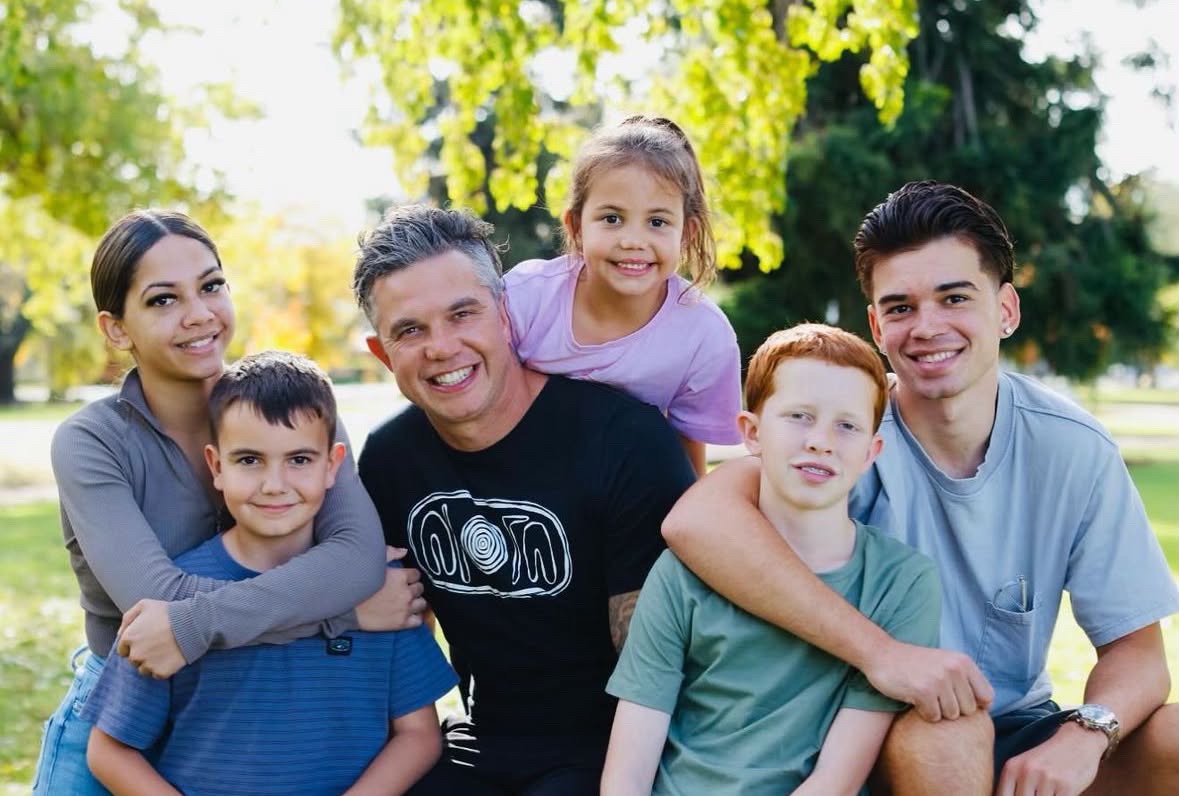
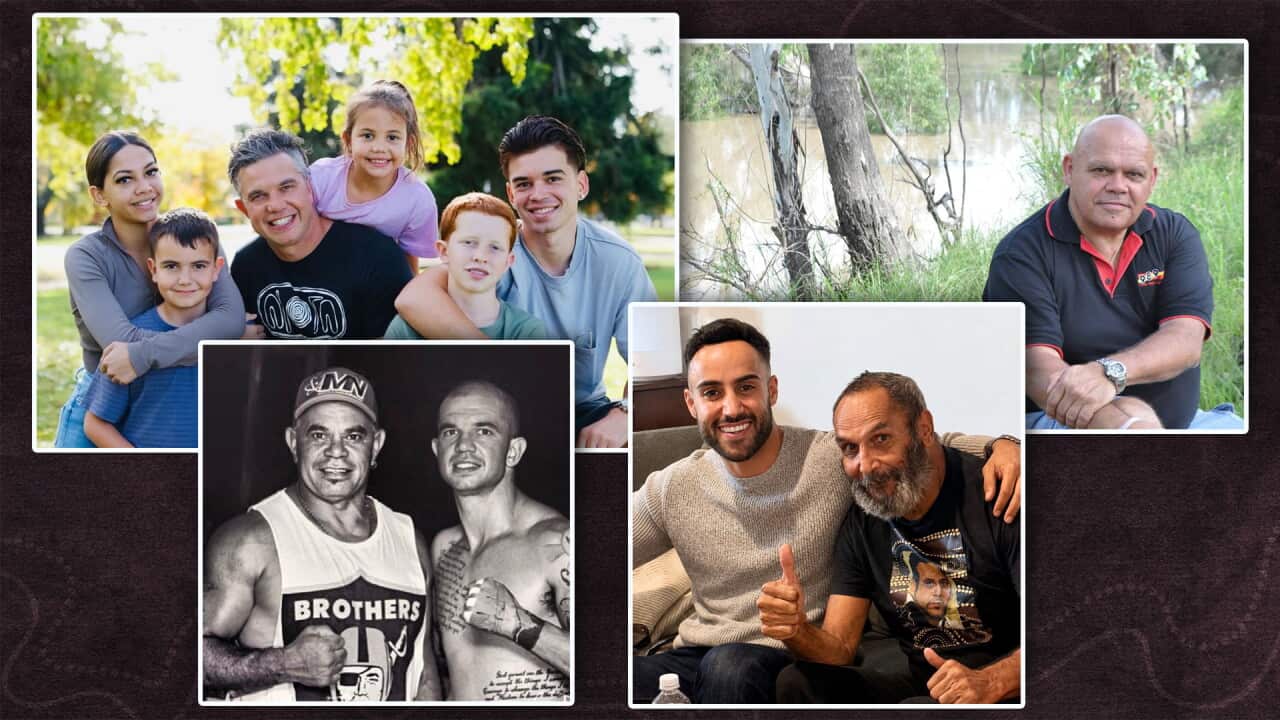
Proud Wiradjuri and Wolgalu man Joe Williams is a former rugby league player and professional boxer, known for his mental health advocacy.
He is a father of five and has spoken openly about his journey through fatherhood and the work he has done over the years to become the father he wants to be for his kids.
Becoming a dad has been a journey of learning, reflection, and growth. Williams says he has had to confront parts of himself and his own experiences to better understand the kind of father he wanted to be.
“I’ve had to learn how to be a Dad and it’s taken me many years to get to this point.”
He acknowledges it has not always been an easy journey and that he wasn’t always present for his eldest three children during their early years, which had an impact on both them and him.
“Admittedly, I wasn’t the man I needed to be to my eldest three kids and that impacted who I was as a dad. That impacted what they saw, felt and who they needed love from as a dad and I needed to work on who that man was.”
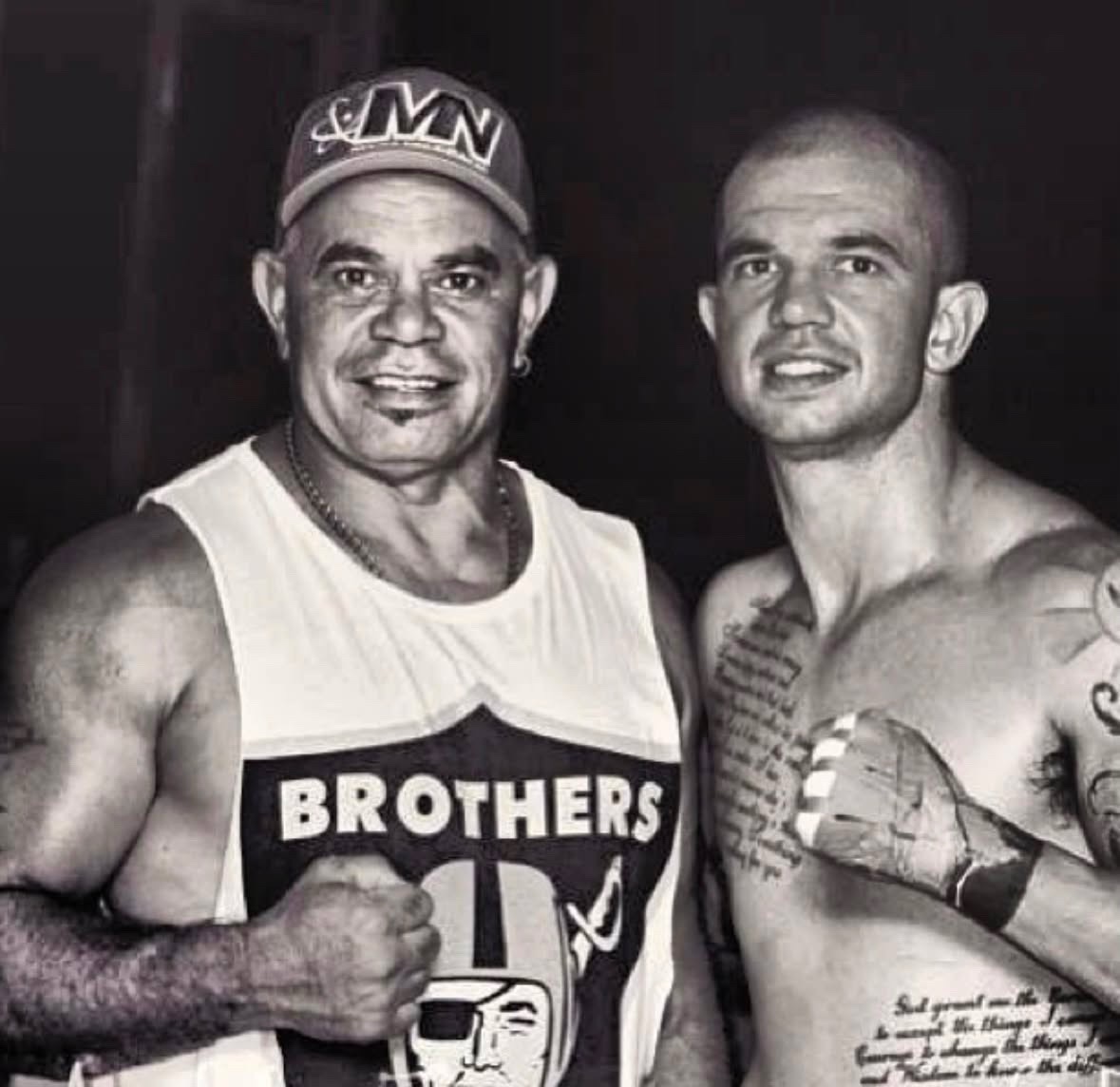
Now Williams says that he is proud of the relationship he’s built with his five children and still continues to do the work on being the father they need.
“Whilst still building, trying and developing each day, I have a great relationship with all five of my kids. I’m proud of who I have become as a Dad.”
He also reflects on his own relationship with his father, Wilfred Williams, saying the pair have grown closer as he has gotten older, and he's gained a different perspective on life and fatherhood.
“As I get older and see the world through a different lens, around experiences and expectations, my Dad and I are closer than ever before, we have a great relationship.”
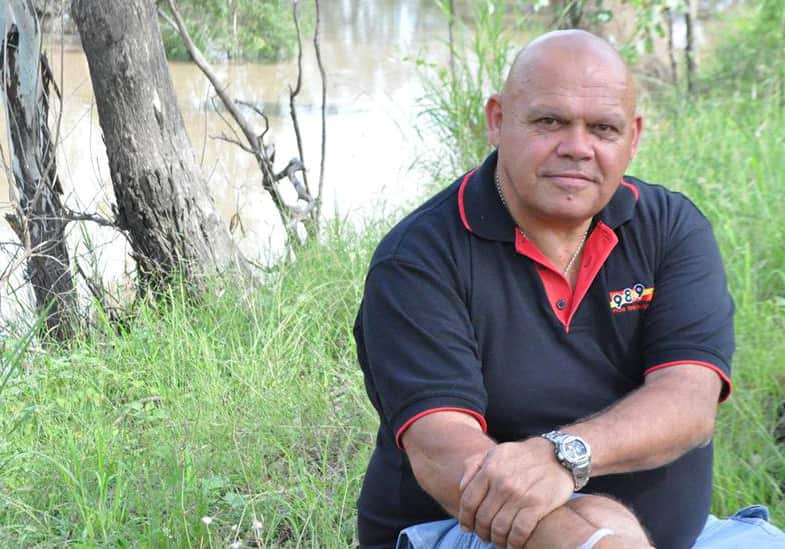
Mundanara Bayles is a proud Wonnarua and Bundjalung woman, founder of BlakCast, Managing Director and co-founder of BlackCard, and host of award-winning podcast 'Black Magic Woman'.
She is the daughter of the late Tiga Bayles, a leading figure in Indigenous broadcasting and was an Indigenous rights activist.
Growing up as one of nine daughters with no brothers, she says her father became the family’s sole carer after the death of her mother when she was 18 years old.
He was also the first Aboriginal man in Queensland’s history to be awarded Queensland’s Father of the Year.
“Our dad taught us everything, especially when it came to being proud about our Aboriginal identity.”
Growing up in Redfern, he made sure his kids knew who they were, where they came from, and stayed connected to their culture. Every school holidays he would take his family back to Country on the Dawson River.
That strong sense of identity is something Bayles wants to pass on to her own children.
“My dad raised nine independent black women to be staunch, proud but to also be good mums.”
She says her father made sure his grandchildren also had a father figure in their lives.
“That’s what I’ll always remember about my dad, playing those 2 roles and making sure that also his 19 grandchildren also had a father figure in their lives as well. Love you Dad.”
Proud Gomeroi man Matty Mills is a television presenter, actor, podcaster and NITV contributor who has often spoken about the influence his father had on his life. His dad sadly passed away earlier this year.
Mills describes his dad as both a parent and friend, with many of the values he carries with him today, shaped by the man who raised him.
“Dad is my old fulla, my mate and one of the biggest influences on who I am. He’s a strong Black man who taught us boys what it means to love your family, look after your mob and always show up for your people.”
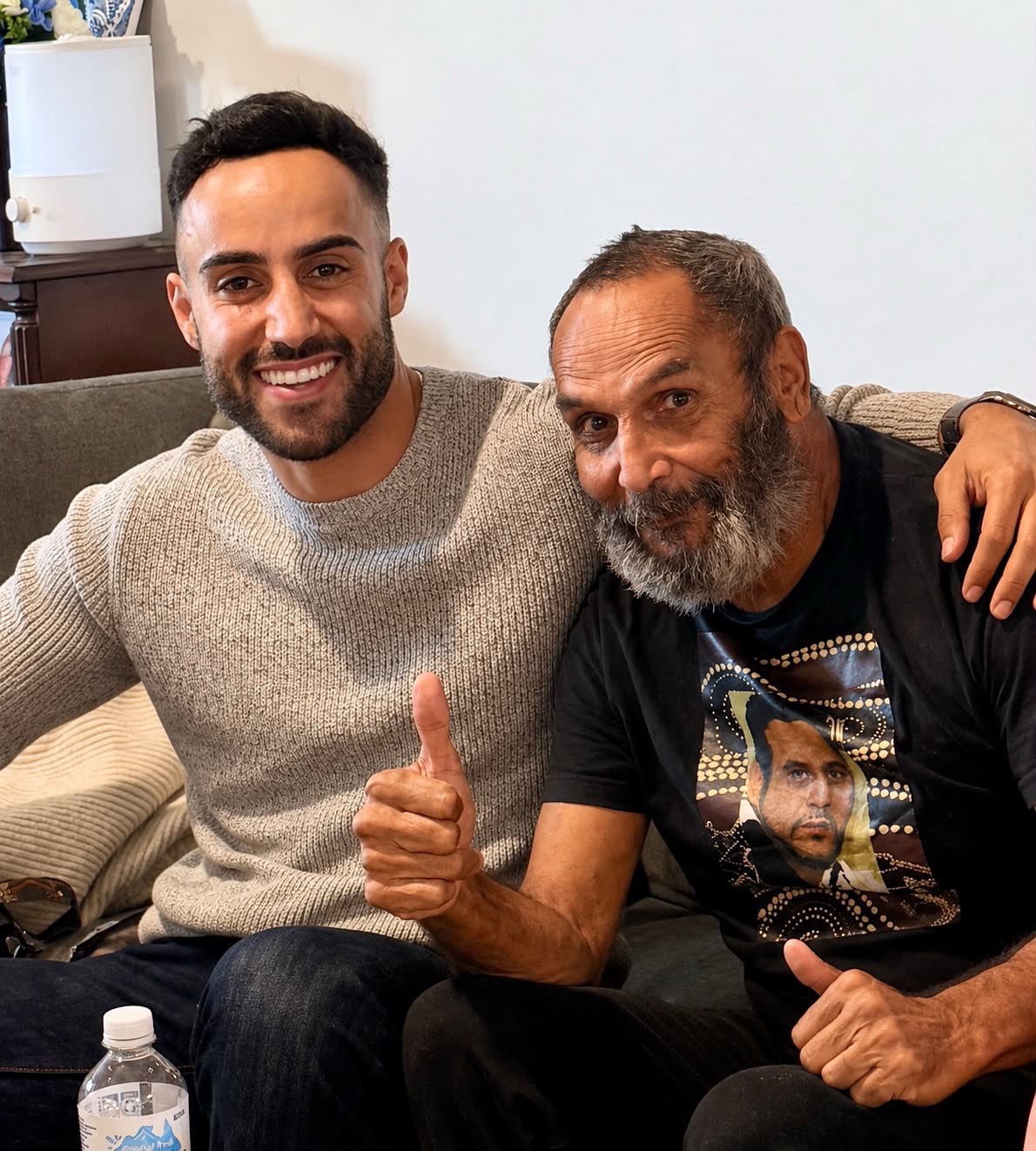
His father’s generosity and compassion are among the many qualities that have left the biggest impression.
“Dad had the biggest heart and so much compassion for others. He was the kind of man who would go without himself just to make sure someone else had what they needed.”
“He taught me that kindness costs nothing, that family comes first and that you always help your mob when you’re in a position to.”
While Mills carries those lessons with him, it is the memories of the special time spent together that he holds closest to his heart.
“Some of my favourite memories with the old fulla are the simple ones, sitting by the river having a yarn, going fishing, having a laugh and listening to his stories and advice about life.”
And while his father is no longer here, Mills says his influence remains.
“I’m so proud to be his son and even prouder to carry those parts of him with me.”