Warning: this article contains the name and image of an Aboriginal person who has died.
The family of an Aboriginal man who died in custody says they’re struggling to process their loss, as the NSW Coroner recommends policy changes for the use of chemical munitions such as tear gas in prisons.
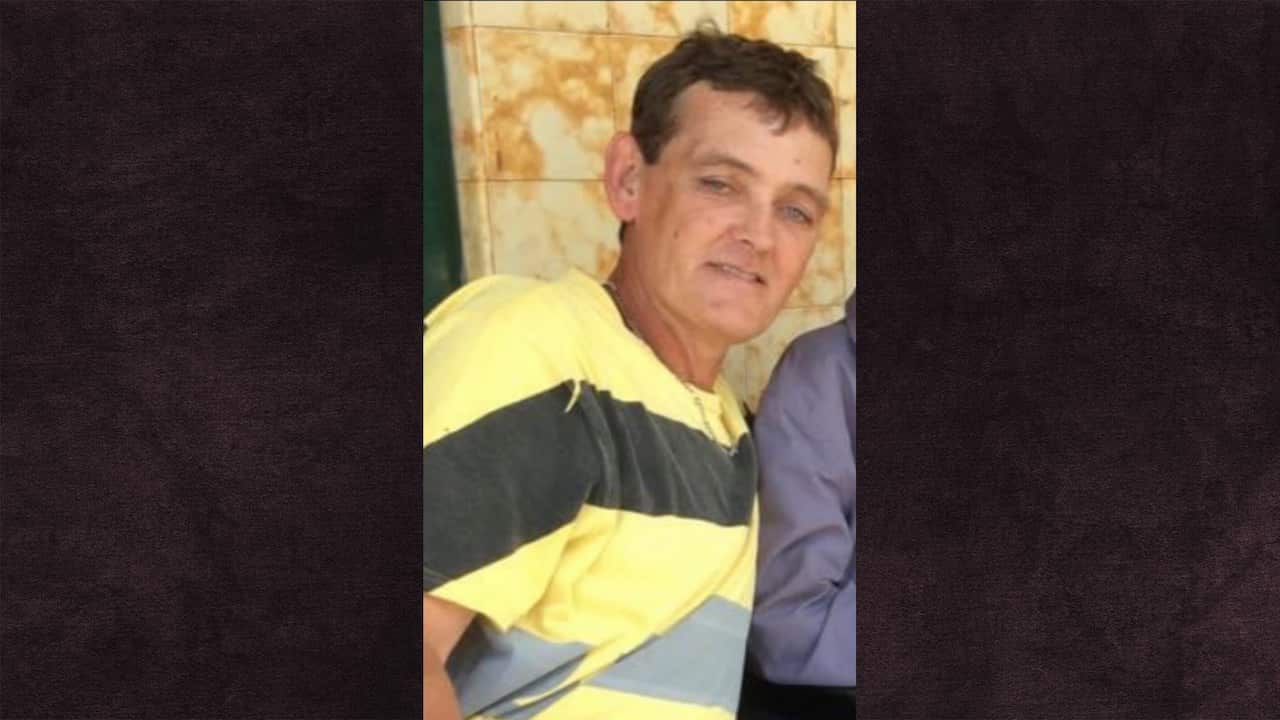
Just over three years since Yuin man Gregory Merriman’s passing, his older brother Mark remembers the phone call.
“I haven't healed from it, and I'm trying my best to," he told NITV.
"I mean, he's got his daughters, his grandkids, and he's my younger brother … I just miss him everyday.”
The inquest began last September at the Coroner’s Court in Lidcombe.
The 58-year-old suffered a heart attack in December 2022 at Silverwater's Metropolitan Remand and Reception Centre after Corrective Services Officers used tear gas to break up a fight.
Mr Merriman was alone in his cell at the time and had no part in the altercation. He was discovered unresponsive in his cell around 30 minutes after the spray was deployed.
The investigation included establishing whether deploying the chemical spray was a necessary use of force and whether the process to check the inmates' welfare afterwards was adequate.
Ahead of the proceedings, Gregory’s older brother Mark Merriman offered a smoking ceremony outside the court.
The family has been vocal during the inquest that Mr Merriman's passing should be used to force systemic change, particularly in the processes for chemical munitions like tear gas.
“I know some prison officers did try to help, and I would like to thank them, but the damage was already done”, Mark said.
“There should be a protocol.”
Coroner recommends amending tear gas instructions
While the inquest found that the use of tear gas did not contribute to the heart attack, the Deputy State Coroner Harriet Grahame has asked Correctional Services NSW to amend their procedures after it has been used.
Determining that the use of tear gas was necessary to break up the fight near Mr Merriman, she recommended that further instructions are necessary for supporting affected inmates.
These instructions include:
· Identifying inmates who are affected by gas or are otherwise in need of medical attention
· Contact required with Justice Health staff
· First aid and personal decontamination
· Decontamination of areas affected by chemical munitions (such as tear gas).
The Deputy Coroner also reflected on Merriman's early life, including navigating the trauma from childhood removal from his family under the now-repealed Aborigines Protection Act 1909 (NSW).
She also noted his desire to become a mentor for First Nations young people and be a respected Elder in his family.
The Deputy Coroner reflected that although the inquest largely focused on the circumstances of his passing, “[Gregory’s] family shared reflections on the profound meaning he brought to their lives.”

The family hope that proceedings like this can contribute to systemic improvements, preventing future harm to inmates and their families.
“Someone's [got to] put their foot down," Mark Merriman said.
"I hope the coroner puts their foot down and there's got to be change - change in jail, same as there has to be change out here."
Deaths in custody higher than ever
The inquest findings come amongst continuing community outrage over deaths in custody.
Ms Grahame reflected on last year’s comment from the top State Coroner, Teresa O'Sullivan.
In a rare public statement, Magistrate O'Sullivan penned an open letter to reflect on the “profoundly distressing milestone” that NSW Indigenous deaths in custody reached a record high in 2025.
The Deputy Coroner quoted Magistrate O’Sullivan’s words to comment on the systemic issue of First Nations over-incarcertation.
"The entrenched over-representation of First Nations people in the criminal justice system is a systemic issue … grounded in the ongoing effects of colonisation," she said on Friday.
“Until the broad causes of over-representation are properly addressed, the disproportionate number of First Nations deaths in custody will not reduce.”
Mark wants the findings and recommendations to improve the treatment of Indigenous and non-Indigenous inmates.
"Black deaths [in custody] have to stop… we've been through enough," he said.