There have been warnings this week that Indigenous Australians will be hit hard by cuts to penalty rates given a high proportion living in remote areas work in retail and hospitality.
Data from the 2011 census shows Indigenous workers are heavily concentrated in just a handful of industries, with retail and hospitality making up 15 per cent of the total. In the Northern Territory, they are the fourth and fifth biggest employers of Aboriginal people.
The Australian Council for Trade Unions (ACTU) National Campaign Coordinator, Kara Keys, told NITV News there were serious concerns about the impact of the cuts on Indigenous workers, as they already faced much higher levels of disadvantage than the general workforce.
"Indigenous workers in particular are trying to overcome levels of inequality which are at historic highs. Combined with the fact that workers outside the big cities earn lower average wages, and the Government’s disastrous Community Development Program, have created a very difficult situation for Indigenous workers. Further cuts to pay would be extremely damaging to people for whom the current system simply isn’t working," she said.
One Indigenous corporation has vowed to plow savings from penalty rates back into more hours for staff it has pledged in response to penalty rate cuts.
The Arnhemland Progress Aboriginal Corporation, which operates stores and hotels in the Northern Territory and Queensland, said while it would not continue paying penalties, it would give staff extra shifts using any savings or employ more staff where possible.
APAC CEO Alastair King said the move was to help soften the blow for affected workers.
“We made a corporate decision that any savings we make, we will invest back into additional hours for staff to make up the shortfall for staff,” he told NITV News.
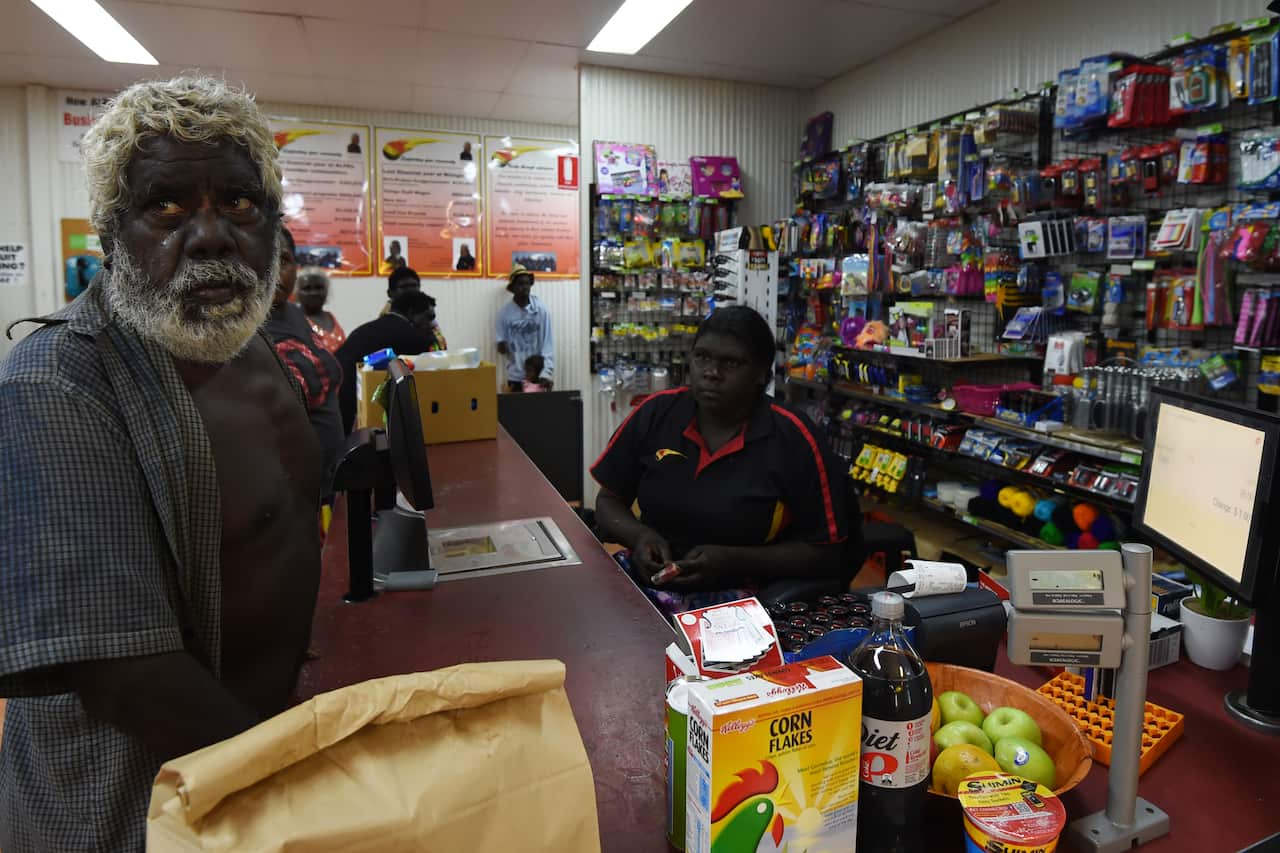
“We talked about it and we thought it’s not about the buck, it’s about Aboriginal employment - the staff that lose those rates, they can work more hours or we can employ more staff."
The Fair Work Commission made the decision to cut Sunday penalty rates from 200 per cent to 150 per cent. The changes will start taking effect from July 2017. Public holiday rates will also be changed from 275 to 250 per cent. The industries immediately affected are retail and hospitality.
Ms Keys also pointed that women and younger workers are two vulnerable groups that are overreperesented in these sectors.
“Indigenous people tend to be employed in a small number of sectors, retail and hospitality included, and within these sectors women and young people… these cuts will hit Indigenous workers, and especially female and younger Indigenous people, harder than the general population,” she said.
Mr King said there was broad concern at how the cuts would affect communities where many people often relied on one family member’s wage.
“You have to look at it overall... It’s important because there’s so few jobs in remote areas, so our staff may be the only [one with a] job in the core family, so it’s not just one person affected,” he said.
“They work for two weeks when no one else might work, and then they share it with the family."
Mr King said he feared his organisation may struggle to fill weekend shifts once the cuts take effect.
“This will have an unintended consequence, which is less people will be inclined to work those hours on a weekend and we will struggle to find people to work those hours,” he said.
“Many people work Monday to Friday, but they work weekends because they get that little extra. But now, they might go back to [working only] Monday to Friday."