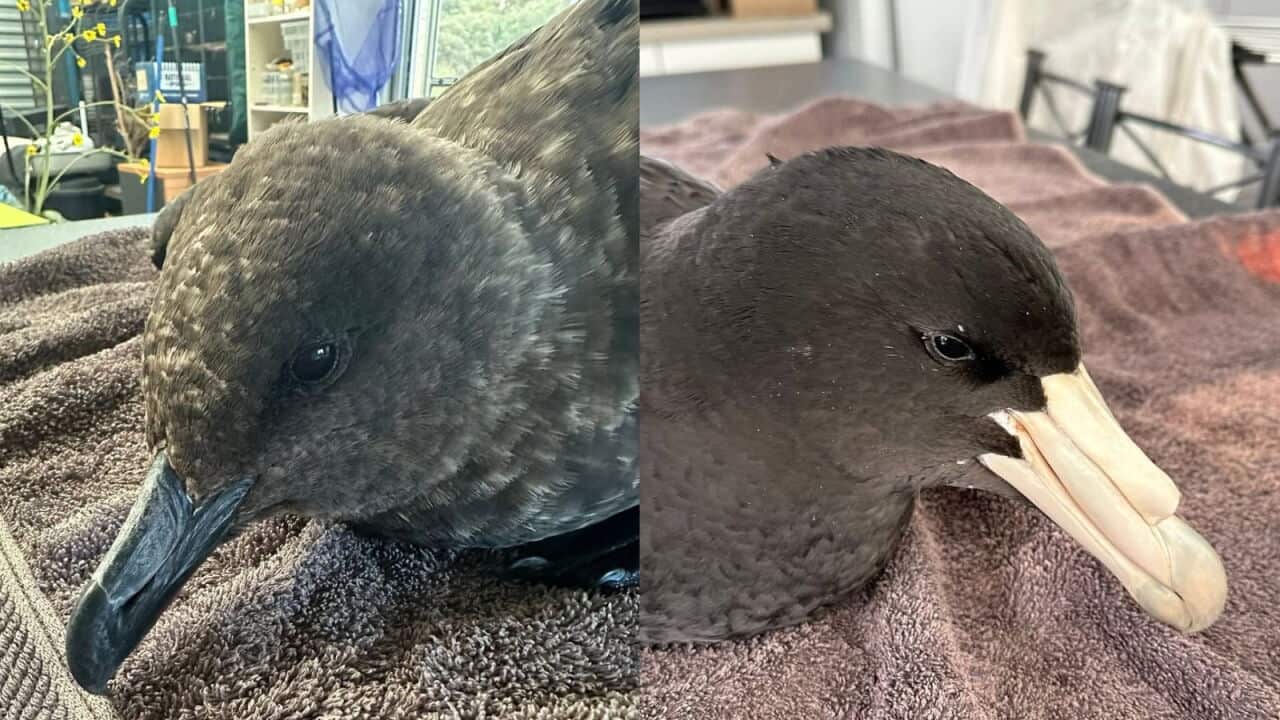
On the southern coast of Western Australia, Indigenous rangers are acting as eyes and ears monitoring for further cases of birds affected by H5N1 avian flu.
The federal environment department has acknowledged if bird flu spreads in animals in Australia, First Nations communities could be affected differently to other communities.
Australia had been the last continent free of bird flu.
But with five cases confirmed in migratory birds that have reached southern Australian shores in recent weeks, that record is gone, and there is a serious risk of it spreading to local wild bird populations.
Eyes and ears on Country
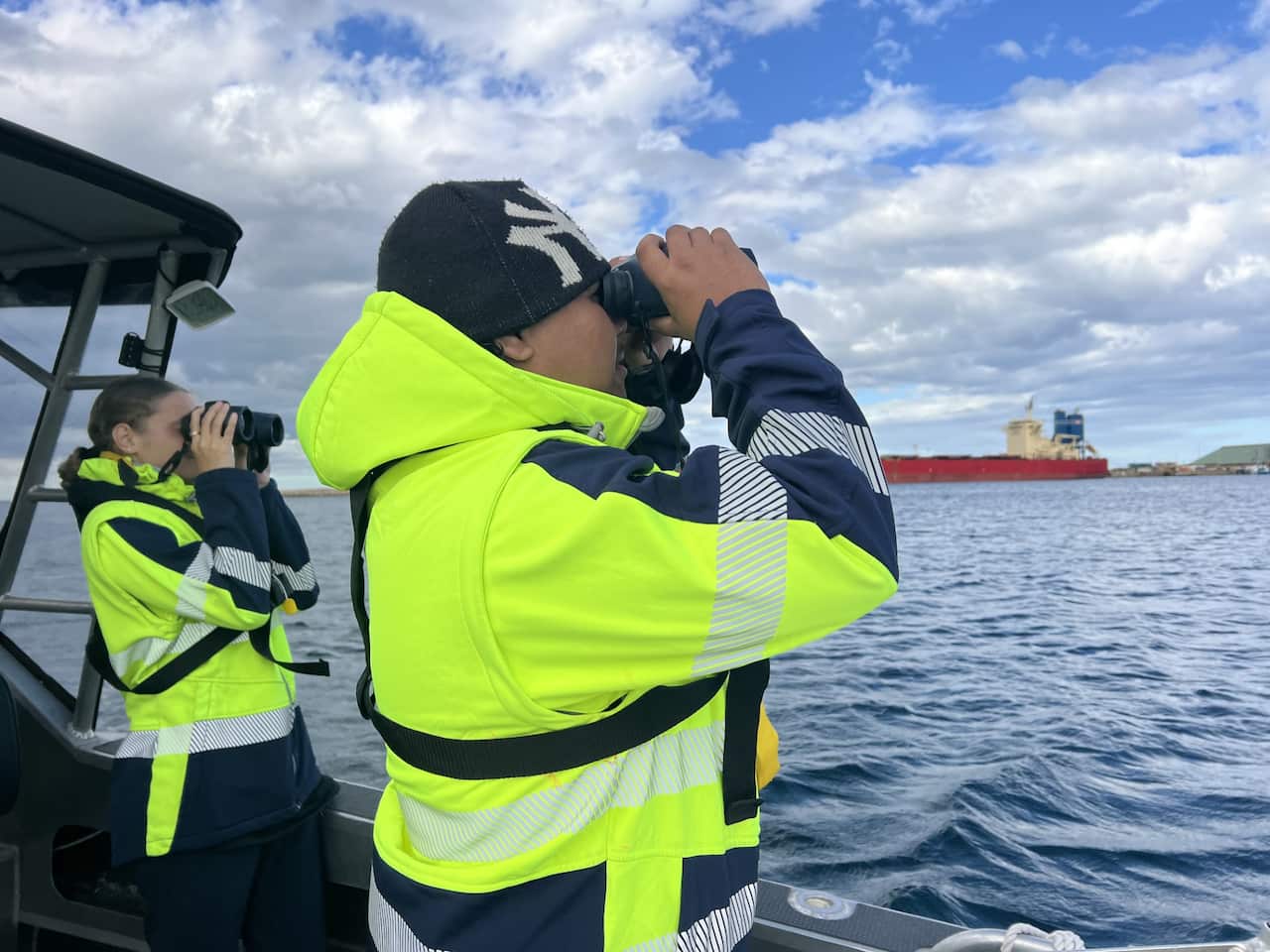
In Wudjari Country, the Tjaltjraak Rangers are monitoring the land and especially the coastline for signs of concern.
Australia’s first case of H5N1 (bird flu) was detected in a wild brown skua on a beach within Cape Le Grand National Park near Esperance, where the rangers are based.
Jennell Reynolds, coordinator of the Esperance Tjaltjraak Native Title Aboriginal Corporation’s Healthy Country program, told NITV that rangers were involved in surveillance while out on Country.
"At this stage it's observing, we don’t touch any sort of animals, whether dead or otherwise," she said.
"At the moment we are eyes and ears out on Country.
"Our native title area that we care for is at about 33,000 square kilometres of Country, so we're looking at over 300 kilometres of coastline."
Reynolds said wildlife is an important connection to Country, and while the recorded avian flu cases so far had been in sea birds, there was concern beyond the beaches.
"We work with sea lion surveys, and they're quite vulnerable because they can contract the bird flu, so that's one of those species that we're very worried about.
"If animals are feeding off dead and dying animals they could be even more susceptible ...so, you've got your raptors [and] our eagles, waalitj as we call them, so we're making sure that we're keeping an eye on them," she said.
While Reynolds understands it is low risk in terms on the virus being passed on to humans she said it was important to spread the message about good hygiene when it comes to working in nature.
"We do have vulnerable people within our households and so it’s making sure that we're doing the best practice, hygiene-wise and making sure that everyone's safe out on Country."
She said the corporation was looking at developing a short informative video for mob, which would incorporate Wudjari language.
Reynolds said if the situation did become more serious in terms of mass deaths or infections, she was hopeful there would be government support to assist rangers with additional needs.
Cultural connections
Three thousand kilometres away in Tasmania, Pakana woman and general manager of the Aboriginal Land Council of Tasmania Sarah Wilcox, is worried about the impact of bird flu if it were to arrive on Lutruwita.
Less than three months ago, community members were out on the islands off Tasmania harvesting mutton birds.
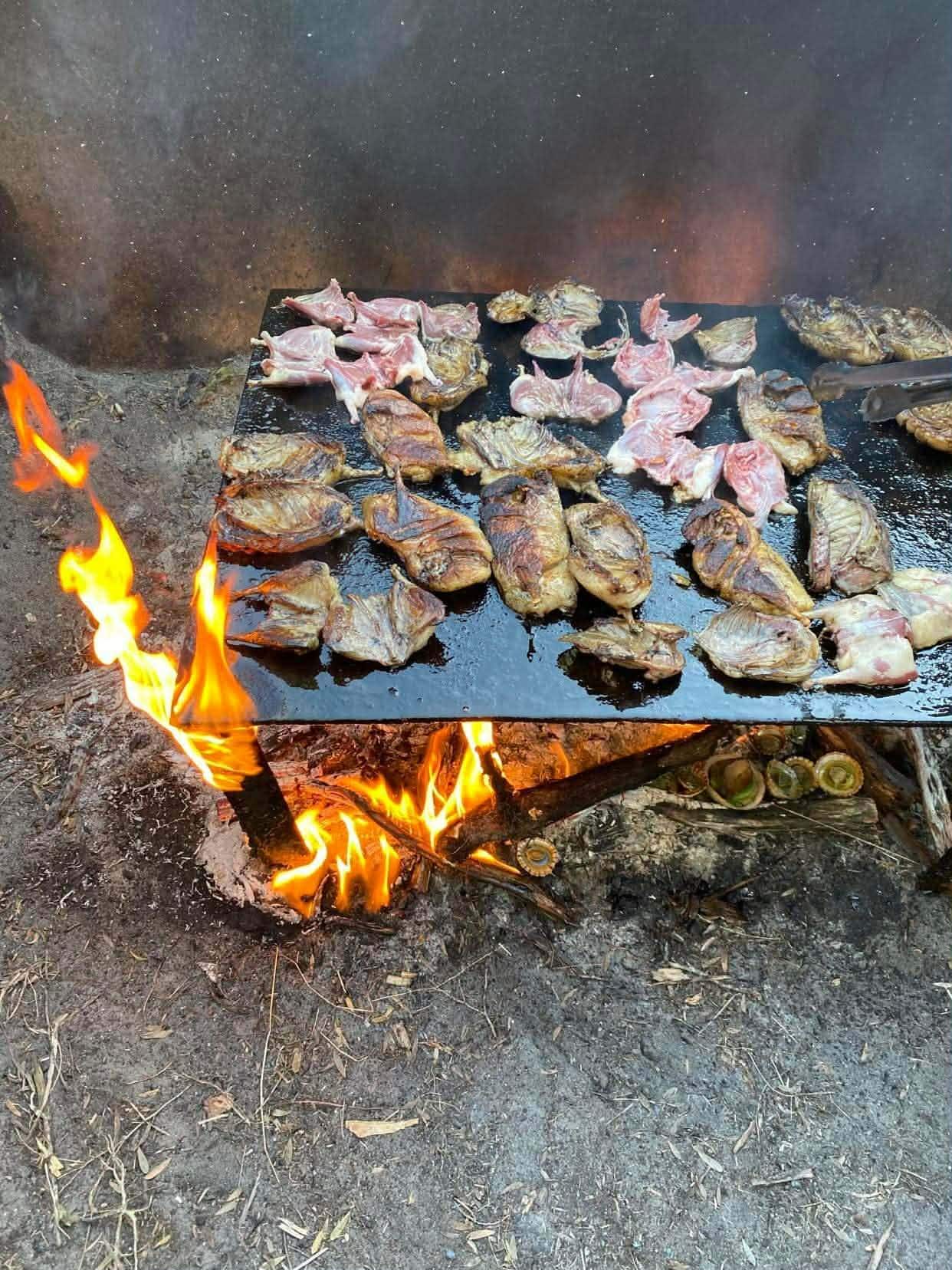
Indigenous ranger groups had been monitoring for bird flu in the lead up.
While the harvest went ahead without added precautions, Wilcox admitted it was hard to see next year’s harvest not being impacted in some way.
"We're all very concerned ... for our commercial birders it is one of the main economic activities and for families that sustains them through the year, their harvest and their businesses in selling mutton birds," she said.
Wilcox said while she enjoyed a feed of mutton bird, it was more than just food.
"I love it, it is one of our cultural foods, it’s our cultural practise, one of our longest continuing cultural practices.
"Our people have always harvested mutton birds,” she said.
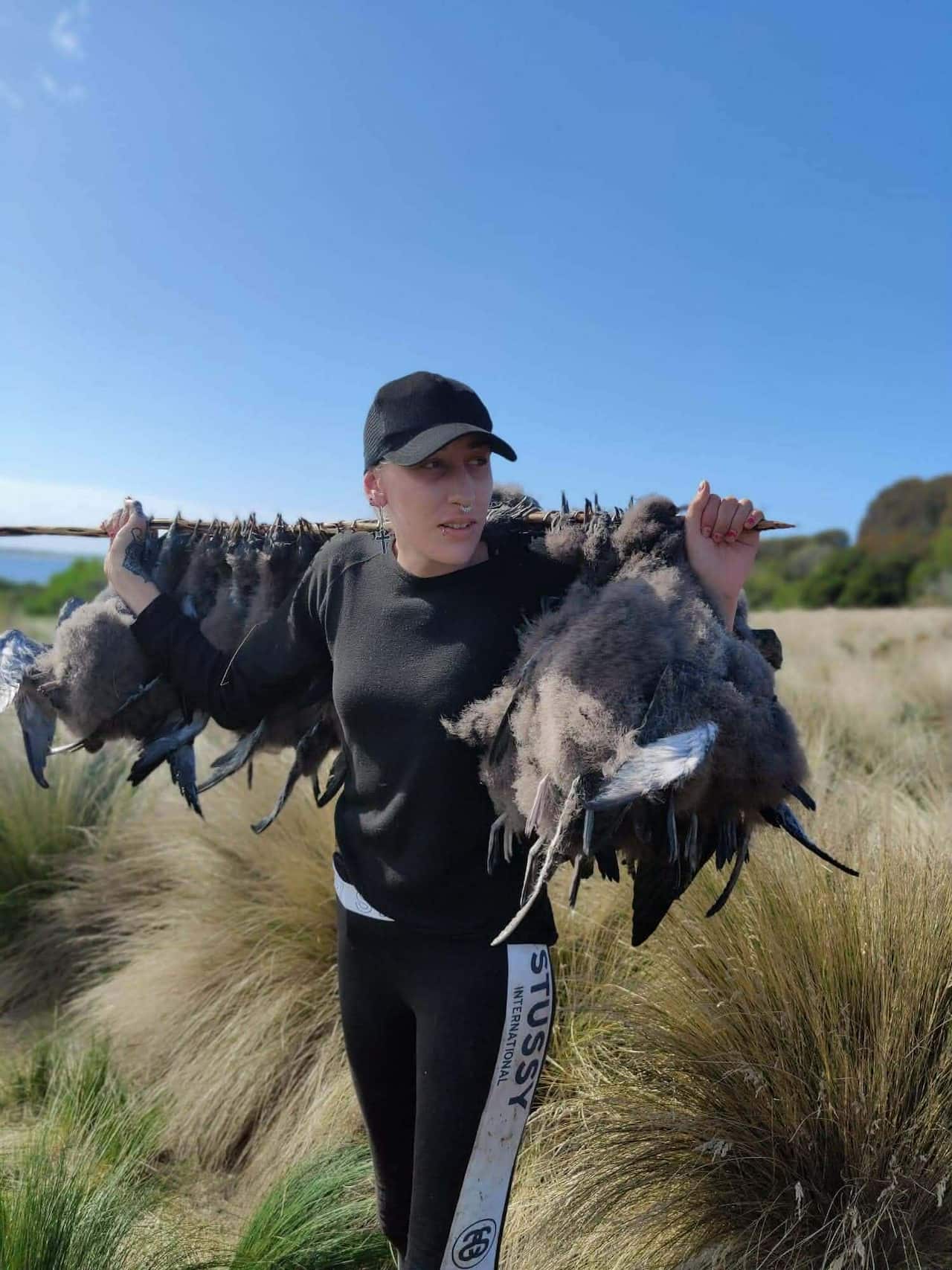
Wilcox said the Truwana Rangers, coordinated by the council as well as the Pakana Rangers and Sea Country team coordinated by the Tasmanian Aboriginal Centre, had been involved in monitoring activities, especially around Mutton birds, seal colonies and Cape Barren Geese.
"When Country is sick, we're sick. We say, 'We are Country, Country is us.'
"Any impacted Country includes impacts to our birds, animals, insects, trees, plants, everything is country, so when something is sick within that ecosystem, we all feel it,” she said.
Responding to disasters
Nell Reidy, a research fellow at the National Indigenous Disaster Resilience (NIDR) Program at Monash University, is involved in research to improve the way governments and their agencies work with First Nations communities in times of crisis.
"We look at big natural hazard events such as fires, floods and storms," she said.
"We find out what happened and if the experience of Indigenous communities is different in any way to the experience of non-Indigenous communities."
Reidy said the decision for the program to have a focus on bird flu was down to Indigenous conceptualisations of disaster, which she said research had found were much broader than non-Indigenous ideas.
"When we talk to communities about disaster, people are often talking about things that happen much longer over a much longer period than, say, a bushfire or a flooding event," she said.
"They’re talking about ... the systemic things that have occurred, colonisation, things like that."
The NIDR started looking at bird flu in 2024 when its rapid spread was observed in the northern hemisphere.
"We could see that that type of event would have similar impacts to the events that we talk to people about," she said.
While she would not comment on the government’s current activities, she said the team had been prompted to develop their own fact sheet on bird flu at the end of 2024.
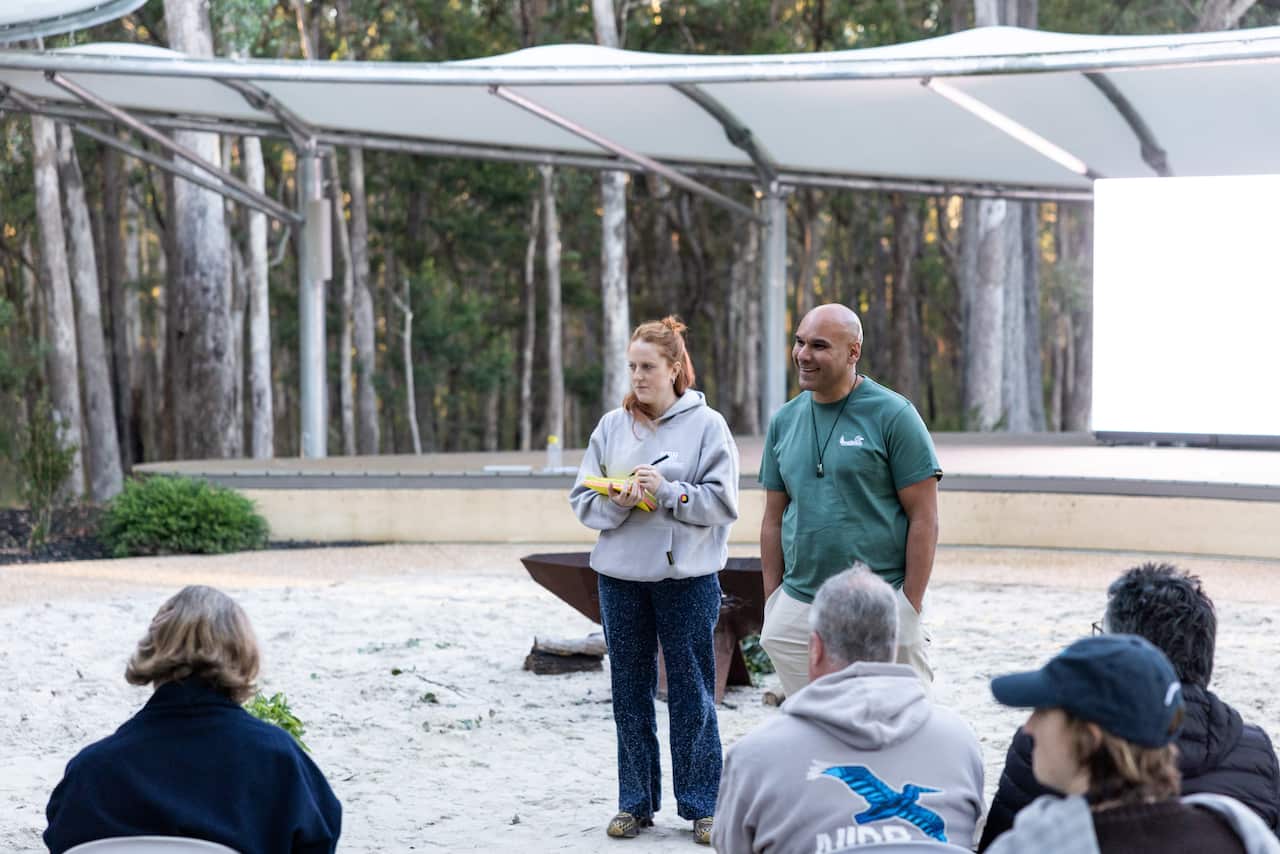
"We were really concerned that the preparatory activities by the federal government were not adequately or sufficiently considering Indigenous values, knowledge, and the cultural impacts of this event," Reidy said.
She said local context was vital in the response to bird flu in Australia if Indigenous perspectives were to be properly considered.
"The critical thing is understanding local governing processes and organisations, because we know that Aboriginal community controlled organisations, ranger groups, they are incredibly resourceful.
"They're incredibly good at mobilising quickly and effectively in times of crisis. It's really important that people are coordinating any sort of response activity with those local community organisations.
"Traditional Owners and rangers manage huge tracts of land in Indigenous protected areas, those cover millions of hectares of land and millions of hectares of sea country, so really important, I guess, to incorporate rangers and make sure that those rangers are adequately resourced to do that work on top of the work they are already doing for their country."
Reidy said messaging was really important as well.
She said she had concerns about a lack of communication tools, specific to indigenous communities and in language.
"It's really critical, particularly in those sort of areas where migratory birds are going to be arriving, you could be looking at quite remote places in a lot of parts of the country, that the people are being supported to prepare in a way that makes sense to them."
Reidy said the localised context also meant taking into account impacts that changed ecosystems and environments.
"While we're really concerned and have grave concerns for endangered species, we’re also really concerned about like local populations of birds that have seemingly high and healthy national populations," she said.
"We've seen the impacts within communities based on colonisation and the subsequent urbanisation and deforestation.
"A lot of Indigenous communities have already lost access to some of their keystone species and we've seen the impacts of that.
"So it’s really important to consider local systems of birds and animals and kin, as well as those really critical national endangered species," Reidy said.
The Department of Agriculture, Fisheries and Forestry did not directly answer questions from NITV about how Indigenous perspectives had been considered in planning for responses and management of bird flu in Australia.
However a representative from the department said Parks Australia had created education and awareness materials for First Nations communities related to Commonwealth national parks, pointed to online resources about bird flu and provided detail about the first Message Stick meeting on H5 bird flu held in conjunction with the department in February 2026 in Armidale, New South Wales.