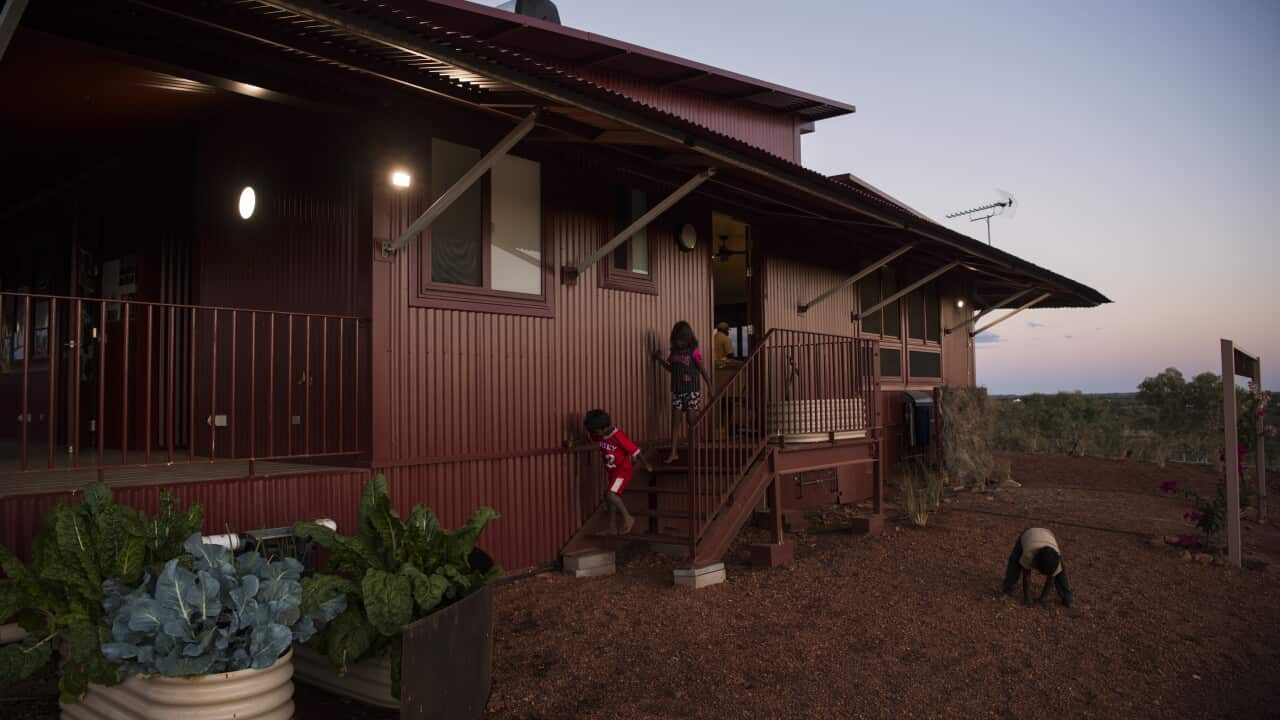
The Wilya Janta Housing Corporation has opened its first display home in Tennant Creek.
The house was designed in collaboration with the local Aboriginal people. Under the model, local community are empowered to choose what kind of place they want to live in.
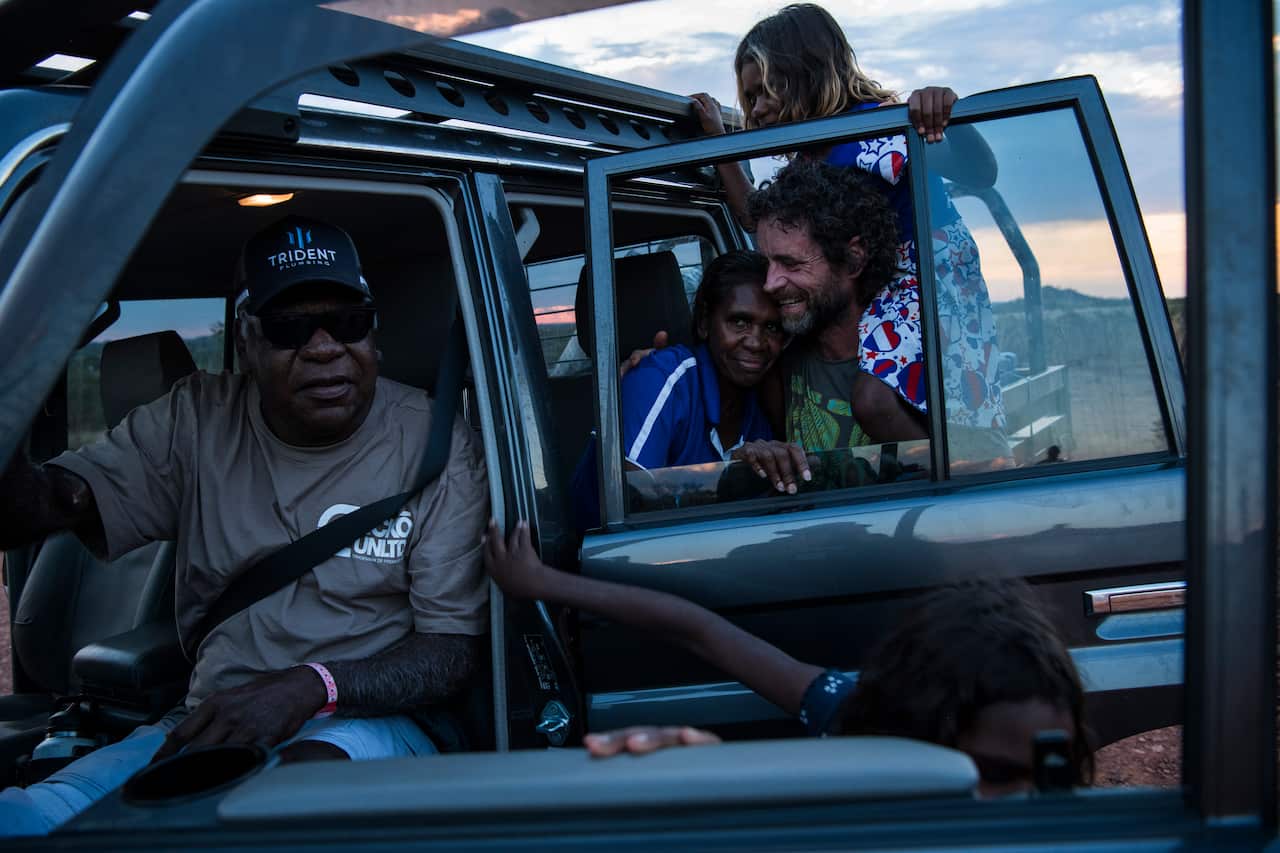
The display house is the new home of Wilya Janta Founder, Norman Frank Jupurrurla.
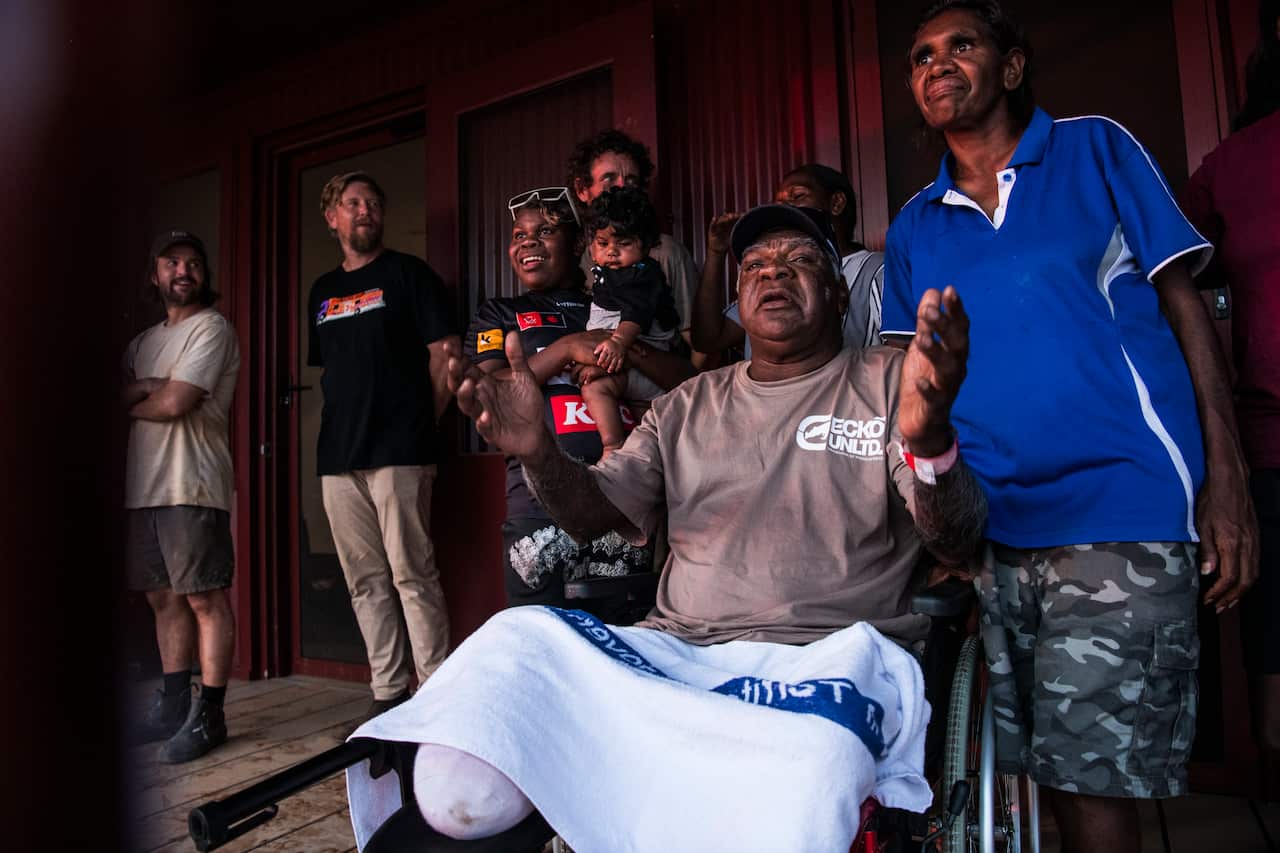
"We want to go forward. We want better housing, better way of living culturally for our people and our kids ... better health.
"That is how we are going to grow up and see our kids.”
Wilya Janta was co-founded by Northern Territory specialist Doctor Simon Quilty.
He says culturally safe houses are a guard against many preventable diseases such as rheumatic heart disease and diphtheria, which medical staff routinely see in people who live in poorly maintained public housing.
Dr Quilty says public houses weren’t safe for parents or their children.
“They had no cultural safety, there was no agency in the parents that lived in that house ... they were oppressed by those houses.”
The new home is built from mud bricks made locally in Tennant Creek using spinifex and termite mounds.
The house is built in a way that regulates temperature, designed to be cool during the hot summers and warm during freezing nights in the desert.
A large living space is designed around cultural protocols, like respecting avoidance relationships.
Outdoors there is a fire pit area for the use of smoke for cultural cleansing.
The layout also reduces the overcrowding, a determiner of disease spread that is prevalent in remote communities.
“This is the way of empowering local Wumpurani decision making and Wumpurani people designing their houses for what they want and what's suitable for their family and their culture and their environment,” said Wilya Janta Chief Cultural Officer Jimmy Frank Jupurrurla.
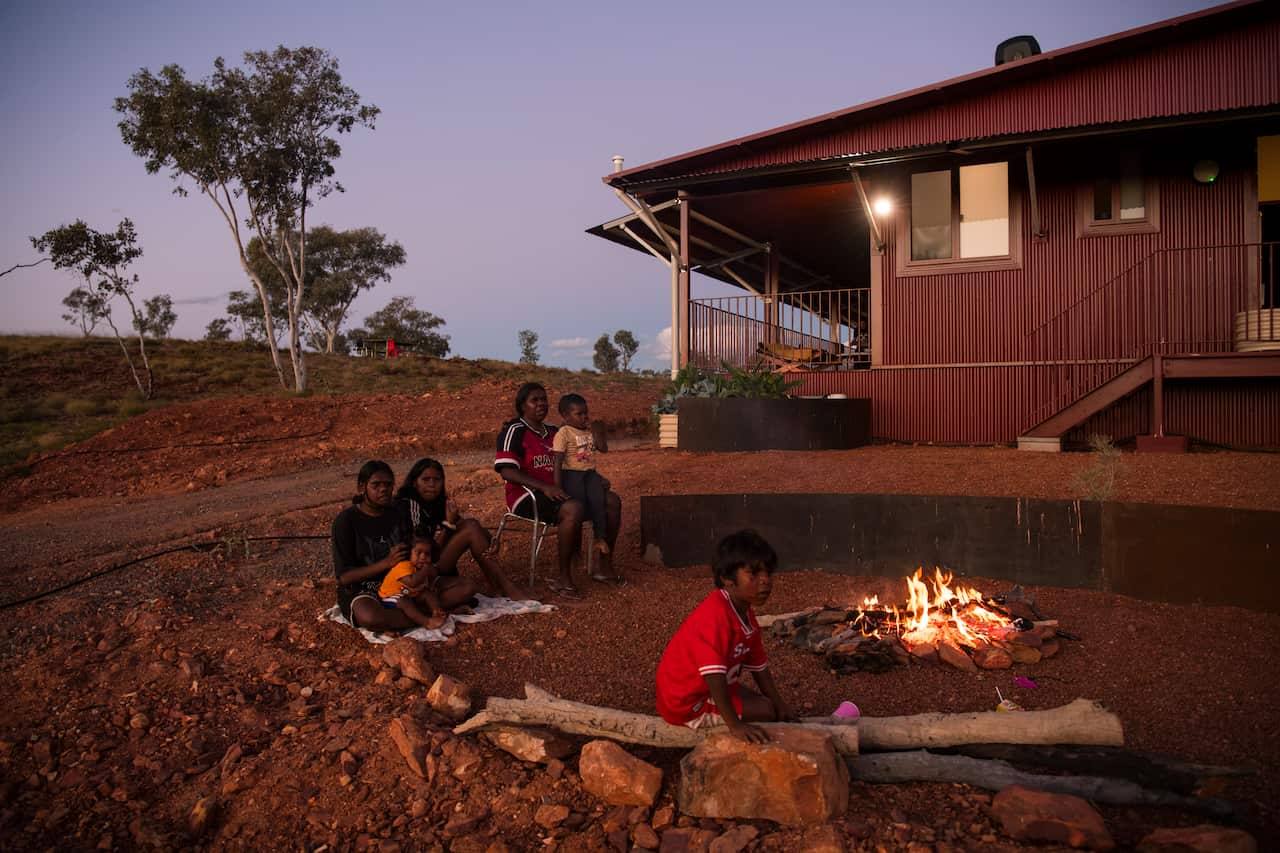
The local Wumpurani people collaborated with scientists, builders and architects using local knowledge to build houses that are resilient to climate change.
“For a Warumungu person from a small community with English as our second language, it's a huge step for us to sit and design a house alongside architects, working together with papulanji (non-Aboriginal people) to make our lives and community better,” said Jupurrurla.
For Wilya Janta, the first house they have built in Tennant Creek is more than a design home; it's an "explain home".
'How do you want to live?'
It shows what is possible when people ask the community what they want and need, instead of building public housing that isn’t suited to the people or the environment.
Wilya Janta started by asking people a simple question: “how do you want to live?”
For decades, we've been building houses in remote communities that don't work then blaming the people living in them," said Dr Quilty.
"This flips that.”
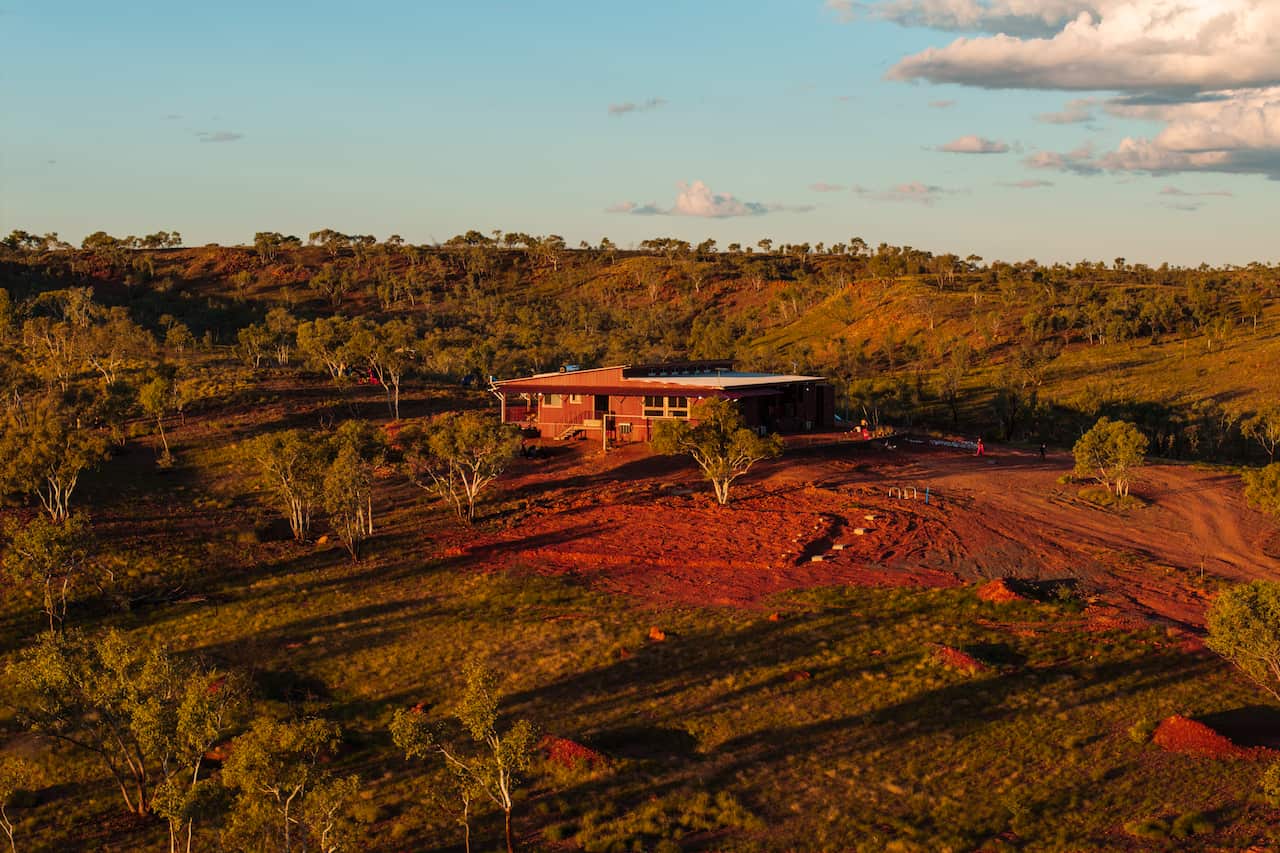
The home was officially opened by the federal member for Lingiari, Marion Scrymgour.
She told the crowd at the housewarming that “we have to listen to the people, and I think this house is an example of what a lot of our community want to see.”
Wilya Janta wants governments to see the finished home and look at the finances to realise that building a home that is culturally and environmentally sensitive, while consulting the community, is both possible and comparable in the cost of building traditional public housing.
Wilya Yanta’s Kat Williams says “as a future CEO, emerging CEO we're really looking forward to facing these challenges and making a positive impact for my community and hopefully one day beyond this community.”