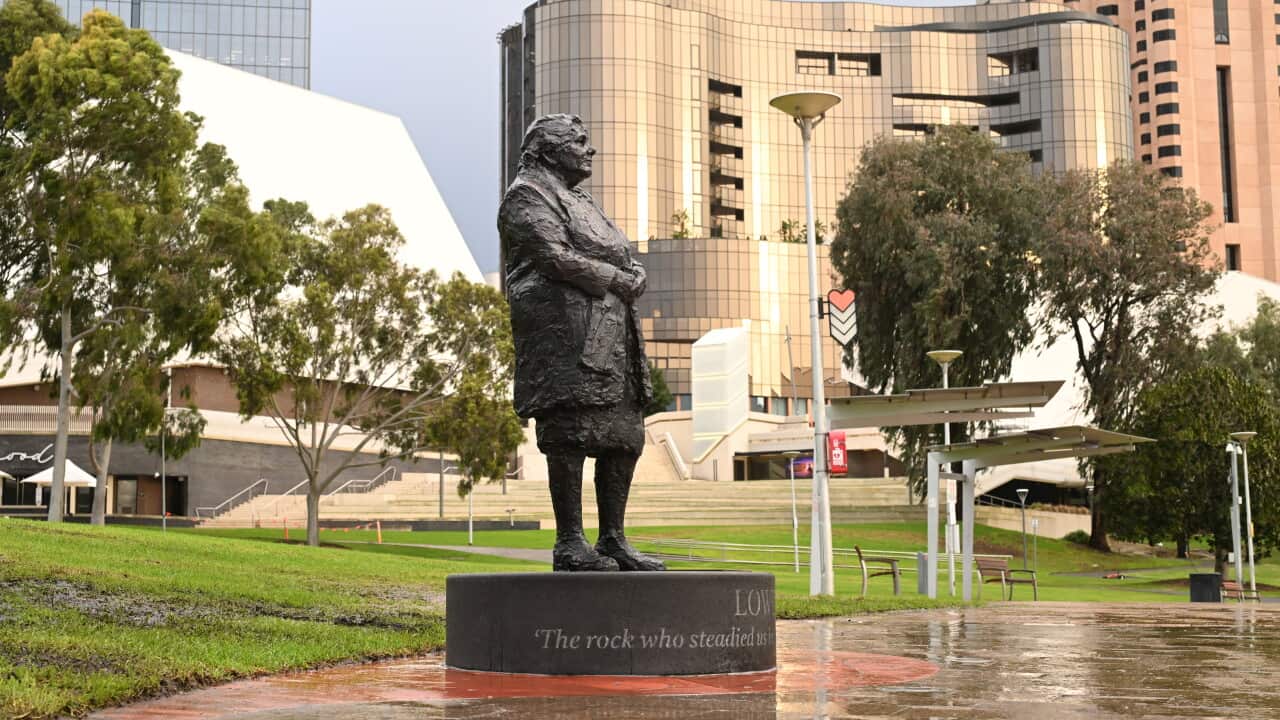
The legacy of trailblazing Indigenous advocate Dr Lowitja O’Donoghue has been honoured in Adelaide, with a statue of the Yankunytjatjara woman unveiled on Tuesday at Tarntanya Wama, or Elder Park.
Dr O’Donoghue lived a life of firsts: she was the first Aboriginal person to train as a nurse at the Royal Adelaide Hospital, the first to address the United Nations, and the inaugural Chair of the Aboriginal and Torres Strait Islander Commission (ATSIC).
The life-sized bronze statue by Robert Hannaford is also the first of six planned to celebrate South Australia's Aboriginal trailblazers, in a bid to bring more balance to the histories commemorated in public space.
“I can foresee the sense pride for young Aboriginal people, who come to the centre of their capital city and see themselves reflected better in public spaces for the first time, to see these sorts of statues of their people, their culture and the immense achievements they represent,” said South Australia’s Deputy Premier, Kyam Maher, a proud Aboriginal man.
Elder Park sits within a prominent precinct, opposite South Australia's National War Memorial.
Dr O'Donoghue's niece, Deb Edwards, said she hopes the statue helps spark public curiosity, conversation, and greater awareness of Aboriginal excellence.
Head of the Lowitja O’Donoghue Foundation, Edwards said three generations of family were at the unveiling.
"My niece Mahailia did the artwork at the base of the statue, which includes our totem, the owl, so that's very special," the Yankunytjatjara woman said.
“We've even got one of our little great nieces here, who's eight years old, and you know, it's important for them to learn about the work that their nana did."
Honouring an extraordinary life
Dr Lowitja O’Donoghue was born in 1932 near De Rose Hill in South Australia, before being removed from her mother and taken to Colebrook Children’s Home at Quorn.
In her early 20s, Dr O'Donoghue was denied entry to train as a nurse at the Royal Adelaide Hospital due to racism - so she joined the South Australian Aborigines Advancement League and lobbied then-premier Thomas Playford for his support.
She went on to achieve a triple certificate in nursing, midwifery and mental health, which she used to support communities in remote and regional areas of South Australia, and overseas.
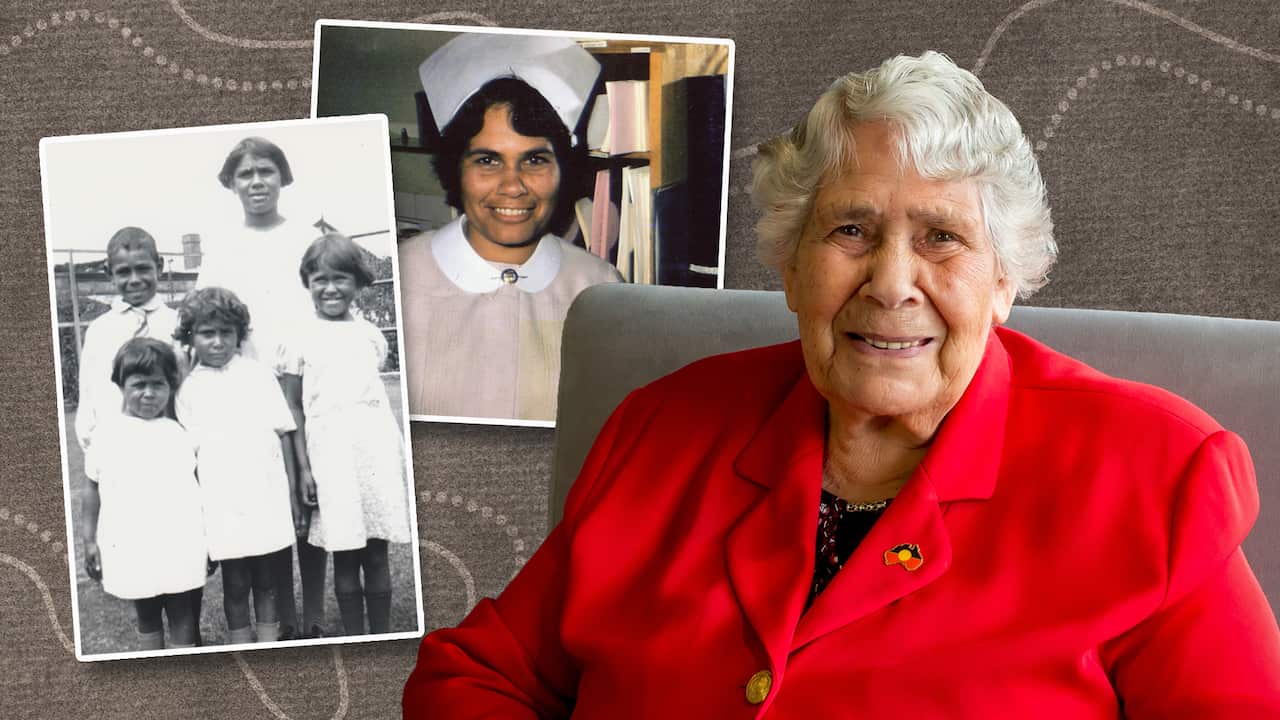
Dr O’Donoghue continued this activism throughout her life, campaigning for the 1967 referendum, lobbying the Keating government to recognise Indigenous land ownership through native title, and advising on the apology to the Stolen Generations.
She also broke through barriers in the public service, holding a series of senior jobs.
Dr O'Donoghue also helped establish early Aboriginal representative bodies, community services, and the Lowitja Institute, Australia’s only national Aboriginal and Torres Strait Islander health research institute.
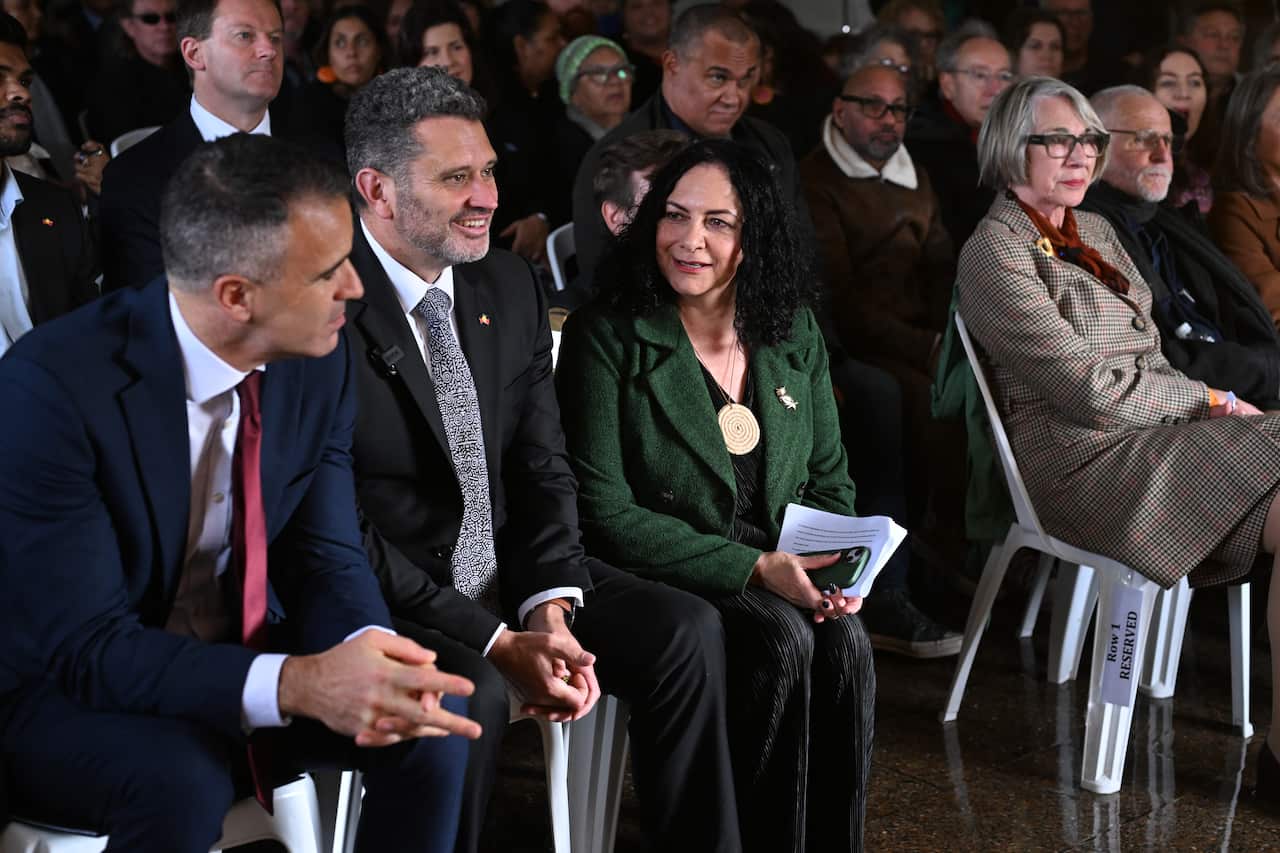
Unveiling the statue on Tuesday, South Australian premier Peter Malinauskas said Dr O’Donoghue was “one of the most exceptional women this country has ever known”.
"A woman with a voice that refused to be silenced and a generosity of spirit undiminished by the deprivations of her childhood – that tenacity and resilience has become the stuff of legend.”
By the end of her life, in 2024, Dr O’Donognue had been recognised as Australian of the Year, named a National Living Treasure, honoured as a dame by the Pope, and commended with the NAIDOC Lifetime Achievement Award.
More statues to come
Dr O’Donoghue is the first of six Indigenous trailblazers to be honoured with statues in South Australia.
The state government has allocated $1 million in funding for the series, which will also celebrate the legacies of David Unaipon, Gladys Elphick, Garnett Wilson, Dr Alice Alitya Rigney and Yami Lester.
Work on the next statue is reportedly underway.
“She’d be proud to be alongside the other people who are going to be memorialised, because she had a lot of respect for them, and a lot of them, she was very close to,” Deb Edwards said.
Deputy Premier Kyam Maher said the initiative will promote reconciliation.
“To have these statues located in such a prominent location where hundreds of thousands of people traverse will elevate curiosity and questions on who these remarkable people were, leading to a greater understanding of Aboriginal history, contribution and achievement,” he said.