First Nations tourism in Australia is a relatively young industry, but experts say there is growing interest in authentic experiences from Indigenous operators.
Waljen woman and marketing researcher from the University of Adelaide, Dr Skye Akbar, focuses her research on Indigenous tourism.
She said prior to Indigenous-led tourism offerings, earlier businesses played into the idea of "human zoos."
This meant tourism operators were fighting against past practices and stereotypes.
"Unfortunately, from a marketing and branding perspective, Aboriginal and Torres Strait Islander people have had a really hard time advocating to have their industry seen as the wonderful and remarkable and authentic product that it is," she said.
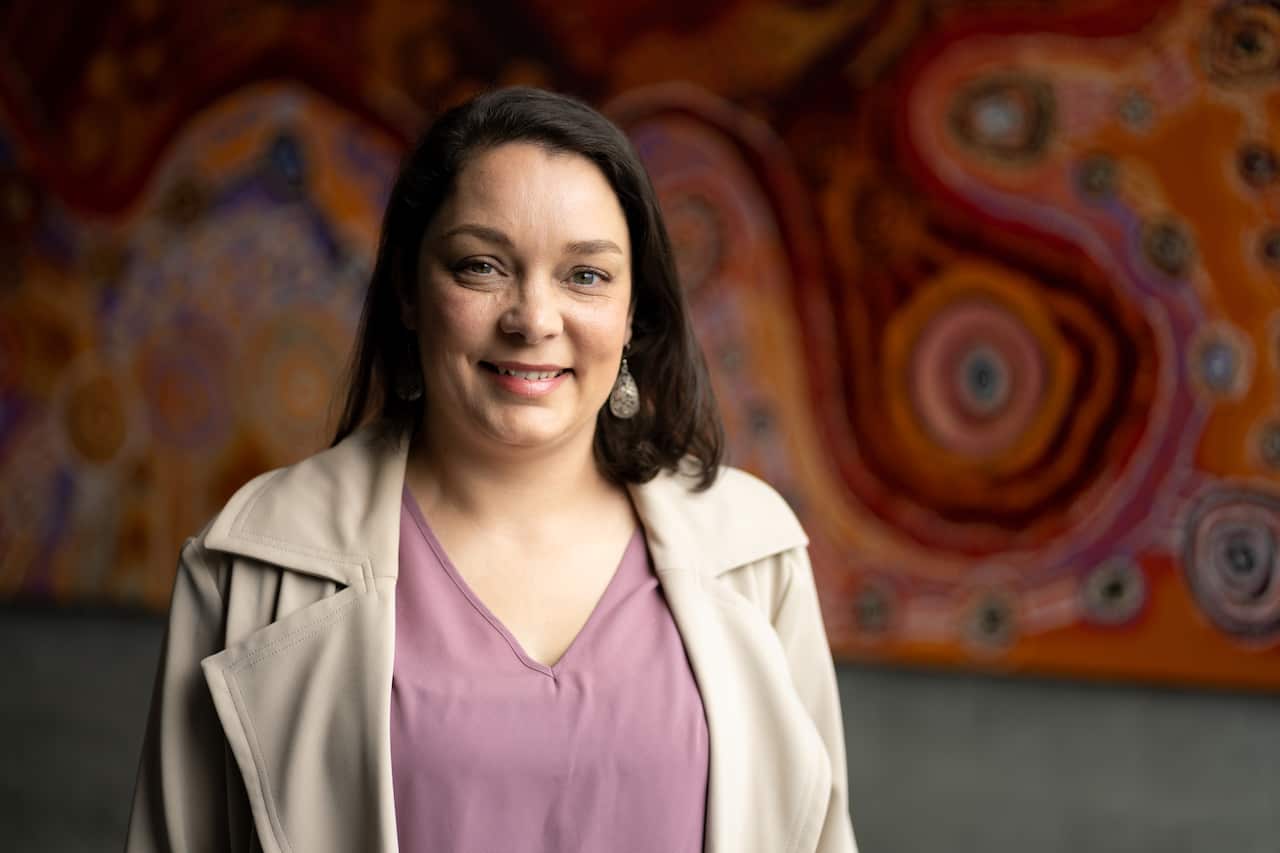
Western Australian Indigenous Tourism Operator Council (WAITOC) chief executive Robert Taylor said while it had been a long road for those treading it, in many ways it was a relatively new industry.
"Before the 1967 Referendum, just before my lifetime, Aboriginal people weren’t allowed to have a business or own a business, it just wasn’t on the radar to do that," the Nhanda man from the Yamaji nation in WA’s Mid West region said.
WAITOC’s own patron, the late Sam Lovell, was credited with opening the first Aboriginal tourism business in Australia in 1981.
On the opposite side of the country, Tjapukai Aboriginal Cultural Park in Cairns, which opened in 1987, is considered the longest-running Aboriginal tourism business in the country.
Challenges and misconceptions
Taylor said today there was increased interest in bush food and bush medicine, as well as story telling.
Dr Akbar said operators faced challenges in terms of what tourists may have in mind when they think of Indigenous tourism and what the reality is.
She said there was a period in time where western societies may have thought in the terms of "natives being either savage or some sort of almost environmental spiritual goddess."
"That made it tricky for the Aboriginal and Torres Strait Islander tourism operators because obviously no one is those things," she said.
Dr Akbar said today Indigenous tourism was most often framed as being either educational or adventurous.
"That can be a challenge for the operators who offer more luxurious stays, and more relaxing and regenerative stays.
"They can have a hard time sometimes getting people to believe or understand that, if you're thinking of a holiday, you can think of Aboriginal tourism in every category," she said.
Akbar also said with increased interest in First Nations tourism came competition from operators, some of whom are not Indigenous.
"Anyone can really say that they have Aboriginal tourism and market themselves in that way."
"We are in a position where we need the customers to be somewhat discerning," she said.
Looking to the future
While WAITOC has been around for more than 20 years and similar councils have been set up in other states, Taylor says a national body is needed to grow First Nations tourism.
Last year he was named chair of a First Nations Visitor Economy Partnership, which meets four times a year.
It is working on creating a permanent national representative body, which it hopes to establish by the end of the year.
Indigenous led tourism in Sydney received increased interest in the year 2000, when the city hosted the Olympic Games and Taylor is hopeful the Brisbane 2032 games could also provide increased opportunities.
"Coming up to the Olympics in 2032, I think there's a fair bit of development work that needs to be done and it needs to be started now," he said.