Boats line the shores of Friday Island as eager volunteers arrive from surrounding islands to clean up marine debris.
Island beats bounce across the beach, lifting the mood of over 80 environmental stewards working to collect rubbish.
Others cut up juicy watermelon while some are frying eggs and sausages on a barbeque to feed the masses.
Children run and play, laughing and tackling each other playfully into the crystal blue waters.
This is how a beach clean-up looks in the Torres Strait.
It’s the second year in a row the huge family-fun, community clean-up day has run.
Owner at Island Stars Café and event co-partner, Joey Laifoo, said the idea for the day grew from a conversation with the young people he mentors.
“We had a yarn with them young Island stars boys, [who were asking], ‘what can we do’ ?” he said.
Caring for Country, Passing down the knowledge
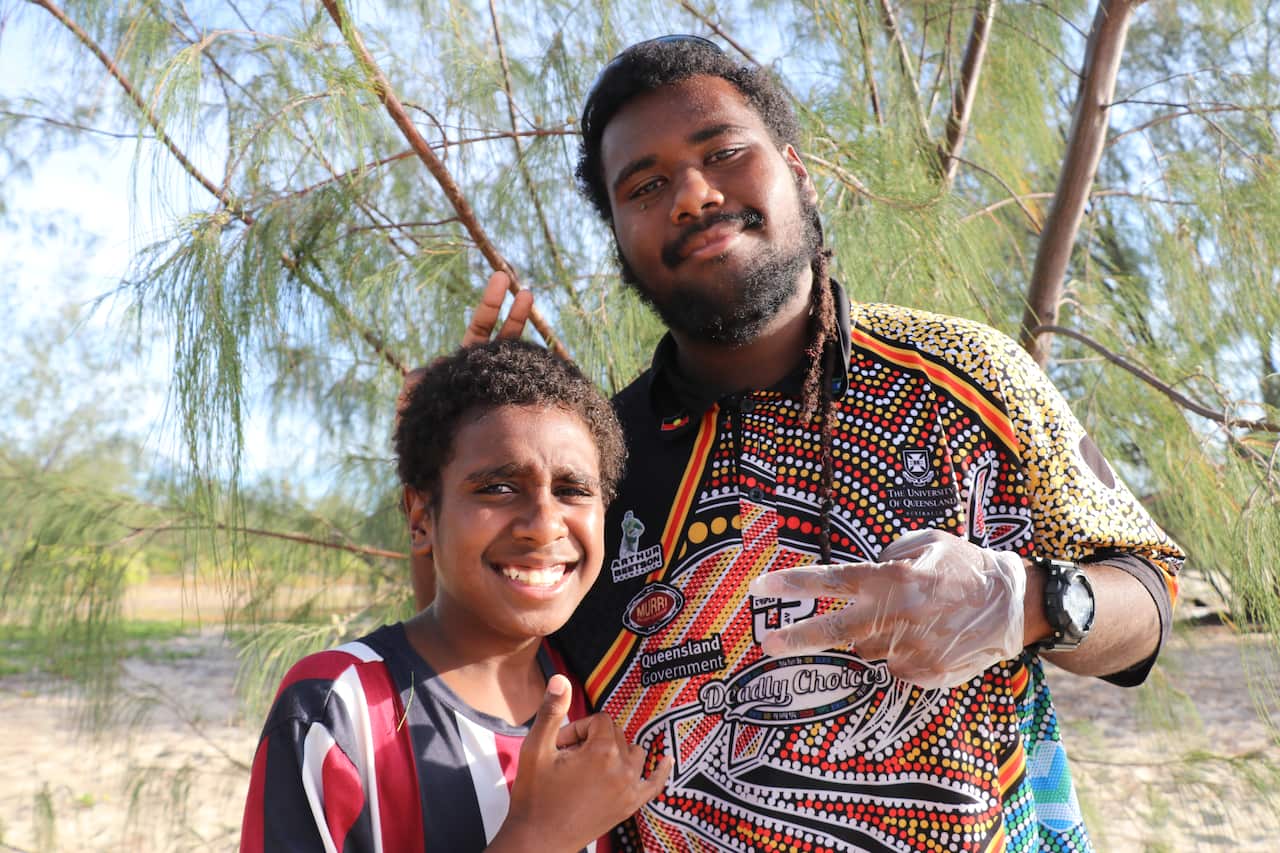
“We made our thing that we come and clean up Friday Island and look after Country, because we live on here, and they all jumped on board,” he said.
“Our future is our young ones, so we’ve got to invest our time into them, to help them out,” he said.
Mr Laifoo said the events were a way of passing down knowledge of Caring for Country.
“They’re helping the environment, ‘e ‘notherkind important that we’re turning up and making it exciting for [young people and] welcoming to them this area here.”
Mr Laifoo said the event was entirely run on donations and volunteers.
“We didn't need thousands of dollars to run the event, it's just a community all chipping in and helping out,” he said.
“That makes it easier, when you have a community behind you.”
Armed with gloves, buckets, bags, hats and sunscreen, the debris taskforce covered 135,000 square metres in just a couple hours.
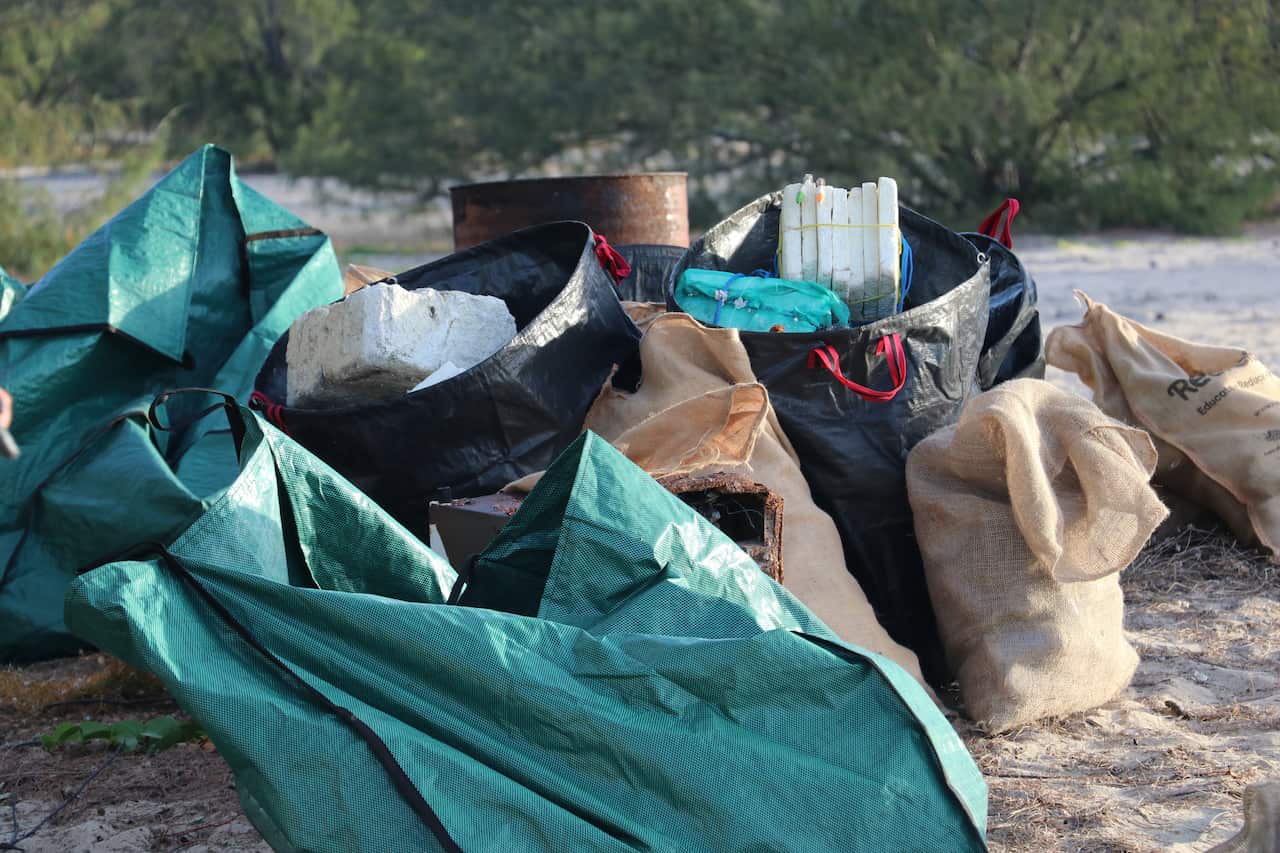
They collected several green waste bags full, weighing a massive 411kgs – 61 kilograms more than last year.
Young volunteer, Zion Guligo said he had fun and the community efforts made him proud.
“If we didn't make this happen, we wouldn't be caring about all this plastic and [protecting] all the turtles in the sea – all them sea animals.
“If the plastic is gonna get to them, they're gonna eat it and they're gonna die and culturally that is bad.
“We have to pick up the rubbish and pass the knowledge down to the next generation and show them how it's done.”
Another young volunteer Samlico Zitha said Torres Strait Islanders hunted to survive and he said he didn’t want to see rubbish harming the environment.
“We can find food anywhere in the islands – as simple as a pipi shell on the beach or you can climb up a coconut tree and eat coconut or drink coconut water,” he said.
“You don't want to go to the beautiful beaches of the Torres Strait and see all the rubbish just laying around, it really makes it not beautiful.
“If I could do something to make the world a better place, I would start by picking every rubbish I see really.”
Combining technology with traditional knowledge
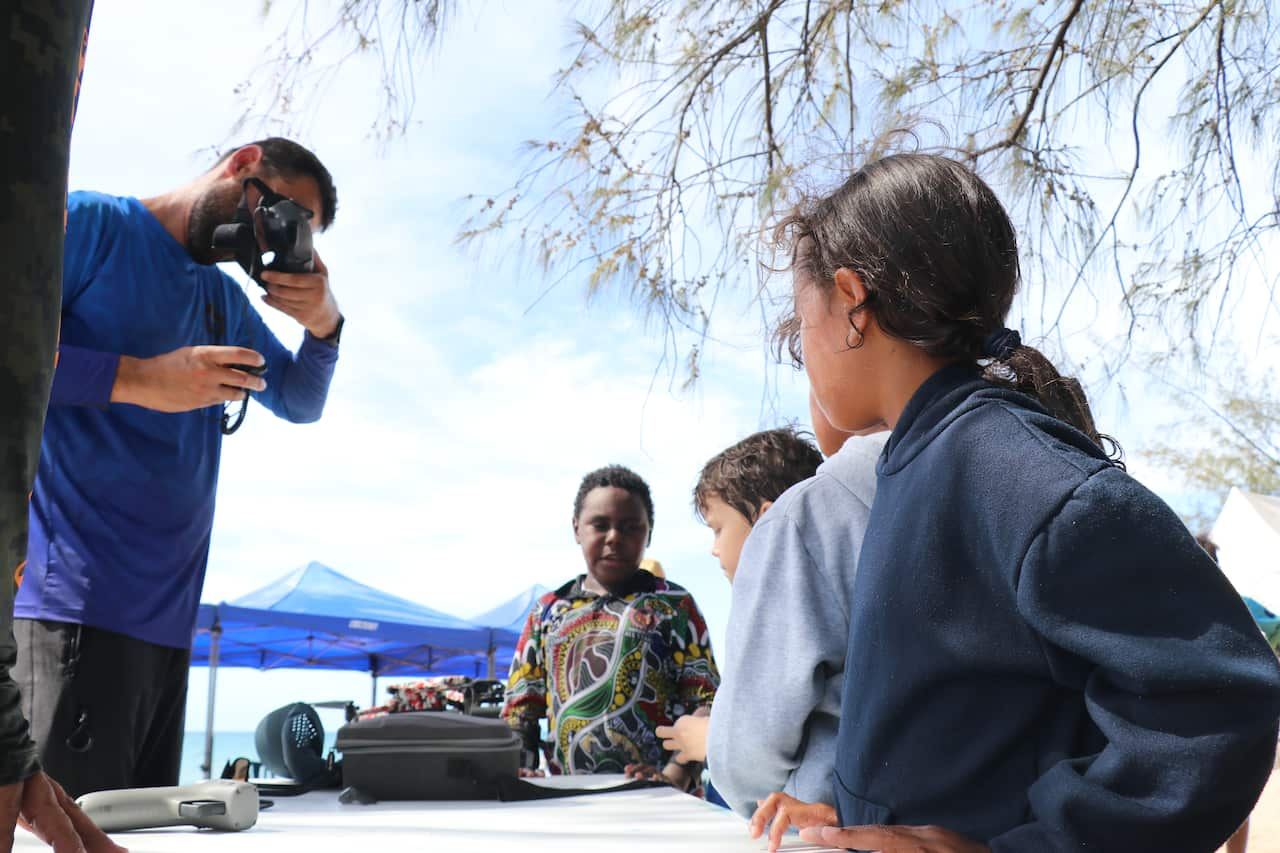
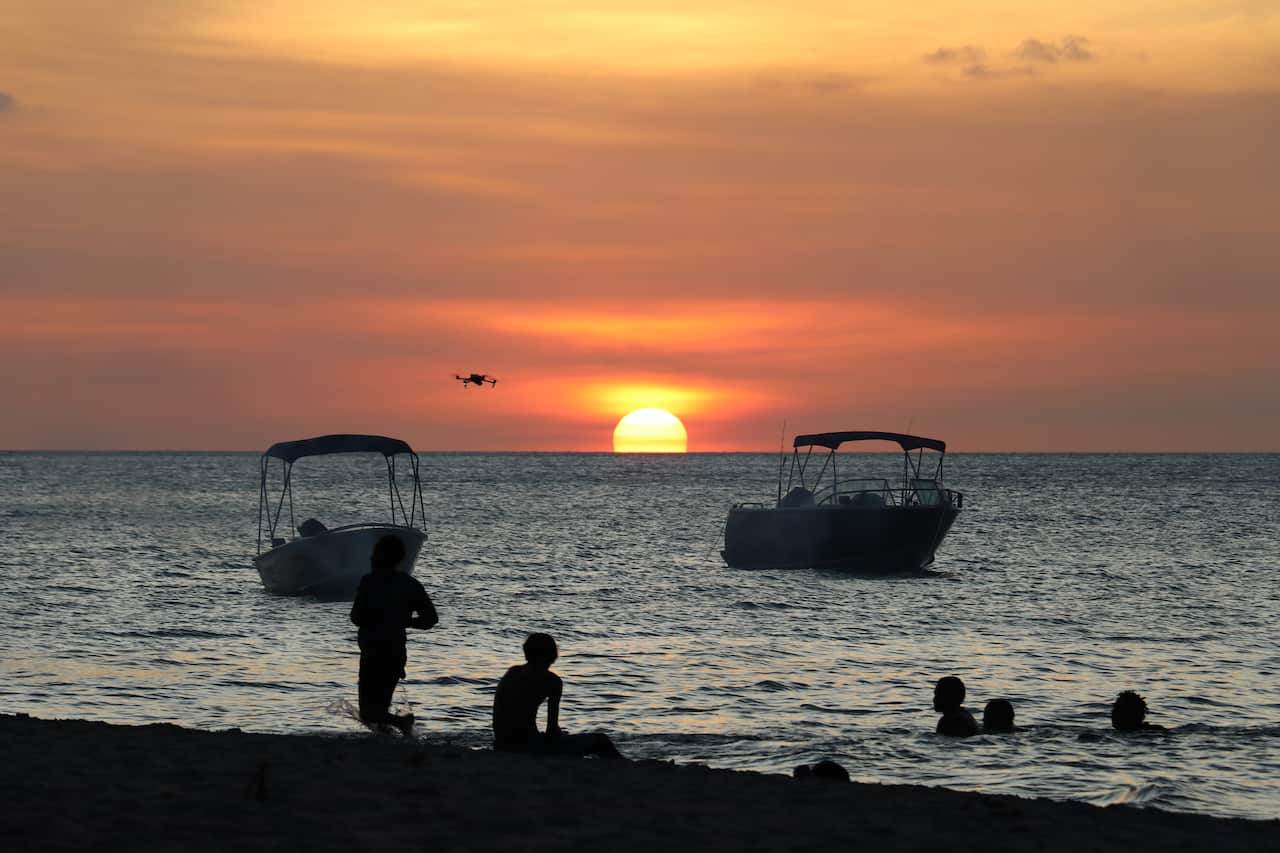
Salty Monkeys founder and event partner Dennis Faye helped organise fun activities for the day which included flying drones, flare training, raffles and giveaways.
He said Salty Monkeys had operated a marine debris task force in partnership with the Torres Strait Island Regional Council for some time and drones made the work more efficient.
“We've got one specialised drone that's going to map out this whole area, take a whole heap of images that we can feed into a AI model,” he said.
Mr Faye said combining technology with traditional knowledge strengthened the marine task force and its impact.
“[Drones] can help us count all of the debris and we can look at hot spots in the area,” he said.
“We can have a look at where all the debris is washing onto.”
Salty Monkeys have been doing clean ups on many of the outer islands as well, in addition to assisting with ghost net retrievals.
Mr Faye said the debris at Friday Island would be counted and monitored from year to year from now on, thanks to the growing interest in the community.
“Doing these cleanups is like a treasure hunt but unfortunately for us, a lot of it is foreign debris – we could say at least 90%,” he said.
“We'll be proving that today, when everyone sees that there's all of these different types of language and writing on the bottles and all of the debris.”