I believe this was, and is, and always will be, Aboriginal land. I believe that we come together on the country of the Gadigal people of the Eora Nation.
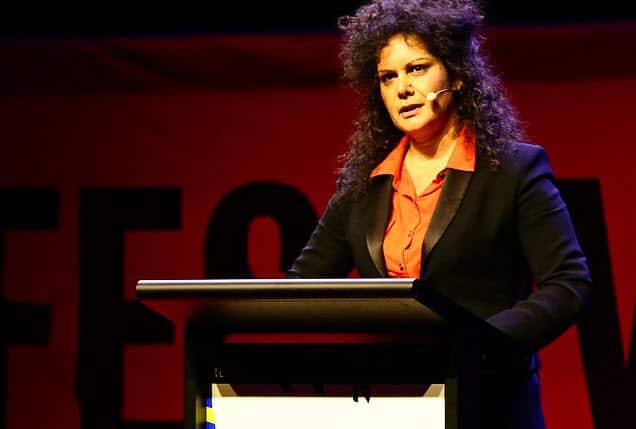
We need to empower our First Peoples and ensure we receive the dignity of our basic human rights, said proud Yanyuwa woman and NITV News senior journalist Malarndirri McCarthy at Sydney Opera House’s Festival of Dangerous Ideas over the weekend.
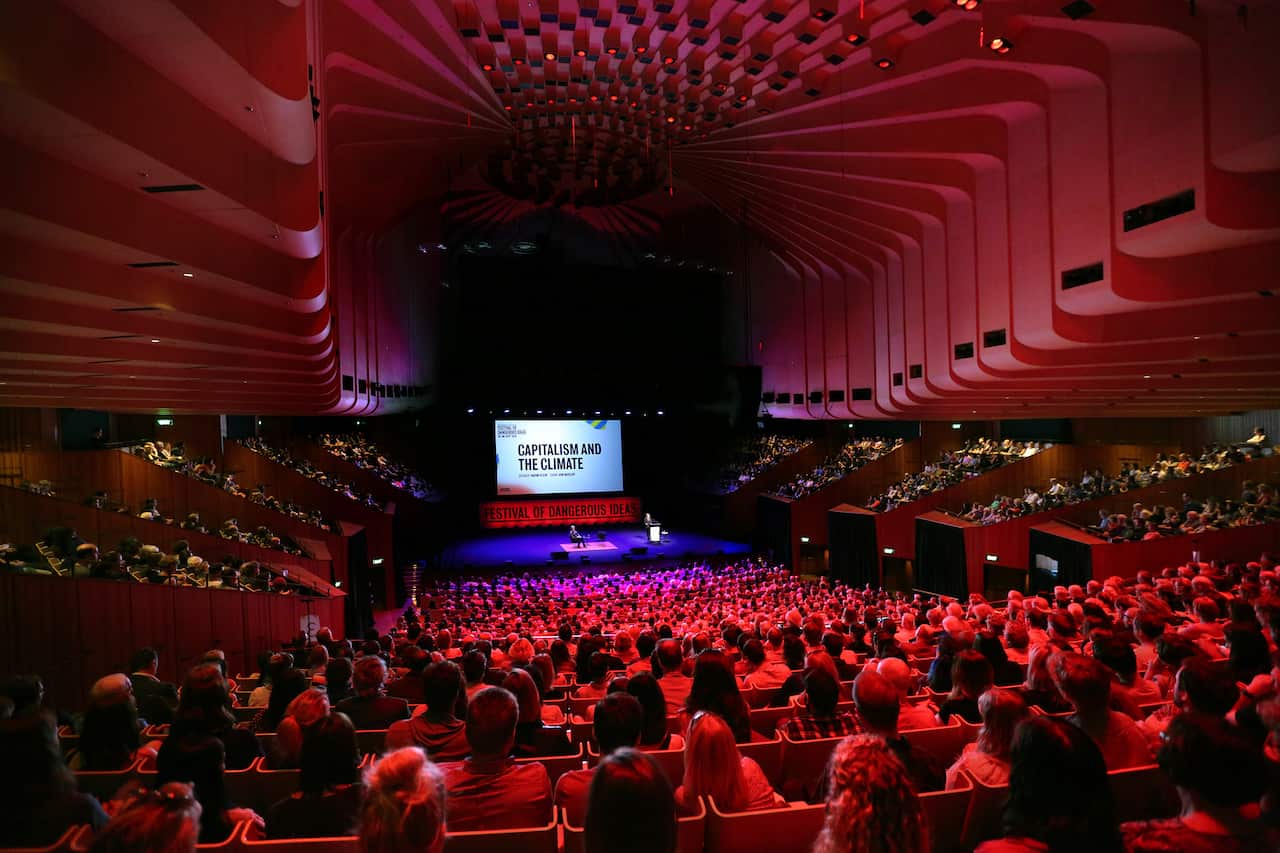
Ms McCarthy, who is from Borroloola in the Gulf of Carpentaria, spoke Saturday in a "What I Believe" segment at the festival, which was dedicated to generating compelling knowledge among citizens.
"I believe the spirit of Barangaroo lives on in the women of this country, her resilience, her strength, her graciousness and her wisdom stays strong with all women in this region," she told the audience.
She said there needed to be urgent improvement in the treatment of Aboriginal and Torres Strait Islander peoples, and that the over-representation of incarceration of First Peoples must be meaningfully addressed.
I believe that the rising and the setting of the sun is a welcoming gift that we should never take for granted. I believe that nature's lessons are there for us to learn from every single day
"The incarceration rate of Indigenous people is a shameful disgrace," she said. "I believe that when we do open our hearts to one another, in our workplace, in our family life, we can make a difference."
Imprisonment rates are 12 times higher than their non-Indigenous counterparts, the Australian Institute of Criminology reported, which is a startling statistic given that First Peoples makes up just 3 percent of the population of Australia.
I believe the rain can be a shadow on our thoughts and when the sun breaks through, the shadows disappear
Ms McCarthy shared with the 2,000 strong audience her own family's experiences.
"I believe that when a mother stands by a grave, grieving for her son that should never have died so soon, has the right to receive the health treatment of any other Australian, but her grief is so deep and her health issues so strong, that she too collapses beside the grave. An asthma attack.
"But when she cannot receive the help that she requires, then her daughter buries her body a few weeks later."
But her grief is so deep and her health issues so strong, that she too collapses
According to the latest data, 22 percent of Indigenous Australians accessed a medical practitioner specialist between 2013 and 2014. In 2008, more than 26 percent reported having problems accessing health services.
The greatest barriers to accessing services were long waiting times or not being available when required (52 percent), the Australian Institute for Health and Welfare reported. About 32 percent said that cost was a barrier to accessing health services.
In a 2014 progress report of the Universal Periodic Review, the Australian Council of Human Rights Authorities said it was concerned that Aboriginal and Torres Strait Islander women did not have the same level of protection of rights as other Australians.
A joint submission in the United Nations Human Rights Council’s 2011 Universal Periodic Review of Australia, criticised Australia for not yet incorporating seven of the core human rights treaties, of which it is party to, into federal law.
We are Li-antha wirriyarra, a people whose spiritual feelings and emotions come from the sea, and we carry that in our hearts, and we look at the events, each day, through the feeling in our hearts
Ms McCarthy said that she believed that Australians across the country could do so much better in their relationships with one another. "Being vigilant about our imperfections is what I believe will help us to be a greater people."
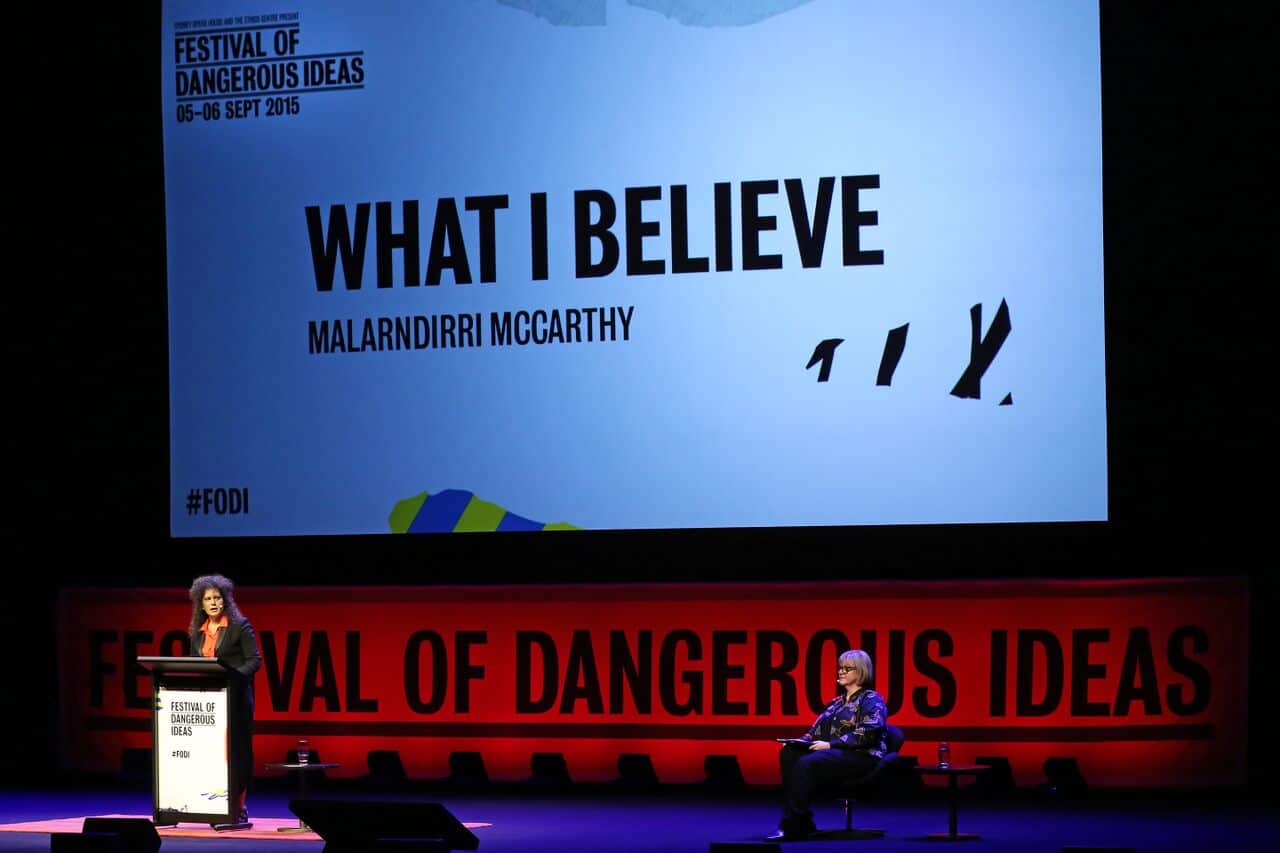
She shared what her Yanyuwa culture has taught her about strengthening our relationships with one another.
"We are Li-antha wirriyarra, a people whose spiritual feelings and emotions come from the sea, and we carry that in our hearts, and we look at the events, each day, through the feeling in our hearts."
The power of nature cannot be underestimated, she said as she told the audience about her family's totems of the brolga (kurdarraku) and mermaid (the ngardidji).
"I believe the rain can be a shadow on our thoughts and when the sun breaks through, the shadows disappear.
"I believe that the rising and the setting of the sun is a welcoming gift that we should never take for granted, I believe that nature's lessons are there for us to learn from every single day."
Yamalu, yo bauji bara.
Follow Andrea on Twitter @andreasbooth