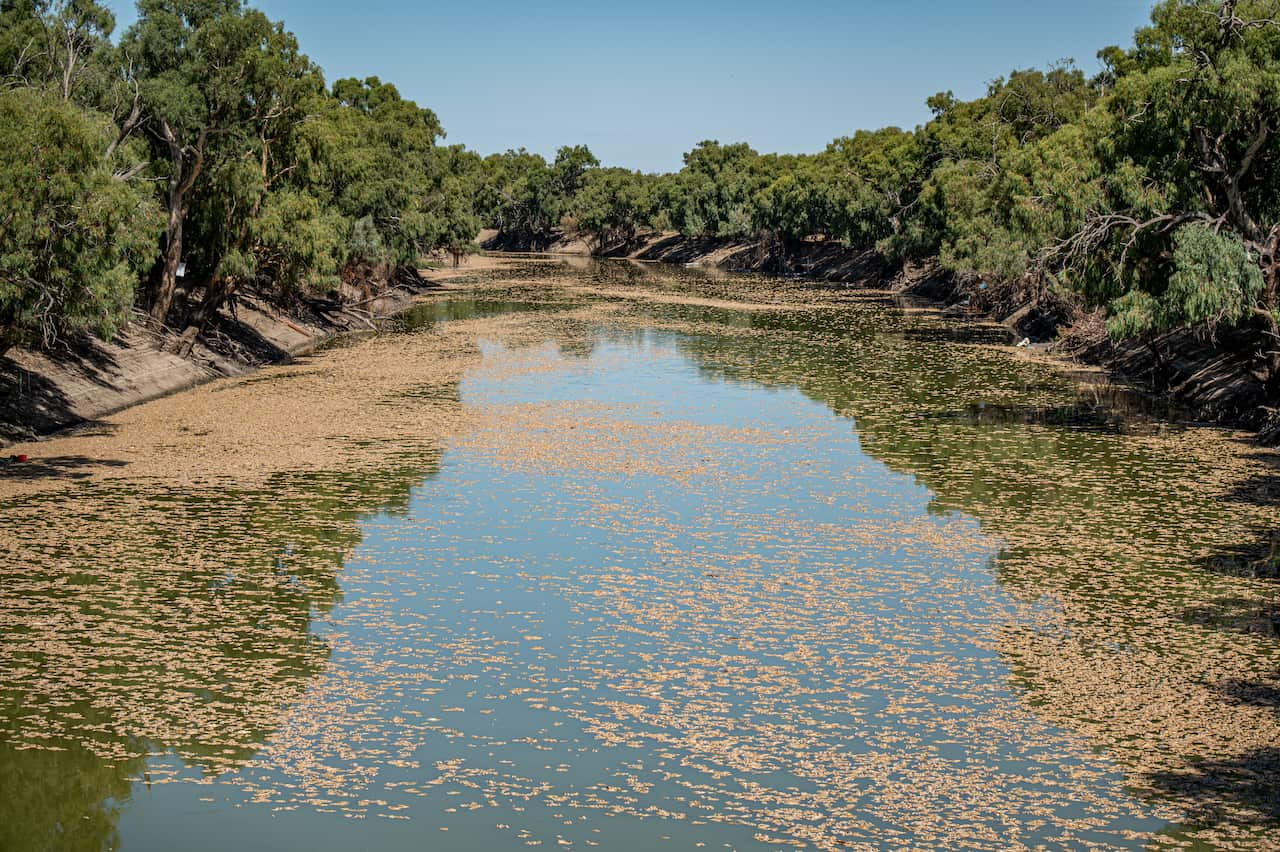
In the summer of 2018 - 2019, a million dead fish floated to the surface of the Baaka (Darling River) near the town of Menindee.
The shocking sight was the result of a mass fish kill.
It raised the alarm on the dire state of our water systems, capturing the attention of the nation and leaving the Barkindji people - whose name comes from the river - and surrounding communities devastated.
The Department of Primary Industries, Narrandera Fisheries Centre, the Clontarf Foundation and local communities collaborated to rescue and care for the surviving native fish, and bred 60,000 new fish to be returned to the river once it was healthy again.
The project was a success.
But in 2023, an even more deadly fish kill occurred: up to 30 million fish were killed.
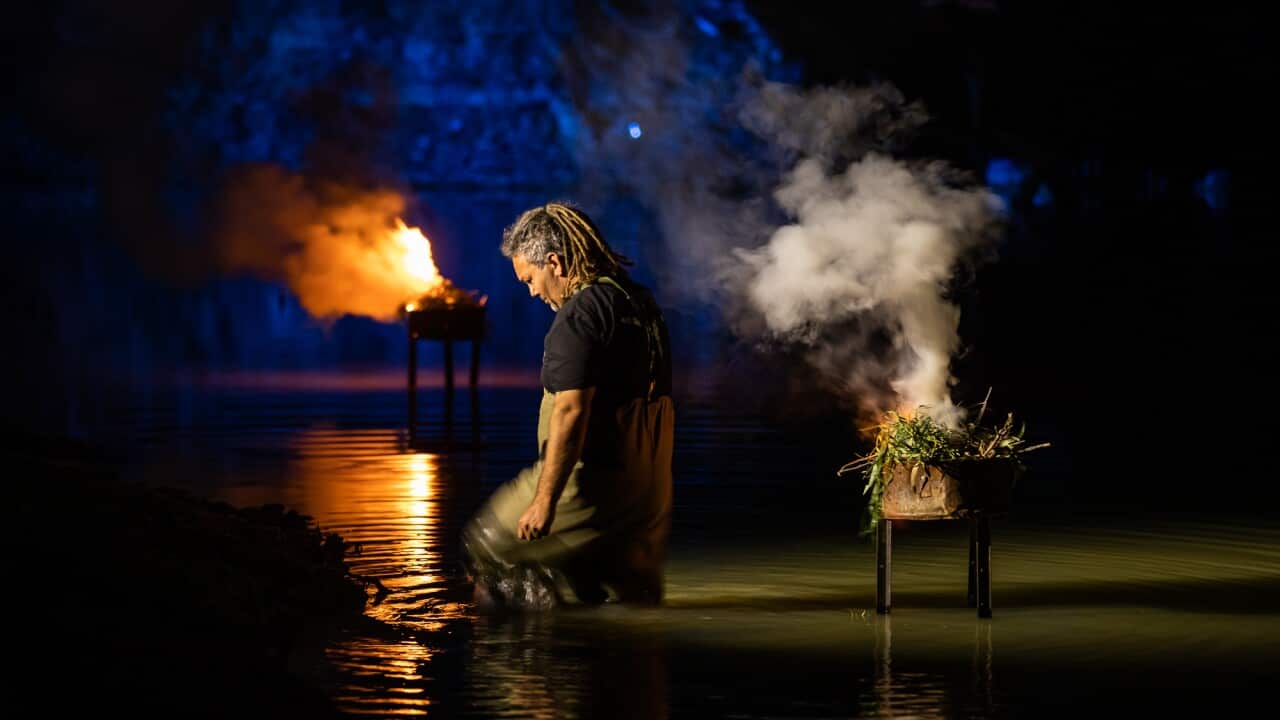
‘More Than a Fish Kill’ is a short-form documentary created by the Cad Factory in partnership with the National Museum of Australia and Otis Filley Studios.
It tells the story of a community rallying together, joining forces with artists to use storytelling as a means of healing.
Ultimately, the film is a call to action. It shows the ripples of anguish through Country, community and culture when our waterways are sick. It also shows the power of unity.
Now, it’s screening internationally to draw widespread attention to the plight of water systems globally.
Last week the documentary was screened at the Australian High Commission in London before moving on to be shown in Edinburgh.
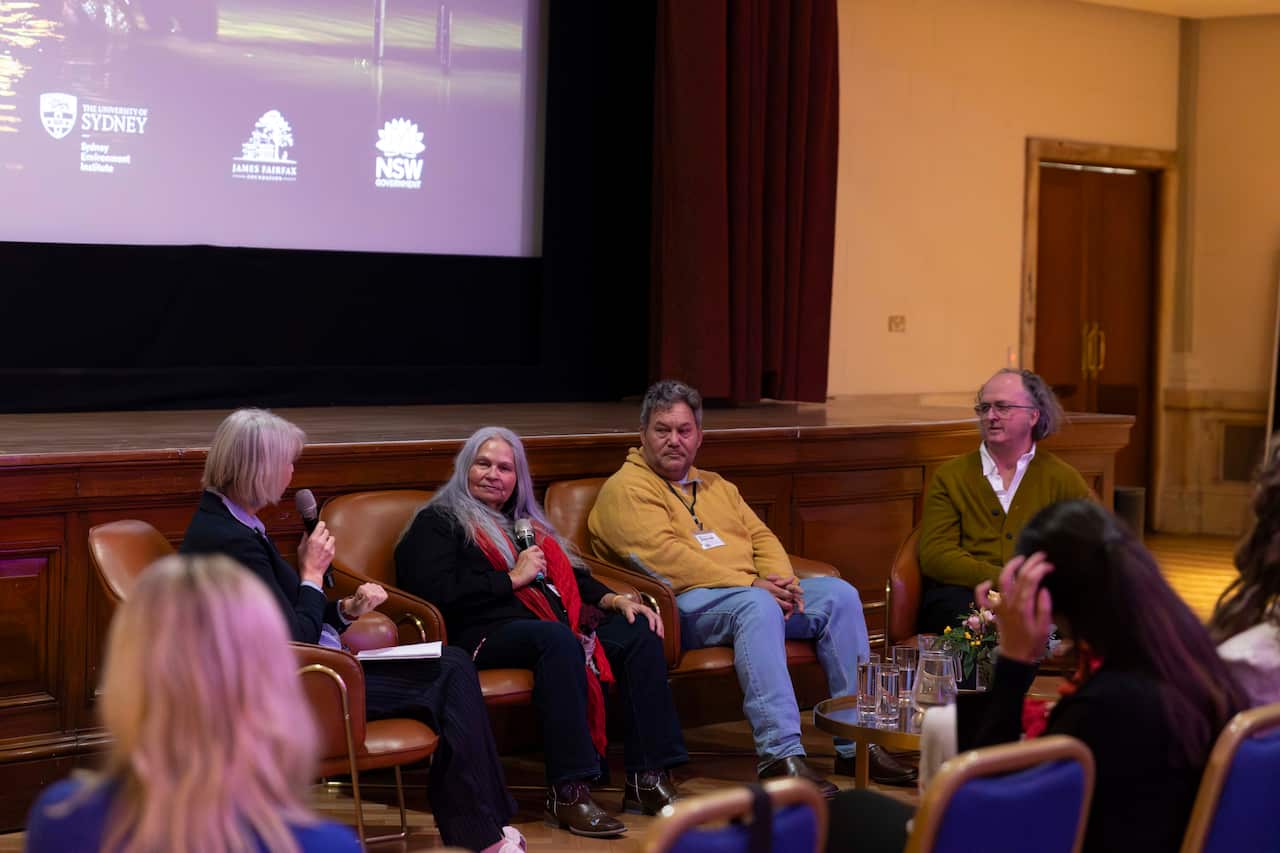
Menindee representatives Cheryl Blore, a Barkindji/Wilyakali Elder and David Doyle, a Barkindji and Malyangapa man, travelled thousands of kilometres from Country to share the film in the UK.
“It’s not just Australia that is having issues with waterways,” Doyle said.
“We sit on numerous water advocacy boards and panels and we see it all over. The world is struggling at the moment with how we maintain and how we use and regulate our waters.
"With this documentary it’s putting people first rather than agriculture, industry, all of those other things.
"It’s really about looking at the people that need it ... and how we can support each other, not just in Australia but worldwide.”
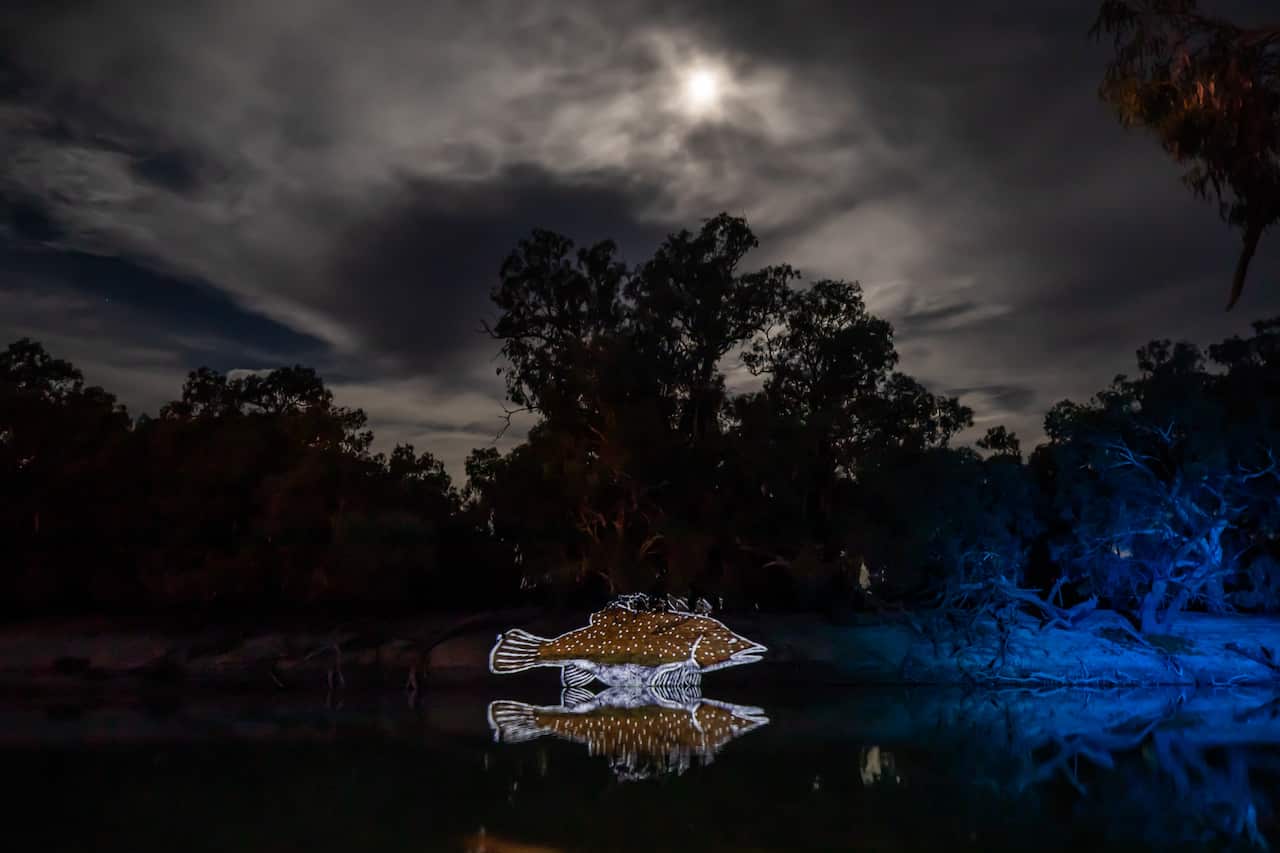
A standout moment in the film is when the fish are returned to the river by students from the Clontarf Foundation under the watchful and proud eyes of Elders. Since 2021, over 170,000 fish have been released back into the Baaka.
After the second mass fish kill in 2023 the Cad Factory and local communities collaborated for a cultural event, 'Pangala: Returning Home', to bring people together to process their emotions and celebrate Country and culture through dance, projections, song and story.
McEwan believes the arts have a crucial role to play in bridging the divide to find solutions to environmental issues.
“I think what we’re saying is if we, as a society, have trouble with bringing together different knowledge systems and different opinions in a way that’s productive, then the arts is a way that we can do that,” he said.
For Aunty Cheryl the London screening was the first time she had watched the documentary in full. She said it was “very emotional”.
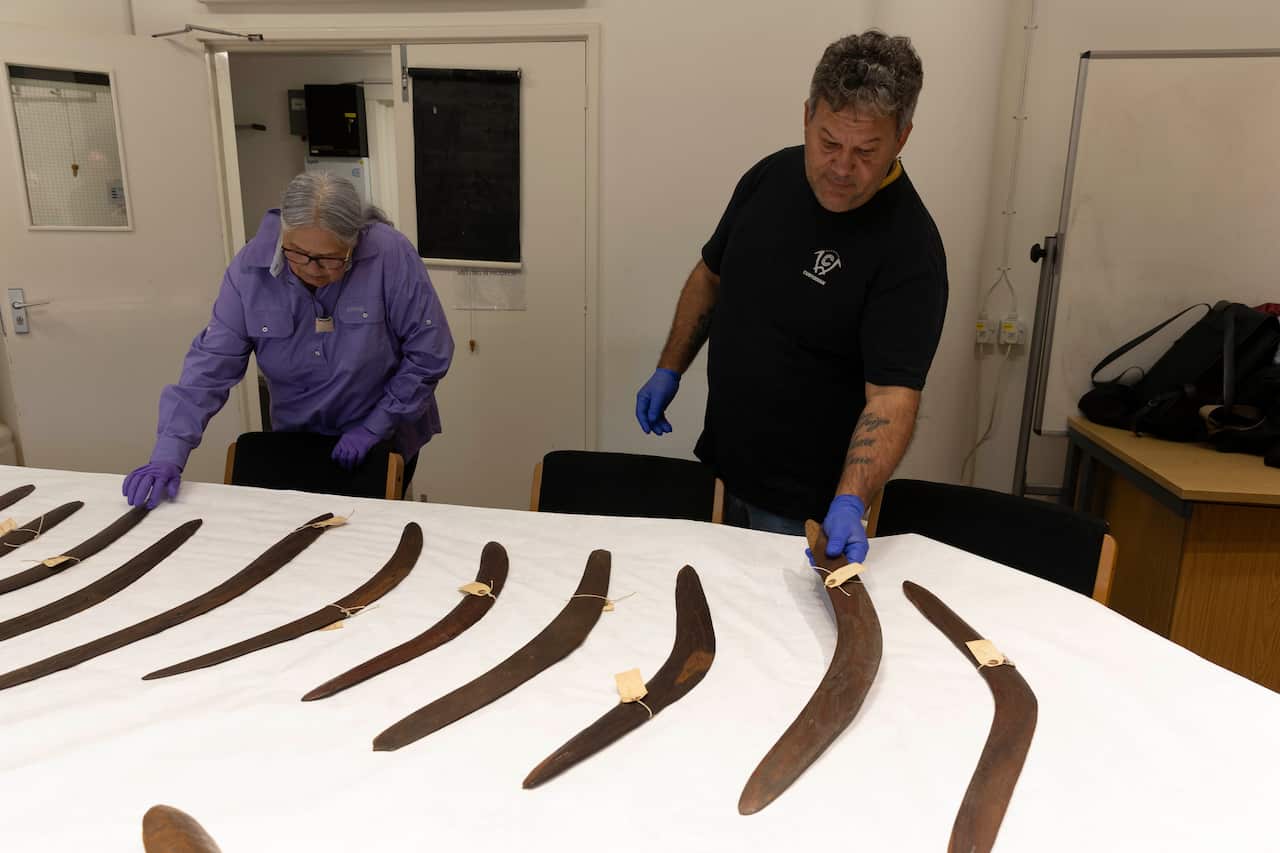
As well as sharing the documentary, they had the opportunity to visit Barkindji artefacts dating back to the 1800s now held at Cambridge University.
“[It was] just amazing looking at these old artefacts that are hundreds and hundreds of years old and actually feeling them and touching them just gives you that funny feeling” Aunty Cheryl said.
“You can feel the ancestors … It was amazing to look at what they actually made to survive.”
Off the back of the documentary and the projects with Narrandera Fisheries, the Cad Factory are now working on a new initiative under the working title ‘River Stories’.
The initiative came about, McEwan said, through conversations with community who shared that it wasn’t enough to address the issues with just one location when it comes to waterways and that they should be understood as being part of a system.
“We’ve had this event in Menindee but Menindee is part of a system both up and down stream,” he said.
“We’re now in the fortunate position where over the next couple of years we’re going to unfold this work up in Queensland in Menindee and then down at the mouth of the whole system.
"There are communities and concerns that are both localised to these places but also common or they interlap with each other, these impacts.”
McEwan said the documentary shares the story with people beyond the local community, both in Menindee and Australia.
“We’re trying to do the work on Country and then to share this work as widely as we can,” he said.
Their trip to the UK is being filmed for another documentary which Aunty Cheryl hopes will further unite the communities living along the Baaka.
“Hopefully we’ll be able to get more community members… and try to encourage our own community to come together a bit more and show them what we’ve been doing.”