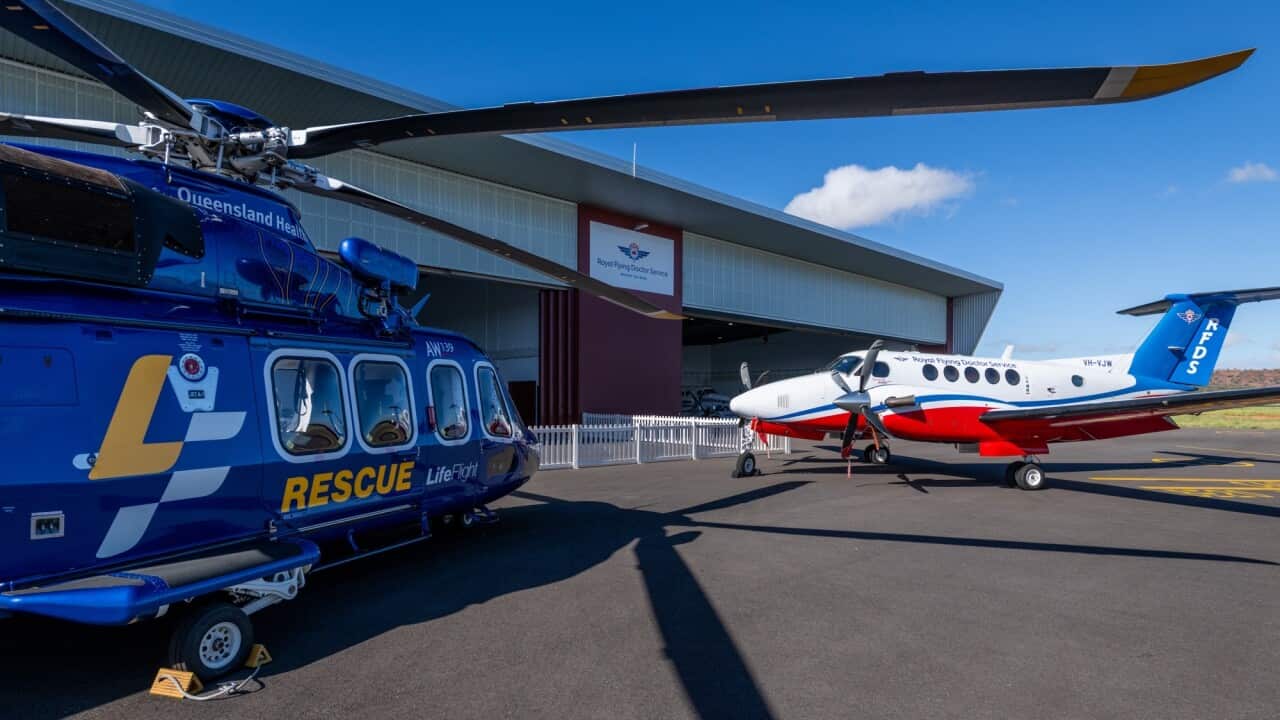
A new aeromedical hub in Mount Isa is set to strengthen a critical healthcare lifeline for communities across Queensland’s northwest, including many Aboriginal and Torres Strait Islander communities living in some of the most remote parts of the state.
The $34.4 million facility brings together the Royal Flying Doctor Service and LifeFlight under one roof, in a move aimed at improving coordination, response times, and ongoing care across a vast and often challenging region.
For communities spread across the Gulf, Channel Country, and along the Northern Territory border, aeromedical services are often the only consistent access to healthcare, delivering everything from emergency retrievals to primary health clinics and mental health support.
Kalkadoon Elder Valerie Craigie says services like these are essential for people living far from major centres.
“We’re the ones out in the remotest areas … using the service quite frequently. It’s really good general, clinical, practical care … they’re the ones doing the work, saving lives.”
The Mount Isa base supports regular visits to remote communities including Bedourie, Camooweal, and Gregory Downs, where access to in-person healthcare can be limited by distance, workforce shortages, and weather conditions.
The Royal Flying Doctor Service says the need for accessible healthcare in these regions continues to grow, particularly in mental health, with thousands of consultations delivered across the northwest each year.
RFDS Queensland CEO Meredith Staib says the new hub marks a major step forward in how care is delivered.
“It’s an historic day… an incredible improvement in healthcare delivery. Sharing staff and assets across the region is absolutely incredible… it really is a huge step forward for connecting people to care in rural and remote communities.”
The facility also represents a deeper level of integration between services, with RFDS doctors now trained to work onboard LifeFlight aircraft, expanding emergency response capability and improving patient outcomes.
LifeFlight Chair Jim Elder says the addition of new aircraft and infrastructure will significantly boost response capacity across the northwest.
“This is a significant step forward… we now have a state of the art helicopter based here with the range to service the Gulf and far northwest. We can move at a moment’s notice… and that makes a big difference when people need help fast.”
Health leaders say the investment will be particularly impactful for First Nations communities who continue to face barriers accessing care.
Professor Catrina Felton-Bush says the hub provides reassurance for communities living on Country.
“It’s a game changer … a lifeline for emergency evacuations and ongoing care. People want to stay on their traditional Country, and this gives them the assurance they can access care when they need it.”
The project has been delivered through a partnership between state and federal governments, the resources sector and Queensland Airports Limited, and will service an area almost the size of New South Wales.
For many communities, the new hub represents more than upgraded infrastructure.
It is about improving access to culturally appropriate care, strengthening services on Country and supporting better health outcomes closer to home.
As demand for healthcare in remote Australia continues to rise, services like these remain critical to closing the gap.