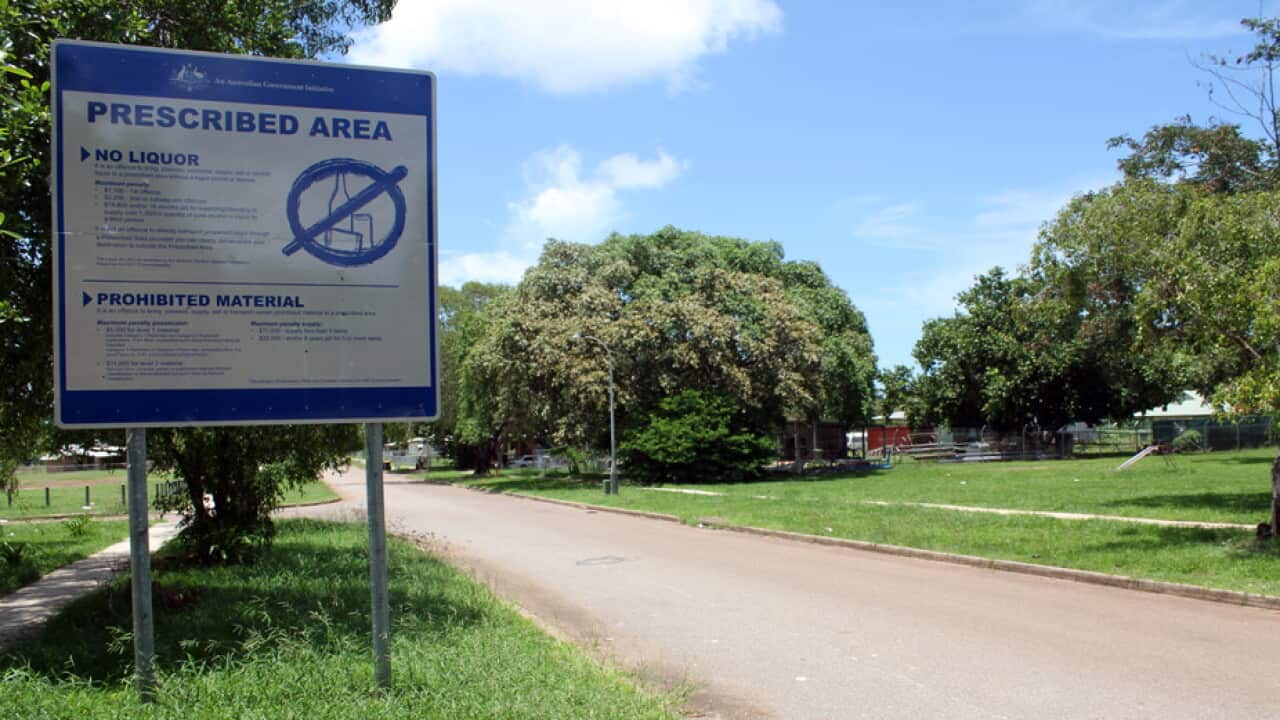
The Northern Territory Government has announced an extension of total alcohol bans in Aboriginal town camps, prolonging the policy beyond January 2027, when it was due to expire.
The restrictions make it illegal to bring in, possess, consume, sell or supply alcohol in remote Aboriginal communities, town camps and outstations, unless the community has approved a Community Alcohol Plan.
NT Minister for Health and Alcohol Policy Steve Edgington said the extension forms part of a broader Plan to Tackle Problem Drinking and would help reduce crime.
“We are making sure that the rivers of grog don’t flow again into town camps to reduce alcohol-related violence and crime and to improve community safety and wellbeing,” he said.

The extension has been welcomed by the Aboriginal Medical Services Alliance Northern Territory (AMSANT), which had recently voiced concerns that allowing the ban to be lifted next year would lead to a wave of alcohol-related harm and disorder.
“We have seen what happens when effective protections are removed, and we have also seen the positive impact they can have when they are in place,” said AMSANT Chief Executive, Donna Ah Chee.
“The evidence is clear that effective alcohol supply regulation reduces alcohol-related violence, trauma and harm,” the Bundjalung woman said.
“The rights of women and children to be safe must remain the overriding concern.”
Ah Chee had called on the government to provide certainty on alcohol policy at a conference earlier in June.
She said domestic violence assaults in Mparntwe (Alice Springs) had increased by 93 per cent after the former Labor government lifted restrictions in July 2022.
“It wasn't until well after the Prime Minister attended Alice Springs in January and February 2023 that the Labor government went back and made those changes to bring in what they termed the Interim Alcohol Protected Areas,” Edgington said.
“So, we don't want to see what Labor allowed back in 2022.
"We're keen to ensure that we give some certainty and security and safety for people living in those town camps.”

Ah Chee said that alcohol consumption in Alice Springs fell by 20 per cent in the final quarter of 2023, after restrictions were put back in place.
She said the number of domestic violence presentations at the Alice Springs Hospital Emergency department fell by 39 per cent in the five months after the introduction of take-away free days and ‘dry area’ regulations.
“AMSANT looks forward to continuing to work with the Northern Territory Government, Aboriginal communities and partner organisations to ensure we have sensible regulation of alcohol to improve community safety, health and wellbeing across the whole Northern Territory,” she said.