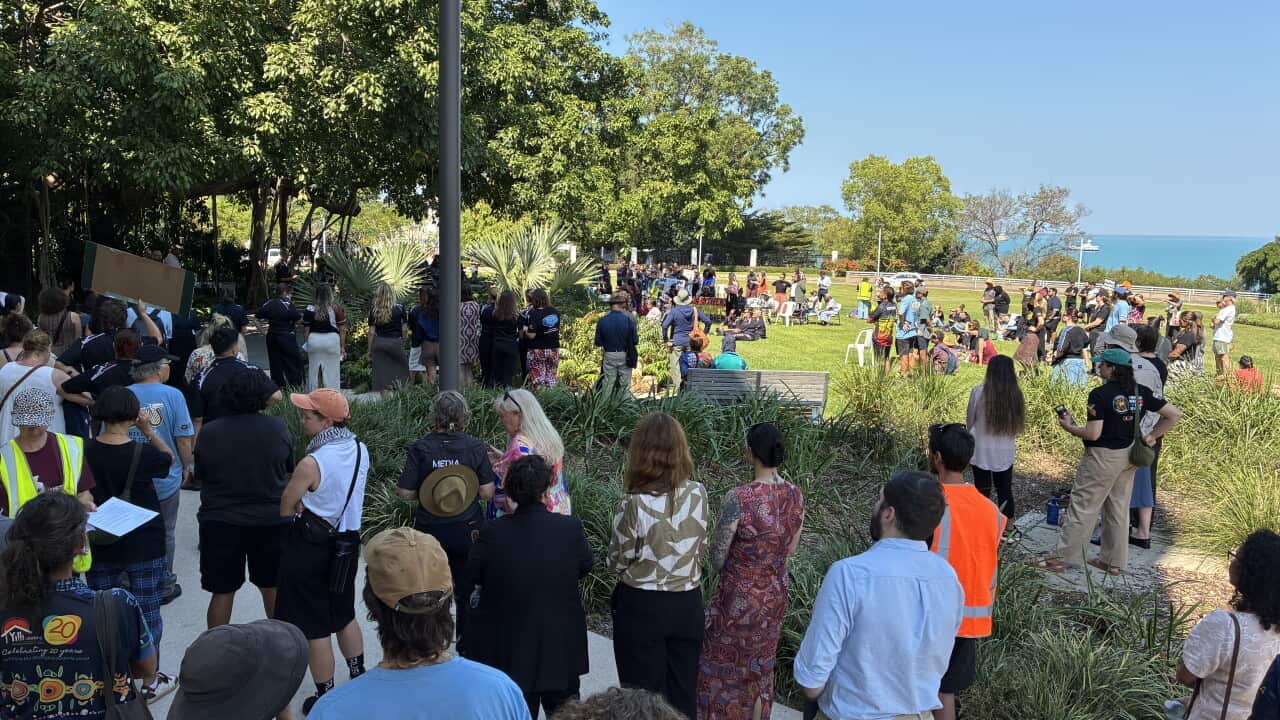
The Northern Territory government is set to introduce sweeping changes to the Territory's child protection laws into parliament on Tuesday, despite sustained opposition from Aboriginal organisations, child welfare experts and the Territory's former Children's Commissioner.
The Care and Protection of Children Legislation Amendment (Every Child Matters) Bill 2026 has been described by the Country Liberal Party government as the most significant overhaul of the Territory's child protection system in years, arguing it will enable earlier intervention for children at risk and deliver better long-term outcomes.
But critics say the legislation weakens long-standing safeguards for Aboriginal children, dismantles independent oversight of child deaths and risks repeating policies that contributed to the Stolen Generations.
The government has linked the reforms to the alleged abduction and murder of Kumanjayi Little Baby earlier this year, describing the case as exposing failures in the existing child protection system. However, the legislation is understood to have been in development well before the child's death.
The bill's centrepiece is the removal of the Aboriginal and Torres Strait Islander Child Placement Principle (ATSICPP) as the primary consideration when making placement decisions for Aboriginal children.
The principle, developed in response to the Stolen Generations, prioritises keeping Aboriginal children connected to their family, community and culture wherever it is safe to do so. It is recognised nationally as a key mechanism for reducing the over-representation of Aboriginal children in out-of-home care and forms part of governments' commitments under the National Agreement on Closing the Gap.
The proposed changes have prompted an unusually broad coalition of opposition, including Aboriginal community-controlled organisations, legal groups, children's advocates and human rights experts.
Former Northern Territory Children's Commissioner Shahleena Musk resigned before the legislation was introduced, citing concerns over the proposed reforms.
More than 150 submissions were received during parliamentary scrutiny of the bill. More than 120 opposed the legislation, although the Legislative Scrutiny Committee ultimately recommended parliament pass the bill.
The National Commission for Aboriginal and Torres Strait Islander Children and Young People has called on the Territory government to immediately halt the legislation.
National Commissioner Sue-Anne Hunter said the government was disregarding expert advice and risking the rights of Aboriginal children.
"This Bill goes directly against the rights of the child and contradicts everything that was put in place to protect them," Professor Hunter said.
"The NT Government is blatantly ignoring everyone, expert or not. We are calling on urgent action, urgent reform and for the NT Government to halt the progression of this Bill immediately."
Her intervention follows a joint statement from Commonwealth, state and territory community services ministers reaffirming the importance of the Aboriginal and Torres Strait Islander Child Placement Principle in achieving Closing the Gap Target 12, which aims to reduce the over-representation of Aboriginal children in out-of-home care.
Independent senator Lidia Thorpe has called on the federal government to intervene if the legislation passes.
"The NT Government claims this bill is about protecting children, yet it abolishes the independent child death review function, leaving the Northern Territory as the only jurisdiction in the country without a dedicated independent body reviewing child deaths," Senator Thorpe said.
"They want to brush child deaths on their watch under the carpet."
She said the Commonwealth should override the legislation if necessary, arguing the Territory government was abandoning its commitments under the Closing the Gap Agreement.
The Finocchiaro government has rejected criticism that the reforms ignore evidence or are politically motivated.
Responding to concerns raised by advocates, the government said the legislation was based on evidence showing reunification is most likely to occur within the first one to two years after a child enters care, with prospects diminishing the longer children remain in the system.
It also argued the Territory has "the lowest rate in the country for placing Aboriginal children with kin", demonstrating that the current legislative framework has failed Aboriginal children.
"This Bill follows the evidence," the government said.
"The only people calling this political are the ones defending a status quo that isn't working."
The government also rejected claims it had ignored public consultation, despite most submissions opposing the legislation.
It said greater weight had been given to the experiences of foster and kinship carers, young people with lived experience of care, police, frontline child protection staff and Aboriginal organisations working directly with affected families.
"Their message was consistent: the system intervenes too late," the government said.
Advocates dispute that assessment, arguing the overwhelming number of submissions opposing the bill reflects a broad consensus among experts that the legislation weakens protections rather than strengthening them.
The government maintains the reforms will lead to earlier support for families and better outcomes for Aboriginal children.
It says where children cannot safely remain with their parents, the legislation will continue to require decision-makers to prioritise connections to family, community, culture, language and Country, despite removing the Child Placement Principle as the paramount legislative requirement.
"What is failing Aboriginal children right now is the current system, with the worst kinship rate in the country, and the Minister isn't prepared to leave it as it is," the government said.
The bill is expected to be introduced into the Legislative Assembly on Tuesday, with debate likely later in the parliamentary sittings.