Olympic champion and Kuku Yalanji woman Cathy Freeman says one of the best ways Indigenous Australians in sport can be supported is by cultivating environments in which athletes can thrive.
She hopes a new permanent yarning circle feature at the Victorian Institute of Sport (VID) headquarters in Melbourne can help achieve that goal.
The feature has been incorporated into landscaping at Lakeside Stadium, Albert Park, with Indigenous Olympians joining representatives from the Bunurong people, state government, and the institute for a Smoking Ceremony to celebrate the addition.
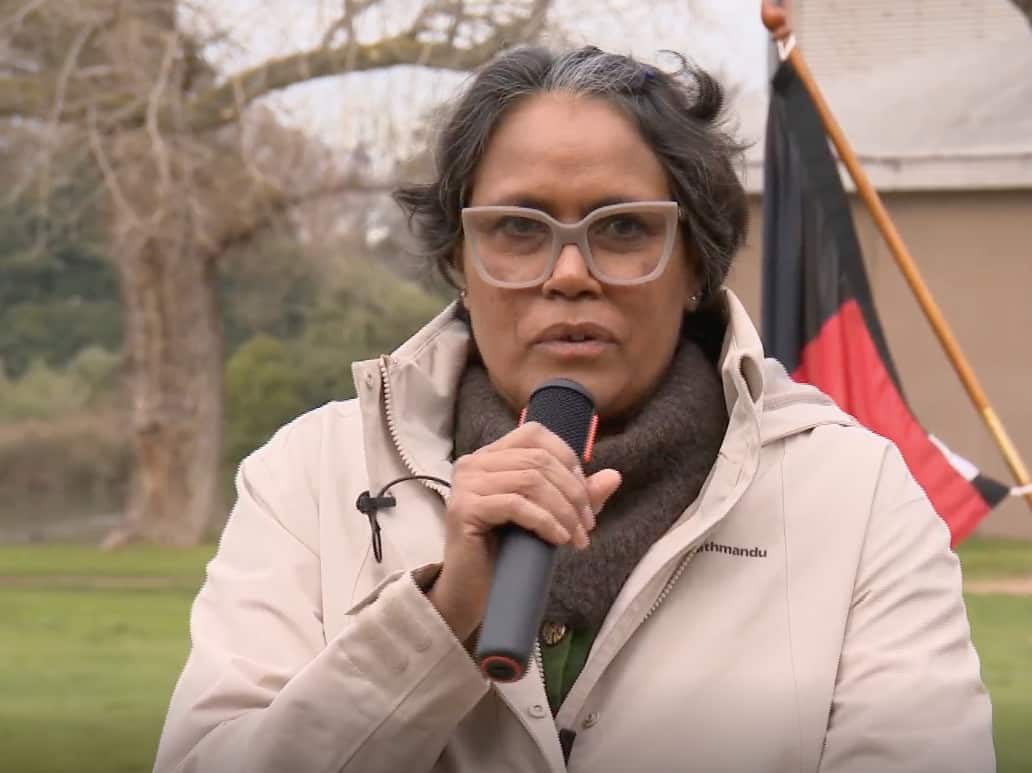
The Olympic great and VIS alumnus was on hand to plant a native tree as part of the outdoor feature.
"It's so much more than just a symbol… it’s bringing everybody together, and it's a true reflection of what Australia is like," Freeman said.
She told those at the event supporting Indigenous athletes was about "cultivating, an environment where they can thrive, just like we all want to."
The new permanent yarning circle includes seven boulders which are meant to reflect Turt-bul Liwurruk, the Seven Sisters constellation in Bunurong sky knowledge.
Native species selected for their cultural significance to the Bunurong people ring the space alongside a dedicated Smoking Ceremony fire pit.
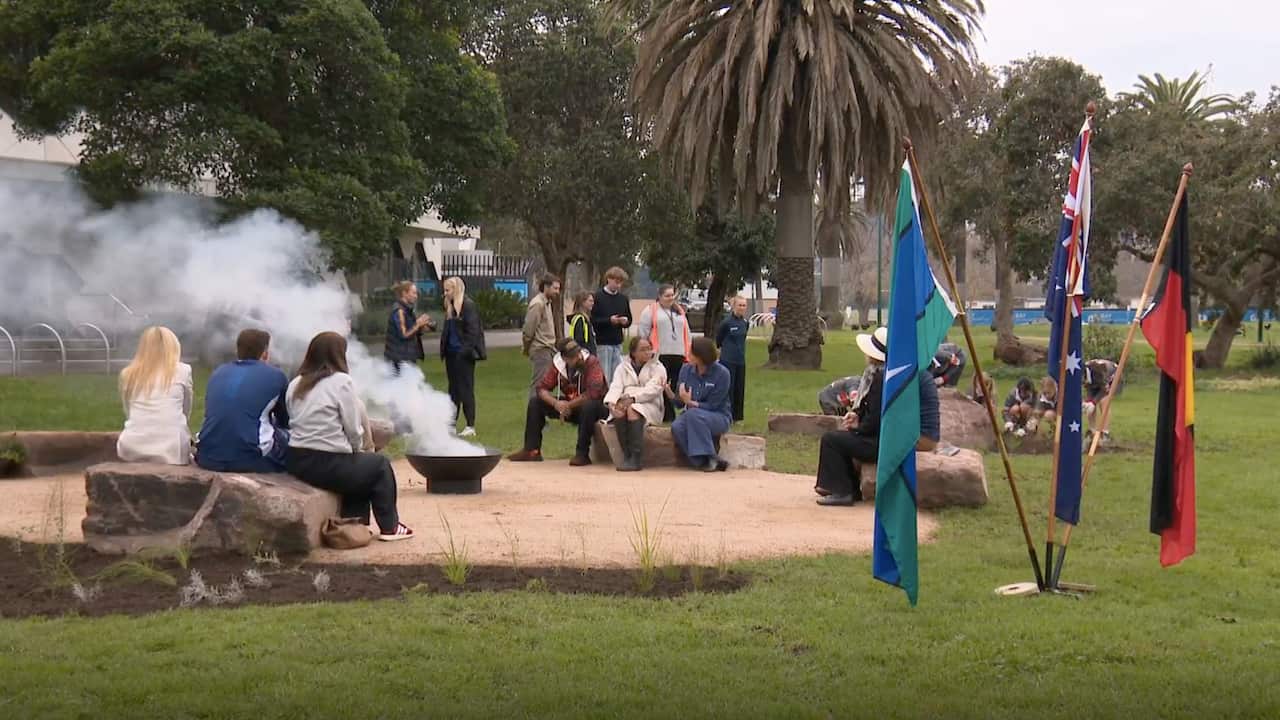
The circular design carries an intent that has guided yarning for thousands of years, that everyone sits without hierarchy, shoulder-to-shoulder as equals.
The use of a physical yarning circle to bring athletes together to connect was used by the Australian team at the 2024 Paris Olympic Games, inspiring the addition in Victoria.
Former Olympic hurdler and Worimi and Yuin man Kyle Vander-Kuyp, who was the deputy chef de mission at the Paris Games described it as being a "beautiful addition in Paris.”
"It was just nice to welcome the teams into the village and do all the housekeeping, but also just take a moment to pause and say congratulations, and gather in a circle," he said.
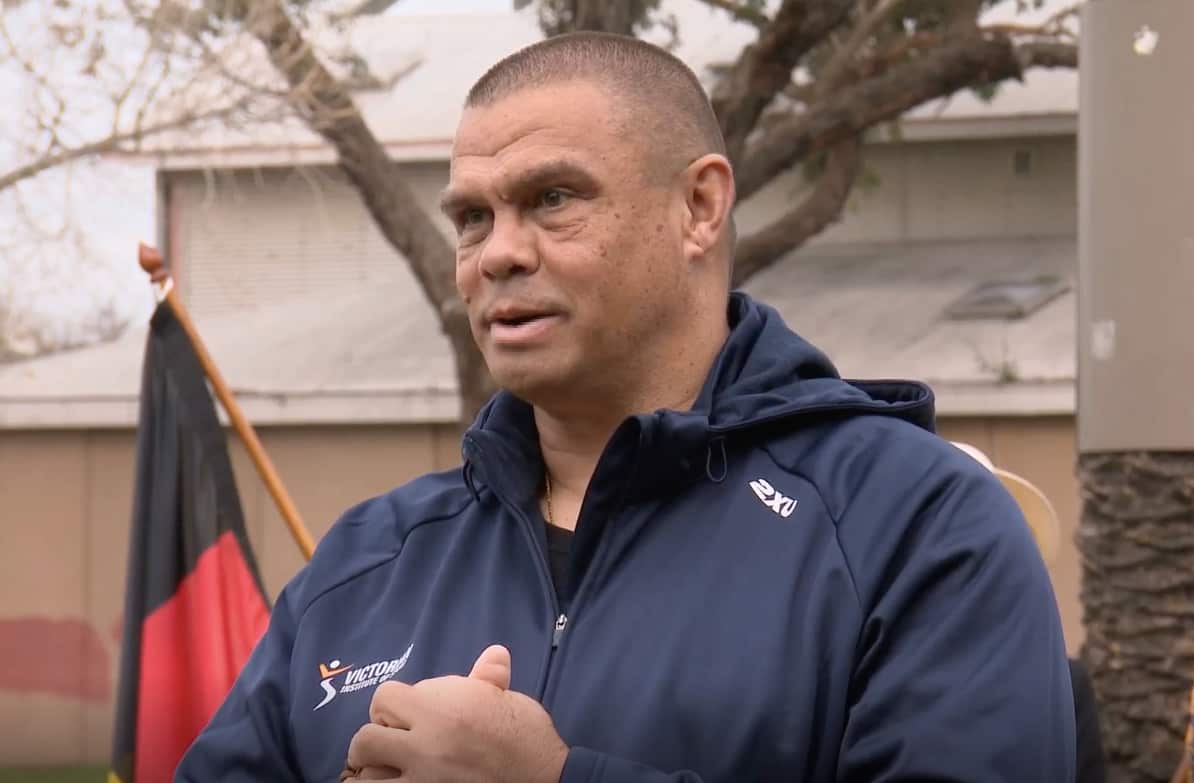
"It’s kind of a safe way to connect, everyone's equal, I think more than here's your room key, and good luck. It was a nice pause, and say, hey, this is special."
"I think with all the beautiful Indigenous culture included now in the teams, it's a nice way to say that you're representing a country with the oldest living culture in the world," he said.
Vander-Kuyp is part of the Belonging and Connection Team preparing for the 2026 Glasgow Commonwealth Games in July.
Victorian Institute of Sport chief executive officer Nicole Livingstone said the yarning circle was an expression of the institute's commitment to First Nations athletes.
"VIS athletes like Catherine Freeman and Kyle Vander-Kuyp have inspired our nation with their performances and we are excited to enable the next generation of First Nation’s athletes to do the same in front of a home crowd in 2032," she said.