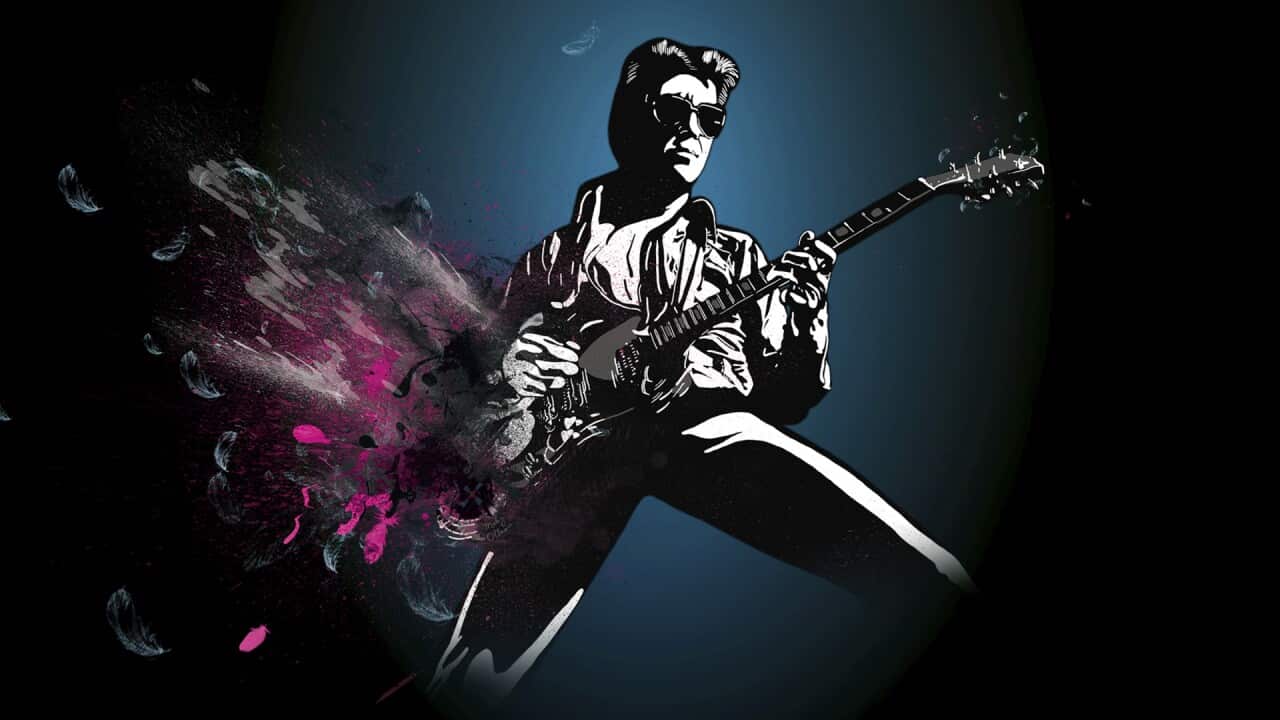
In 1958, a guitar-heavy instrumental changed rock and roll forever. Using distortion and feedback techniques, the track titled "Rumble" made it into the top charts that Summer despite being banned from several radio stations because of its harsh and radical sound. This year it was inducted into the Rock and Roll Hall of Fame. It was pioneered by Link Ray, a Native American Shawnee guitarist
In fact, Ray is just one of many Indigenous music greats who influenced popular music. It's something filmmaker Catherine Bainbridge explores in an incredible documentary which recognises and acknowledges First Nations' musicians who have shaped music as we know it.
Rumble: The Indians Who Rocked The World is a retelling of our music narrative, with many interesting hidden historical truths uncovered.
1. Jazz icon Mildred Bailey was America's first woman to have her own radio show
In the 1930s, prominent singer, Native American Coeur d'Alene woman, Mildred Bailey was recognised for as a major influence and contributor to shaping jazz music. She was not only the first famous female band singer, but in 1944, Bailey became the first female in America to have her own radio show. Featured as a guest on numerous shows from early on in her career, Bailey was asked to be a summer fill-in for 'The Jack Carson Show' and hosted her own, 'The Mildred Bailey Show'. An amazing achievement considering the prevalent sexism and racism at the time.
2. Jimi Hendrix was Cherokee
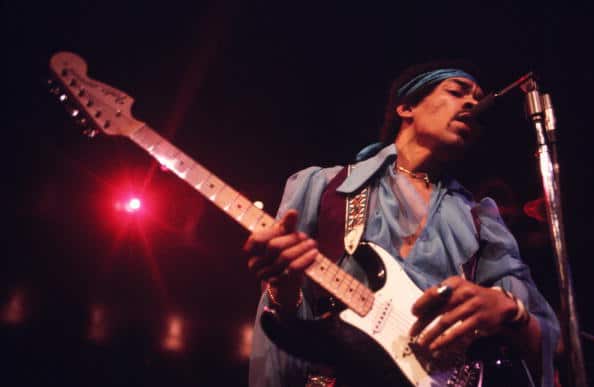
Known as the greatest electric guitarists in rock and roll history, but not so known for his Native American heritage, Jimi Hendrix spoke proudly of his Cherokee grandmother and held many cultural family traditions. His iconic turquoise jewellery and fringed jackets which were handed down from his ancestors is one visual example, which shows Hendrix's clear connection between him and his Cherokee roots.
3. Native American choral singing influenced Blues and Gospel

Before first contact, tribes of the Southeast had a specific style of singing. The multipart harmonies that are used in contemporary folk, blues and gospel singing stem from this traditional style, yet often mistaken for West African music. Native American a cappella group, Ulali says that the land informs the sound.
4. The Banjo is an African instrument
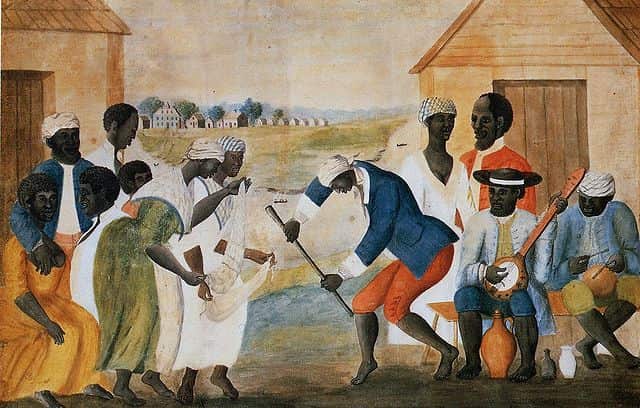
Although the banjo is associated with traditional Irish, country and folk music. The banjo itself originates from West Africa. The instrument was brought to North America during the practice of slavery in the 17th - 18th Centuries.
5. Redbone's 1973 'Come and Get Your Love' influenced the Black Eyed Peas' 2004 'Let's Get it Started'
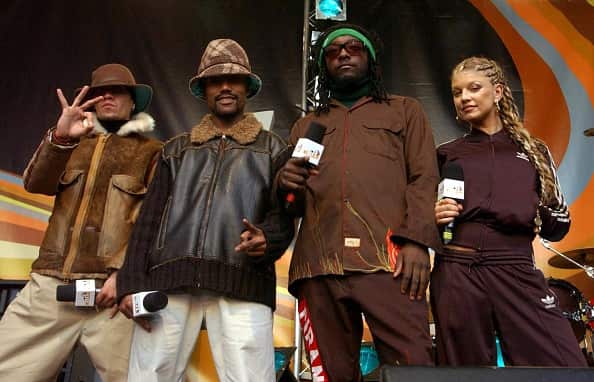
According to band member Taboo (a Shoshone man), the bass of the Black Eyed Peas' hugely popular track 'Let's Get it Started' mirrors that of Redbone's 'Come and Get Your Love'. The original bassline that was created by Redbone included stomping, to sound like a herd of buffalo coming.
Rumble reveals a somewhat hidden but important chapter to our music history. Unlike others. This film shines a light on the talented works made by Native American artists and their forever impact to the music world.
the bass line mirrors
Rumble: The Indians Who Rocked The World will have its Australian television premiere tonight, 8.30pm on NITV (Ch. 34), and will be available On Demand. Join the conversation #RumbleTheIndiansWhoRockedTheWorld.