Showcasing Creativity – programming and presenting First Nations performing arts is the latest study in a series commissioned by the Australia Council for the Arts.
The report looks at the amount and types of First Nations' performing arts programming in Australian venues and festivals, the actual presenting of works to the audiences and importantly, the reservations and motivations for presenters, producers and programmers.
Executive Director Aboriginal and Torres Strait Island Arts, Lydia Miller said "The aim of the research is to provide an evidence base to underpin a strong First Nations arts ecology, and foster a rich and diverse art sector that builds audiences for First Nations arts and showcases First Nations creativity, talent and stories."
With the performing arts in Australia facing financial challenges in a number of areas including dwindling audience numbers, touring costs and a small domestic market, the report found that almost half of those surveyed saw 'financial risk' as their biggest deterrent to programming First Nations work.
"Presenters interviewed said that available, brand-name First Nations works are often too expensive, whilst smaller works are financially risky because they lack brand recognition," said Ms Miller.

Many non-Indigenous programmers have positive intentions and a desire to promote more First Nations work. There is willingness within the sector to look critically at programming decisions, and to become leaders for a culturally ambitious nation that cherishes First Nations cultural expressions. -Lydia Miller
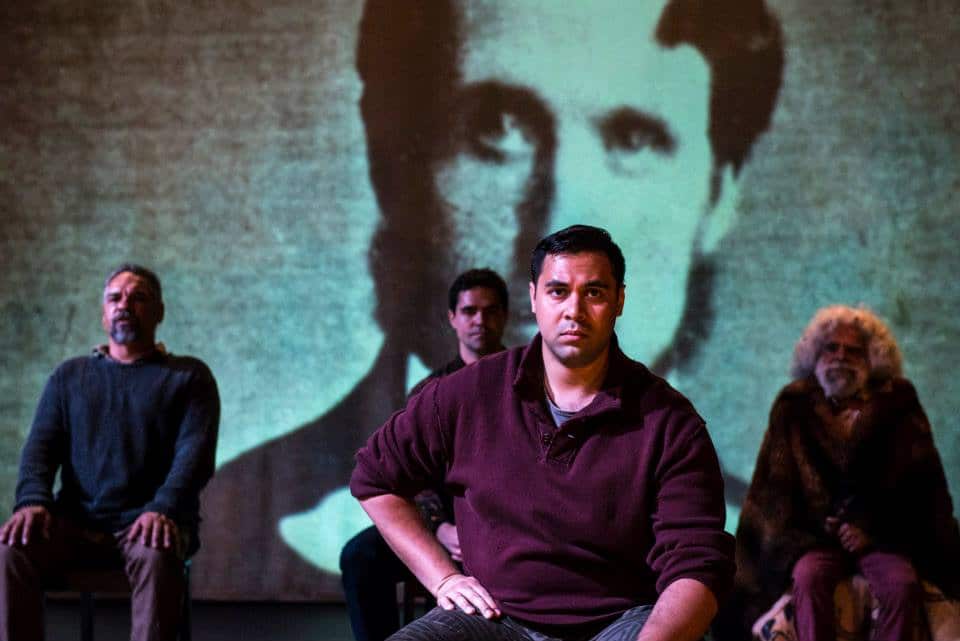
Black Comedy actor and member of independent artist group Cope St Collective, Bjorn Stewart felt the report made the decisions of programmers clearer but wonders if the sector will be able to make the necessary changes. "My initial reaction was finally a confirmation of why venues did make the choices they did. Systematic discrimination is at present but what is the next step the sector will take? 'Proposed measurements' come across as suggestions to presenters, not strict outlined inclusive agendas that should be met when programming a festival or season. This is something the sector needs to put in place and enforce."
Venues play a part in the responsibility to shaping the creative arts and nations conscious, even on a micro-scale, so to see where their priority are is a disappointment to say the least.
The report also uncovered that what lay at the heart of programming decisions was race relations. "The key sign that systemic discrimination is at play is if a programmer’s choice of works is based on an unexamined assumption that non-Indigenous work aligns better with the culture of the organisation and its audiences, or that First Nations works do not," Ms Miller said. "The programmer them self may not be ‘racist,’ but may be complying subconsciously with the dominant culture in which they live and work."

A programmer may also not be aware that they are operating within a cultural paradigm which is affecting their decision-making, and affecting their perceptions of works and audiences
The report also found that only '12 presenters (9%) were responsible for more than a third of all First Nations programming in 2015.'
Ms Miller said that the way forward is forging and nurturing relationships within the performing arts sector."There is a need to build sector capacity for cross-cultural engagement both ways; between mainstream presenters, and First Nations artists and communities. This includes marketing skills and opportunities for Aboriginal and Torres Strait Islander artists and arts workers; marketing and community engagement skills for presenters; increasing exposure and connections between presenters, creatives and communities; and initiatives to build performing arts centres’ understanding and confidence for programming First Nations work."
Stewart also sees the need for a shift within casting as well as programming to make a difference. "As much as it is great to have these venues program Indigenous works, there needs to be a shift in casting as well. If roles are unspecified in race then it should be opened for any race to audition for these roles. Audiences should be use to seeing people of colour in everyday life so why not on the stage?"
Rick Heath, Executive Director of the Australian Performing Arts Centre Association said:
“This report highlights the urgent and critical need for investment in market and audience development. If we are to truly value our First Nations culture and remove it from the margins, the issue of market failure must be addressed."
To find out more and read the in depth report, head to http://www.australiacouncil.gov.au/research/current-projects/showcasing-creativity-programming-and-presenting-first-nations-performing-arts/