5 min read
This article is more than 10 years old
Explainer
STIs: Separating fact from fiction
MYTH 1: “Certain types of people are more likely to catch an STI”
FACTS: Unlike human beings, diseases don’t discriminate. Anyone of any race, age, gender and sexual orientation is at risk of catching an Sexually Transmitted Infection (STI).
Findings from the Australian Bureau of Statistics (ABS) in 2012 show that the rates of STIs, predominantly contracted through unsafe sexual practices, have increased in Australia over the last decade.
The same ABS report also states that specific groups of individuals, like Aboriginal and Torres Strait Islanders and those living in regional or remote Australia, are more likely to be over-represented in STI-related statistics.
- In 2010, nine per cent of chlamydia notifications were among Aboriginal and Torres Strait Islander people, despite accounting for under three per cent of the total population.
- Similar to the non-Indigenous population, around 80 per cent of chlamydia diagnoses were among those aged 15 to 29 years.
- Over a third of all gonorrhoea diagnoses were among Aboriginal and Torres Strait Islander people in the same year.
- Twelve per cent of syphilis notifications were among Aboriginal and Torres Strait Islander people, affecting more men than women (79 and 51 respectively).
- The prevalence of genital herpes in the Aboriginal and Torres Strait Islander population is 18 per cent: six percentage points higher than the non-Indigenous population.
Source: ABS, Australian Social Trends, June 2012
Evidence as to why STI rates are higher in Indigenous populations is inconclusive. But, the Victorian Health Department explains that the prevalence increase could be due to increased detection with more people getting STI tests.
The good news is that if the above reason is valid, health campaigns to educate people about sex and related infections are working.
The increase in numbers could also be a result of reduced access to health care and affordable contraception in regional and remote Australia.

Above: Still shot from the Kenyan drama Shuga, currently showing on NITV on Mondays at 9pm.
MYTH 2: “People who have contracted an STI have a reputation”
FACTS: STIs can be easily spread during unprotected sex.
The more sexual partners and unprotected sex a person has, the higher their risk of contracting an STI. However, it only takes that ‘one time’ with ‘one person’ who has an infection to catch an STI.
...It only takes that ‘one time’ with ‘one person’ who has an infection to catch an STI.
STIs such as chlamydia, gonorrhea and syphilis can also go unnoticed because the symptoms experienced are so mild or are lacking. It is therefore likely for an individual to spread an STI during unprotected sex without knowing they are infected.
Health professionals encourage everyone who is or has been sexually active in the past to be tested for an STI.
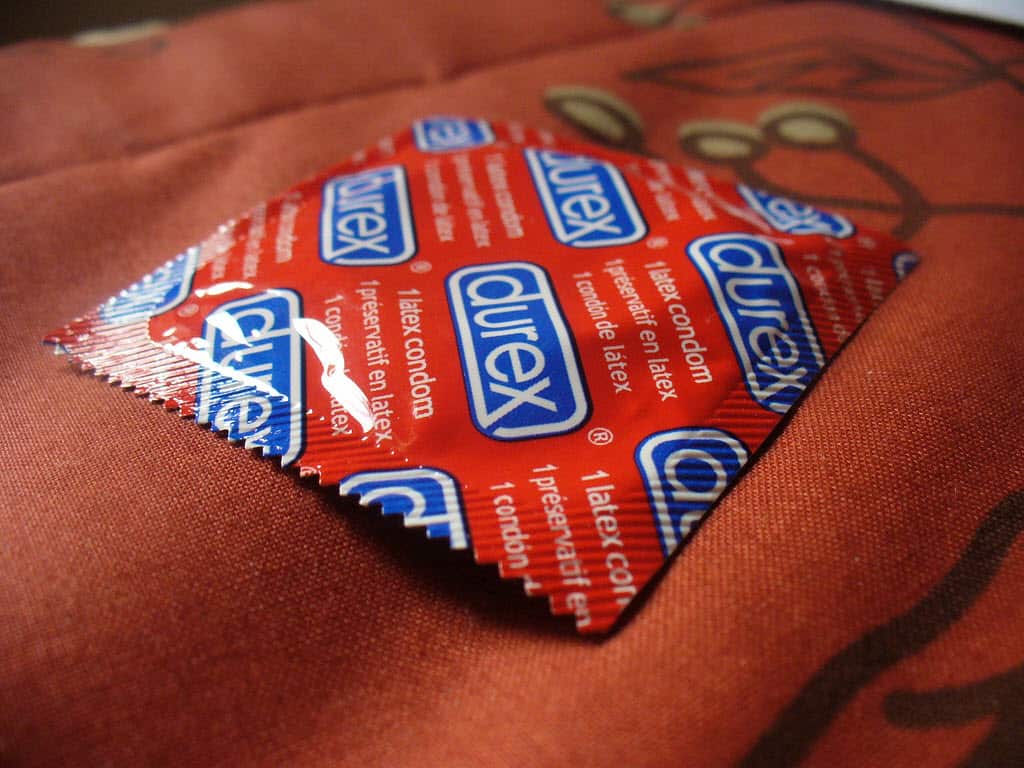
They also encourage people to use protection, such as condoms, and have an open and mature discussion about sex with their partner to prevent any nasty surprises.
Image
MYTH 3: “STI’s are caused by poor hygiene, genetics or hormones”
FACTS: According to the Commonwealth Department of Health, STIs are like other infections or diseases in that they are caused by the spread of organisms like bacteria, viruses or parasites.
They are transferred by the exchange of body fluids, through unprotected sex or through genital or skin contact, not by any of the ‘creative’ myths above.
MYTH 4: “An STI is nothing to worry about”
FACTS: While most STIs can be treated easily with antibiotics or creams, some infections can be very serious.
Apart from causing uncomfortable side effects like inflammation, pain and bleeding, syphilis and genital herpes can generate painful blisters and sores. The HPV virus (the ‘human papillomavirus’ common in both men and women) can also cause genital warts.
On top of this, STIs can lie dormant for many years before developing into other diseases that can lead to severe pain and other infections, pregnancy complications or even infertility.
The HPV virus also increases the risk of cervical and other cancers although there is a vaccine available to decrease your risk. Regular pap smears will also aid in early detection of HPV.
MYTH 5: “STI tests are embarrasing”
FACTS: STI tests are medical procedures that enable sexually active individuals to be responsible for and aware of their own health status.
Tests can be performed by your local doctor or a health worker at a sexual health or family planning clinic. All tests are confidential and either low-cost or free.
An STI test will usually start with a few simple questions about your sexual history, sexual orientation and number of sexual partners. The medical professional may then perform a physical examination of your genital area or undertake a number of other tests, such as a swab or a urine sample to test for different infections.
MORE INFORMATION

Sex can be a difficult topic for some people to talk about but it is important to get educated so that you can look after your sexual health.
Contact your GP or local sexual health clinic to find out more information about STIs or get tested.
If you have an STI, it is your responsibility to tell your current and previous partners (for the last six months) so that they can get tested and treated. For advice on how to tell them, visit: Let Them Know.