WARNING: This article contains distressing content.
A landmark report has uncovered 'systemic' and 'pervasive' racism in Australian Universities.
The Australian Human Rights Commission's (AHRC) national Racism@Uni study has lifted the veil on the realities facing First Nations, African, Asian, Jewish, Maori, Middle Eastern, Muslim, Palestinian and Pasifika students and staff in tertiary institutions across the country.
The report, Respect at Uni: Study into antisemitism, Islamophobia, racism and the experience of First Nations people, was commissioned by the Commonwealth in May 2024 and is the nation's most extensive investigation of racism in universities.
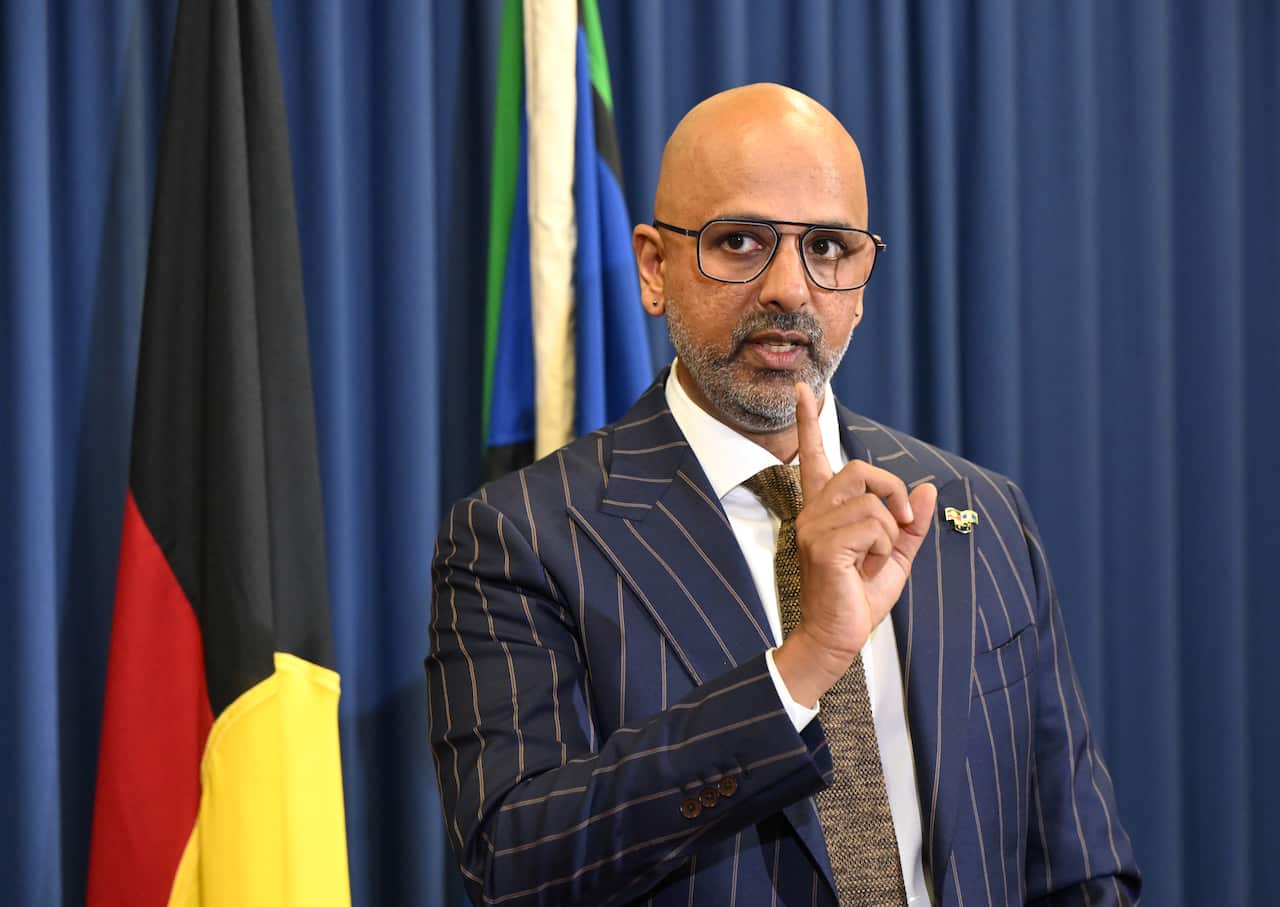
AHRC Race Discrimination Commissioner, Giridharan Sivaraman, said the findings were deeply troubling and reveal institutions are falling short of their duty of care.
"The insights and data from this study highlight that racism at university is not confined to isolated incidents or individual behaviour – it is systemic," he said.
"Racism harms people and communities. It damages people's identity and self-esteem, their sense of belonging, and their wellbeing and safety.
"Left unchecked, it leads to violence."
Aboriginal and Torres Strait Islander experiences
Racism@Uni collated responses from 2,227 Aboriginal and Torres Strait Islander domestic students, academic staff and professional staff.
Over 80 per cent of respondents reported experiencing both direct and indirect racism at university, with 37 per cent experiencing direct interpersonal racism.
Almost 60 per cent of respondents said they "mentally prepare for possible racist conversations", 37 per cent didn't feel comfortable disclosing their racial, ethnic, cultural and religious identity and 31 per cent avoided campus during days when protests, demonstrations or poster displays were schedule for fear of racism.
Over 65 per cent of academic staff and students felt they could not freely express their views due to racism.
The cohort most impacted by direct racism was academic staff: over 50 per cent reported racism having a negative impact on their career, and 80 per cent said it negatively impacted their mental health.
Almost 45 per cent of academic staff and 22 per cent of professional staff reported having negative student and/or peer evaluation made about them and 16 per cent of academic staff and 13 per cent of professional staff reported racism contributing to them being denied a promotion they felt they deserved.
More than a fifth of Aboriginal and Torres Strait Islander students surveyed said racism contributed to them receiving a lower mark than they felt they deserved, and almost 70 per cent said they had been told they receive things for free or get other benefits because of their race.
More than 50 per cent said racism had a negative impact on their studies and 70 per cent said it negatively impacted their mental health.
'Obligation' to uphold the promise of safe education
The report issued 47 recommendations which focused on the need for a national framework for anti-racism in universities, creating safe and inclusive universities with accessible complaint systems that hold institutions to account, inclusive curriculum and teaching and investment in a diverse workforce and leadership.
While some universities have made progress towards these outcomes, the report found anti-racism policies remain fragmented, accountability mechanisms are ineffective and understanding of racial and religious discrimination is low.
Only 11 universities had advance, standalone anti-racism strategies.
"This report provides a clear, evidence‑based path forward, with the voices and stories of staff and students who experience racism at its core," said Commissioner Sivaraman.
"It is an opportunity for government and universities to honour those voices, dismantle racism and create institutions where safety, belonging and respect are lived every day."
He said there's an "obligation" to university staff and students to "ensure the promises we make about the benefits of university experiences are upheld".
"Those promises are shattered when they are targeted by racism."
'Racism is not incidental'
Peak education body, National Aboriginal and Torres Strait Islander Education Corporation (NATSIEC), have been conducting nation-wide education consultations - they say the report reflects what they've heard from grassroots communities.
"The data is confronting but not surprising," said CEO Sharon Davis, a Bardi and Kija person.
"Racism is not just interpersonal behaviour, it's embedded in curriculum, governance, complaints systems and leadership structures.
"If we want universities to be places of genuine learning and critical thought, then we must address whose knowledge is centred, whose voices are believed and who carries the burden of fixing systems that were never designed for them."
NATSIEC Chair, Ray Ingrey said the report "makes it clear that racism is not incidental".
"For First Nations peoples, this is not new information. Our communities have long understood that these long-standing institutions cause harm unless they are intentionally redesigned," the Dharawal and Dunghutti man said.
The pair have shared their commitment to working with the Commonwealth government and universities to implement the recommendations.
However, Davis said they "will not accept reform that excludes First Nations education leadership".
Sector-wide action approach
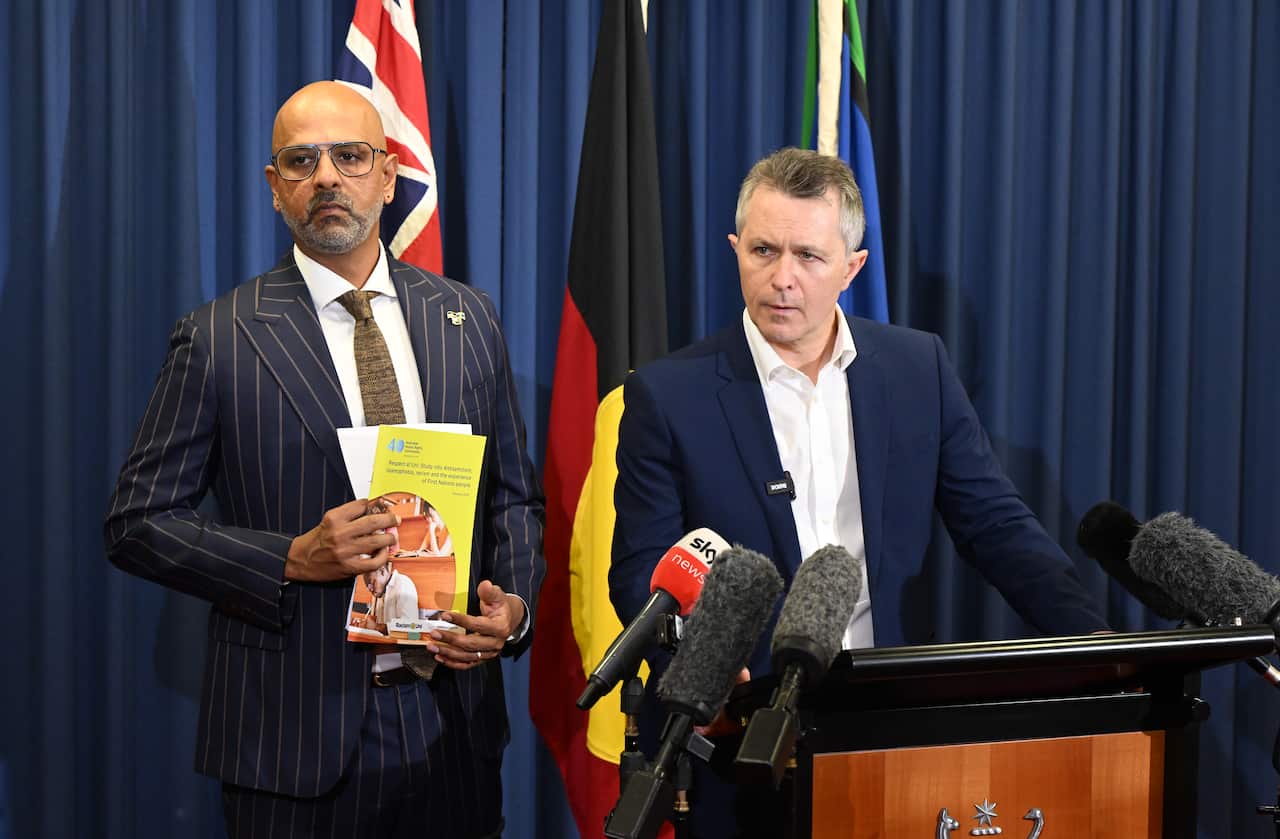
At the launch of the report in Brisbane's Commonwealth Parliamentary Offices on Tuesday, federal Education Minister Jason Clare, said the government will "comb through" the report and "respond in due course".
He acknowledged the report's recommendation to "raise the standard that universities need to comply with".
"We've already said that we will do that, and that work's under way."
Universities Australia issued a statement in response to the findings, which they described as "deeply troubling".
"Racism has no place on our university campuses. No one should feel unsafe, diminished or excluded because of their culture, faith or background. Universities accept our responsibility to confront racism wherever it occurs," they said.
"We recognise that many individuals and groups on our campuses – as in the broader community – experience racism, hate speech and harassment. Most significantly, Aboriginal and Torres Strait Islander peoples have endured racism over generations, and their voices must remain central to what comes next."
They said the survey "reinforces the need for coordinated, principled and sector-wide action".
"Universities Australia stands ready to work constructively with the AHRC and the government to ensure this work begins without delay and delivers meaningful, transparent change."