David Kantilla was a towering figure in South Australian and Northern Territory football in the 1960s, at a time when the rights of First Nations people were heavily restricted.
Originally from the Tiwi Islands, he played with St Mary's in the Top End before becoming the first Indigenous player in the South Australian competition.
His legacy has been honoured this week, as the Tiwi man joins the AFL's greatest in the league's Hall of Fame.
Two of Kantilla's nephews travelled to Melbourne to accept the honour on his behalf on Tuesday evening.
"I'm humbled and proud to receive my uncle's award," his nephew Ron Pupangmirri said.
"He went away from his culture to [do what] he loved ... to play footy."
Kantilla's love of the game matched with raw talent saw him blaze a trail over his 113 game career with the South Australian Panthers.
He is remembered as a high flying ruckman who was equally as dangerous in the forward square.
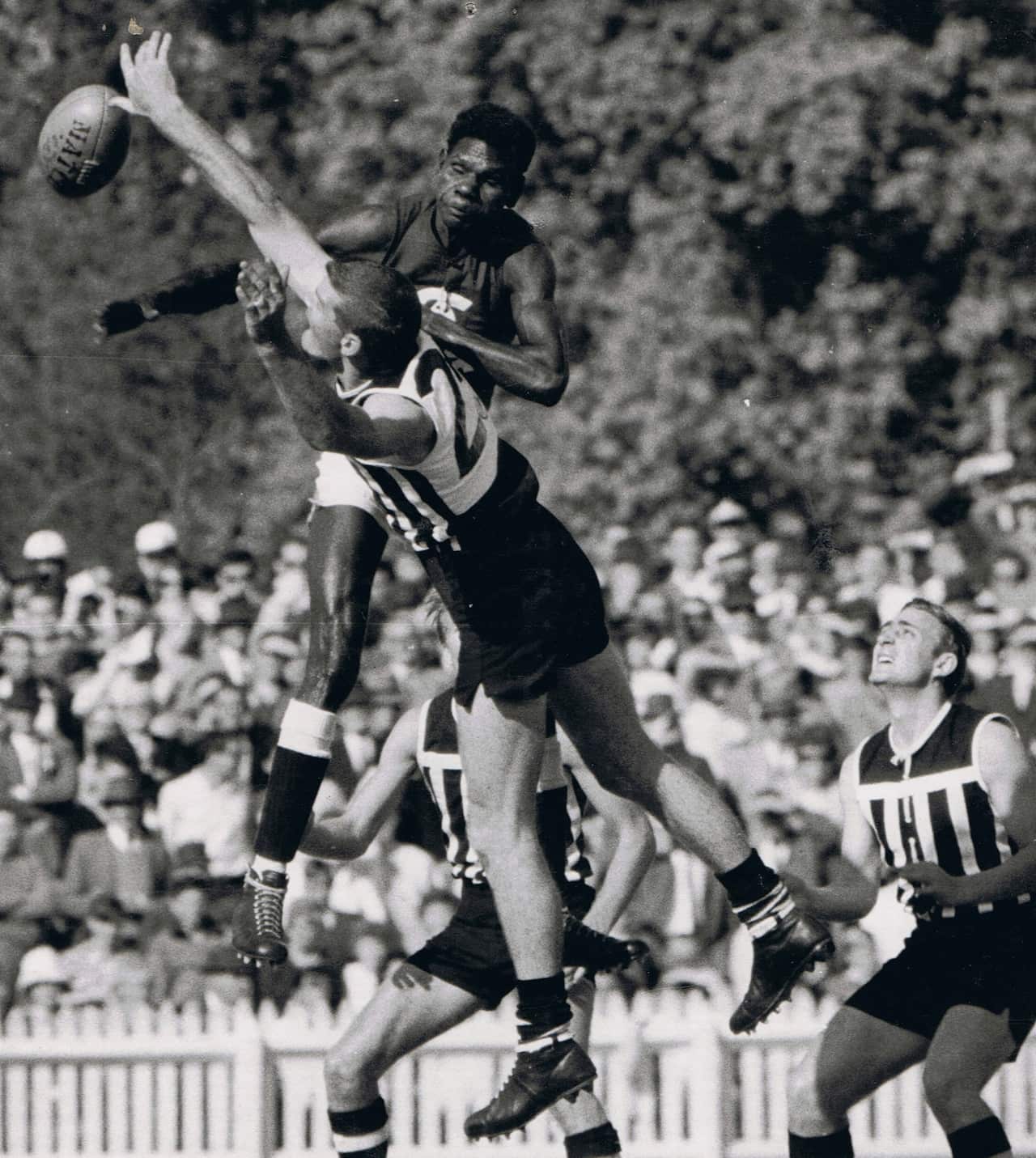
Kantilla scored six goals during his league debut in 1961.
He went on to lead the goal kicking for the Panthers in his first year, while also claiming the club's best and fairest in his first two seasons.
His renowned performance came in South Australia's 1964 premiership, when he was awarded best-on-ground.
The 1964 win saw the Panthers claw from bottom to top in a year under legendary captain-coach Neil Kerley.
In Kantilla's induction package at the hall of fame ceremony, South Australian historian Michael Sexton recalls asking how the coach approached training Kantilla at the time.
"I asked Neil how did you coach David Kantilla? And he said, I didn't, I just set up structures around him and let him fly," Sexton said.
Peter Darley, Kantilla's ruck partner and one of just five surviving Panthers from that famous flag, still marvels six decades later how he did it.
"David was an athlete. He had the ability to jump over most people standing still, giving a bit of a run up he could go over the top of anybody," Mr Darley said in the AFL induction package.
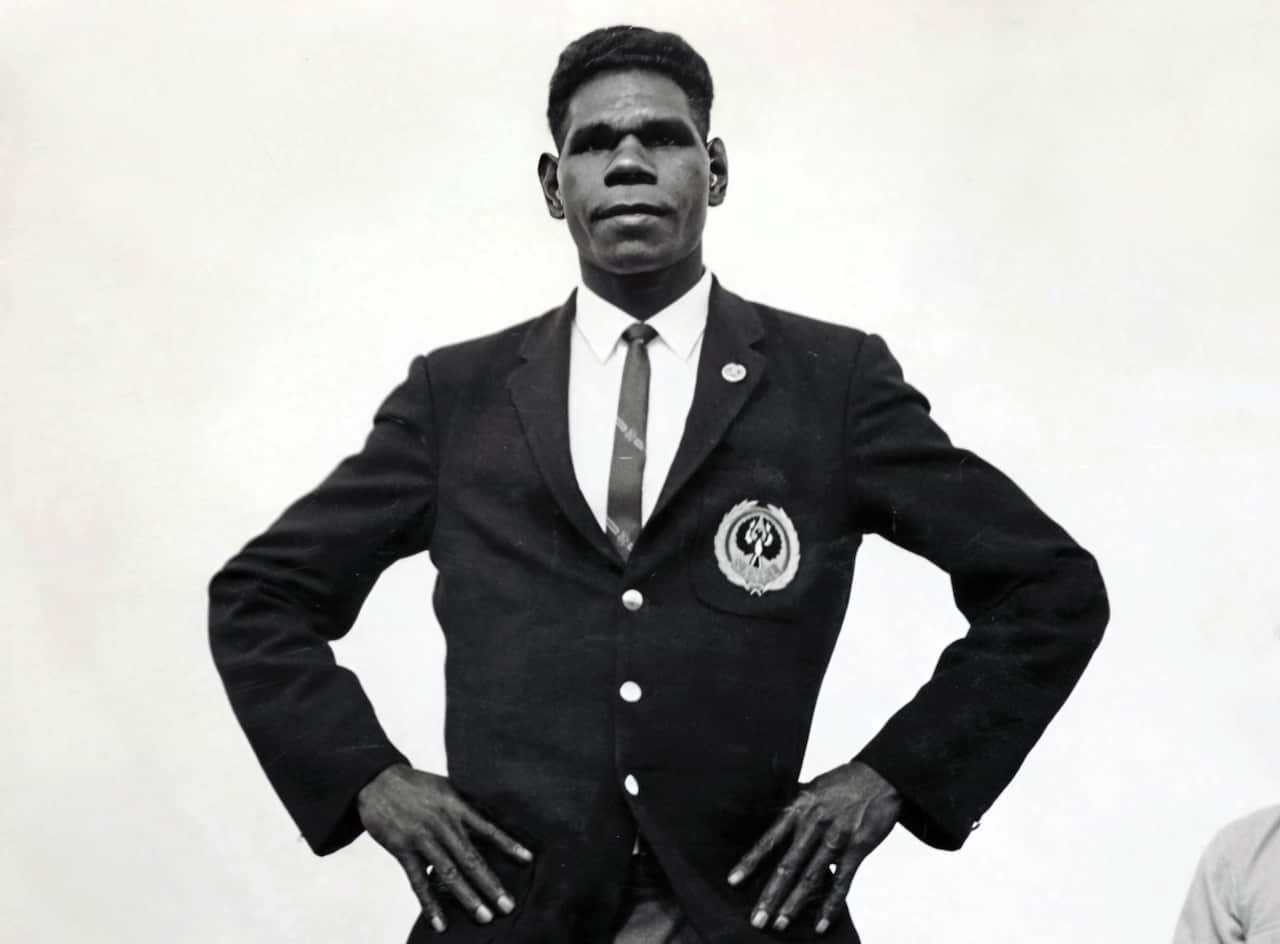
In 1997 David was inducted into the Northern Territory Hall of Champions and is also a member of the South Adelaide Hall of Fame.
In 2005 he was named on the interchange of the Indigenous Team of the Century.
In 2010, he was awarded Legend status in the AFL Northern Territory Hall of Fame.
Aside from his on-field accolades, being the first of his time came with its challenges.
His debut in South Australia came before Aboriginal and Torres Strait Islander people were counted in the national census.
He had to seek special permission from NT authorities to leave his community as all travel and movement for Indigenous people in the north was heavily scrutinised.
The draconian rules of the time imposed on Indigenous communities also required the club to provide weekly updates back to authorities in Darwin on his daily movements.
David Kantilla returned permanently to Darwin at the end of the 1966 season.
Tragically, he died at the age of 39 in a car accident on June 13, 1978.
Today he is remembered for carving the path for generational and top level First Nations talent to come out of the NT, in particular from the Tiwi Islands.