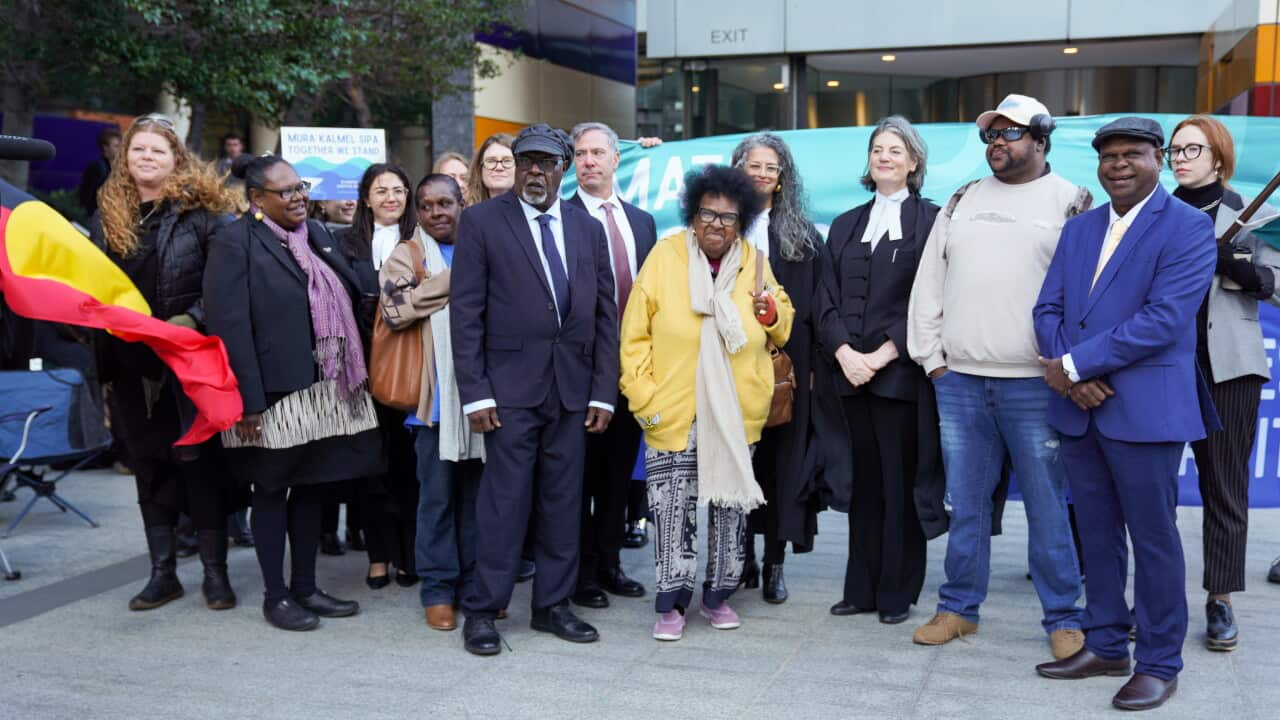
A pair of Torres Strait Islander community leaders have begun the appeal process for their landmark climate duty of care case at the full Federal Court in Melbourne.
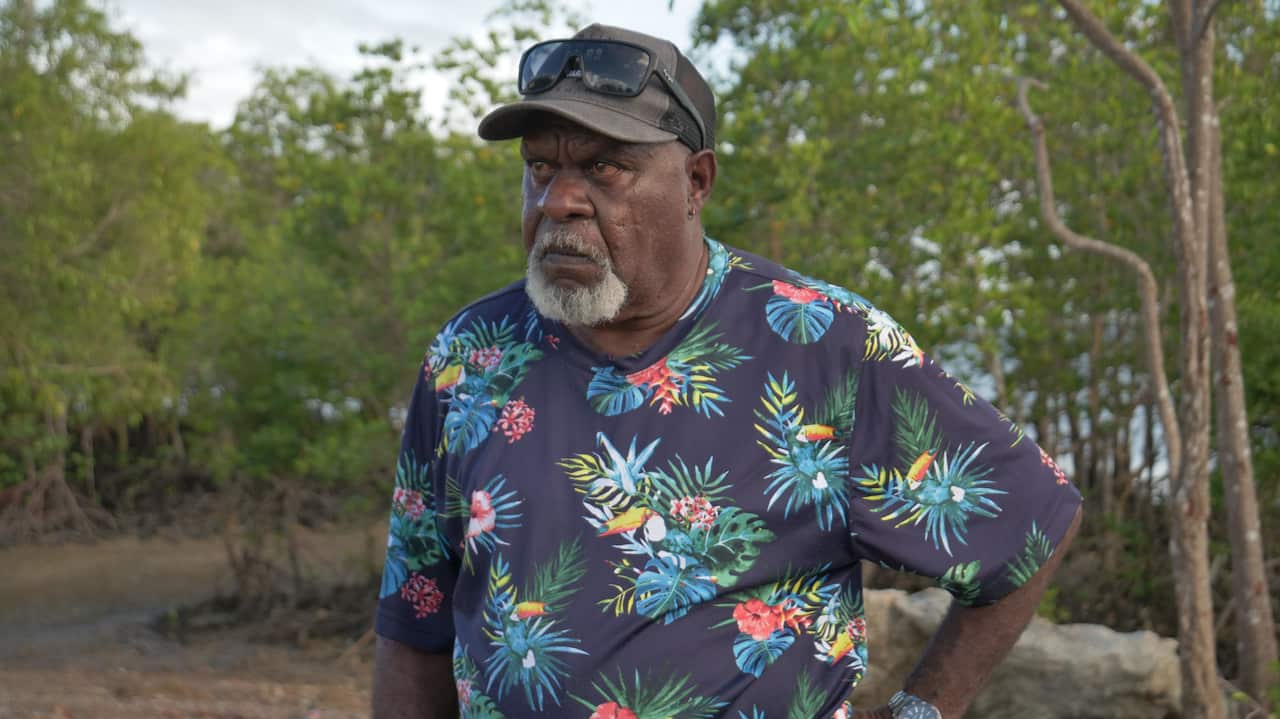
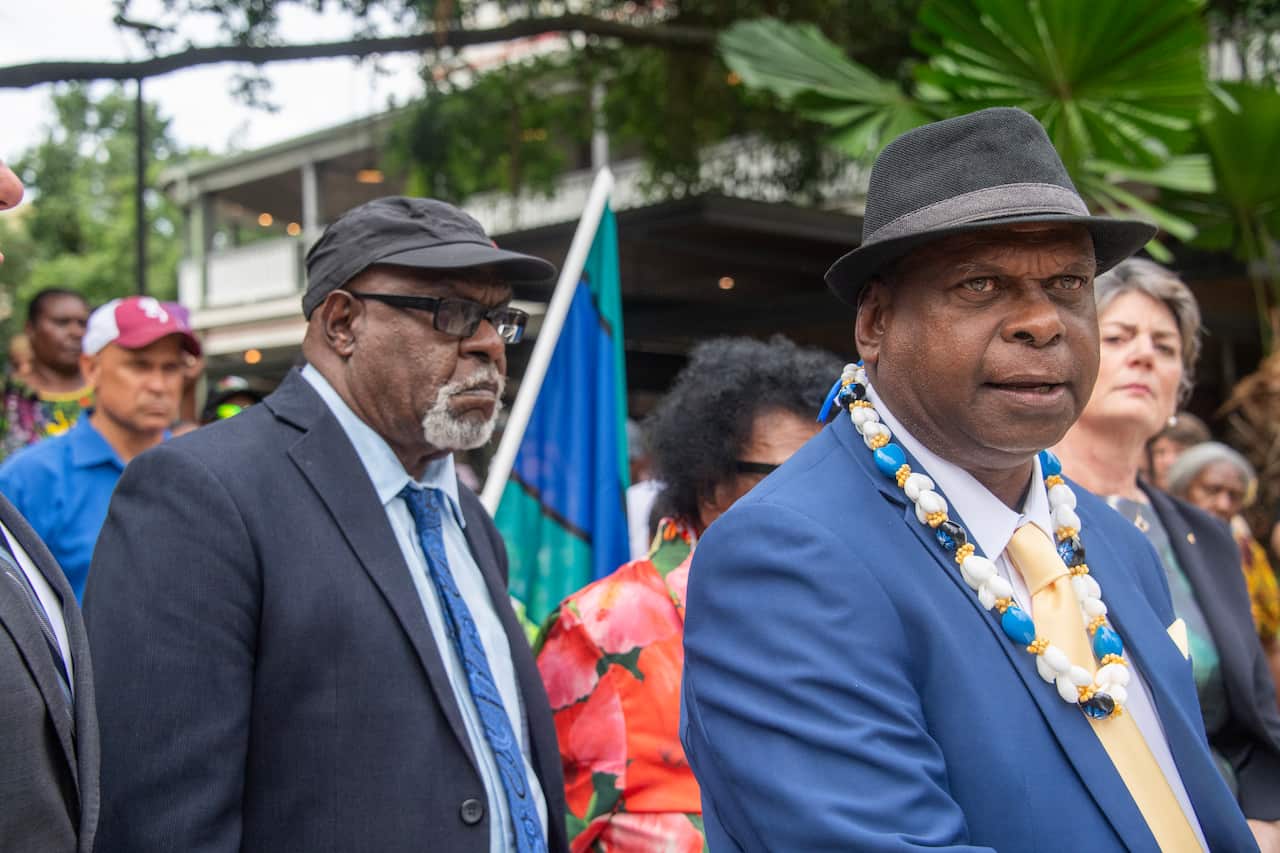
Uncle Pabai Pabai, a Traditional Owner from Boigu, and Uncle Paul Kabai, a Traditional Owner from Saibai, appeared before the court on Tuesday for the beginning of a four day appeal, after losing their case against the Commonwealth last year.
The pair launched a class action against the Commonwealth in October 2021, arguing the Australian Government owed Torres Strait Islander people a legal duty of care to protect them from climate related harm.
Their case focused on the impacts of rising seas, erosion, extreme weather and saltwater inundation across the low lying Torres Strait Islands.
The original case was dismissed by the Federal Court in July 2025.
Justice Michael Wigley accepted many of the key facts regarding the devastation of climate change, but ultimately found that the federal government did not owe Torres Strait Islander people a duty of care in mitigating climate harms.
The Federal Court also found the Commonwealth’s emissions reduction targets set in 2015, 2020 and 2021 had not properly considered what the best available science indicated was required to limit global warming.
Addressing supporters outside court before proceedings began, Uncle Pabai said the fight was about protecting future generations and preserving culture.
“We are standing here today… We won’t stop here. We’ll keep fighting for our people until we get to the journey to satisfy our people in the Torres Strait and the Aboriginal people,” he said.
During the appeal, the Uncles’ legal team will argue the original judge made errors in reaching several legal conclusions.
They will argue the Commonwealth does owe a duty of care to Torres Strait Islander people in relation to climate change and that additional emissions caused by Commonwealth decisions can legally contribute to the harm being experienced by their communities.
The appeal will also consider whether the loss of culture, including Ailan Kastom (island custom), can be recognised and compensated under Australian law.
Speaking before the hearing, Uncle Paul said the appeal represented years of work by communities determined to have their voices heard.
“I am very proud to be here today to witness the appeal, which we’ve been waiting for for years… It is the time that we all stand together to make this voice stronger to the government," he said.
Uncle Paul said Torres Strait Islander communities were being disproportionately affected by a crisis they had contributed little to creating.
He said rising seas, unpredictable storms and other climate impacts threatened to force Torres Strait Islander people from their ancestral homelands.
“If we fail, there will be no future for our next generation,” he said.
Boigu and Saibai are among the northernmost inhabited islands in the Torres Strait and sit only a short distance above sea level.
Communities have reported seawater flooding homes, roads, gardens, burial grounds and other culturally significant places.
The court previously heard evidence that the changing climate was also threatening freshwater supplies, food security, marine ecosystems and cultural practices connected to land and sea Country.
The Uncles are represented by Phi Finney McDonald, with their appeal being argued by a legal team led by Fiona McLeod AO SC and Sera Mirzabegian SC.
The appeal is being heard by three Full Federal Court judges and is scheduled to continue until Friday 31 July.
A decision is expected to be delivered at a later date.