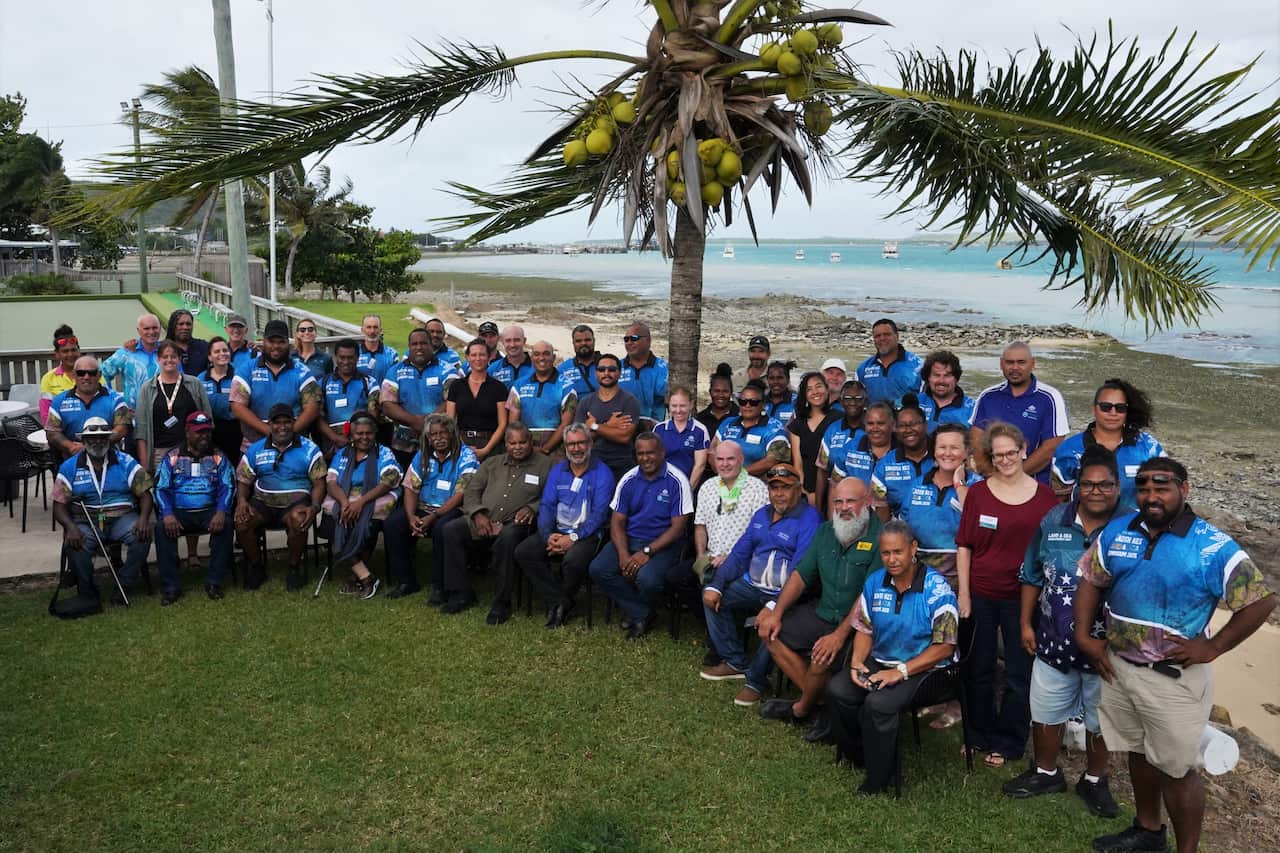
Against the turquoise ocean and coconut palms on Waiben Thursday Island, Traditional Owners and scientists gathered to tackle the climate threats facing the Torres Strait.
Believed to be the country’s most northernmost conference, the Zenadth Kes Land and Sea Symposium wove together First Nations knowledge with contemporary science.
More than 70 Elders, community leaders, scientists and academics gathered for three days in late April to discuss threats to the region’s vital marine resources.
Home to 270 islands, six of the world’s seven marine turtle species, and more dugongs than anywhere else on the planet – the ocean is integral to the Torres Strait.
But the 17 inhabited islands, some lying just two metres above sea level, are facing an uncertain future as climate change accelerates coastal erosion and flooding.
The conference was co-hosted by the Torres Strait Regional Authority (TSRA), whose Indigenous ranger program works across the region to monitor and protect vulnerable ecosystems.
Two-way science
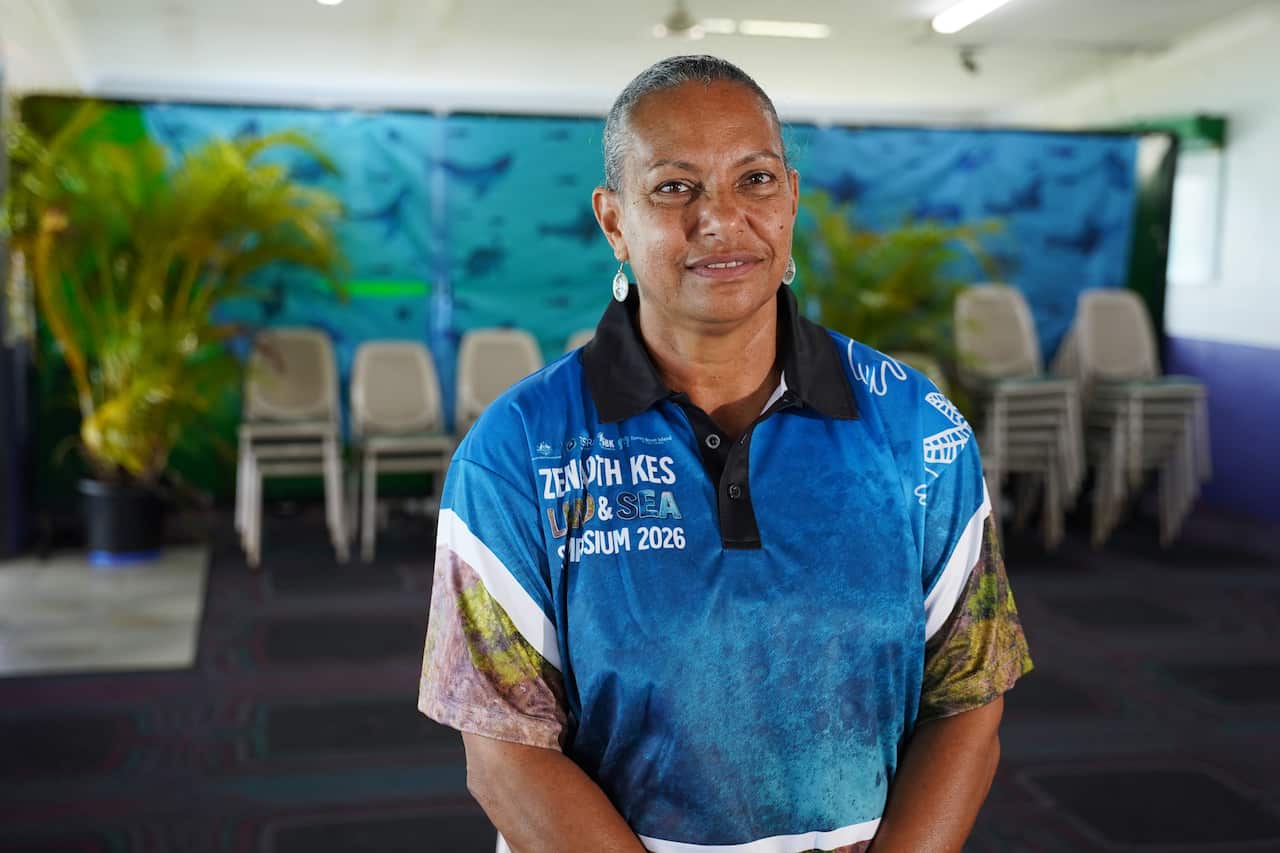
Traditionally, cultural knowledge has been documented orally, passed through generations in stories, art, song and dance. But the event MC, TSRA Manager Ella Kris, said both ancient and modern wisdom are key to finding climate solutions.
“When we weave traditional knowledge with science we become stronger. We care in a way that honours both land and sea, and we honour our ancestors and future generations.
“We move forward with clarity and purpose to protect and restore,” she said.
In the lead up to the conference, TSRA rangers travelled across Zenadth Kes — the traditional name for the Torres Strait — holding community workshops to identify the region’s most important environmental and cultural priorities.
The symposium identified sixteen key values, including dugongs, seagrass meadows, turtles and coastal bird habitats. Rangers collected concerns directly from communities before bringing them to the symposium on Thursday Island.
The name Zenadth Kes combines words from Torres Strait languages referencing the four winds that blow through the region.
It reflects generations of traditional knowledge found in navigation, language, tides and seasonal change.
Forging a ‘new path’
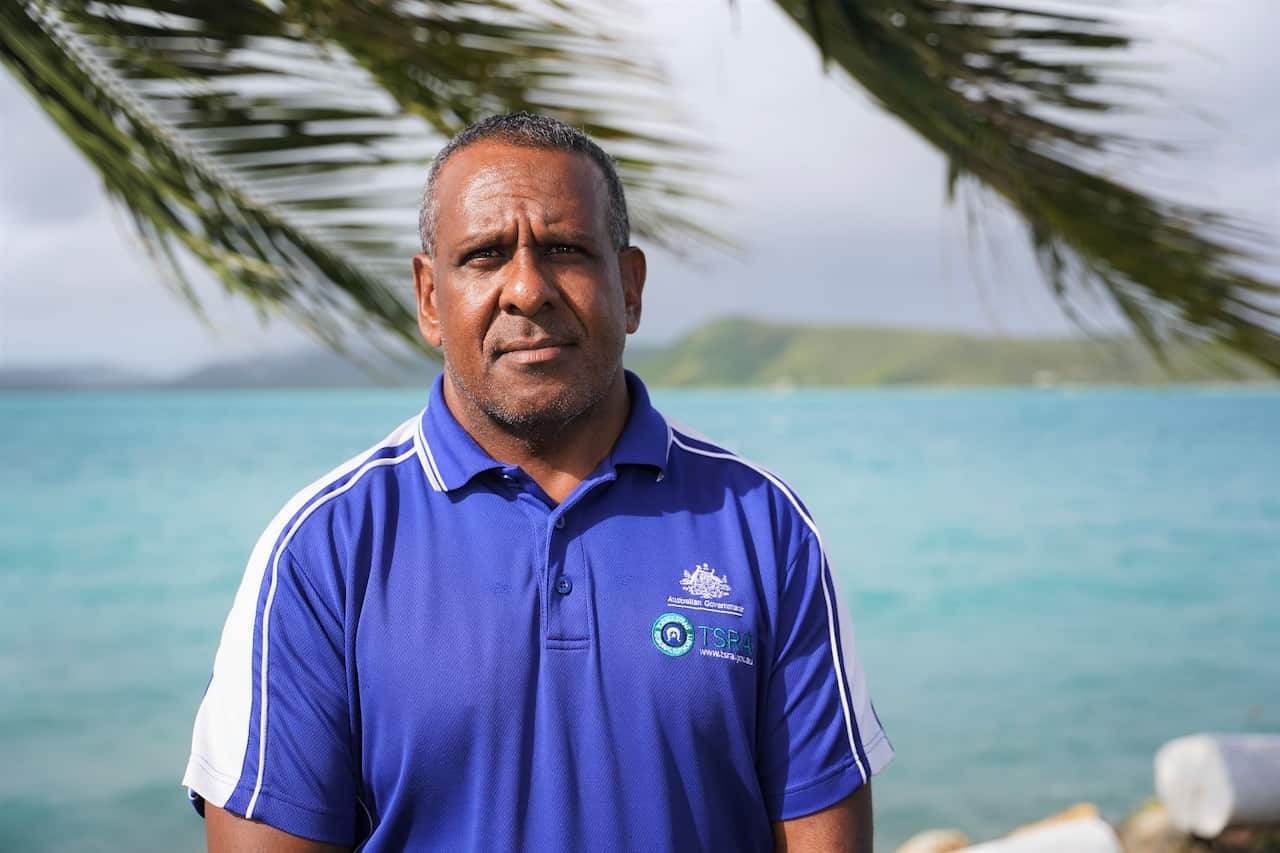
TSRA Chairperson George Nona said that he was fortunate to have inherited cultural wisdom from his ancestors.
“The Zenadth Kes is like a pearl shell that’s shut. Inside that pearl shell there’s value, and we’re keepers of that hidden treasure. Only we know what that value is."
“Some of our people may not have that piece of paper, but they have graduated from the school of life,” he said.
Alongside scientific presentations and policy discussions, the symposium featured cultural performances from Island Stars, a local youth dance group, and demonstrations of traditional grass weaving.
The symposium will inform the Torres Strait's input into a nation-wide State of the Environment Report due in December 2026. The report is released every five years under federal environment law, which sets priorities for the next decade.
The conference highlighted a growing movement towards ‘co-design’ – an approach used in environmental management that brings Indigenous communities, scientists and government agencies to the table.
“We are forging a new path where communities are heard and valued with our knowledge woven together with science in best managing our own land and sea,” said Nona.
Frankie Adkins and Josh van Staden travelled to Thursday Island with support from the Pulitzer Center.