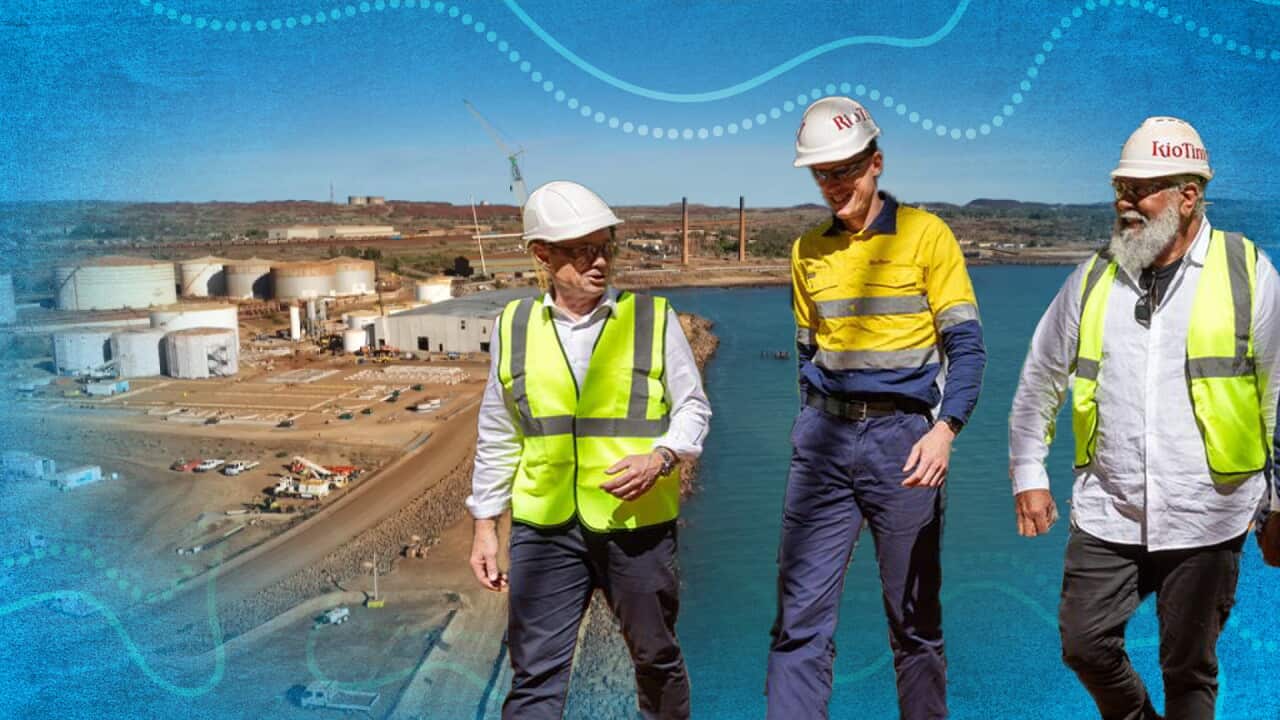
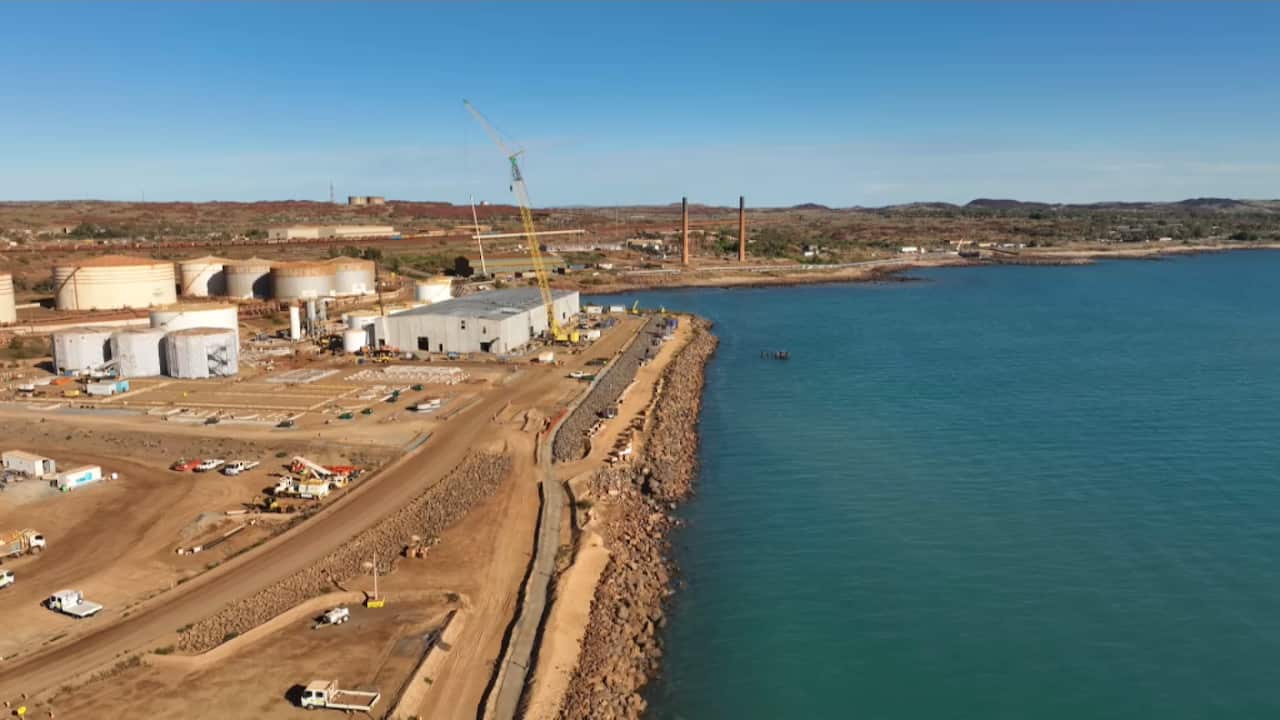
The Dampier Seawater Desalination Plant is set to become one of Australia's first major pieces of essential water infrastructure to be owned and operated by a majority First Nations company, Yindjibarndi Water.
It is hoped the plant will help protect significant Yindjibarndi sites, and also provide employment for the Yindjibarndi community.
The Western Australian government and mining giant Rio Tinto are currently 50:50 joint venture partners in the $1.1 billion plant, that is designed to provide 8 billion litres of water a year into the West Pilbara Water Supply Scheme.
The reclaimed sea water will be used by Rio Tinto in its mining operations and will also provide drinking water for 10,000 homes in Karratha, Wickham, Roebourne, and Point Samson.
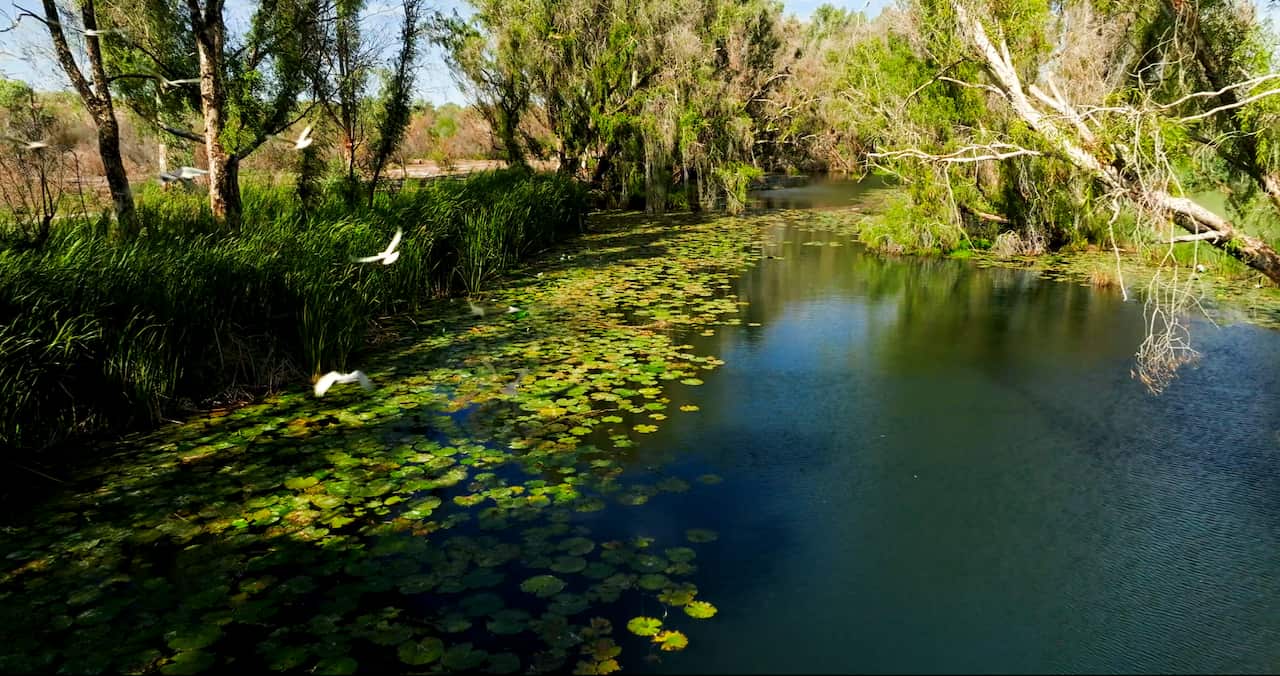
Yindjibarndi Water Chairperson Michael Woodley says the plant will take pressure off the culturally significant Bungaroo and Millstream aquifers.
“We formed Yindjibarndi Water as a majority Yindjibarndi-owned entity in 2021 to find a solution to over-extraction from Millstream for the West Pilbara Water Supply Scheme,” the Yindjibarndi man said.
Yindjibarndi Water has worked with Perth-based Affinity Capital Group to raise the capital to purchase the Dampier Desalination Plant.
Woodley said Traditional Owners have spent decades “advocating for protection of Millstream and discussing it with government to take in the views of the cultural significance of our water, the spiritual significance of our water, and the religious significance of our water.”
The Yindjibarndi people hope their culturally significant water sites will be protected from overuse when water is instead taken from the sea.
Construction of the first stage of the desalination plant is expected to be completed this year, with the first 4GL of water being produced from the sea in 2027.
Stage 1 is expected to significantly reduce extraction from the Bungaroo aquifer, while further construction, expected to be completed by the end of 2027, is designed to add an extra 4GL of reclaimed sea water to the system each year, taking pressure off the Millstream aquifer.
Woodley says the project will also create jobs for years to come.
“This is a generational project and I can only say that this will be a benefit not only for the people but for the local economy where we live and work.”
Premier Cook acknowledged the Yindjibarndi people as custodians of the land and now soon to be owners of a large infrastructure and business project.
“By working with the Yindjibarndi, it can empower the Traditional Owners for multi-generational business opportunities and business development," the Premier said.