Decades before she began her history-making foray into politics, Linda Burney had a passion for education.
The Wiradjuri woman became the first Indigenous graduate of the teaching degree at Charles Sturt University (then known as Mitchell College) in 1978.
Soon afterwards, she joined the Aboriginal Education Unit in NSW's Education Department, developing the first-ever Aboriginal Education Policy, an influential template for Indigenous education across the country.
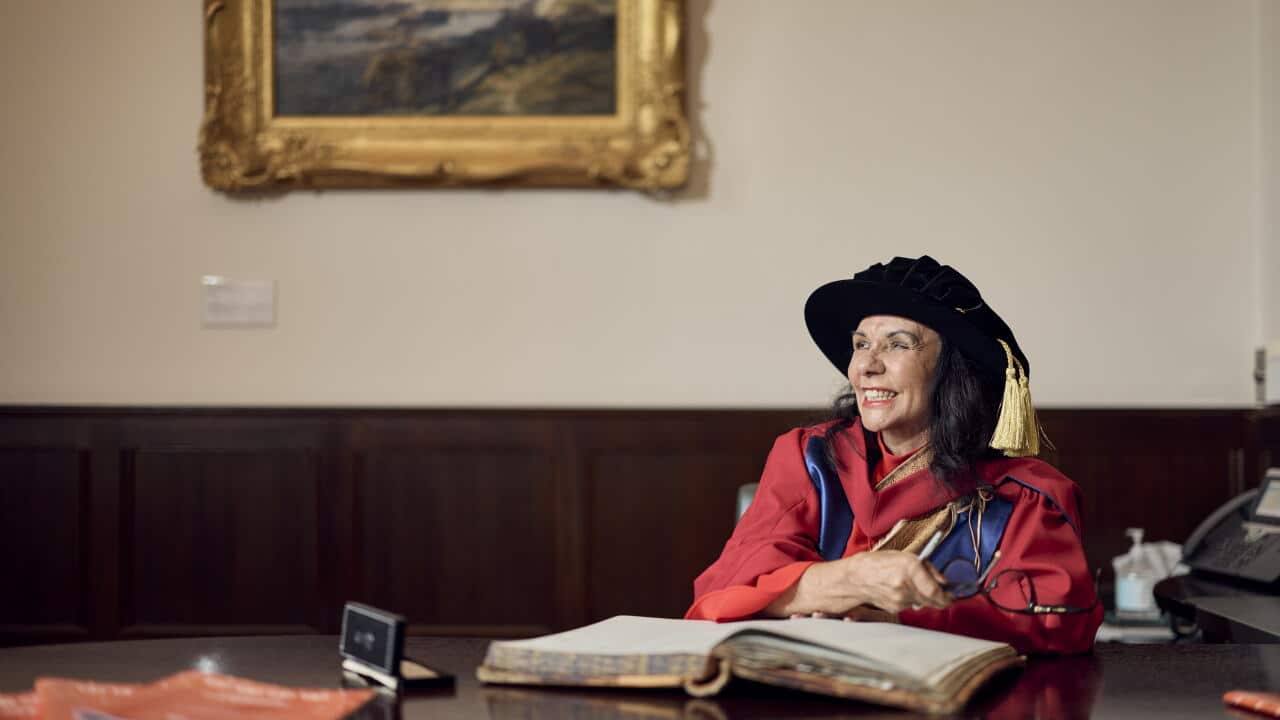
Now the former Indigenous Affairs minister has been recognised for her decades of work and advocacy, with the University of Sydney awarding her an honorary Doctor of Letters, the humanities highest degree.
The first Indigenous woman elected to the federal House of Representatives and NSW's first-ever Aboriginal MP, the degree also recognises her work in public service and towards reconciliation in Australia.
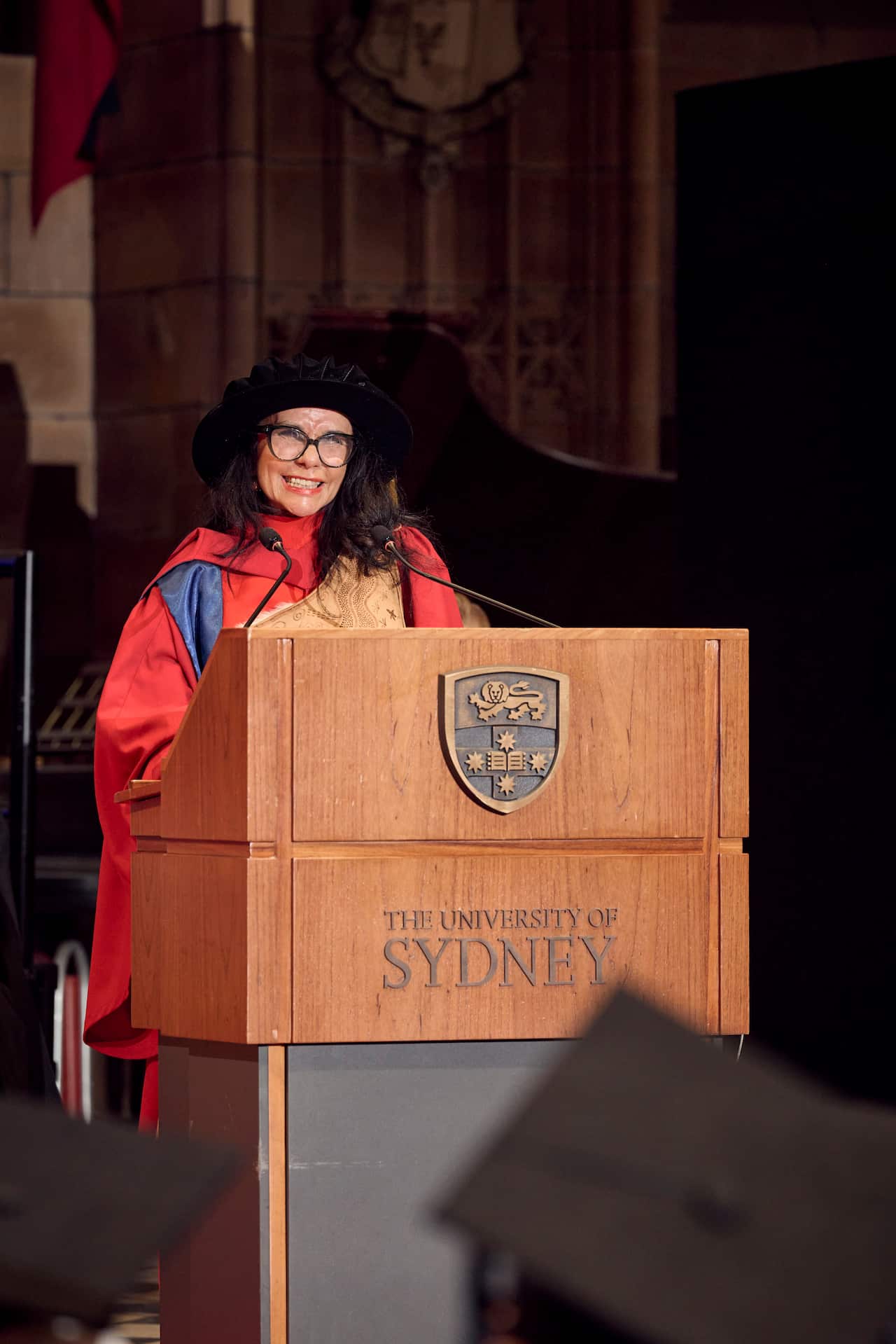
Speaking at a ceremony for 2025 graduates on Monday, Ms Burney urged graduates to "please keep learning."
"Understanding the real story of a nation is important for you as future leaders, no matter where in the world you come from," she said.
She also encouraged international students to take lessons from their temporary residence home with them.
"You’re graduating at a time where the world is changing. You have spent the last three or four years in a very precious place called Australia, with a liberal democracy that does not exist very much around the world," she told the Business School graduates.
"So make sure that you take that into your hearts and that you understand what a privilege it is and how democracy needs protecting."
Speaking to Burney's many achievements, University of Sydney Vice Chancellor and President Professor Mark Scott called her a "visionary leader".
"The Honorable Linda Burney['s] legacy is one of courage, unwavering advocacy and profound service," he said.
"From her early work shaping Aboriginal education policy in New South Wales to her leadership on the national stage, she has contributed to lasting change in how institutions engage with and support Indigenous communities."
Pro-Chancellor Shirley Chowdhary reflected on her personal experiences with the Wiradjuri woman.
"It has been my privilege to know and work with Linda over the last ten years," she said.
"Her leadership has consistently elevated Indigenous perspectives in national policy and public dialogue, and she has created pathways for Aboriginal and Torres Strait Islander people, especially women, to lead and thrive.
"Her impact continues to guide Australia toward a more just, respectful, and inclusive future."