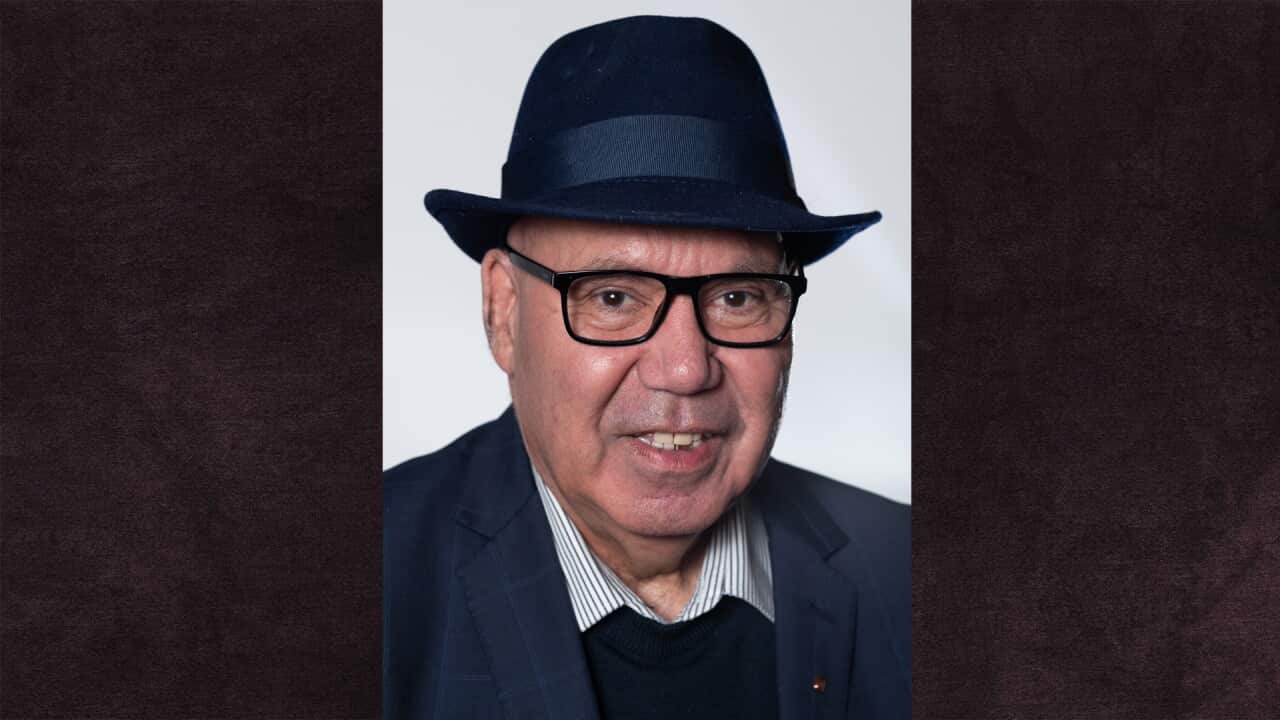
Professor Peter Buckskin, a proud Narungga man from South Australia’s Yorke Peninsula and a leading figure in Aboriginal and Torres Strait Islander education, has passed away.
Over more than four decades, he transformed the landscape of First Nations education, advocating tirelessly for community-led and culturally grounded learning.
Professor Buckskin dedicated his life to ensuring Aboriginal and Torres Strait Islander peoples had a sovereign voice in education.
He spoke openly about the role education had played in assimilation and dispossession, and worked to create systems where First Nations learners, educators, and communities could not only participate but lead.
Early in his career at Nulungu College in Broome, he travelled across the Kimberley to learn directly from students and communities.
He championed Aboriginal education workers, describing them as “the real work horses of the classroom,” whose cultural knowledge and care sustained generations despite being undervalued.
His leadership roles included teacher, senior executive in state and Commonwealth education systems, Dean at the University of South Australia, Chair of the South Australian Aboriginal Education and Training Consultative Council, and inaugural Chair of the National Aboriginal and Torres Strait Islander Education Corporation (NATSIEC).
Internationally, he contributed to UNESCO and the United Nations Expert Mechanism on the Rights of Indigenous Peoples.
NATSIEC CEO Shas Jurud described Professor Buckskin’s impact as “immeasurable,” recalling his phrase: “Aboriginal funding needs to glow in the dark,” highlighting his commitment to transparency, accountability, and community control.
Professor Buckskin’s work earned him numerous honours, including the Public Service Medal, National Deadly Award for Outstanding Achievement in Aboriginal and Torres Strait Islander Education, and multiple honorary doctorates.
He also chaired Tauondi Aboriginal College for more than 20 years, mentoring generations of Aboriginal educators.
He will be remembered for his integrity, generosity, and unwavering commitment to First Nations communities.
His legacy lives on through the educators, leaders, and young people he inspired, and in the continued fight for cultural safety, self-determination, and community-led education.