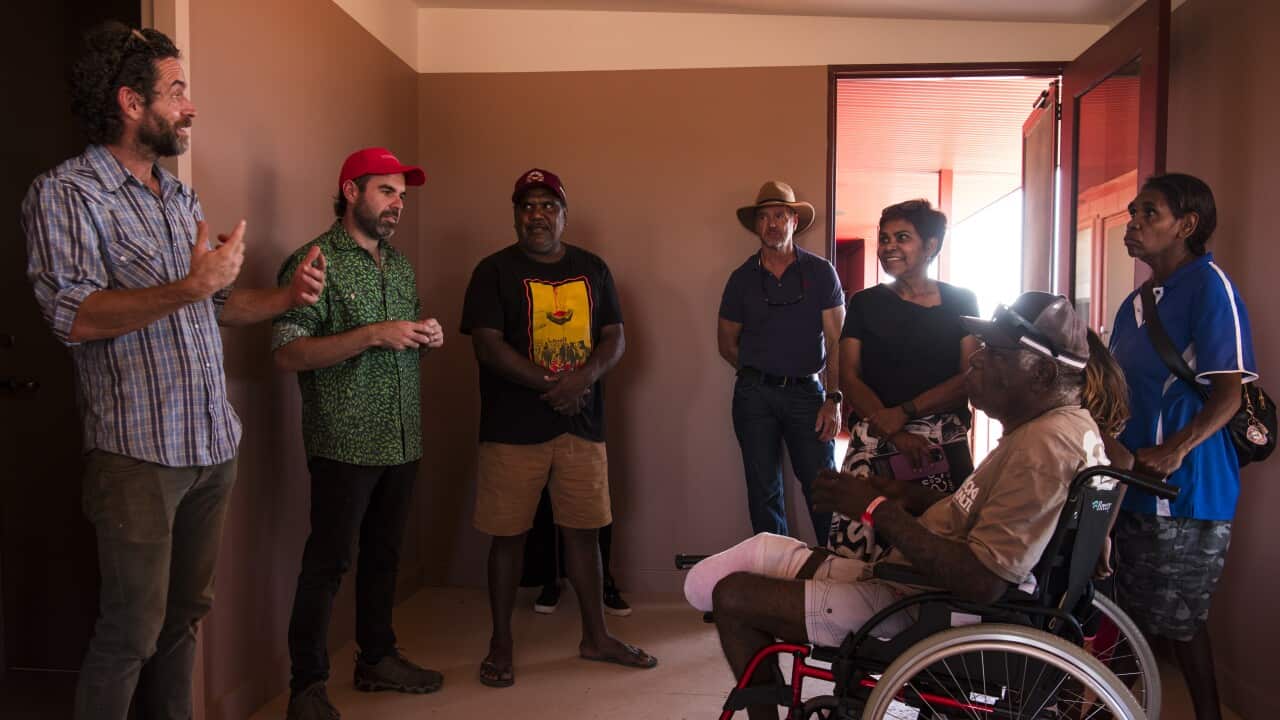
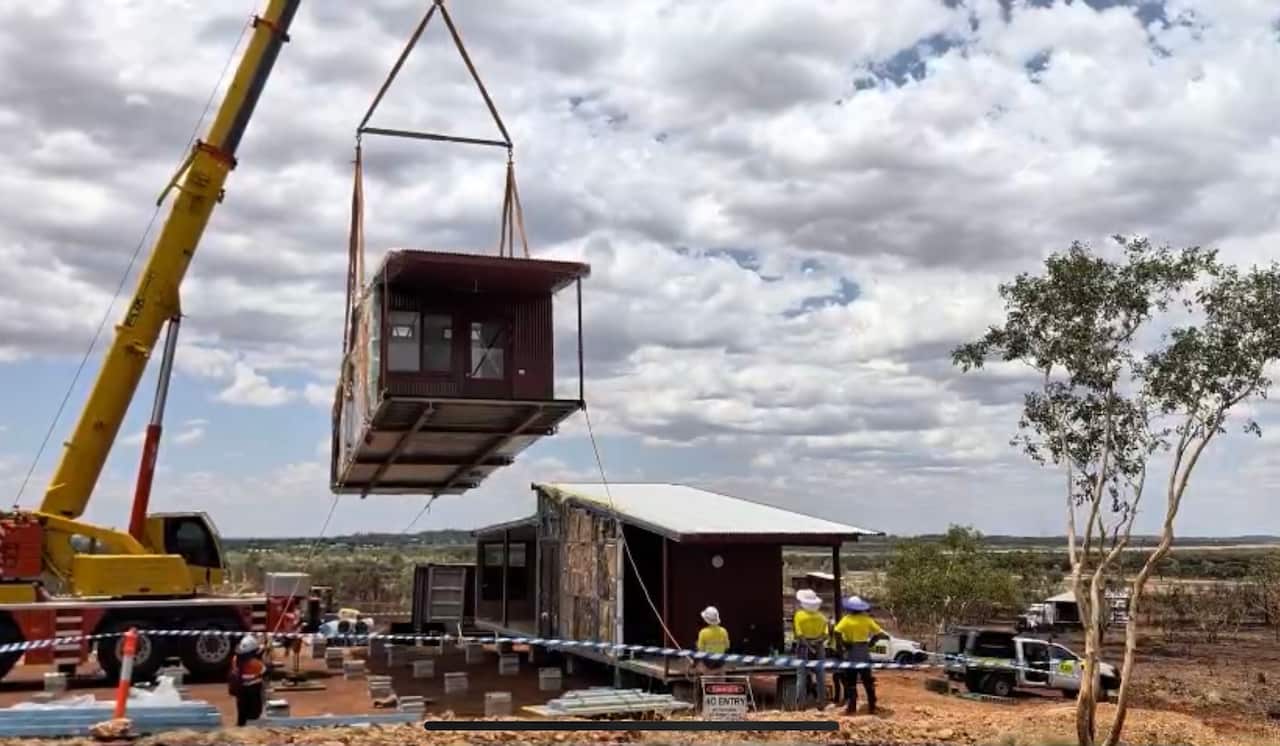
A single house nearing completion in Tennant Creek is drawing national attention - not because it is expensive or experimental, but because it was designed the right way.
Built on Warumungu Country, the Explain Home is the result of nearly two decades of advocacy, lived experience and community-led design - and it’s being hailed as proof that culturally safe, climate-smart housing in remote Australia is not only possible, but practical.
The project has been led by Wilya Janta, an Aboriginal-led organisation that works with communities to design housing grounded in culture, climate and local knowledge. At its core is a simple idea: Aboriginal people must have real authority over how their homes are designed.
The Explain Home uses locally made termite-mound mud bricks, creating thick, high-thermal-mass walls that stay cool during extreme heat. Solar panels, battery storage and rainwater harvesting have been installed to reduce reliance on costly and unreliable services - a common issue in remote communities.
But the home’s significance goes far beyond materials and technology.
It was developed alongside the Right Way Housing Guidelines, a framework co-designed by Warumungu community members through Wilya Janta.
The guidelines set out clear expectations for governments and industry about how housing should be planned and delivered - with genuine engagement, cultural safety and long-term durability built in from the start.
For Wilya Janta, the Guidelines respond to a long-standing problem: Aboriginal people across remote Australia have largely been excluded from decisions about the homes they live in, despite deep knowledge of Country, climate and family life.
The Explain Home is intended as a working example of what happens when that exclusion is reversed.
Wilya Janta Chief Operating Officer Dr Simon Quilty says the difference is immediately apparent.
“This home feels different because it was designed differently,” Dr Quilty said.
“It responds to heat properly, it works with the environment, and it reflects the way Warumungu families live. That only happens when community leads the design.”
The project has been supported by architects, researchers and philanthropists, including CSIRO and industry partners, to ensure the home performs to a high standard while remaining culturally grounded.
On Sunday night, Warumungu Elder Norman Frank Jupurrurla formally invited Prime Minister Anthony Albanese to visit Tennant Creek and see the Explain Home firsthand.
The invitation comes as the Federal and Northern Territory governments roll out a $4 billion remote housing investment - funding that Wilya Janta says must be guided by community-designed frameworks like the Right Way Housing Guidelines.
“This house shows what’s possible when Aboriginal people are included properly,” Mr Frank Jupurrurla said.
“It’s not just for Tennant Creek. It’s for communities right across the Territory and beyond.”
While the Guidelines were created specifically for Warumungu Country, Wilya Janta says the process can be replicated elsewhere - allowing each community to develop its own version of housing done the right way.
As the Explain Home nears completion, it stands not just as a place for one family to live, but as a challenge to governments and industry: listen, include, and build with community - not without them.