Cobar is in the heart of New South Wales, on Ngiyampaa Wangaaypuwan and Wongaibon Country.
More than 700 kilometres from Sydney, the town is home to around 4000 people.
Traditional Owner and Wangaaypuwan Elder Tyrone Griffiths was born there.
He remembers what it was like when seven houses were allocated to the local housing co-operative in the 1970s and 80s.
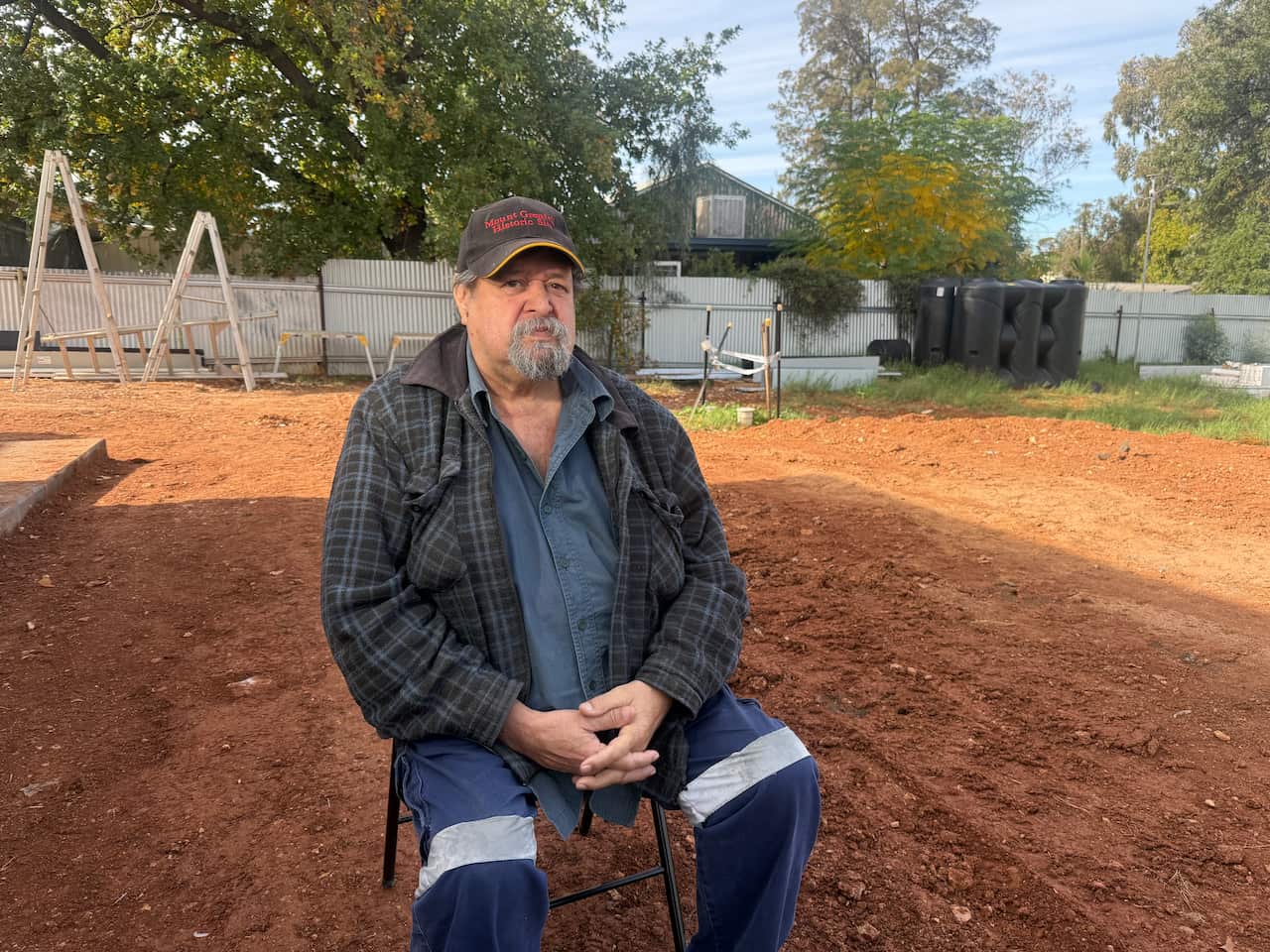
"They were old houses but where we come from, it was a mansion," Griffiths told NITV.
"We thought it was wonderful, and then after a while we realised there were leaks in the roof, asbestos and mould, but we just lived with it, because it was better than where we come from."
In Cobar, as in many places across the country, a lack of housing is a significant issue.
In such rural towns, there are critical obstacles to addressing the persistent shortage, such as a lack of skilled workers and the sheer distance materials have to be delivered.
A Melbourne-based team hopes a trial of their new 3D printing system can change that for the benefit of rural and remote communities like Cobar.
They're also refining their design to fit community needs by building relationships with Traditional Owners.
'If you can build in Cobar, you can build anywhere'
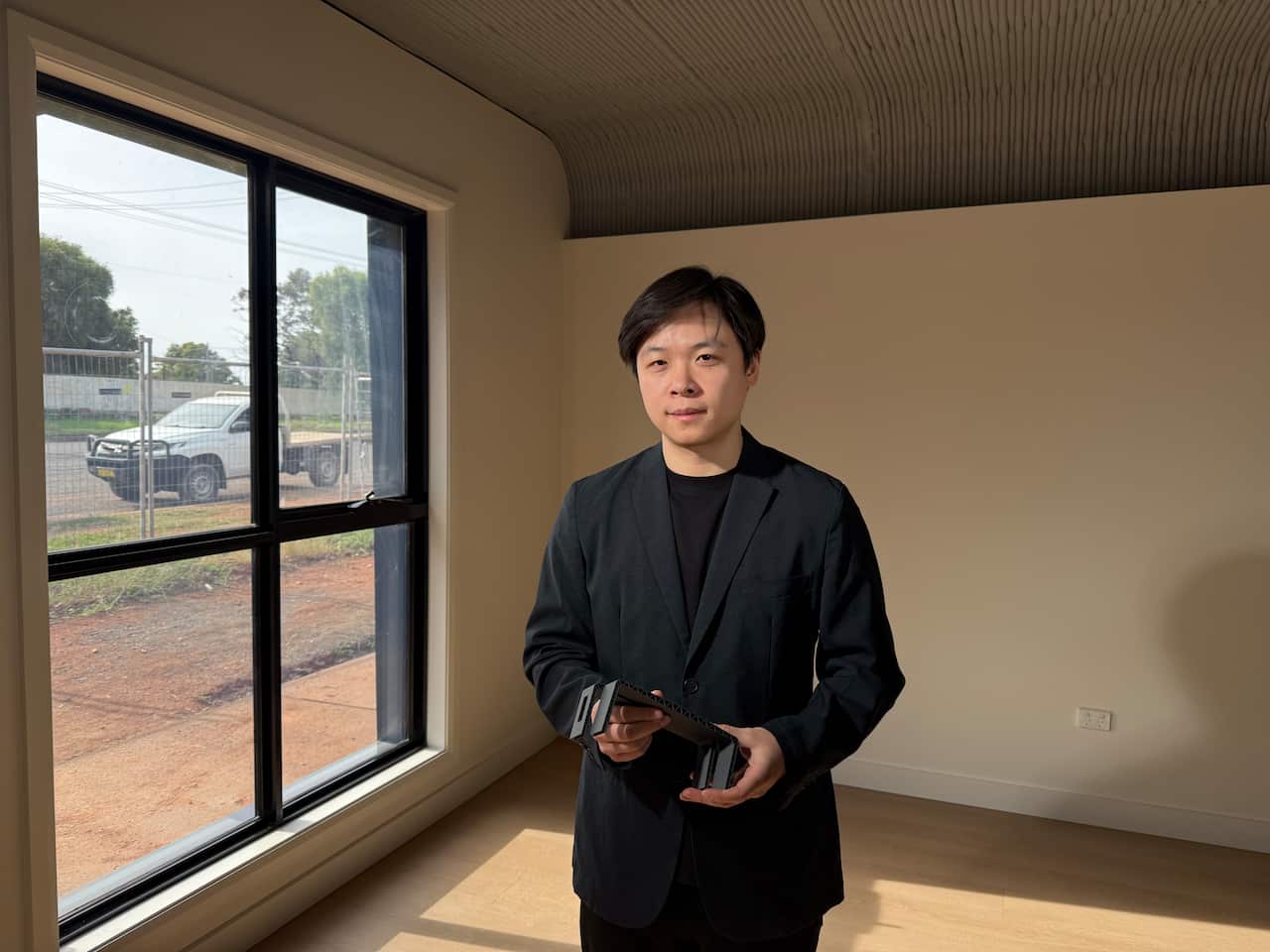
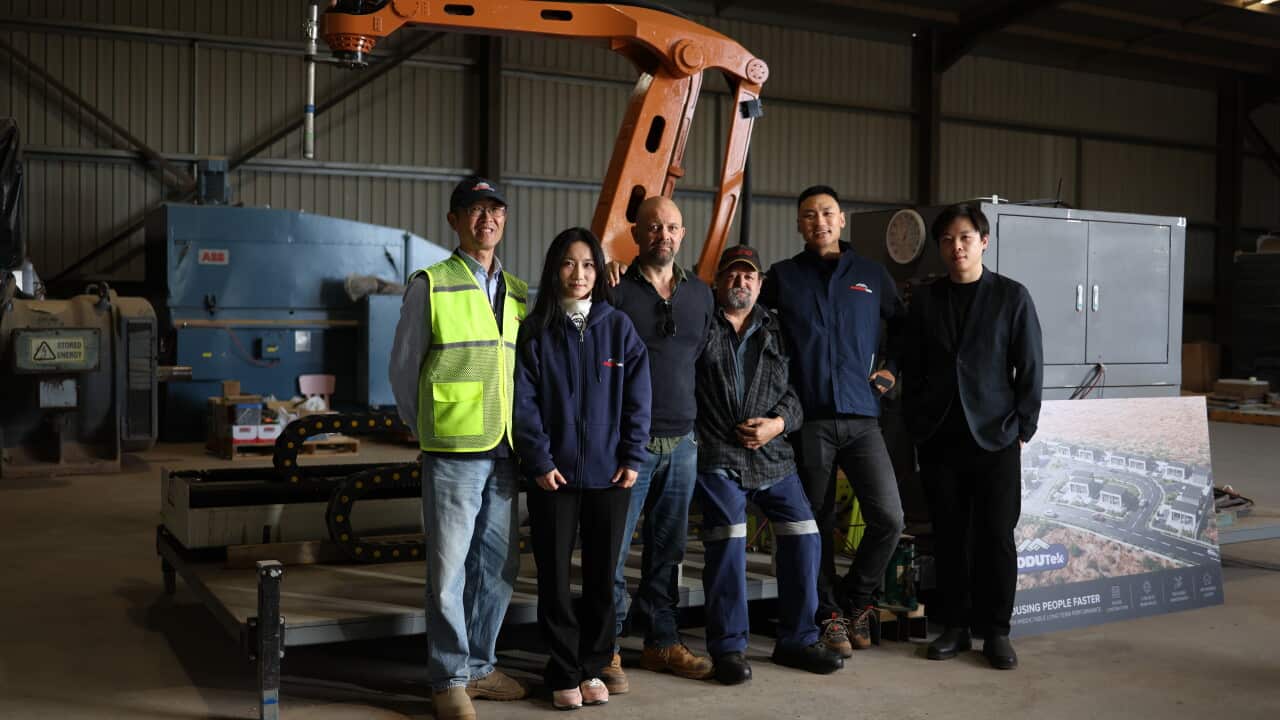
Modutek, a Melbourne-based design team including Dingwen 'Nic 'Bao, Sharon Li and Charlie Wang, prints walls and roof on site, with individual parts of the structure taking just four hours.
Printing in temporary factories means being able to more effectively climate control for the concrete to cure, essential in towns like Cobar, which can reach 45 degrees during the day.
"The printing is not a special technique. The most important thing is how we can meet the requirement of the local community," Dr Bao, a Senior Lecturer in architecture at RMIT, told NITV.
The trial has shown that it reduces the need for skilled labour, can have critical pieces built in the same town and not be impacted as often by weather delays.
How Uncle Tyrone became connected with the 3D printing project
Local builder Peter Tegg has been connected to Modutek since their research and development phase.
Modutek was testing the feasibility of 3D printing to support housing projects in rural Australia and reached out to Tegg to be their Project Manger when they chose Cobar as their first trial site.
Tegg, who has built a relationship with Uncle Tyrone over multiple projects, says he wanted to introduce the Victorian team to locals like Uncle Tyrone from the beginning.
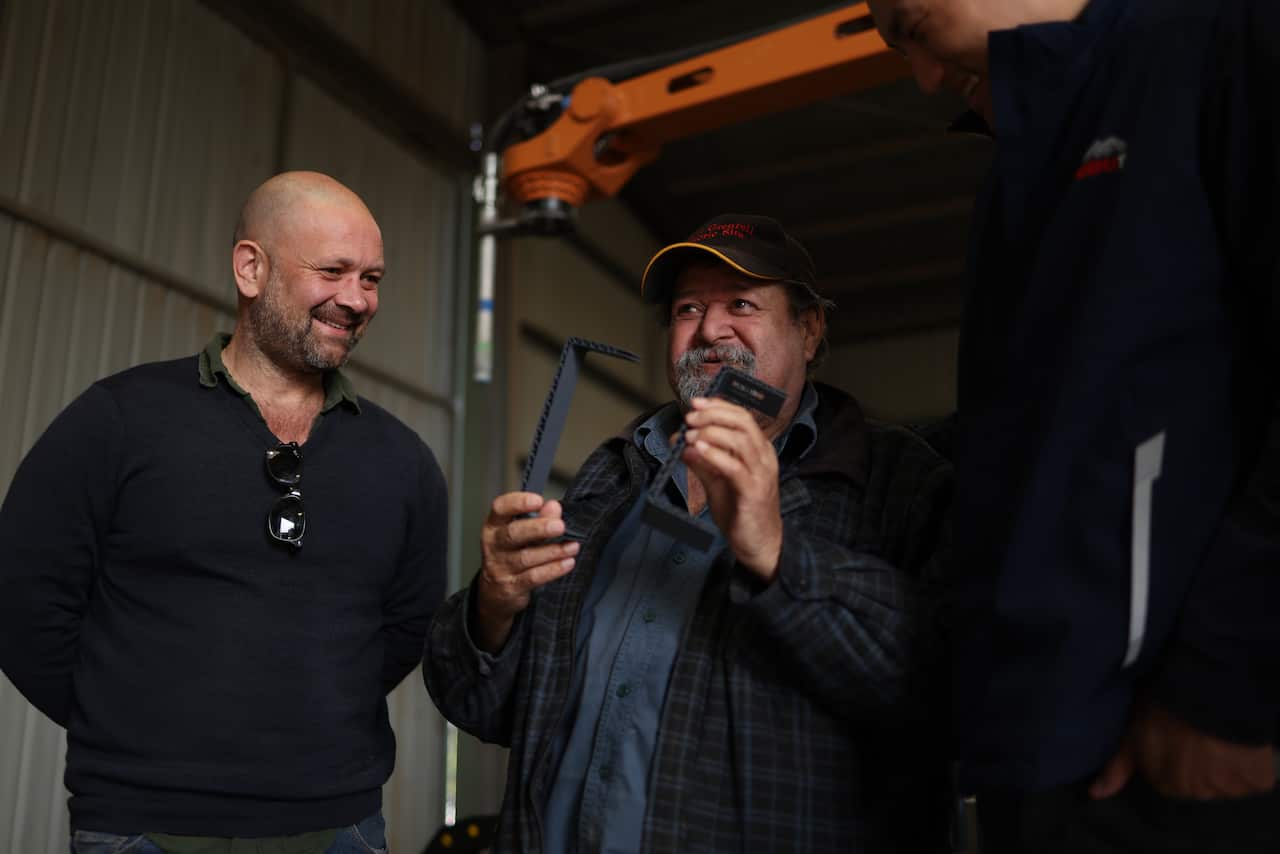
"We're basically in his home as a Traditional Landowner," Tegg told NITV.
"It was more important for the team that we had coming from Melbourne ... it gave them that true essence, or a Welcome to the Country."
"[Griffiths] has just been fantastic through the whole process, it's good for him to be involved and see some of this innovation," he said.
Bao also says that conversations with community members like Uncle Tyrone have impacted his design approach.
"[They] give us advice about what kind of building they like, and give us a lot of [knowledge about] their cultures, we know their lifestyles, which is better for us to design the projects," he said.
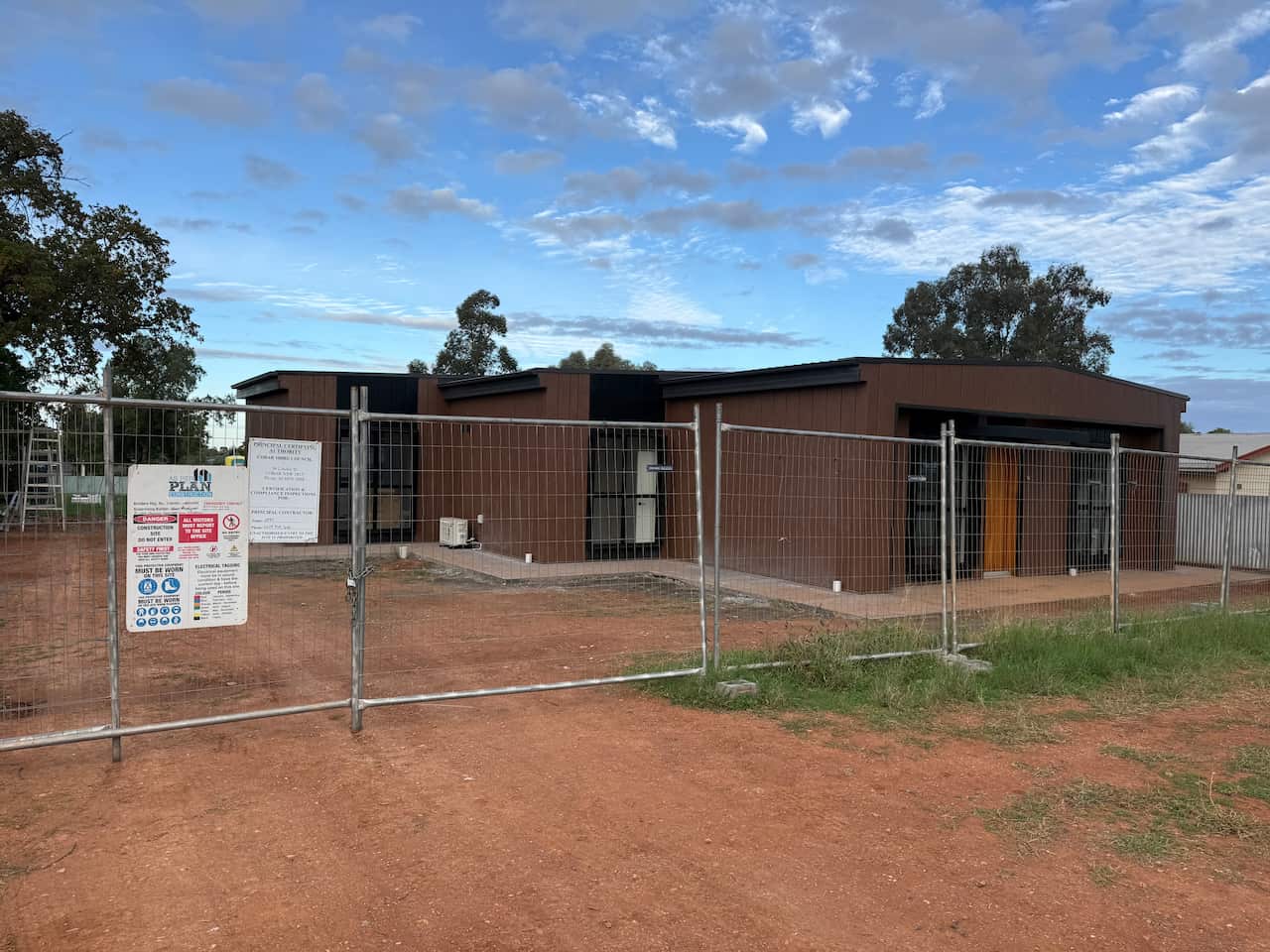
Tegg stresses the importance of the trial house being done in a rural town like Cobar, explaining that it was a key consideration in the development of the project.
"Our focus was, can we in a very remote region build this innovative style of house in the actual location itself [in] Cobar?"
"The reflection was being that if you can build it in Cobar, you can build it anywhere," he said.
Community want local management and more support for innovation
Griffiths is impressed with how the project is coming along and wants to see more innovative techniques supported in towns like Cobar, but believes that local management of housing is critical to addressing long term needs.
"[Some housing providers] don't live here, and they should be people that live here, and the lands council should be part of that," he said.
"But they need houses like this here, because they're solid, they'll last forever, and I reckon every new Blackfella house should be like this one."
Peter Vlatko, Cobar Shire Council's General Manager, told NITV that council "are very happy to support [this project] and hopefully there'll be a lot more built that way."
"The biggest housing challenges is there's no housing. We've got a growing community, a very big mining community and to attract people here to live and work and play, we need more homes," he said.