Mob in Zenadth Kes – Torres Strait – are calling for a smoke-free generation and taking a stand on high smoking rates in their region.
Grounded in Country and culture, the messaging is being created in traditional languages and reggae music, while community events are bringing fun and unity to a serious endeavour.
Tom Calma AO spearheaded the national Tackling Indigenous Smoking (TIS) Campaign when he was Aboriginal and Torres Strait Islander Social Justice Commissioner in 2010.
Since then, he said the campaign has saved over 100,000 lives and reduced national rates from 50 per cent to 30 per cent.
“The main thing is that with the community that we talk to them and say, ‘look, what's the best way to get the messages across to all your mob in your community so that they don't take up or give up smoking?’,” he said.
“It's empowering the community to come up with the solutions instead of somebody else saying 'this is what's good for you.'”
The only Aboriginal Health Service in the region, Torres Health, said it has engaged cultural leaders to help form its local TIS campaign; Breathe Stronger, Breathe Longer.
Renee Williams, CEO of Torres Health, said renowned keeper of culture, Joey Laifoo, formed the logo design, and the story and strength behind the meaning of the campaign.
“We want people to be here longer,” Ms Williams said.
“[The campaign] is very much about the four winds of the Torres Strait, and then the fifth wind is about clean air and us calling out for a generation free of smoking and vaping.
“That can make a major difference for the future of our people and the culture of our people.”
Campaign starts in the birthplace of Mabo
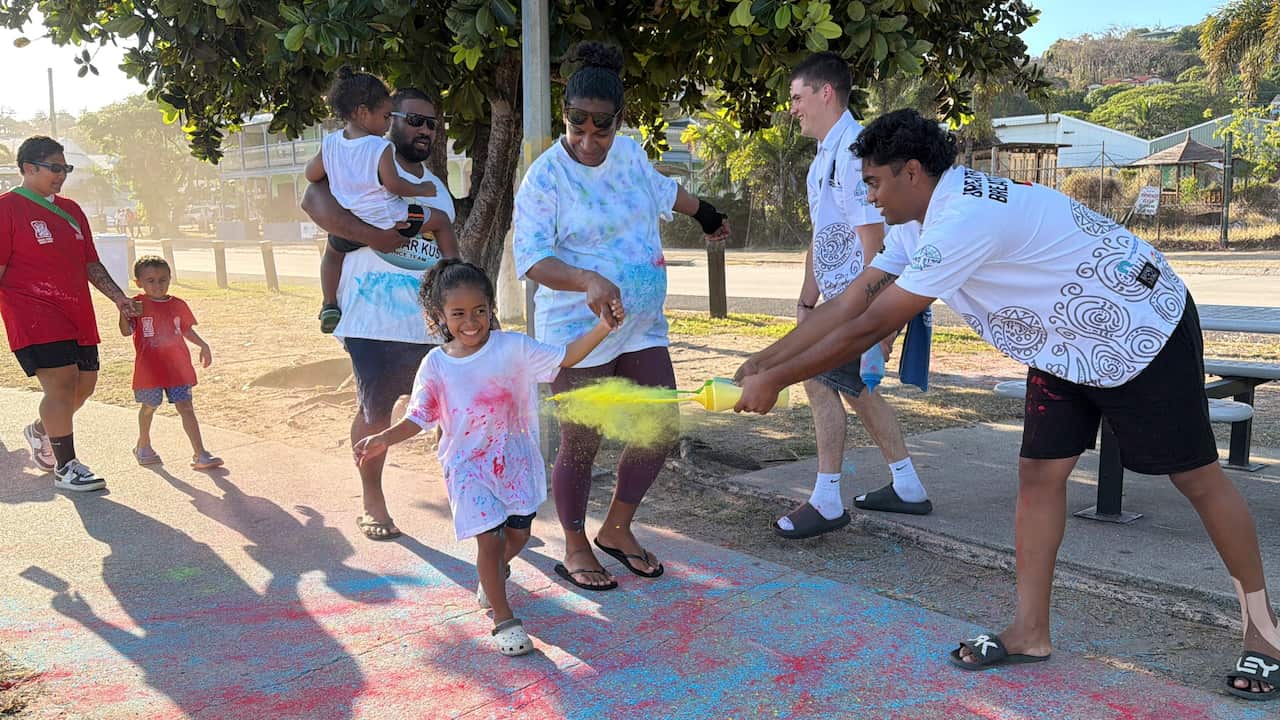
Honouring the work of Eddie Koiki Mabo, Zenadth Kes’ new smoking campaign was launched on Mer Island with a colour run and reggae video.
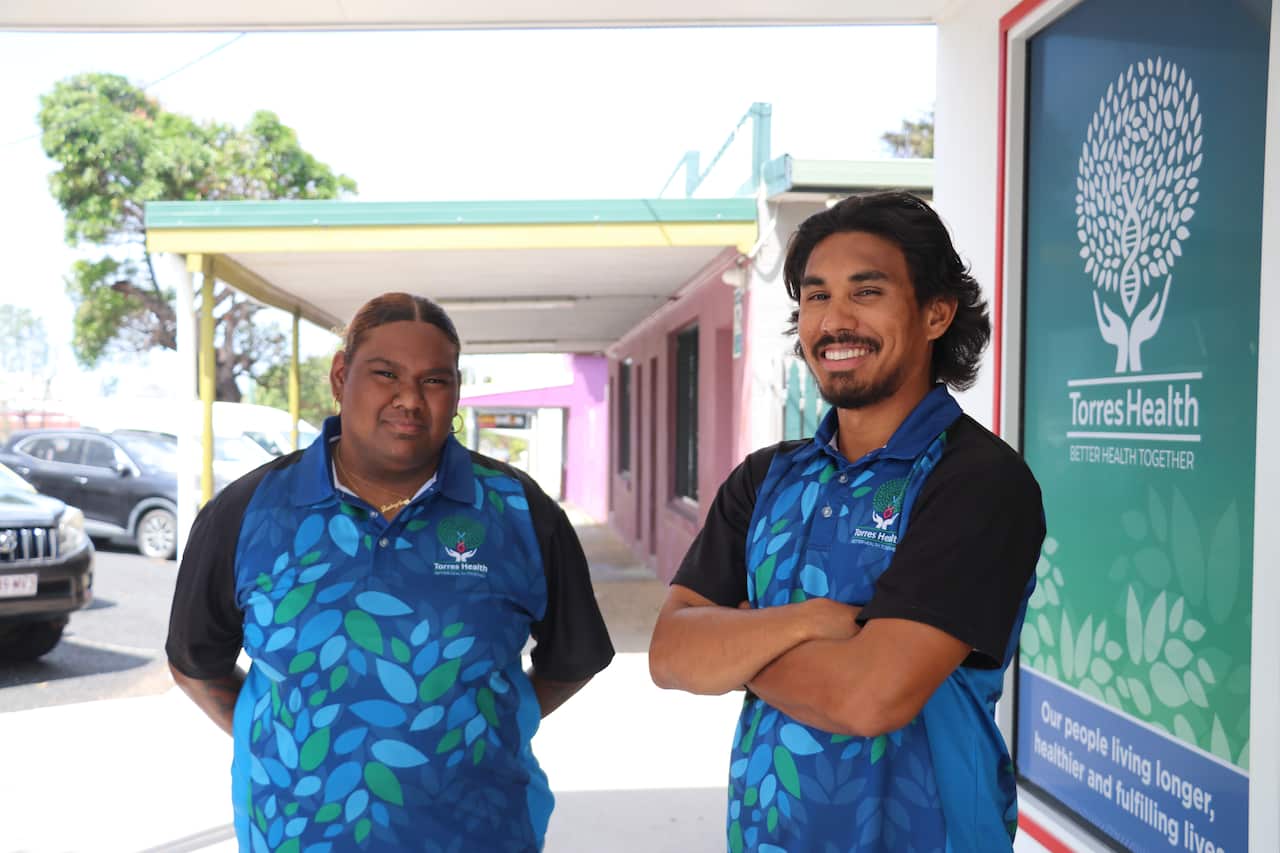
Torres Health TIS worker, Rashae King said the team wanted messaging to come off strong and grounded in culture.
“Sixty per cent of [Mer] is made up of smokers, which is a really high percentage, and it was important that we get the message out,” she said.
Torres Health TIS worker, Oshan Shibasaki said it was a lot of fun making the music video with the community and working on the lyrics with school students.
“We went into the Tagai Primary School, and we were able to connect with the kids,” he said.
“We did dancing, and we did education around smoking and vaping, and we were able to create a song out of it.”
Some of the lyrics the young people share in their song ;
Rashae said the finished product was launched on Mer, with a colour run and festivities.
“There were a lot of smokers who [attended] - they did see the message that the younger ones had for them,” she said.
Rooted in colonialism
Associate Professor at ANU Raglan Maddox said it was important to understand the history of how and why tobacco was systematically embedded across Australia.
“The payment of rations of flour, sugar, tea, tobacco, entrenched nicotine addiction across Australia, across the diversity of Indigenous people, of hundreds of languages, dialects, countries, waterways [and] islands,” he said.
Communities continue to carry the burden and the harms caused by and fuelled by the tobacco industry.
“We know today that that smoking causes 37 per cent of all Aboriginal and Torres Strait Islander deaths.
“So, more than one in three of all deaths will be due to smoking.
“Cardiovascular diseases, respiratory diseases, a dozen cancers are caused by tobacco use, diabetes, a range of chronic diseases.”
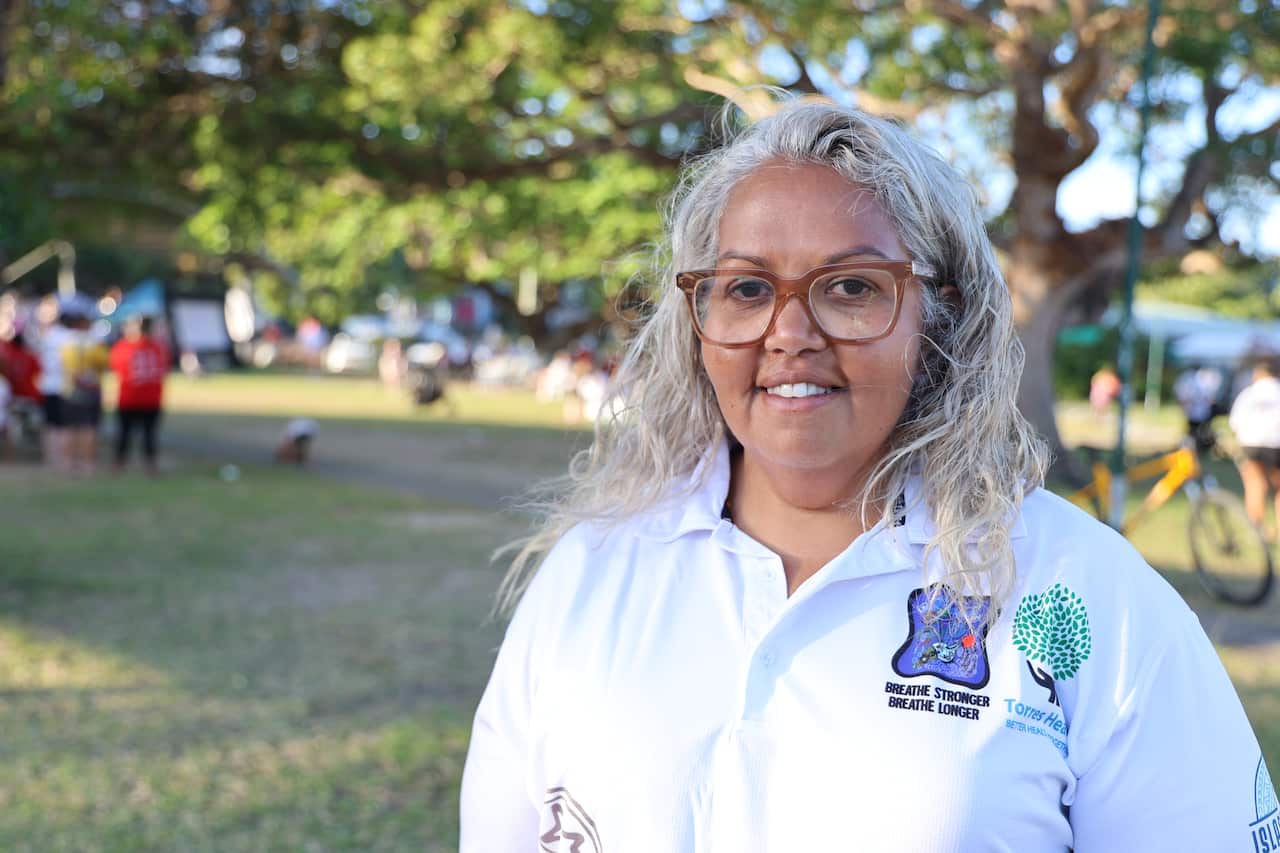
Ms Williams said high rates of cancers related to smoking in Zenadth Kes were a concern.
“We have delays in diagnosis, delays in treatment, and so therefore it's better to get prevention and stop before you even start, so that you're not there,” she said.
Mr Maddox said the industry had predatory behaviour that tried to hook users at a young age with products like vapes.
“We're seeing vaping and pouching and other things come along as they try to recruit a new cohort of users to have a lifelong addiction and to continue to profit ultimately," he said.
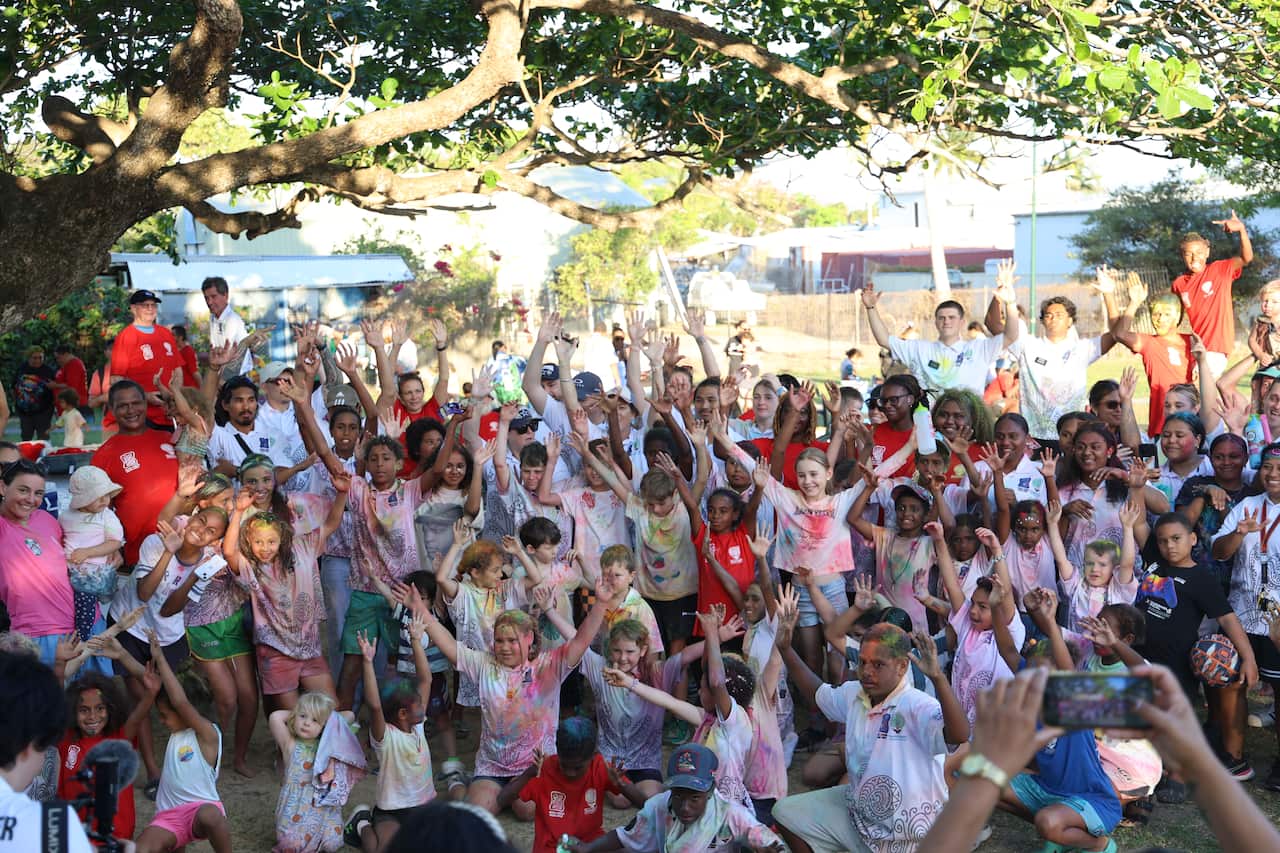
“It's really encouraging to hear of the fifth wind and [there videos where] young Torres Strait Islander peoples speak up about the benefits of living healthy, long, happy lives.
“To enjoy their kai, to dance, to do the things that are so special about being an Indigenous person.”
Better access for quit therapies needed
Ms Williams said it was also a struggle to get so-called quit therapies, such as patches, delivered to Zenadth Kes in a timely manner, with months between deliveries.
She said Torres Health has been working with Queensland's Hospital and Health Services and Quitline to look at different ways of bringing them closer.
“That delay can mean that somebody is not at the place they were when they made the phone call to quit line,” she said.
“We want to see people attempt. We know that it takes nine attempts before somebody can quit – we know it's hard.”
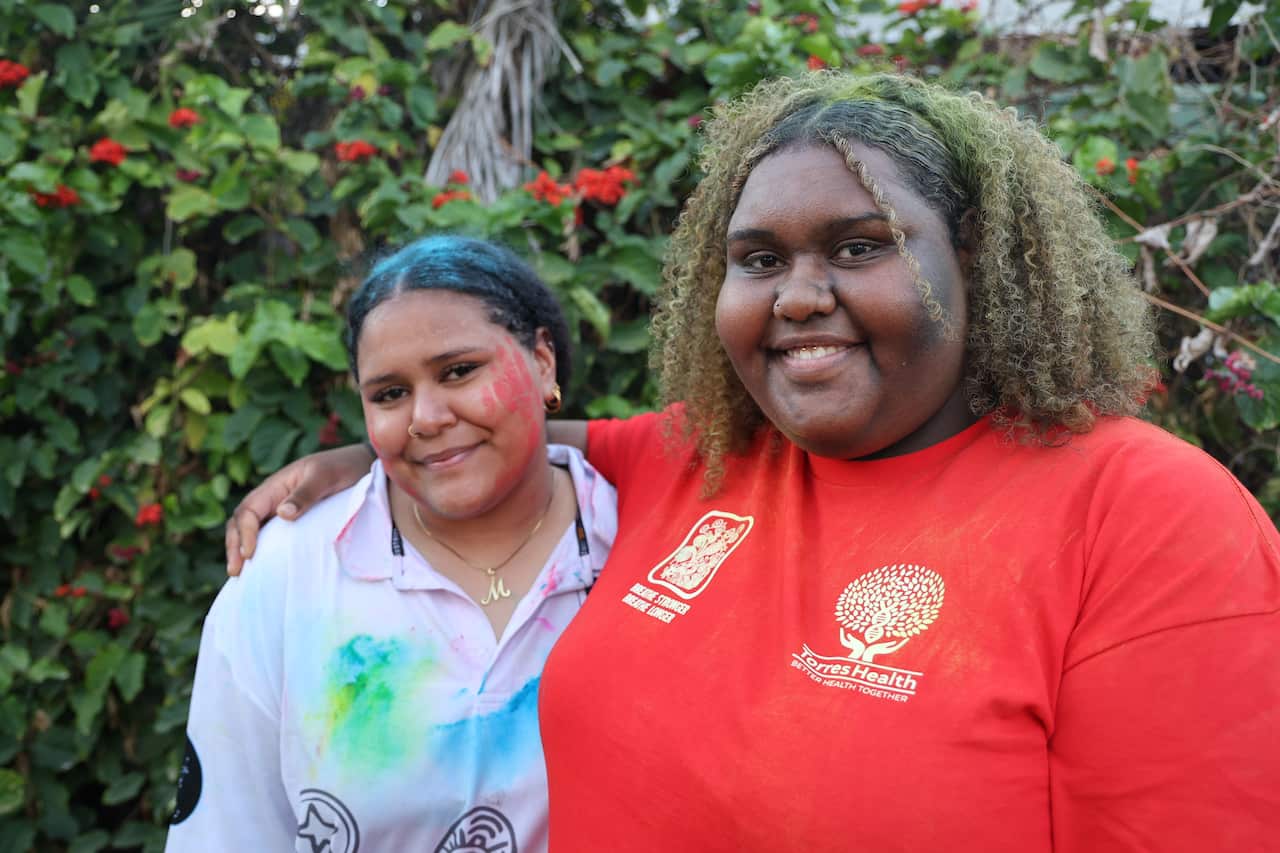
Young people in the region, like Sharvon Nomoa, said having a support system around you while attempt to quit makes all the difference.
“It's especially I think just having someone that you know personally that has been spoken really does set a good example,” she said.
“It's just best to be healthy and breathe in the fresh air, and being around for as long as you can with all your family and friends.”
This article was written in collaboration with the Torres Strait Islander Media Association.