
Standing strong in my Kulcha
Generating vibrations from the earth, while bringing ancient stories of First Nations people to life through music, OKA blends tribal beats and the digital age to keep Indigenous culture alive.
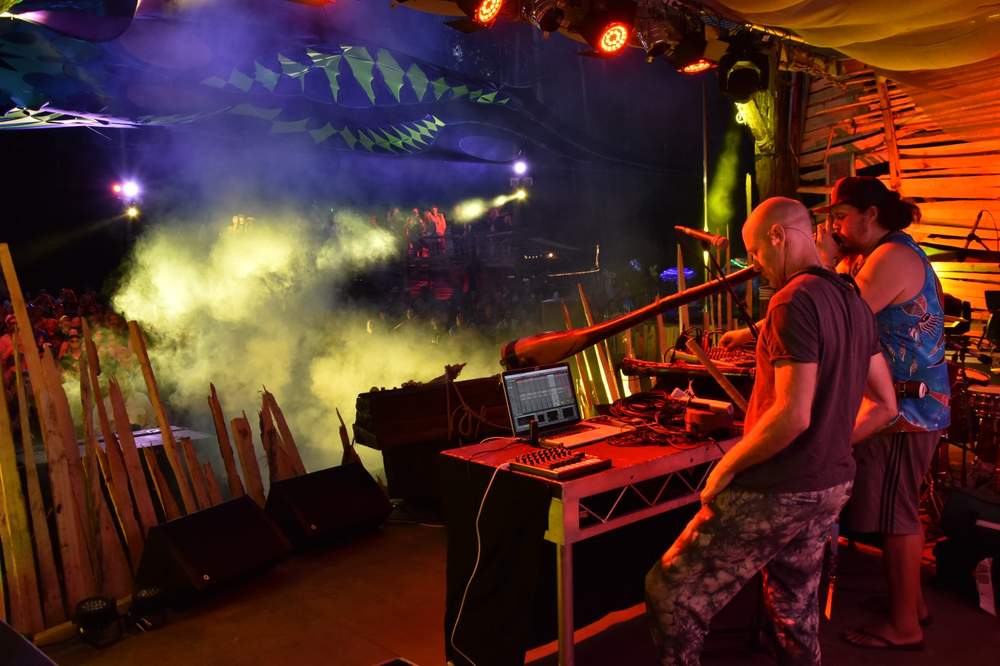
A brilliant spectrum of lights and sharp lazers bounce off the forest backdrop, revealing thousands of bodies stomping their feet and waving their hands to the melodic boom of the didgeridoo. Dust of the earth and noise vibrations flicker across the stage as the three-piece band enchant their audience. Looking out at the crowd, OKA know they've come a long way...
OKA means 'of the earth' and that's exactly how the musical act describes their collective. Earlier this year they were one of the main acts headlining Rabbits Eat Lettuce - a festival that attracts music-lovers from all over the world, who unite to feel the rhythm, explore culture, express themselves, discover music and set up camp for four days at the non-stop 'bush doof'.
Standing on the Bundjalung peoples' land, OKA greeted the audience by acknowledging the Original Custodians. People from all walks of life anxiously waited for the group to begin their set. But it wasn’t until frontman DidgeriSTU performed a special solo melody on his yidaki (didgeridoo), allowing the crowd to familiarise themselves with its earthy echo, when the beat finally started to drop.
OKA's journey has thrived globally, especially after their involvement in the 2000 Sydney Olympics. Independently selling over 170,000 albums, they have shared the bill with the likes of Yothu Yindi, Kiss, Santana and Sting. They have kept their culture alive at national and international concerts, sharing the spectacular sound of the yidaki at some of the biggest music festivals on the planet, including Glastonbury in the UK.
From the backstage to all the rage
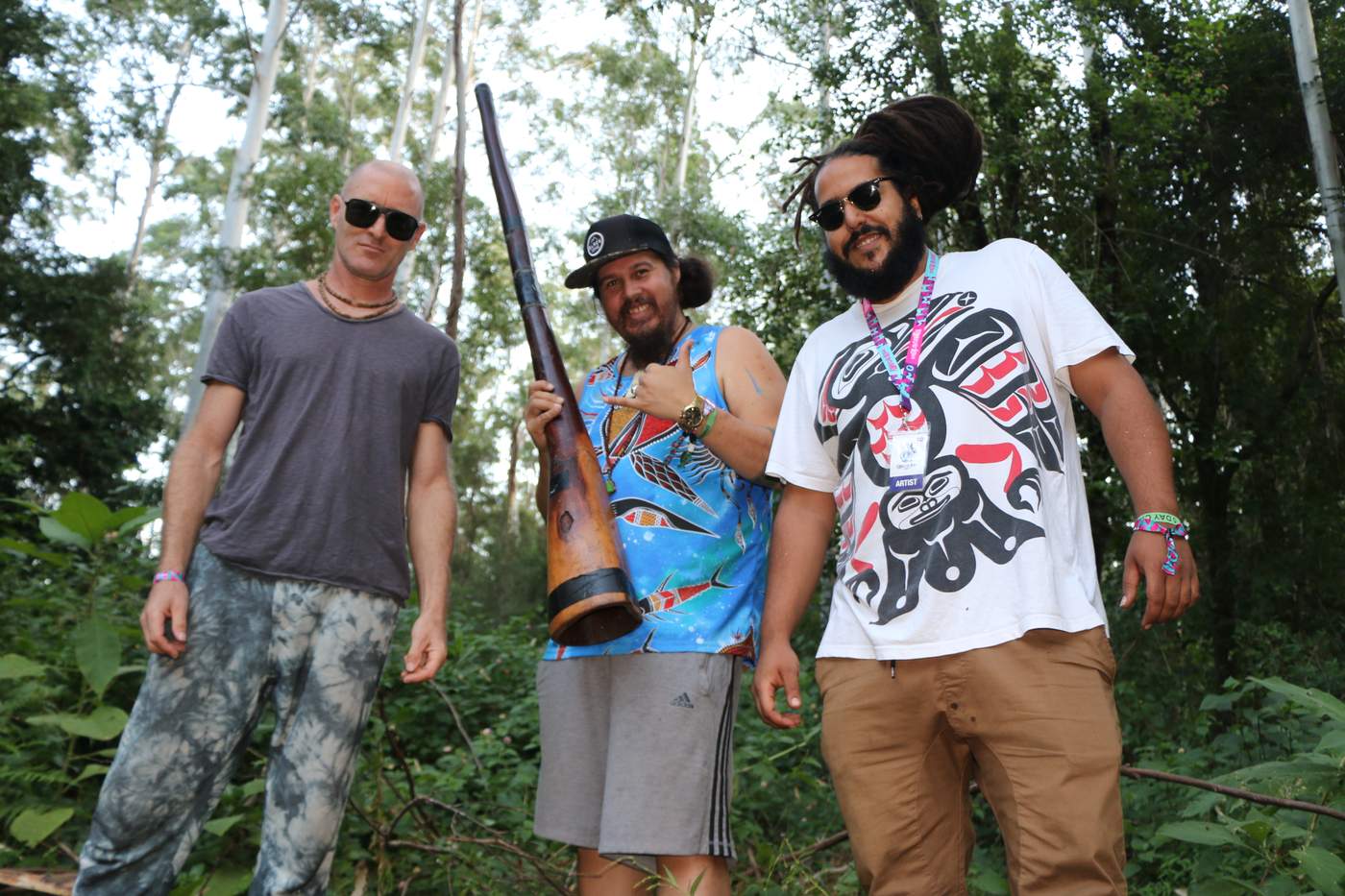
Wuthathi and Torres Strait Islander musician, Stu Boga Fergie, or ‘DidgeriSTU’ is at the creative heart of the group. The collective also includes Julian Bel-baphir and Chris Lane and together, the trio makes vibrant music using guitar, saxophone, percussion, flute and woodwinds woven through "organic juju beats of deep tribal fire", as DidgeriSTU coins it.
An Indigenous group being at the front and centre of a stage was only a dream for OKA 16 years ago, when they started out by busking on the busy streets of Melbourne’s Victoria Markets. Carefully observing his yidaki, twirling it gently around in his hand, DidgeriSTU says it was during those early days, of ‘doing it rough,' that shaped his music.
“The greatest thing about busking was that people didn’t have to listen to your music if they didn’t want to. If you didn’t excite them or grab their attention in the first few moments, they just continued to walk,” he said.

“That was the best thing for us, because when we did manage to make people stop, we knew it was because they liked what they heard. We knew they stopped to hear the music we made and that’s all we cared about.”
Not only did they score the attention of shoppers, busines people and travelling tourists, but they managed to lure a Festival director from Santosa Island, Singapore, who felt OKA's unique music deserved to be heard around the world.
“We were invited to Singapore to perform on their big street music circuit… After that, we played at the Montreal Just for Laughs Festival. Before we knew it we had directors from major jazz festivals ask us to perform in huge concerts. We were put on the main stage instead of on the streets.”
Yidaki beats boom into the mainstream
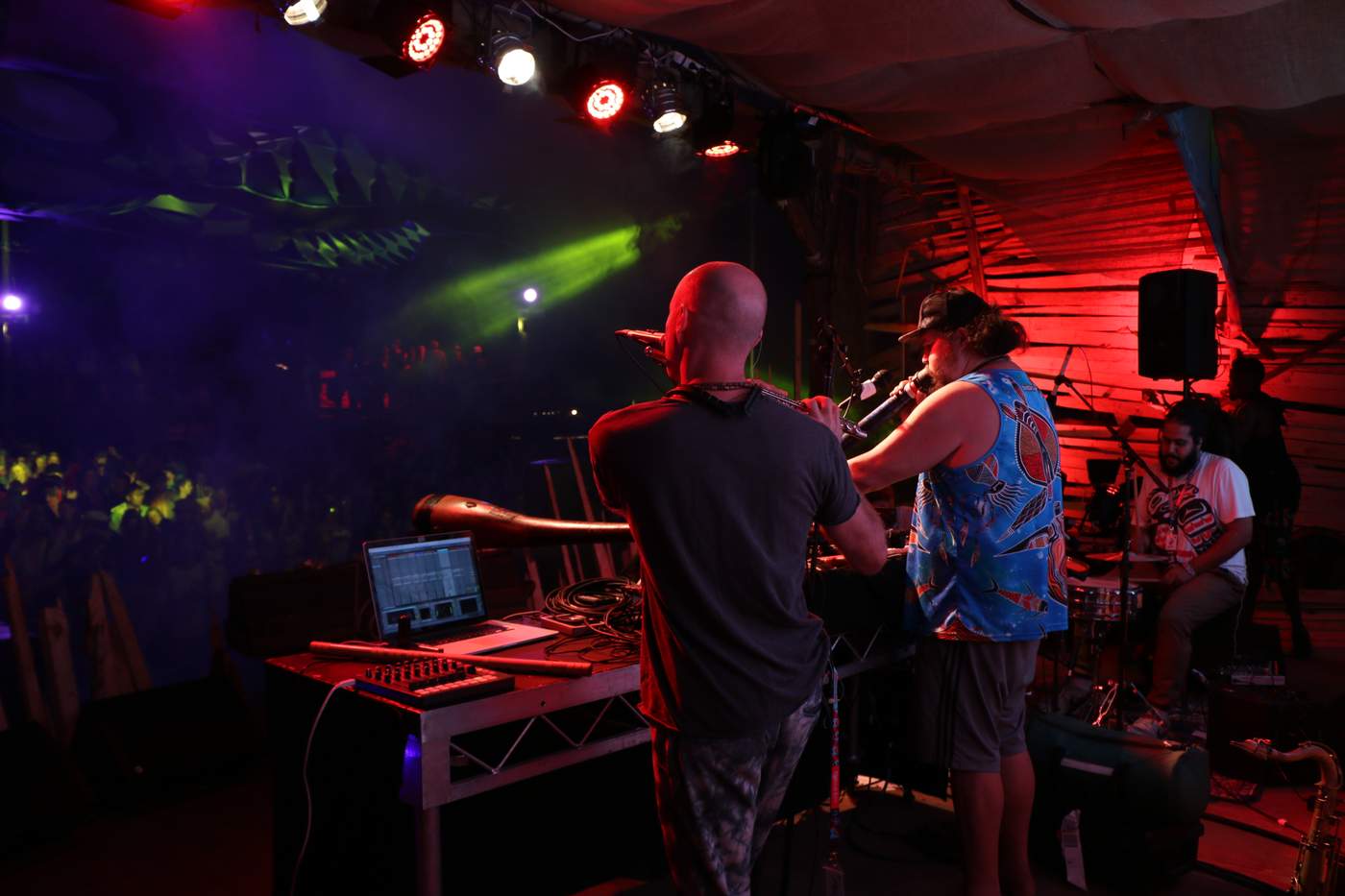
With greenery and winding trees consuming the sky, there was no better location than near the hip town of Byron Bay, to celebrate the Rabbits Eat Lettuce Festival’s 10th anniversary over the Easter long weekend.
Rabbits Eat Lettuce started in 2008 as a tribal dance party on the mid-north-coast of NSW, and has now become a hub for music and culture on country.
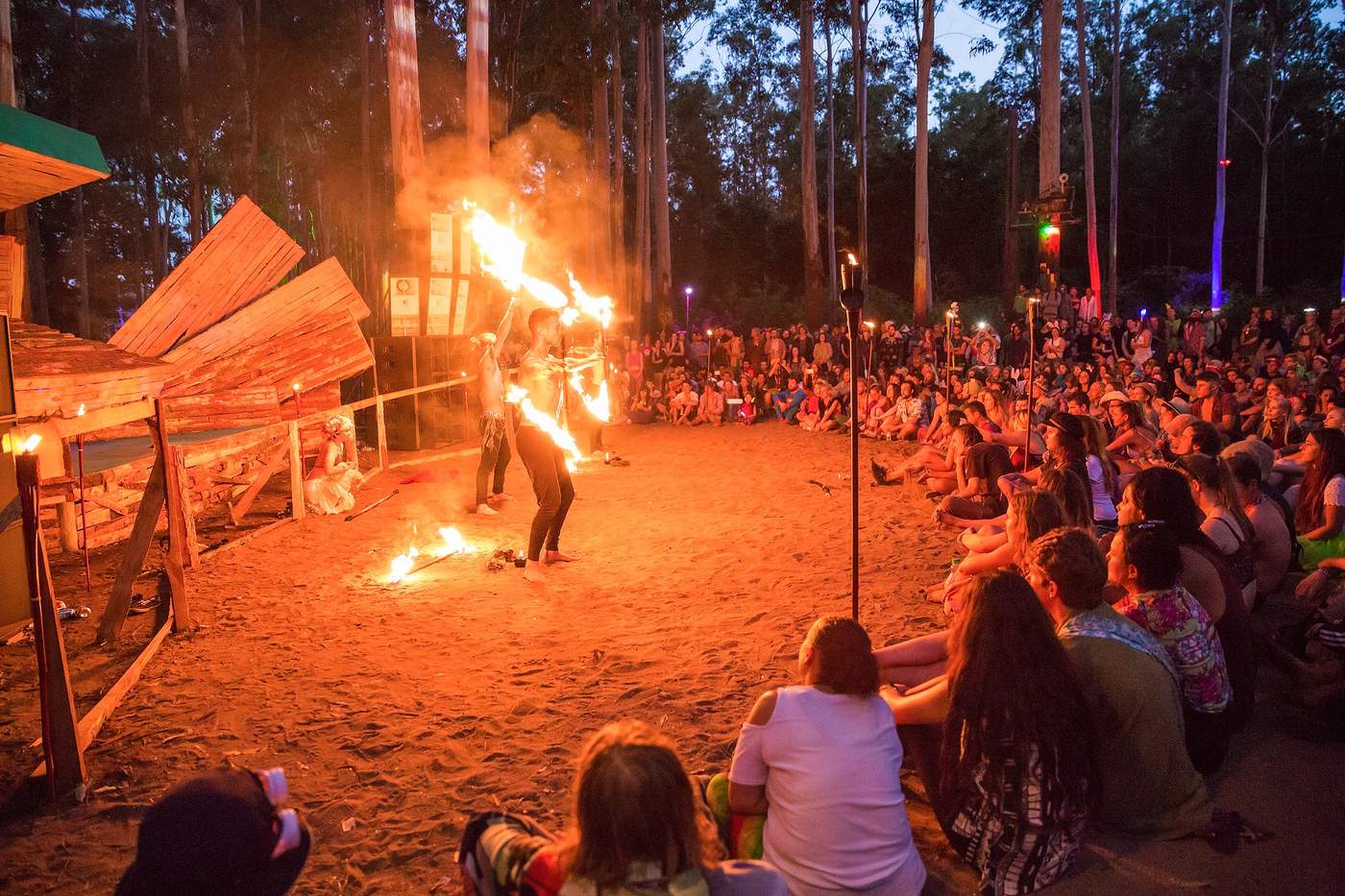
Travelling from one bush stage to another, the festival features a variety of workshops, ceremonies, and activities throughout each day, shining the light on Aboriginal culture.
Didgeridoo lessons, spiritual healing discussions, Dreamtime stories and talks from local Elders take over the site, as music-lovers take in both sights and sounds.
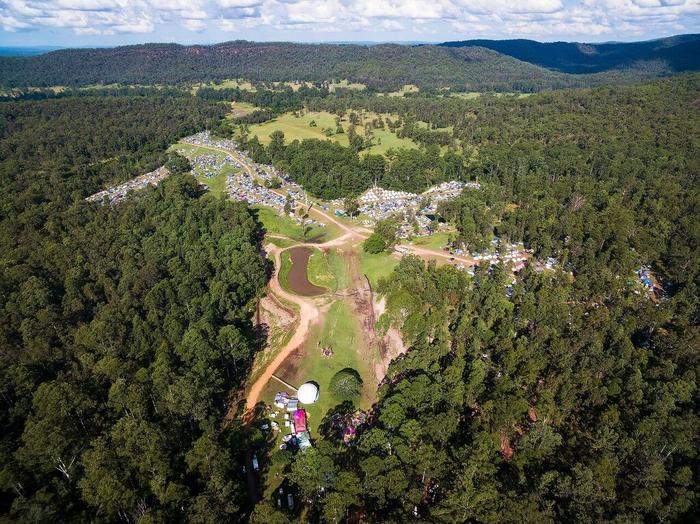
Event organizer, Erik Lamir told NITV that Indigenous culture helps people feel a deep connection to the Earth. He says it’s not just about having an ‘Indigenous element’; meaningful representation should be a matter of course.
“Our event attracts so many international visitors and people from all major cities in Australia, so I think it is good to expose people to live music with soul and a cultural connection,” he said.
The non-stop music festival saw the likes of several Australian artists, some known internationally, including electronic legends, Hermitude, and Grouch from Aotearoa New Zealand, while others like Byron Bay local, Webber were able to make their mark.
Festival attendee Joanna, a Gomeroi woman, said she is proud to see Australian music festivals are putting ‘blackfellas’ and ‘culture’ on the centre stage.
“Seeing our people recognised as top acts amongst other huge names is deadly! It's not often you see didgeridoo workshops at music festivals so it's cool to see our culture being shared, taught and appreciated.

But not all festivals use a mainstream approach to have Indigenous and non-Indigenous acts share the same stage and performance times.
Boomerang festival, which is part of BluesFest held in Byron Bay includes several Indigenous artists. OKA also performed at Boomerang but said there was a ‘divide’ between Aboriginal and non-Aboriginal performers.
It’s a shame it’s not naturally a big part of all festivals… it’s usually seen as ‘well here’s the Blackfella part’.”
“We’re stoked to be part of [the] Boomerang Festival, but our set felt kind of separated from everyone else...It’s good we get to share our music and the Boomerang crew have a great way of showcasing Indigenous talent, but it’s a shame it’s not naturally a big part of all festivals… it’s usually seen as ‘well here’s the Blackfella part’,” DidgeriSTU explained.
“We need to keep striving to find out how to create that holistic experience in one festival. We stand up and represent our music, but also want to help people come to that day -where Aboriginal talent is a whole part of the festival in a mainstream way you know, collectively and unitedly.”
Culture beating from the Yidaki
When Stu a child, his Yakin Andu elders gifted him with the nickname 'DidgeriStu' in light of what was, and what was to always be, his yidaki using skills.
Stu grew up in Papa New Guinea with a musically-talented family. He says he was fortunate enough to be surrounded by song and dance. Drawing on his Wuthathi heritage on his father’s side, and Thursday Island on his mother’s, he pursued a musical journey, embracing First Nations’ culture.
“My father was a minister in the church, he was a drummer and my mum was a music teacher in school, so we played music all the time. All my uncles in the Torres Strait and Cairns area were touring musicians. I remember hearing stories from their overseas tours and it really intrigued me,” he recalled.
“When I was super young, I used to be so into football, but life has a pretty funny kind of journey and now music is my expression. It’s been a long, fun journey of finding myself.”
Mother Earth and Bass

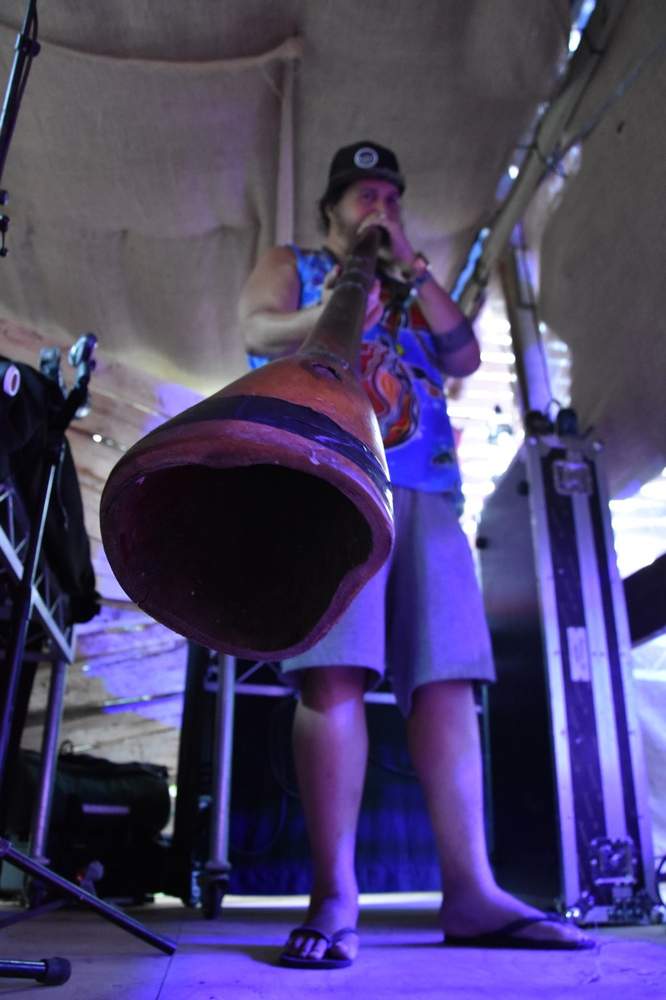
Despite the pun in his stage name, DidgeriSTU prefers to use the word ‘yidaki’ over ‘didgeridoo’ to describe the instrument.
He was lucky enough to be taught to play the yidaki as a child, which has enabled him to create a unique tune and, of course, form his musical identity.
“The yidaki is good for centering that expression of Self,” he explains.
“To have a natural kind of bass, especially in electronica.... And to provide these natural bass frequencies, that aren’t out of a synth…I think it seems to work really well. It’s an earthy connection for most people and the way I play it is a bass earth connection.”
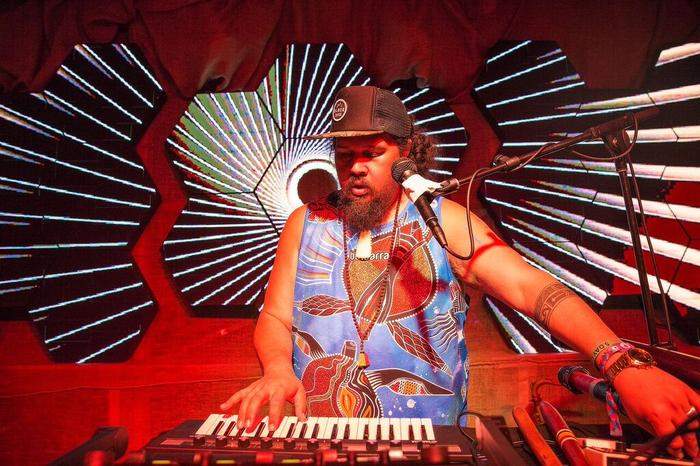
DidgeriSTU believes using his instrument positively represented his culture overseas.
“Even if you go North America, there are lots of peeps that have never seen the didgeridoo, or 'diggery-doo’, as they call it. It’s something that’s obvious and most people can associate with Indigenous culture in Australia,” he says.
Above all things, DidgeriSTU says he’s honoured to play his music and feel connection to culture. For him, it’s also a privilege to be able to share this with others.
“It brings people a primal, tribal connection. For me, that just showcases my country and where I come from… so it’s a big pride thing to be able to use it and introduce people to it,” he explained.
Chant for country,culture and music
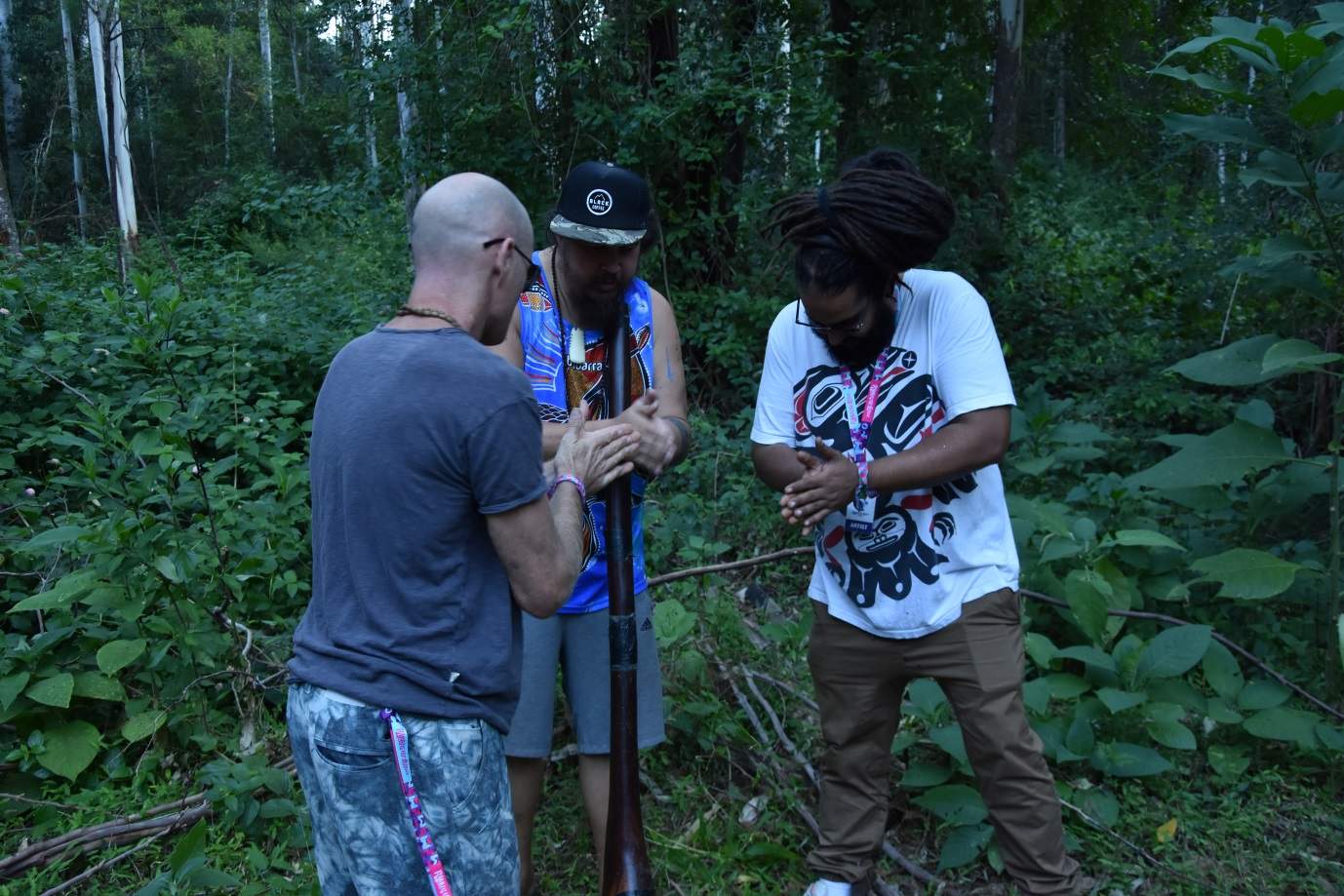
Ritual is an important part of Aboriginal culture - something OKA embrace before every performance.
The group sing their ‘getting present, getting ready’ chant to give thanks, build their energy and calm their nerves.
As they huddle together in a horseshoe just 15 minutes before show-time, they laugh nervously.
They rub their hands together as they chant, clap, and give thanks to Mother Nature.
Milli Milli *clap*
Aina *clap*
oka aina *clap*
milli milli *clap*
Aina *clap*
oka aina *clap*
“Chanting millimilli, which is a Samoan thing, prepares us to get ready. Then we say ‘aina oka aina’ – these are words in Hawaiian. Aina means Earth. Oka aina means ‘of the Earth’, DidgeriSTU explained.
"So this represents Earth and Country and the connection to each other, which helps us feel planted on country.”
.
Ochre as the essence of country
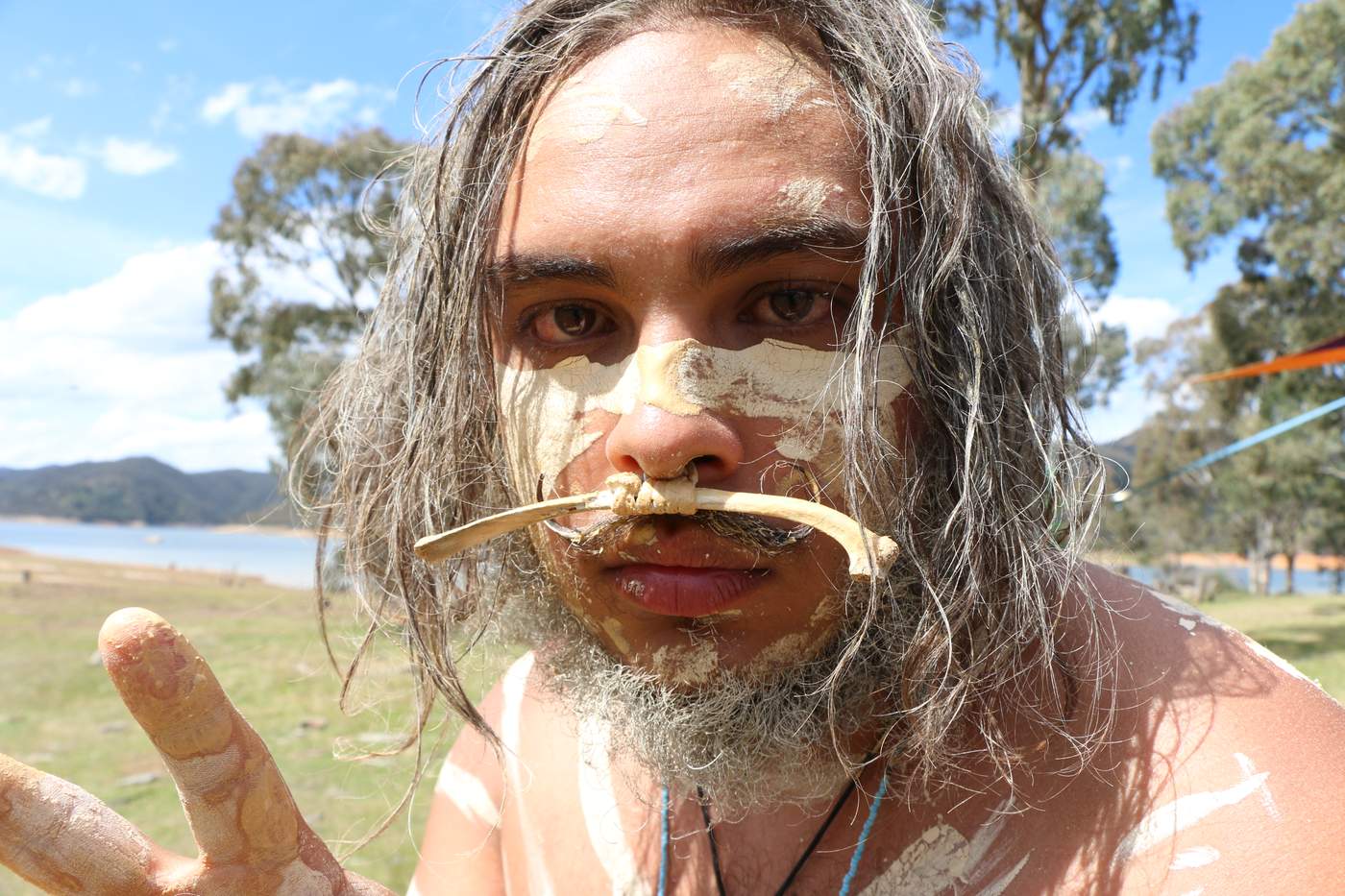
The band’s name OKA is even inspired by the Earth. It derives from the symbolic use of ochre by Indigenous peoples in dance and ceremony.
DidgeriSTU says the word isn’t just special in Aboriginal culture, but for many First Nations peoples, it has an important meaning.
“Try to image Bob Marley meets Stevie Wonder, via the Chemical Brothers on acid, playing out in a bush with the didgeridoo, and you’re getting close.”
“In Canada, it represents the First Nations start [of] land rights [movements] and also represents our Mabo in a lot of ways… In Papua New Guinea, Oka is a statement for food, in Japan it’s a community house…
"So it’s everything that’s about community, that connection and ceremony.”
Connect, preserve and express culture
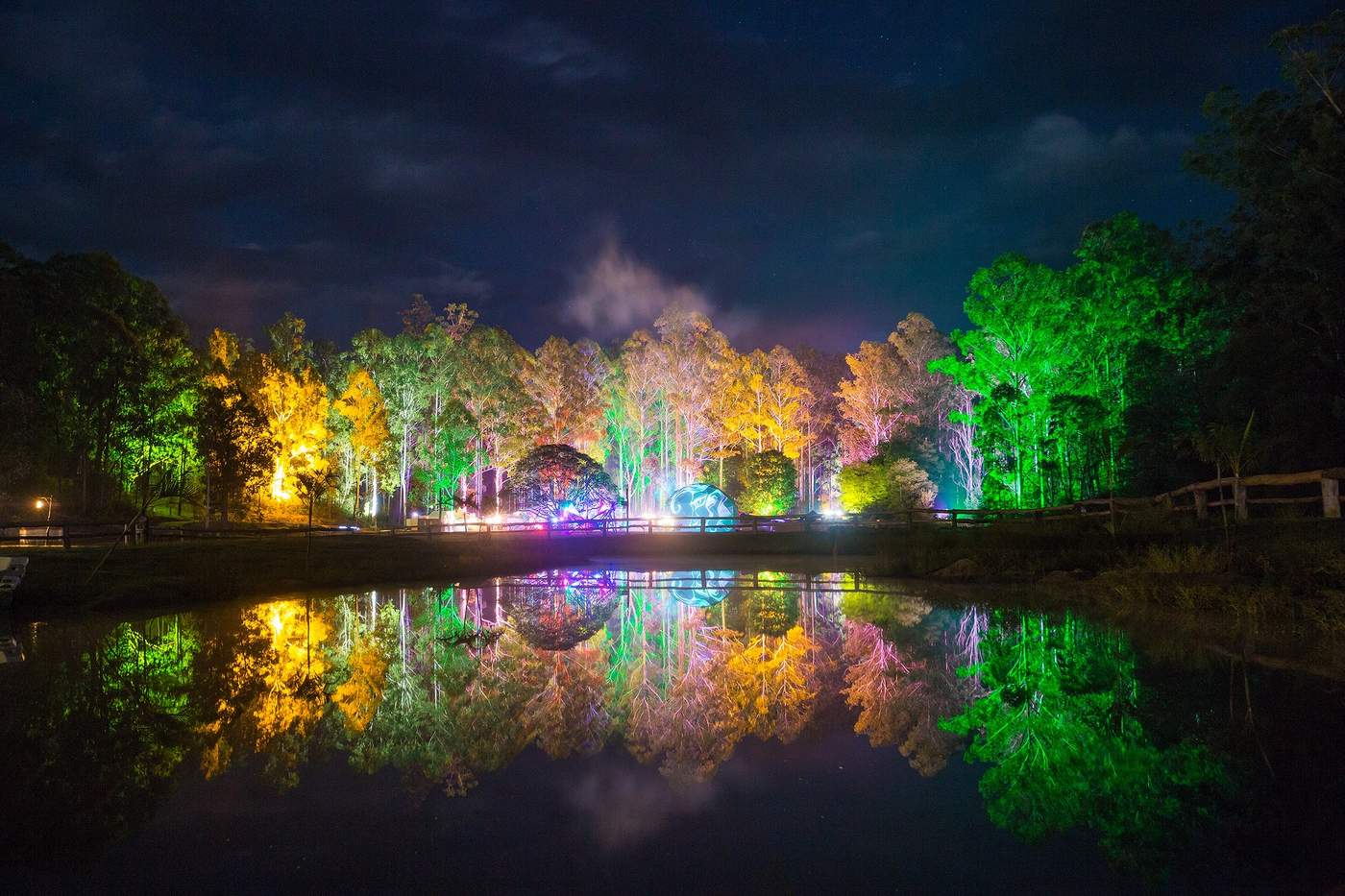
As flashing lights dance around the stage and tribal beats belt out, festival goers of Rabbits Eat Lettuce form their own tightly-knit community with black and white fellas together.
While strangers stand amongst hundreds, tears streaming down smiling faces - sharing song lyrics, dance moves and culture, it's clear they not only adoringly love OKA’s music, but the electronica subculture behind it too.
“If you’re true to your music you will connect deeper to your roots, your country, your people… For our mob, that’s preserving our culture and keeping our culture alive."
DidgeriSTU says the most important thing about these kinds of festivals is that people become unified by sharing music, partying together as well as to appreciate and express culture.
“Try to image Bob Marley meets Stevie Wonder, via the Chemical Brothers on acid, playing out in a bush with the didgeridoo, and you’re getting close,” he says.
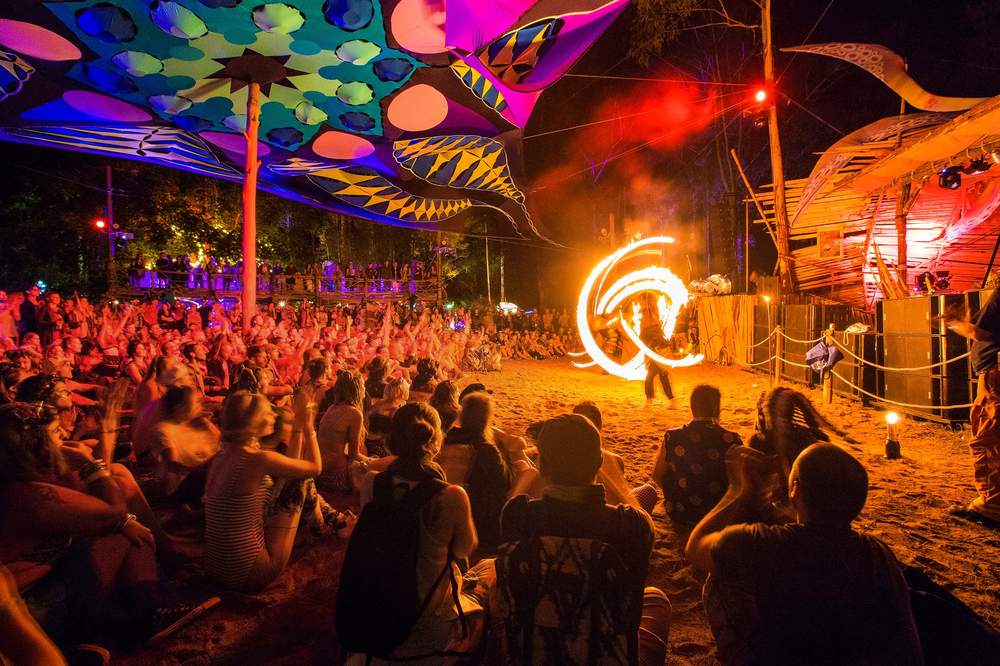
But it’s not all about partying. DidgeriSTU says he takes his position seriously and always makes an effort to educate crowds about his culture, especially when he tours internationally.
DidgriSTU says ‘staying true to his roots’ is what has helped him flourish.
“Life is a journey to find out our roots and our culture. I think that if you’re true to your music, about expressing who you are, you will connect deeper to your roots, your country, your people… For our mob, that’s preserving our culture and keeping our culture alive,” he advised.
OKA’s aim is to continue sharing their Indigenous connection to place and country as they embrace the future, without losing sight of the past.
“Where we go we a lot of the times we represent our people. My mob is from Cairns and up in the Torres Strait - so we travel the world, trying to share the beauty of our culture and the strength of it.
“I want to give a shout out to all mobs up north and to all the First Nations crew who play tunes. Represent, and go play some music!
“Ear to the ground, listen to our sound, a positive soul vibration.”