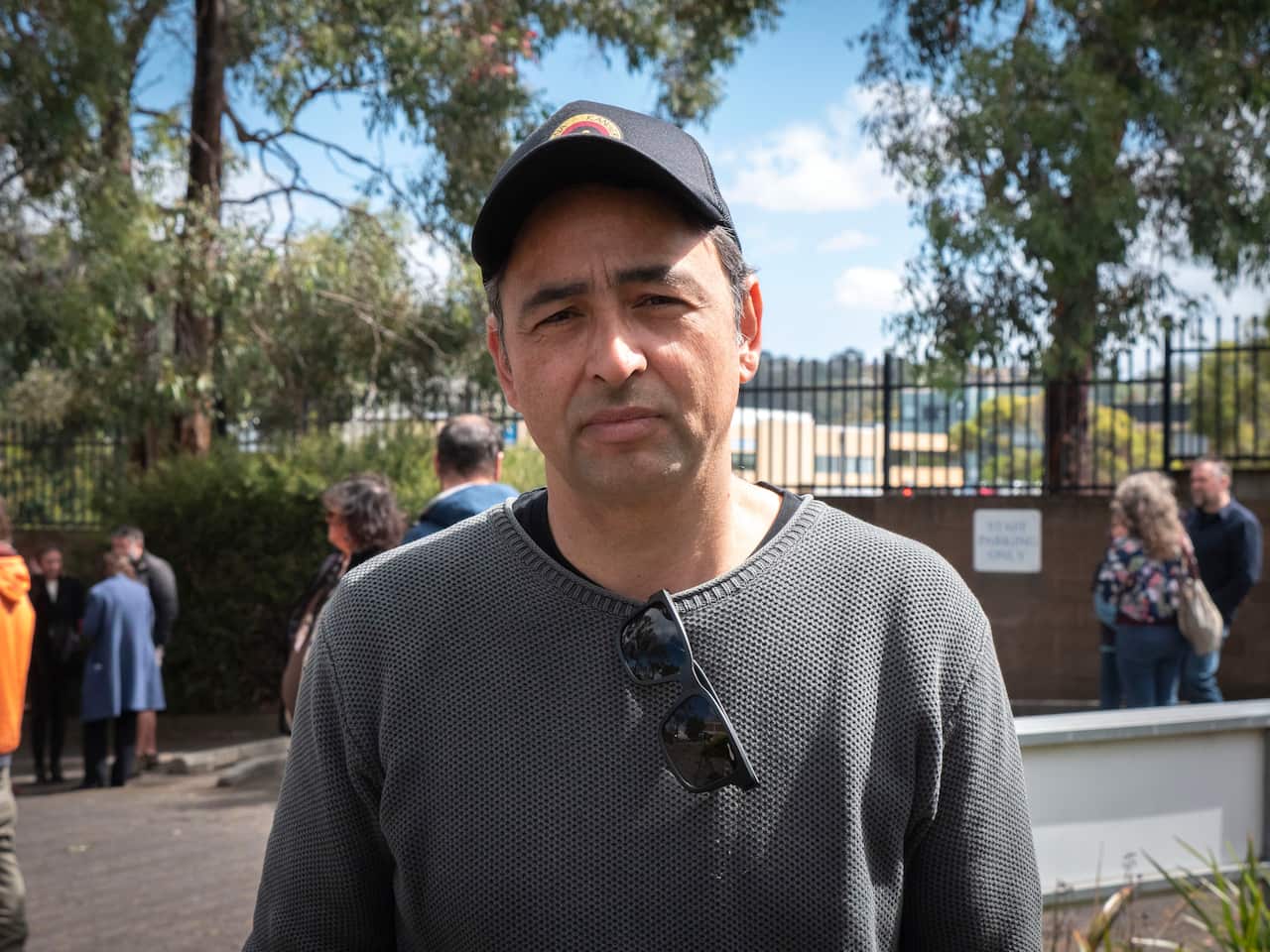
The petroglyphs were cut out of rock at Preminghana - now an Indigenous Protected Area - and taken to the Tasmanian Museum and Art Gallery (TMAG) in Hobart, and the Queen Victoria Museum and Art Gallery (QVMAG) in Launceston in the 1960s.
They were put on display for decades, but since 2005, the rock carvings in Hobart have been in storage, while the Tasmanian Aboriginal community fought to have them all returned home.
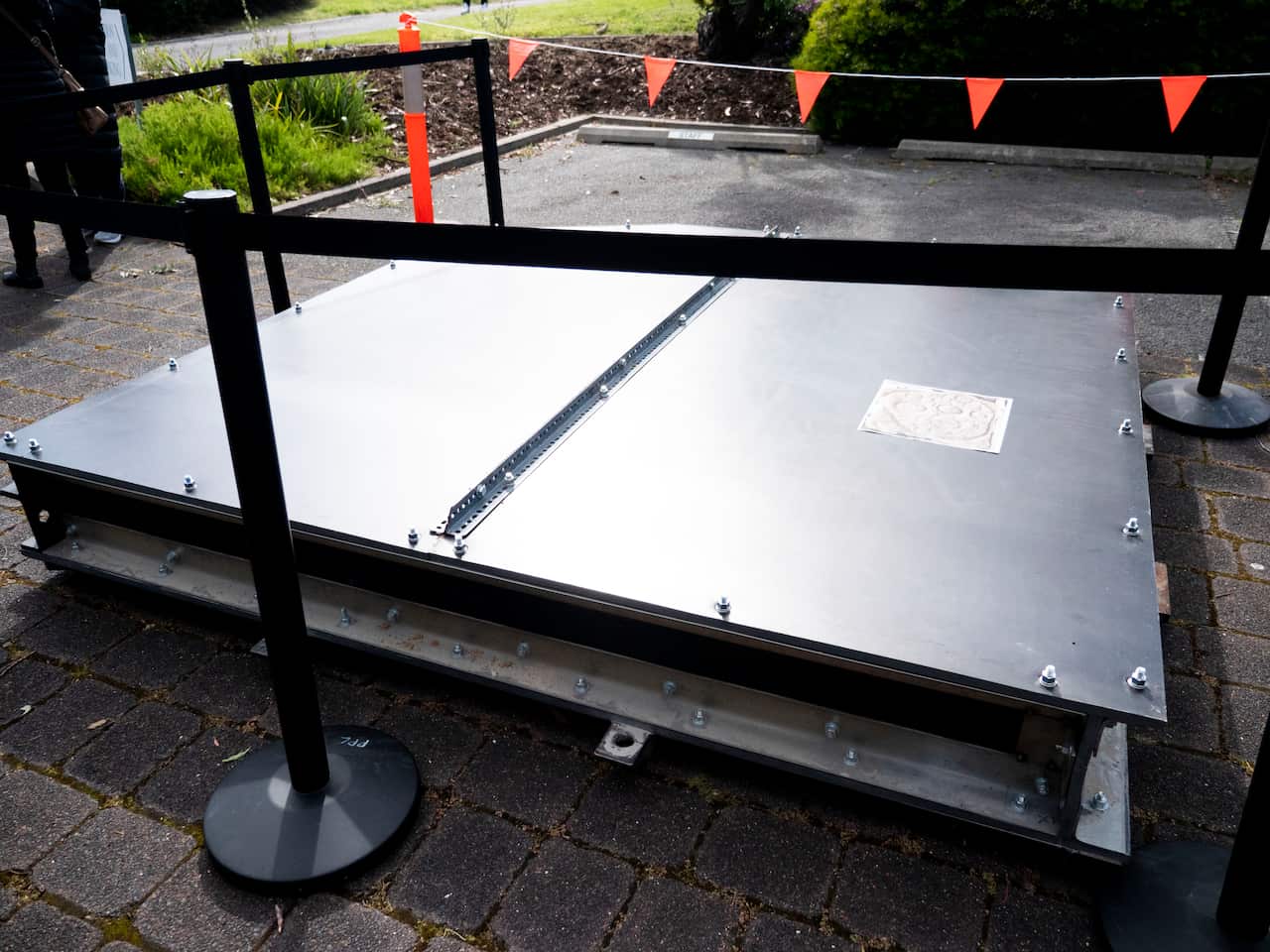
Andry Sculthorpe is the Land and Heritage Coordinator at the Tasmanian Aboriginal Centre.
“We don’t do this just for us now, us alive today, we do it for those people from way back, but we also do it for our children into the future and future generations,” he said.
“Today marks a very significant event for us, and for those carvings, and for that country at Preminghana where they belong.”
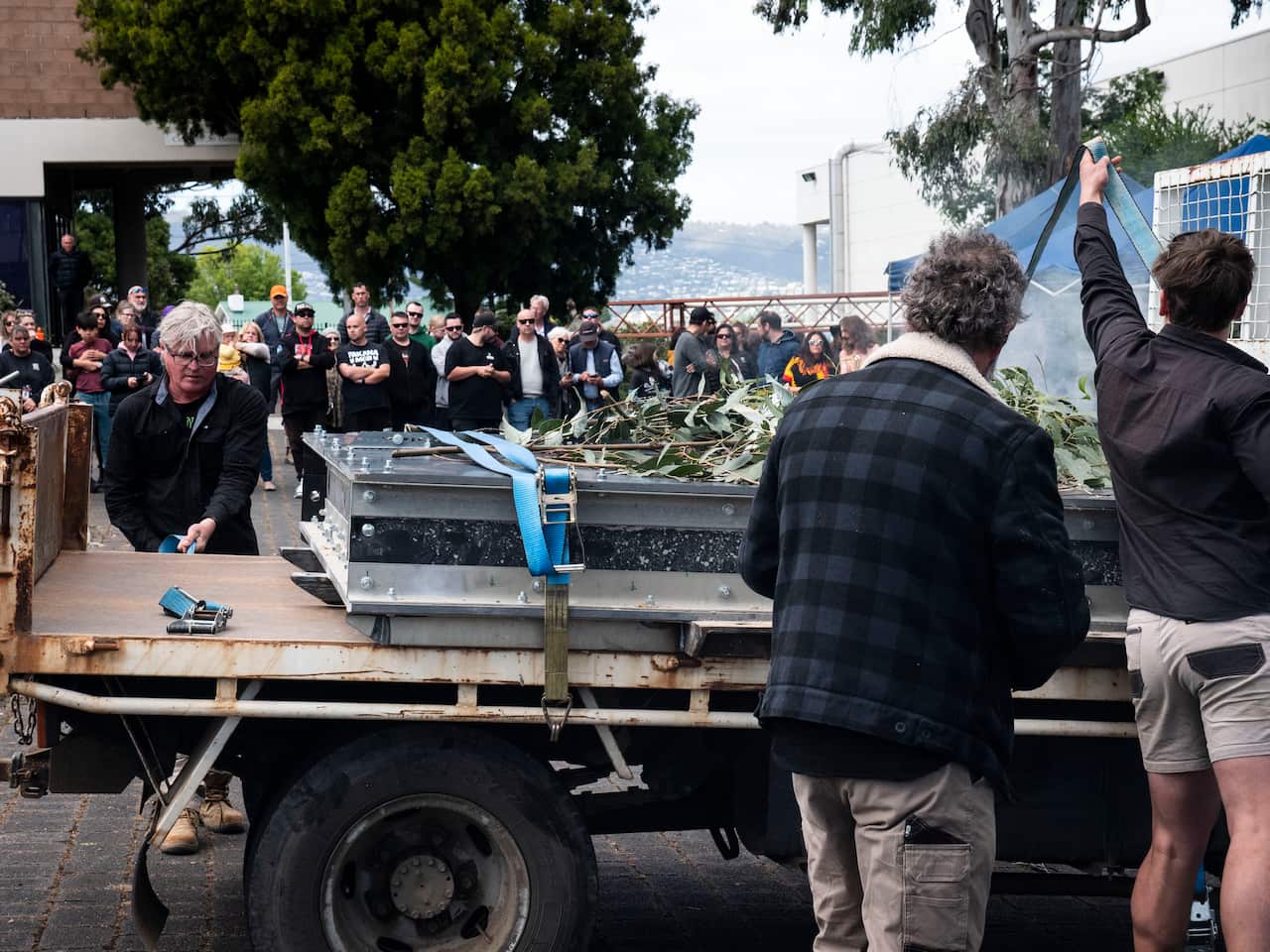
A lot of planning had gone into coordinating the physical return of the rocks which weigh about three tonnes.
The petroglyphs in Hobart were carefully lifted onto the back of a truck by a forklift.
The truck travelled slowly for more than 450km to Preminghana, while the petroglyphs in Launceston made a journey of more than 260km.
Both rock carvings arrived at their destination, with an Aboriginal community-only event to be held this weekend, when they’re placed back to the spot they were stolen from.
“This has been a long time coming, this conversation around returning this rock art has been around for as long as I can remember, so to be standing here and having the pieces returned to the Aboriginal community is hugely significant, and I think it marks a change in some of the thinking, in how sacred objects are handled, how they’re stored and where they belong and who owns them,” Andry Sculthorpe said.
Ongoing negotiations with Hobart’s Tasmanian Museum and Art Gallery (TMAG) and Launceston’s Queen Victoria Museum and Art Gallery saw a commitment made at the end of 2019 to hand back the rock carvings, almost a year later Tasmania’s Minister for Aboriginal Affairs Roger Jaensch signed permits for the petroglyphs to be returned to the Country from which they were taken.
In February of 2021, as part of a symbolic handover of the items the Royal Society of Tasmania and TMAG formally apologised to Tasmania's Aboriginal community over the mistreatment and theft of their cultural artefacts.
The institutions publicly apologised for what they described as "nearly 200 years of scientific, research and museum practices that resulted in immense hurt and suffering to Tasmanian Aboriginal people.”
Zoe Rimmer is a pakana* woman, and currently the Indigenous Fellow for Academic Development at the University of Tasmania.
She also worked at TMAG for 19 years, beginning as a trainee, and later the Senior Curator of First People’s Art and Culture.
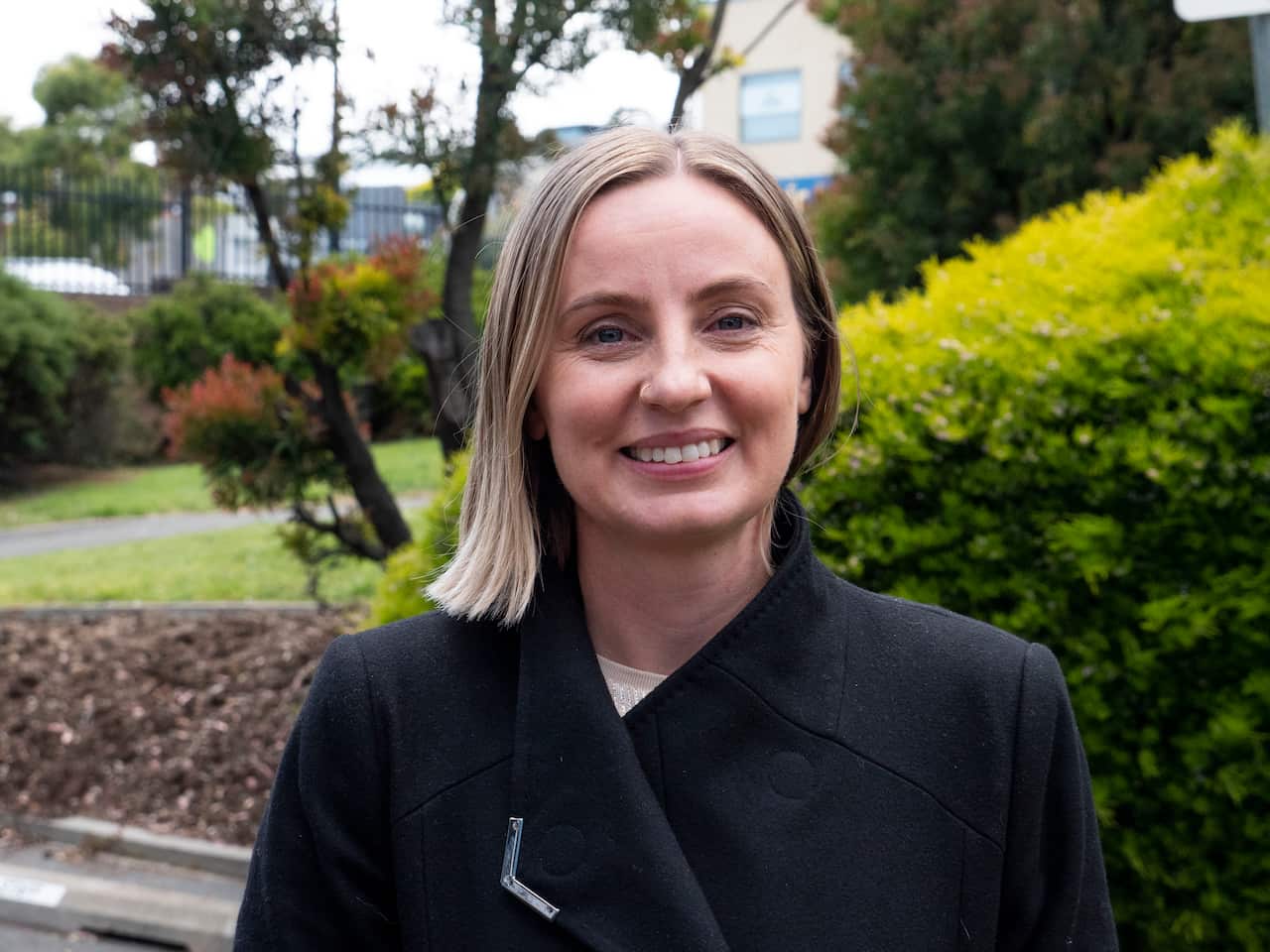
“(Today) is a really important moment for the pakana community, but also for TMAG taking this step, and it’s all part of the change that’s been happening here and part of the museum acknowledging its past practices,” she said.
“When I first started at TMAG, the old Tasmanian Aboriginal gallery was still in place, so the petroglyph was on display, and it was sad, and really underwhelming sitting behind the glass.
“Part of my role was to give tours through that gallery, and I had to really explain the displays and why they were offensive to our community.”
About 60 people gathered in Hobart on Wednesday morning to witness the petroglyphs begin their journey to Preminghana, including pakana man Cody Summers.
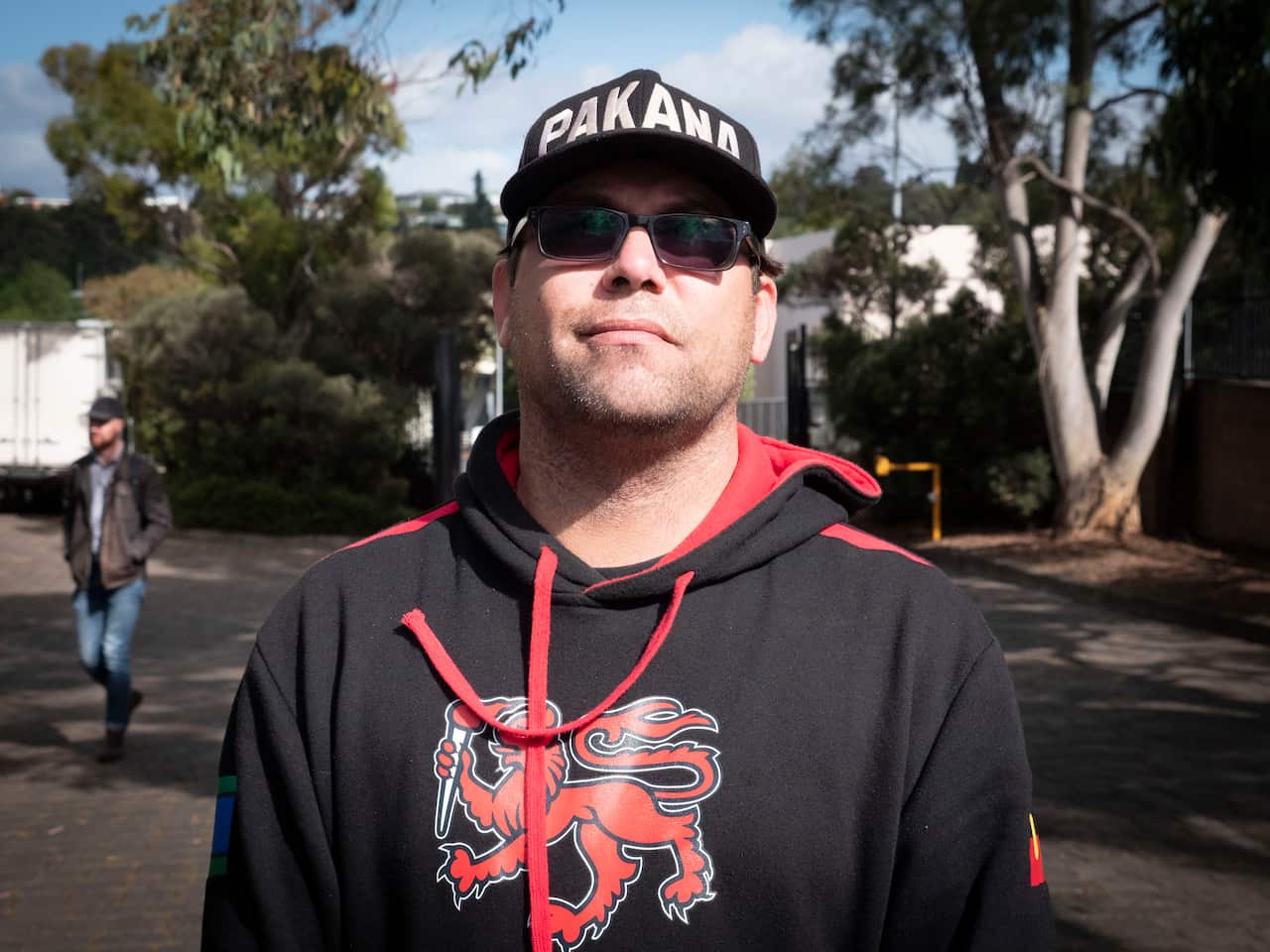
“It’s an amazing day to be a part of, it’s a great send off, with everybody here, with all my mob and my cousins, just a great moment for Aboriginal people today,” he said.
Thomas Riley, a pakana man whose family comes from Flinders and Cape Barron Island, said he was there to represent his family.
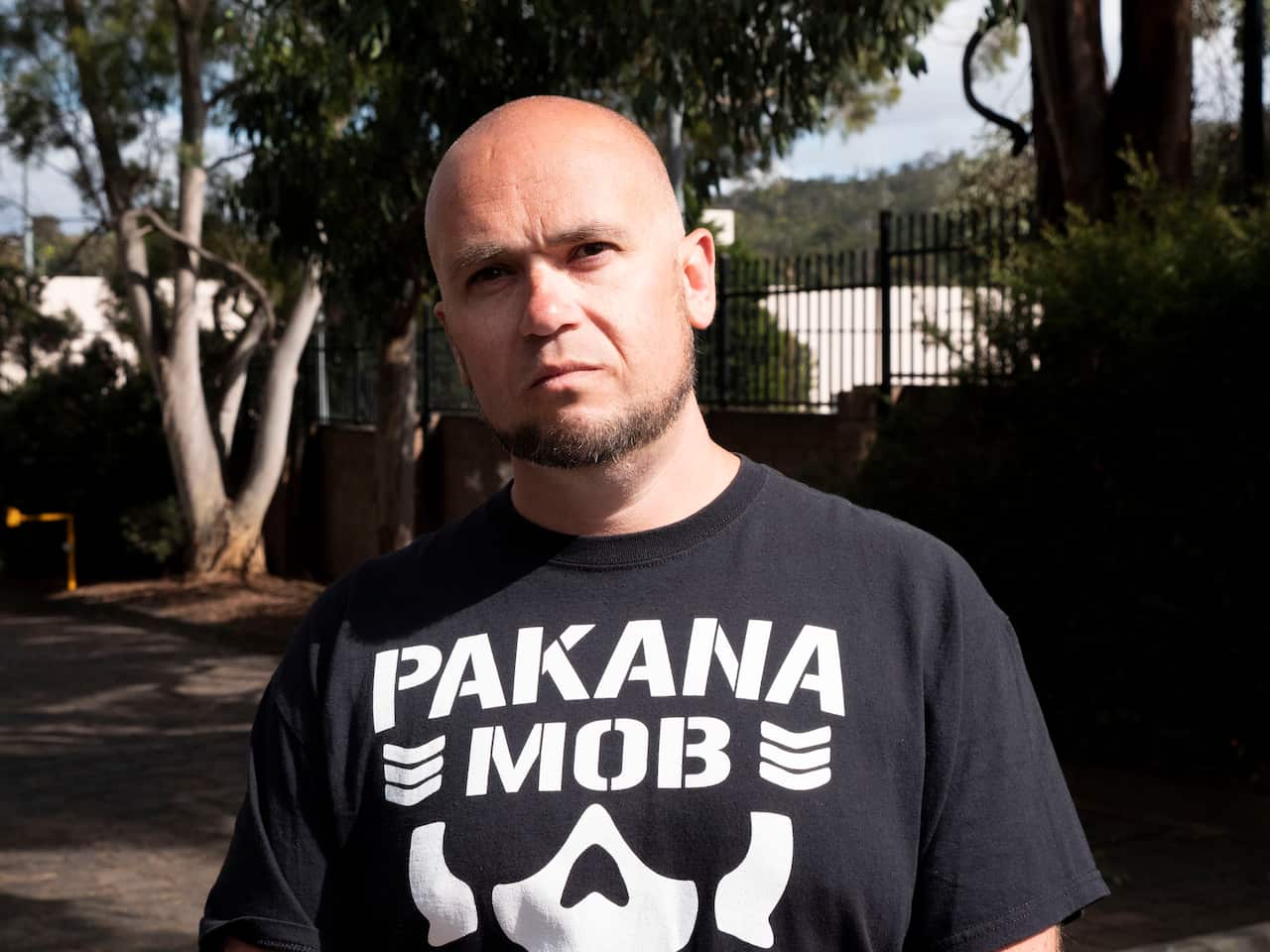
“This is important to me because we’re finally getting our petroglyphs back, and they’re gonna be going back to where they belong,” he said.
*The Tasmanian Aboriginal language palawa kani does not use capital letters.