In Mexico, where I’ve lived for three years, I love to wander through the colourful tianguis (produce markets) to speak with vendors who can tell you which avocado will be ripe in exactly three days’ time, to find out what’s in season, and to track down produce less common in markets in Australia. The first time I visited, I marvelled at fresh huitlacoche (corn fungus), tortillas being handmade with precision, cane baskets towering with dried chillies or pods of voluptuous brown tamarind.
These pods, I recognised immediately. My dad, who grew up in Zimbabwe and Papua New Guinea, would soak them for hours and then eat them like lollies: eye-watering, mouth-puckering lollies. Sure, my dad could have just bought a jar of tamarind paste, but it didn’t have quite the same unbridled flavour – or muscle memory.
In Mexico tamarind is used for all sorts of things – balancing the sweet and spicy flavours of moles and salsas, adding an addictive tartness to confectionery and blending with water into cooling aguas frescas.
In Australia, a jar of tamarind has near pantry-staple status. It adds tang to an Indian chutney, sharpens a Thai tom yum goong, sours a Vietnamese beef broth and runs through African and Latin American cooking, carrying a different name in each: imli, asam, puli, tamarindo. This distinctively sour fruit, it seems, collects a name from everyone who loves it.
Even the name is a traveller. Tamarind comes from tamr hindi, Arabic or Persian for "date of India," though it is neither a date nor Indian: the tree is native to tropical Africa, perhaps Madagascar, and reached India so long ago that the people who met it there took it for their own.
Tamarind trending
Carried along by a broader swing toward sour, tamarind keeps appearing on the 2026 lists of flavours to watch. The fruit’s sharpness is thanks largely to tartaric acid – the same acid that gives grapes and wine their backbone, rather than the citric acid of lemons or the malic acid of apples. Its aroma is warmer than its taste: citrusy, but edged with caramel and something almost roasted.
Australia’s own ‘tamarind’
But Australia has a tamarind of its own – and it is not this one. The imported tamarind is a legume; Australia's native tamarinds, around a dozen of them, are kin to the lychee. The best known is simply the native tamarind (Diploglottis australis), widely grown across the eastern states and an easy backyard tree; others keep to a single stretch of rainforest, like the Babinda tamarind (Diploglottis harpullioides) of far north Queensland. Same name, different botanical families, joined only by their bright, rich sourness.
Native foods are not new discoveries – they're ancient foods that have always belonged here.Mindy Woods
On Bundjalung Country, one species, Diploglottis campbellii, carries its own and much older name: mibany-mibany. It is, in the words of Mindy Woods – Bundjalung chef and owner of Karkalla Byron Bay and cookbook author – 'a beautiful rainforest tree from our region'.
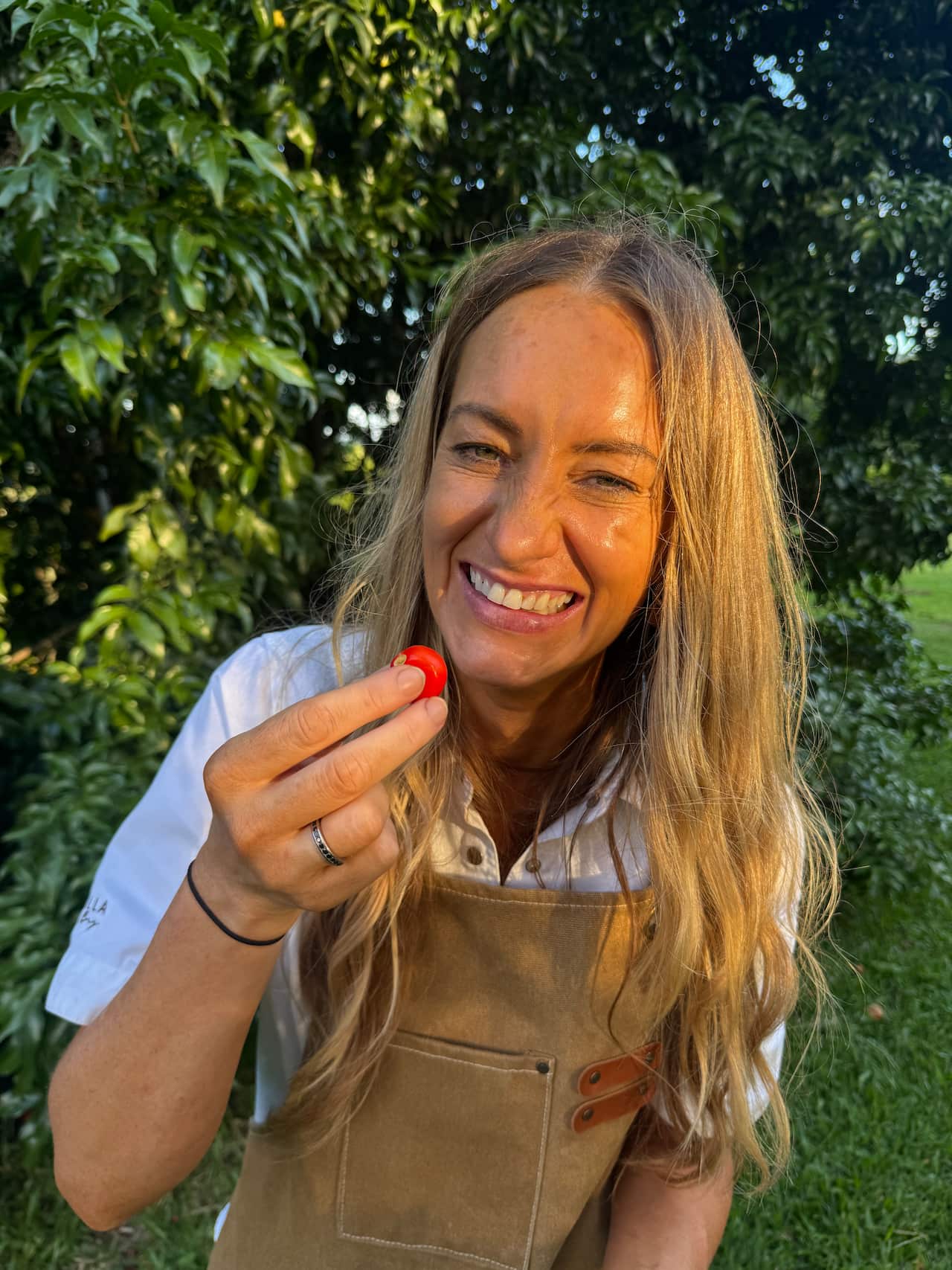
I often describe it as somewhere between a sour mandarin, apricot and Southeast Asian tamarind, but with its own unique character.Mindy Woods
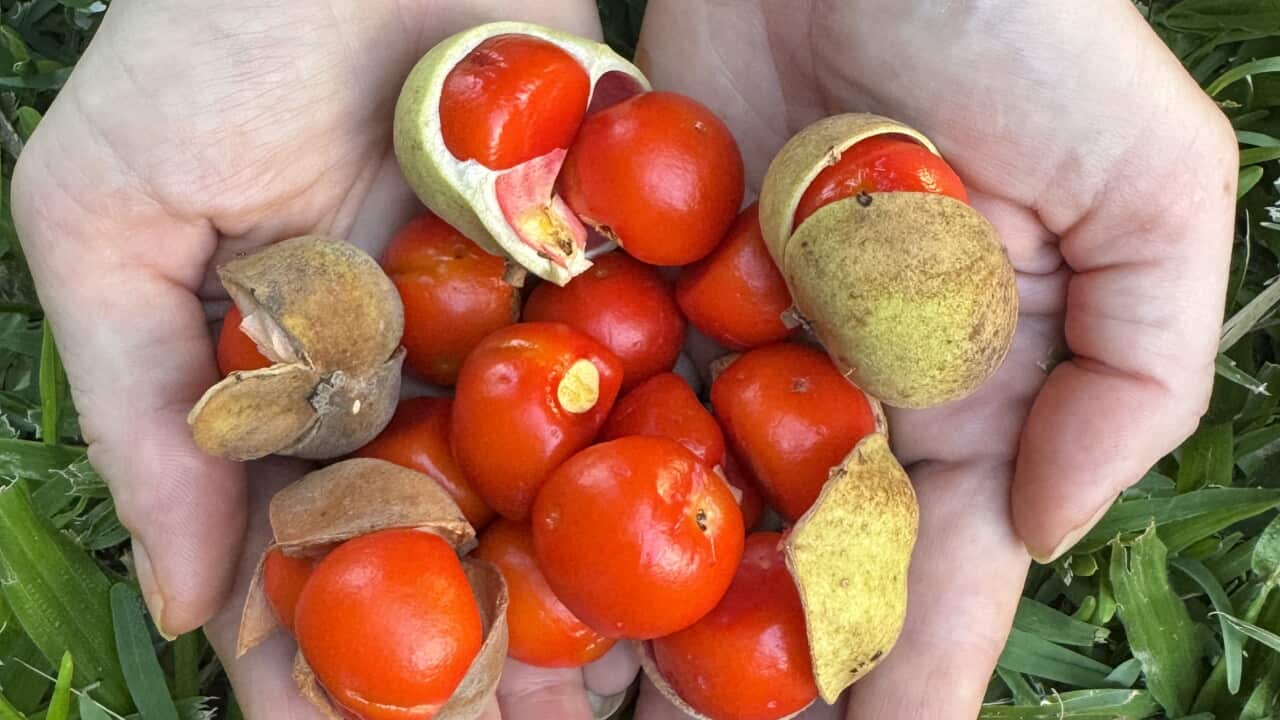
The fruit grows in clusters of bright orange capsules that split open to reveal a vibrant orange flesh around a seed. 'I often describe it as somewhere between a sour mandarin, apricot and Southeast Asian tamarind, but with its own unique character'. Where the imported pod is deep, rich and faintly caramel, mibany-mibany is brighter and more aromatic, an acidity she describes as one that 'speaks of the subtropical rainforests it comes from'.
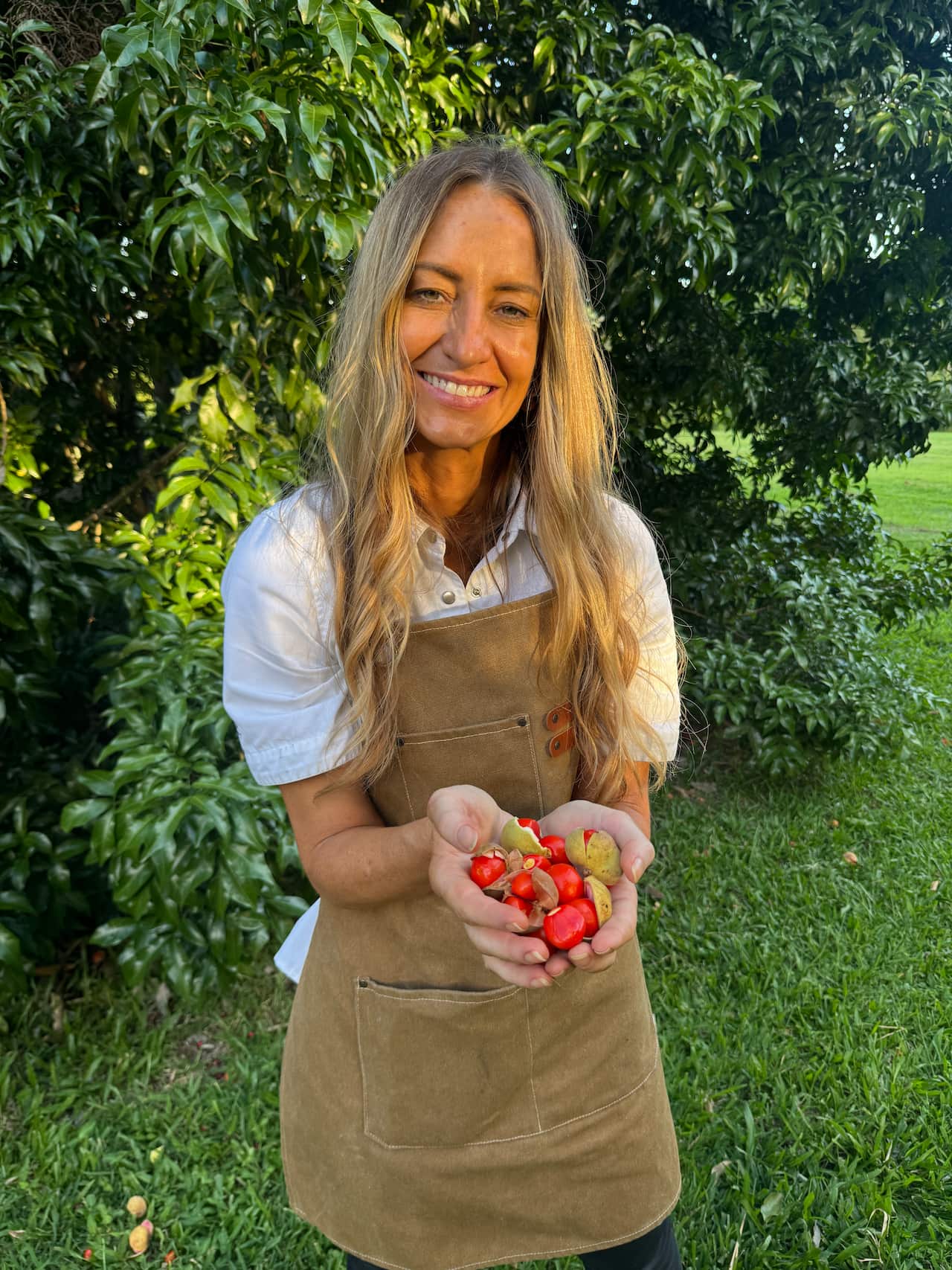
'Growing up on Bundjalung Country,' says Woods, 'native foods weren't ingredients to be discovered. They were part of the stories, landscapes and relationships that connected us to Country'. Fruits such as mibany-mibany were 'our bush lollies, a sour and delicious treat'. Today, she says, the fruit reminds her that these foods 'have nourished our people for thousands of generations and carry cultural knowledge embedded within them'. Mibany-mibany 'represents both continuity and responsibility,' she says, and a reminder that native foods 'are not new discoveries – they're ancient foods that have always belonged here'.
It adds to the cultural literacy of your plate.Rebecca Sullivan
Rebecca Sullivan, food educator, regenerative farmer and co-founder of the Indigenous-owned native food company Warndu, puts it simply, 'Why import something that we already have locally?' To her, Australia’s native tamarind has ‘an even better (in our opinion) flavour profile,’ more health benefits, and ‘adds to the cultural literacy of your plate’.
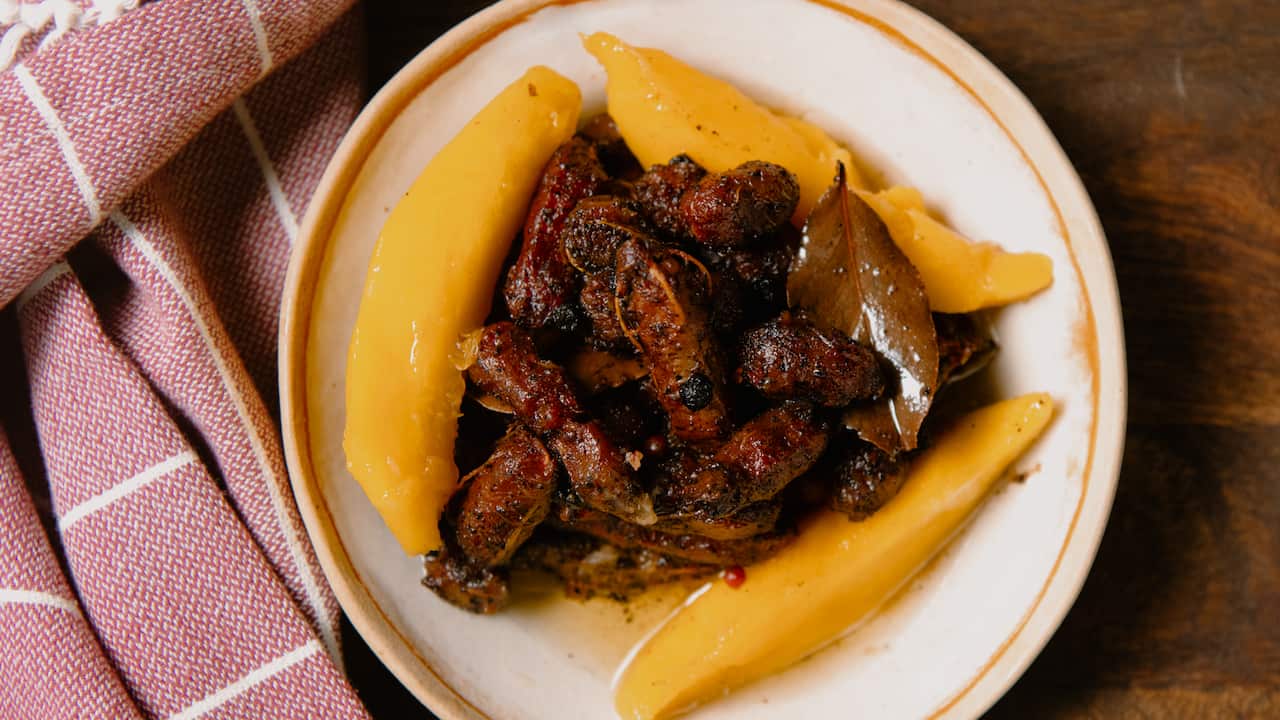
Torres Strait Islander chef Nornie Bero, cookbook author and host of SBS’s Island Echoes, doesn't see the relationship as a choice between one or the other. 'I don't see it as a competition between imported and native ingredients,' she says. 'Food has always travelled, cultures have always shared knowledge, and that's something to celebrate'. At the same time, Bero believes Australia's native ingredients 'deserve a place alongside the ingredients many of us already know and love' – like her Marinated tamarind and pickled mangoes.
Woods, winner of the 2025 Champions of Change Award at The World's 50 Best Restaurants, says that while curiosity can create opportunities for education, conservation and economic participation, it’s important to recognise that ‘native foods are far more than flavour trends, superfoods or social media moments. They are cultural foods. They hold stories, language, ecological knowledge and relationships that have been maintained by First Nations peoples for tens of thousands of years’.
Woods’ hope is that the conversation does not stop at what is fashionable, but leads to harder questions: about the Country and communities a food belongs to, the knowledge behind it, and how to support the growers and businesses who hold it. Greater visibility, she says, should bring ‘greater respect for culture, Country and the people who have cared for these foods for millennia’.
Those questions land hard. Mibany-mibany is endangered in the wild, even as it is increasingly planted for bushfood production. The easy story is that buying the fruit saves it. But both Woods and Sullivan say it is more complex. Sullivan notes that, as a rainforest fruit, native tamarind is 'super important for rainforest diversity and the Southern Cassowary, which feeds on it'.
The goal isn't just to save a flavour – it's to protect an entire ecological and cultural relationship.Mindy Woods
'Using native foods isn't conservation in itself,' says Woods. Real protection requires 'active stewardship, habitat protection, seed collection, regeneration and cultural knowledge being passed on'. Growing demand can help, but 'the goal isn't just to save a flavour – it's to protect an entire ecological and cultural relationship.'
Into the kitchen
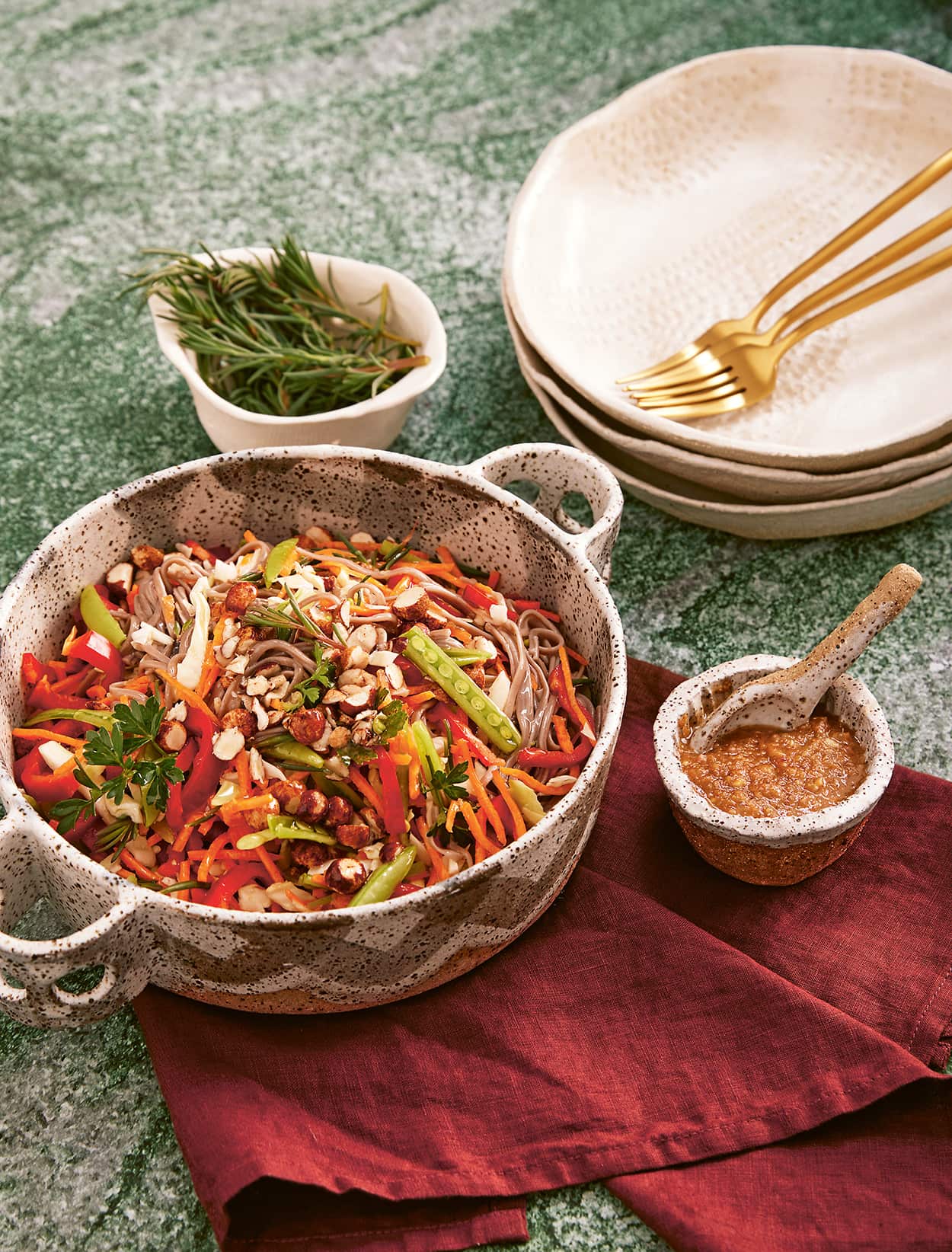
Sullivan works mainly with the Boonjie tamarind, she says, because it has proved the easiest for Warndu to source and grow, and uses it anywhere she would use imported tamarind or another sour fruit – in pies, salads and sauces. She suggests newcomers try it first in a fresh salad, such as her Boonjie tamarind and macadamia noodle salad, or a thyme and tamarind brûlée, where boonjie’s sweet-sour profile is an ideal match for the earthy-sweet herb.
Bero loves tamarind because ‘it brings such a beautiful balance of sweet and sour flavours. It has a richness that adds depth to dishes without overpowering them. Growing up in the Torres Strait, there were many tropical flavours that naturally complemented tamarind’. Bero uses it in sauces, marinades, dressings, pickles and more. In her favourite childhood snacks, tamarind is pickled in soy sauce – one with native sea almonds and pepperberry, another with strawberry gum.
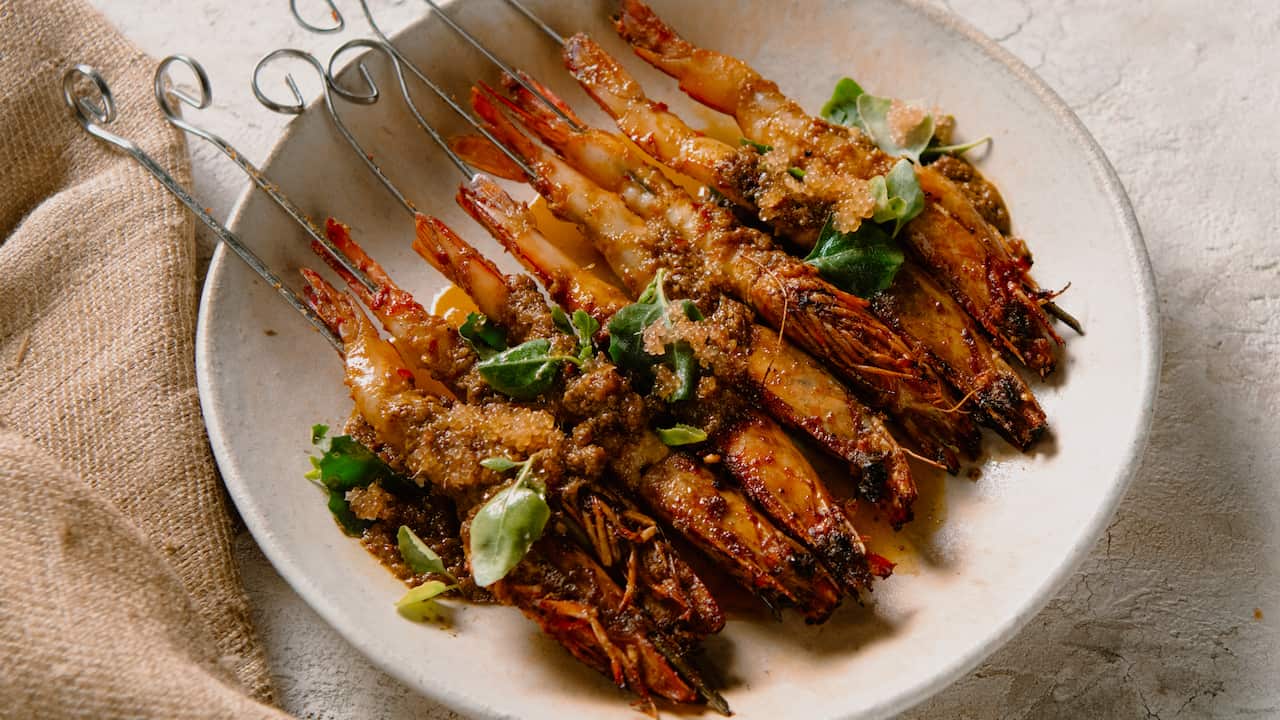
If you can find fresh mibany-mibany, Woods says, taste it straight from the tree first, that bright, lively acidity, before you do anything else to it. Her own favourite is alongside seafood. 'The bright acidity works beautifully with prawns, fish and oysters, and it speaks so naturally to our coastal Bundjalung landscape,' she says. Fresh mibany-mibany can be hard to come by, but may be sourced through growers and First Nations food businesses. Woods keeps the first uses simple: a dressing for seafood, the pulp folded through a native hot and sour sauce, strained and stirred through sparkling water – like the Mexican tamarind agua fresca I've grown so fond of – or a vinaigrette over summer vegetables. Her cookbook features recipes for Whole crispy fish with native tamarind hot and sour sauce, and Prawn skewers with macadamia satay sauce.
Whatever you make, Woods' advice holds: 'Most importantly, I'd encourage people to learn the story of the fruit while they're enjoying it. The flavour is wonderful, but the story behind it is what makes it truly special'.
For more recipes using native tamarind varieties, see Mindy Woods’ Karkalla at Home Cookbook, as well as Rebecca Sullivan and Damien Coulthard's First Nations Food Companion and Warndu Mai cookbooks. For recipes that combine imported tamarind with native ingredients see Nornie Bero’s Mabu Mabu cookbook.

SBS Food is a 24/7 foodie channel for all Australians, with a focus on simple, authentic and everyday food inspiration from cultures everywhere. NSW stream only. Read more about SBS Food

Have a story or comment? Contact Us