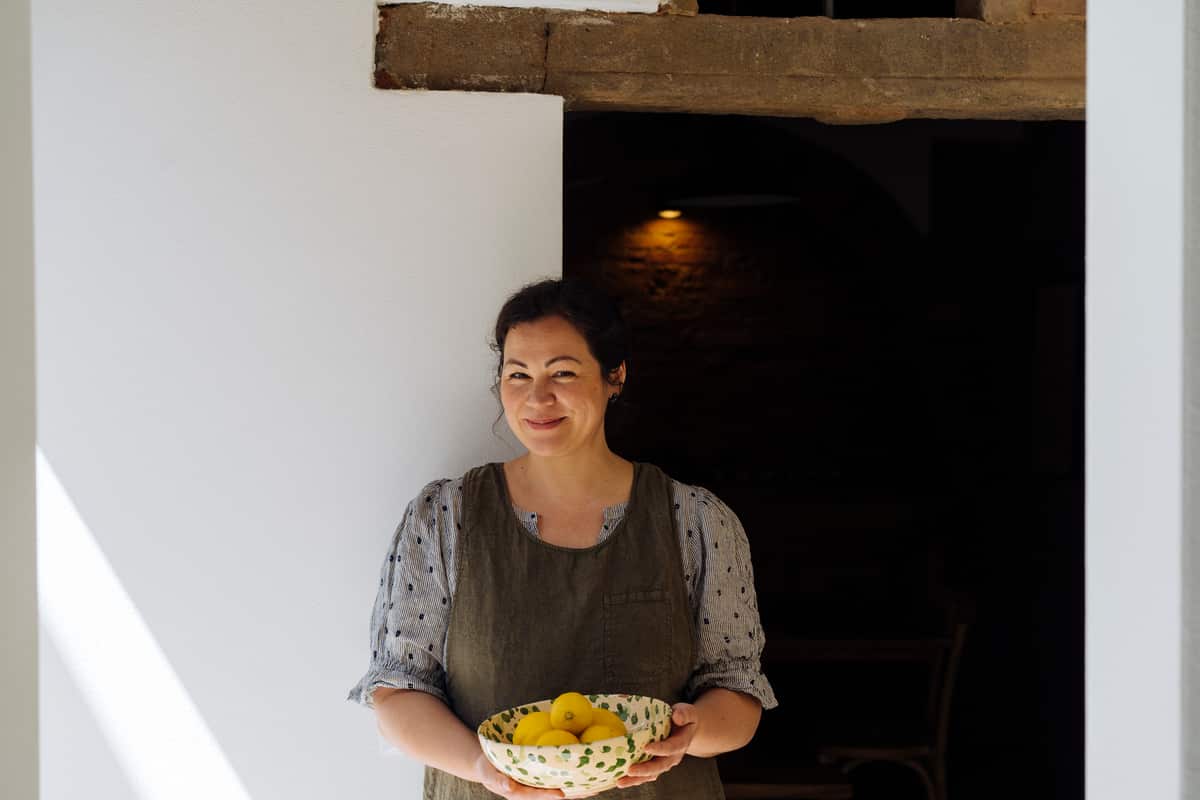
Hearing the name Emiko Davies tends to conjure images of tortellini al sugo and panna cotta. After all, the Tuscany-based cook and author has dedicated her first five cookbooks to the Italian region, before publishing her first cookbook on Japanese home-cooking, Gohan: Everyday Japanese Cooking: Memories and Stories of my Family’s Kitchen, last year.
However, her Australian-Japanese heritage means Japanese cuisine has been part of her life for much longer.
"Japanese food is my comfort food, my soul food. That’s the food I turn to when I need something that feels nourishing, something special or just when I'm tired and need really quick," she tells SBS Food.
Japanese food is my comfort food, my soul food.
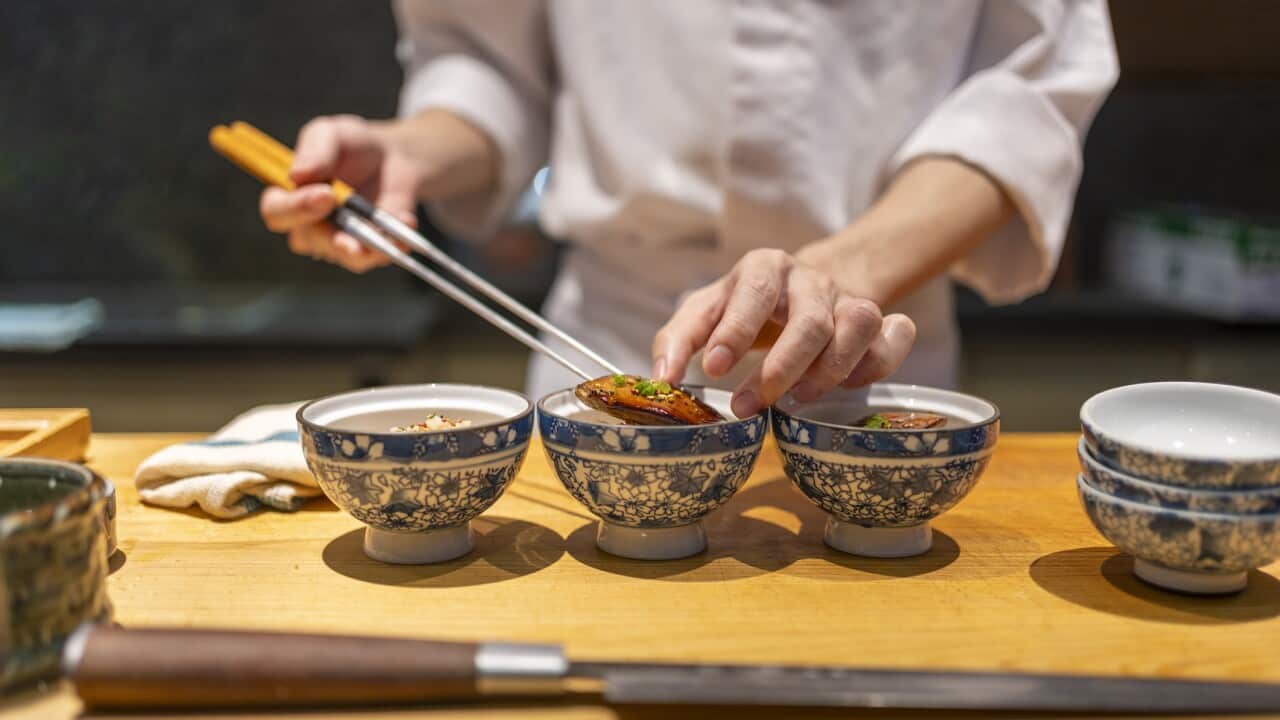
Whether she's preparing a Japanese or an Italian meal, there’s a kitchen tool that she always goes back to: saibashi, which are long chopsticks used for cooking.
"I use these almost every day. They're like an extension of my hands," she says.
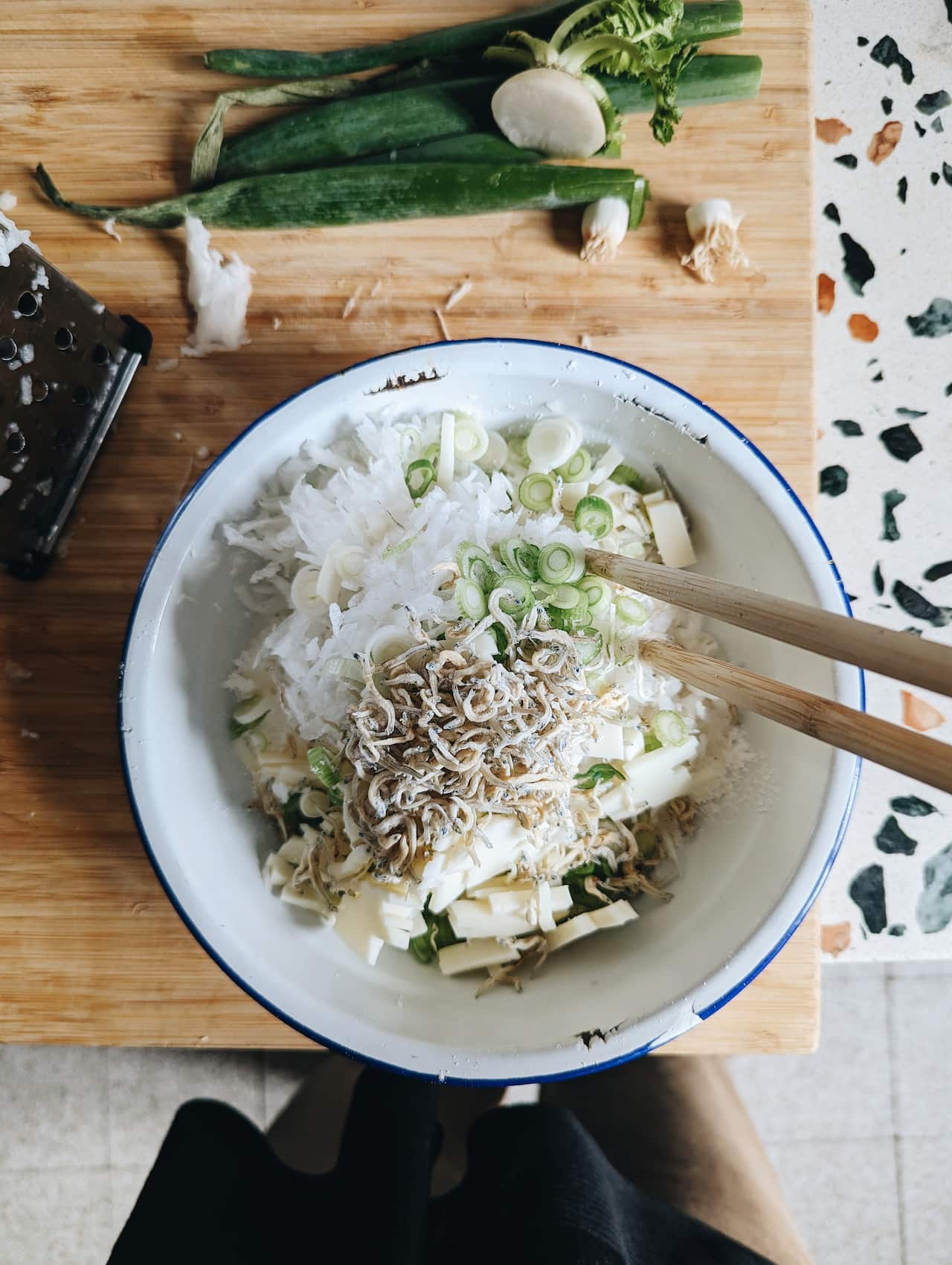
Davies might use them in place of tongs when she's frying or grilling food, mixing a salad, pulling spaghetti out of a saucepan or fishing out a branch of rosemary in minestrone.
At her cooking school, they come in especially handy since she does a lot of frying. "If I don't have my Japanese chopsticks in the kitchen, I feel like I'm unprepared, like I don't have the right tools to be cooking with."
If I don't have my Japanese chopsticks in the kitchen, I feel like I'm unprepared.
While some students find it amusing to see her using chopsticks to cook traditional Italian dishes, she says they are sold on them once they see them in action.
Saibaishi are most often made of wood, though you can also find them made with other materials like silicone and stainless steel.
"I prefer the wooden ones. I don't know why… I think they have a better grip and I can also use them when I'm frying. I use the end of the wooden chopstick to measure how hot the oil is. If you stick that chopstick in the hot oil, and you can see tiny bubbles appear immediately around the bottom of the chopstick, that means that the oil is hot enough," she explains.
Cooking chopsticks, which are commonly used all over East Asia, are usually sold in Australia between $2 and $20. Davies recommends not to go for the cheapest ones as the wood tends to fall apart easily. "Mine have lasted very well, for five or six years now. But they’re wood so just like any wooden utensils, you need to take care of them and not leave them on a hot plate for too long."
Anybody who can eat with chopsticks should be able to use the cooking type.
"When you're learning to use chopsticks, it’s easier to hold them further down, closer to your food. When you become more proficient at chopstick holding, your hand moves up so you're at the top end of the chopsticks." This helps to give you more control of them.
"But otherwise, you hold them exactly the same as the regular chopsticks," she says.

SBS Food is a 24/7 foodie channel for all Australians, with a focus on simple, authentic and everyday food inspiration from cultures everywhere. NSW stream only. Read more about SBS Food

Have a story or comment? Contact Us