
#101 መሳሳቅ

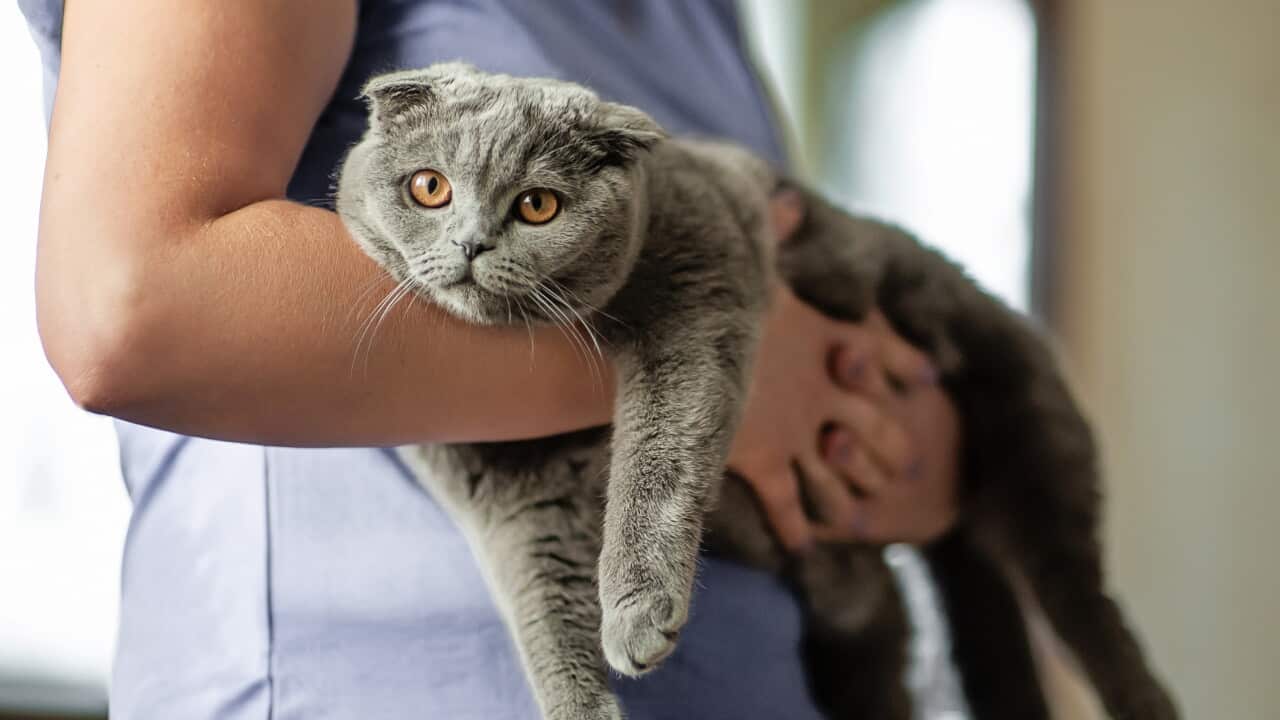
Woman smiling and leaning on her freinds shoulder

To have a laugh means to have fun or enjoy yourself. Credit: Tim Robberts/Getty Images

ስለ ሚያስቅዎት ነገሮች በእንግሊዝኛ እንደምን መናገር እንዳለብዎት ይወቁ። ወጎችን ለማጋራት፣ ለቀልዶች ምላሾችን ለመስጠትና በሃሳብ ልውውጦች ይበልጥ ተደሳች ለመሆን እንዲያግዝዎ ቃለ ሐረጎችን ይካኑ።


SBS እንግሊዝኛ ይማሩ አውስትራሊያ ውስጥ መናገር፣ መግባባትና መወዳጀት እንዲችሉ ይረዳዎታል -  ሁሉንም ክፍለ ዝግጅቶች ይመልከቱ።

ይህ ክፍለ ጊዜ ተስማሚነቱ በመካከለኛ ደረጃ ላሉ ቋንቋ ተማሪዎች ነው። ካደመጡ በኋላ፤ ዕውቀትዎን በዕንቆቅልሻችን ይፈትሹ።

Learning notes

Examples of everyday expressions for talking about things or people that make you laugh:

• That video had me in stitches!
• It made me laugh out loud.
• It had me laughing so much.
• She’s a bit of a character!
• They‘re always doing something hilarious.
• He tells the silliest jokes. Classic!
• I’m just joking!
• I’m only kidding!
• I was just teasing you.
• I’m just having a laugh.
• You crack me up every time.
• That bloke at the party is a hoot.
• She’s always a laugh.
• I can’t stop giggling.
• I burst out laughing.

Colloquial expressions:

To have a laugh means to have fun or enjoy yourself.

A bit of a character means someone or something is funny or unusual in an interesting way.

Joking / I’m just joking means saying something funny and not serious.

Are you joking? means you are surprised, or something is funny or unbelievable.

I’m only kidding means not serious; just being funny.

I was just teasing you means playfully making fun of someone.

Crack someone up means to make someone laugh a lot.

Bursting out laughing / Burst out laughing means to suddenly start laughing out loud


Vocabulary:

To get something is to understand it.

To be in stitches is to laugh really hard.

To be hilarious is to be very, very funny.

Classic as an exclamation in friendly informal speech means typical; just what you expect.

A hoot is someone or something that is very funny.

A laugh is someone who is amusing or funny.

To giggle means to laugh quietly.

A good one is a phrase you can use to congratulate someone on a being funny

Transcript:

(Note: This is not a word-for-word transcript)

SBS acknowledges the Traditional Custodians of Country and their connections and continuous care for the skies, lands, and waterways throughout Australia.

You’re sitting on the couch, and something funny happens—a video, a joke, or a pet doing something strange.

You laugh, of course. Laughter is a universal language, and even if the joke is different from what you’re used to—because Australian humour can be a little different—it still connects us and brightens your day.

I’m Josipa. In this episode, we will practise phrases we can use to talk about funny moments that make you laugh and feel good. It’s amazing how laughter can make your day better.

Now, let’s hear Allan and Claire share a moment that had them laughing out loud.

Allan
That video of the cat trying to jump into the box had me in stitches!

Claire
Haha, that cat’s a bit of a character! Always doing something hilarious. Classic.

Allan
I was just joking about trying it myself… I’d probably crash straight into the floor!

Claire
You crack me up every time, Allan!

How did you go with that dialogue? Was it clear? I have to admit, I didn’t get everything at first, that means I didn’t understand everything, but that’s okay. I’ve looked at all the phrases, and now I can explain them. Allan said,
That video of the cat trying to jump into the box had me in stitches!
The video of a cat had Allan in stitches. If somebody or something has you in stiches, it means it makes you laughing so hard it hurts. , as if you needed actual stitches to hold you together. You could also say,

Claire
It made me laugh out loud.

Or

Allan
It had me laughing so much.

And that means the same thing as saying, “It had me in stitches.” Next, Claire said,

Claire
Haha, that cat’s a bit of a character! Always doing something hilarious. Classic.

Let’s hear the first phrase once again,
Haha, that cat’s a bit of a character!
Here, Claire is saying that she thinks the cat is funny and has a unique or unusual personality. We can use the phrase ‘A bit of character; to talk about someone or something that behaves in a funny, interesting, or unusual way.

You can use this phrase for people, pets, or even things. It’s a friendly, positive way to say someone or something is amusing and memorable. Can you think of anyone you know that you would describe as ‘a bit of a character?’

Claire also said,
Always doing something hilarious. Classic.
Hilarious means very, very funny.

‘Classic’ means something that is typical, iconic, or exactly what you would expect from a person or situation. It’s often used when a behaviour or moment is funny, memorable, or very characteristic of someone. For example, you could say:
He tells the silliest jokes—classic!
Meaning that telling silly jokes is exactly what you expect from him. Or
That reaction was classic!
Meaning it was so typical or characteristic that it’s almost iconic.

So, in the dialogue, Claire is saying the cat’s behaviour is funny and typical . Next Allan said,
I was just joking about trying it myself… I’d probably crash straight into the floor!
Allan was just joking. When someone is just joking, they are saying or doing something funny and not serious. It’s a way to make people laugh or tease them in a friendly way.

If you are not serious and just trying to be funny, you can say:
I’m just joking!
If someone says something that surprises you so that you can hardly believe them, you can say:
Are you joking? I can’t believe it!
In English, after we have made a joke , there are lots of different ways to reassure people that we were not serious . Here are a few:
  • Relax, I’m only kidding!
  • I was just teasing you.
  • I’m just having a laugh.
All of these mean you’re not serious—you’re just being funny to make someone laugh or feel happy. At the end of the dialogue, Claire said,
You crack me up every time, Allan!
To ‘crack someone up’ is an informal way to say ‘make someone laugh a lot.’ You can use it when you are talking with friends, family, or anyone who makes you laugh.

In informal English, there are some fun ways to talk about funny people or moments. Let’s start with a couple you might hear often.

First, ‘a hoot.’ If someone or something is a hoot, they’re really funny.
That man at the party is a hoot—he had everyone laughing.
The movie was a hoot.
Next, ‘a laugh.’ This is another way to say that someone is funny or amusing.
She’s always a laugh—can’t stop giggling when she’s around.
To giggle means to laughing quietly , often because something is funny, cute, or slightly embarrassing.

Now, let me ask you something. Do you enjoy watching comedy, like stand-up shows? Stand-up comedy is when a comedian stands on stage and tells jokes or funny stories to make people laugh.

I love stand-up because I enjoy those moments when I just can’t help laughing. When that happens, I often burst out laughing—than means I suddenly laugh out loud because something is really funny.

Let’s say you watched a stand-up show, and the next day you’re talking to your friend about it. You might say something like:
I burst out laughing when the comedian talked about his parents.


Sign up for previews, updates and to provide feedback.

Paul Nicholson and Lily O'Sullivan voiced the characters of Allan and Claire, and Professor Lynda Yates was our educational consultant.


spk_0

It's nice when I actually get a joke. Learning English is easier when we can have a laugh.

spk_1

SBS acknowledges the Traditional Custodians of Country and their connections and continuous care for the skies, lands and waterways throughout Australia.

spk_2

You're sitting on the couch and something funny happens, a video, a joke, or a pet doing something strange, and you laugh, of course. After all, laughter is a universal language. And even if the joke is different from what you're used to, because let's be honest, Australian humour can be a little bit different. It still connects us and brightens your day.

spk_2

I'm Josipa, and in this episode we will practice phrases we can use to talk about funny moments that make you laugh and feel good. So let's start by listening to Alan and Claire sharing a moment that had them laughing out loud.

spk_3

That video of the cat trying to jump into the box had me in stitches.

spk_4

That cat's a bit of a character, always doing something hilarious. Classic. I

spk_3

was just joking about trying it myself. I'd probably crash straight into the floor.

spk_4

You crack me up every time, Alan.

spk_2

How did you go with the dialogue? Was it clear? I have to admit I didn't get everything at first. That means I didn't understand everything, but that's OK. Don't worry. I've looked at all the phrases, and now I can explain them. Alan said.

spk_3

That video of the cat trying to jump into the box had me in stitches.

spk_2

The video of a cat had Alan in stitches. If somebody or something has you in stitches, it means it makes you laughing so hard it hurts, as if you need actual stitches to hold you together. You could also say,

spk_4

It made me laugh out loud or

spk_3

It had me laughing so

spk_2

much, and that means the same thing as saying it had me in stitches.

spk_2

Next, Claire said,

spk_4

That cat's a bit of a character, always doing something hilarious. Classic.

spk_2

Let's hear the first phrase once again.

spk_4

That cat's a bit of a

spk_2

character. Here, Claire is saying that she thinks the cat is funny and has a unique or unusual personality. We can use the phrase, a bit of character to talk about someone or something that behaves in a funny, interesting or unusual way.

spk_2

You can use this phrase for people, pets, or even things. It's a friendly, positive way to say someone or something is amusing and memorable. Can you think of anyone you know that you would describe as a bit of a character?

spk_2

Claire also said

spk_4

Always doing something hilarious, classic.

spk_2

Hilarious means very, very funny. Classic means something that is typical, iconic, or exactly what you would expect from a person or situation. It's often used when a behavior or moment is funny, memorable, or very characteristic of someone. For example, you could say.

spk_3

He tells the silliest jokes,

spk_2

classic. Meaning that telling silly jokes is exactly what you would expect from him, or.

spk_4

That reaction was classic.

spk_2

Meaning it was so typical or characteristic that it's almost iconic. So in the dialogue, Claire is saying the cat's behavior is funny and typical. Next, Alan said.

spk_3

I was just joking about trying it myself.

spk_2

Alan was just joking. When someone is just joking, they're saying or doing something funny and not serious. It's a way to make people laugh or tease them in a friendly way. If you're not serious and just trying to be funny, you can say,

spk_3

I'm just joking.

spk_2

And if someone says something that surprises you so much, so that you can hardly believe them, you can say,

spk_3

Are you joking? I can't believe

spk_2

it. In English, after we have made a joke, there are a lot of different ways to reassure people that we were not serious. Here are a few.

spk_4

Relax, I'm only kidding.

spk_3

I was just teasing you.

spk_4

I'm just having a laugh.

spk_2

All of these mean you're not serious. You're just being funny to make someone laugh and feel happy.

spk_2

At the end of the dialogue, Claire also said.

spk_4

You crack me up every time, Alan.

spk_2

To crack someone up is an informal way to say, make someone laugh a lot. You can use it when you are talking with friends, family, or anyone who makes you laugh. In informal English, there are some fun ways to talk about funny people or moments. Let's start with a couple you might hear often. First, a hoot.

spk_2

If someone or something is a hood, they're really funny.

spk_3

That man at the party is a hoot. He had everyone laughing.

spk_4

The movie was a hoot.

spk_2

Next, a laugh. This is another way to say that someone is funny or amusing.

spk_4

She's always a laugh, can't stop giggling when she's around.

spk_2

To giggle means to laugh quietly, often because something is funny, cute, or slightly embarrassing. Now, let me ask you something. Do you enjoy watching comedy, like stand-up shows? Stand-up comedy is when a comedian stands on stage and tells jokes or funny stories to make people laugh.

spk_2

I love stand up because I enjoy those moments when I just can't help laughing. When that happens, I often burst out laughing. That means I suddenly laugh out loud because something is really funny.

spk_2

Let's say you watched the stand-up show, and the next day you are talking to your friend about it, you might say something like,

spk_4

I burst out laughing when the comedian talked about his parents.

spk_2

Now we'll play the dialogue again. Pay attention and see how much more you can understand. After that, we'll practice some of the phrases together.

spk_3

That video of the cat trying to jump into the box had me in stitches.

spk_4

That cat's a bit of a character, always doing something hilarious. Classic. I

spk_3

was just joking about trying it myself. I'd probably crash straight into the floor.

spk_4

You crack me up every time, Alan.

spk_2

It's time to practice. See if you remember the meaning before hearing the answer.

spk_2

What does it mean to crack someone up?

spk_3

Crack someone up is an informal Aussie way to say, make someone laugh a lot. You can use it for friends, family, or anyone who makes you

spk_2

laugh. When you burst out laughing, you.

spk_4

When you burst out laughing, you suddenly start laughing out loud because something is really funny.

spk_2

Now, let's repeat, after Alan and Claire.

spk_3

That video had me in stitches.

spk_4

That cat's a bit of a character.

spk_3

I'm just joking.

spk_4

You crack me up every time.

spk_2

You can find the learning notes and the full transcript for this episode on our website. They'll help you review all the phrases we learned today. We also have a bonus episode to help you practice your speaking, so make sure you check that one out too. Don't forget to follow us on socials, we are on Facebook, YouTube and Instagram. Just search for SBS Learn English. I'm Josipa. Thank you for learning English with me today.

END OF TRANSCRIPT

Share
Follow SBS Amharic

Download our apps
SBS Audio
SBS On Demand

Listen to our podcasts
Independent news and stories connecting you to life in Australia and Amharic-speaking Australians.
Ease into the English language and Australian culture. We make learning English convenient, fun and practical.
Get the latest with our exclusive in-language podcasts on your favourite podcast apps.

Watch on SBS
SBS World News

SBS World News

Take a global view with Australia's most comprehensive world news service