This slur was used to abuse Concetta's father. For her, it's a proud identity

Untitled design.png

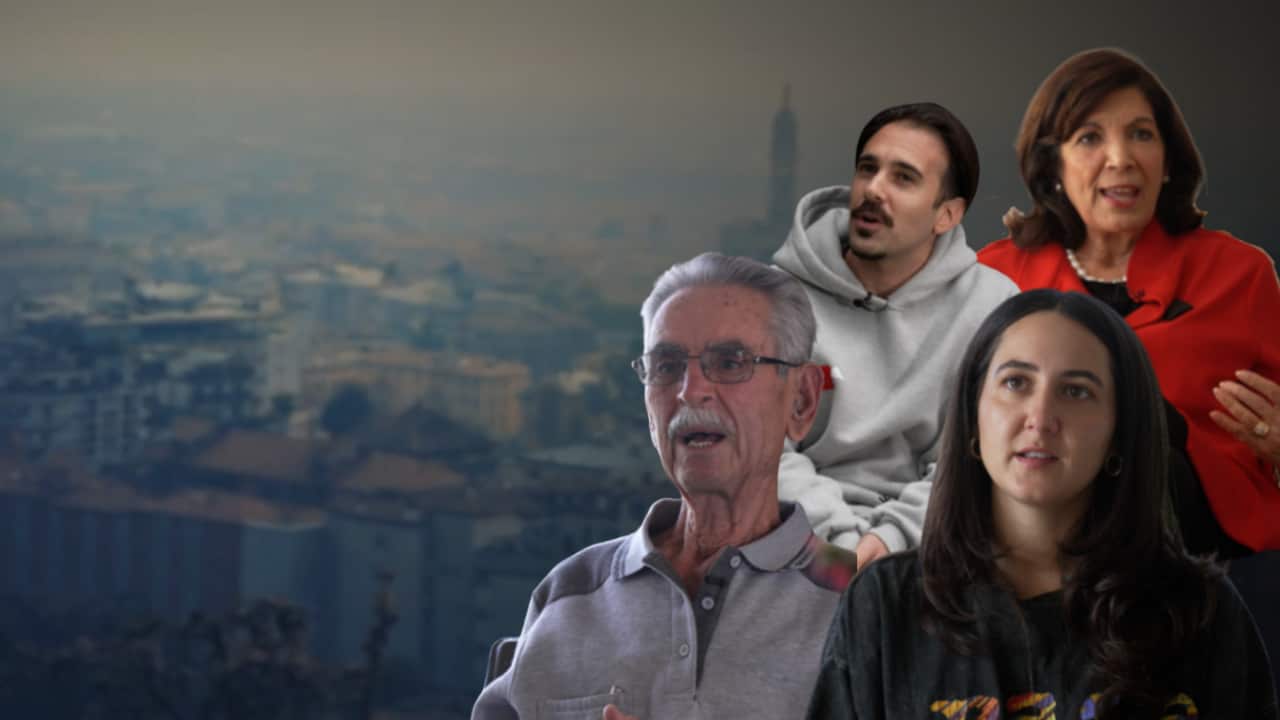
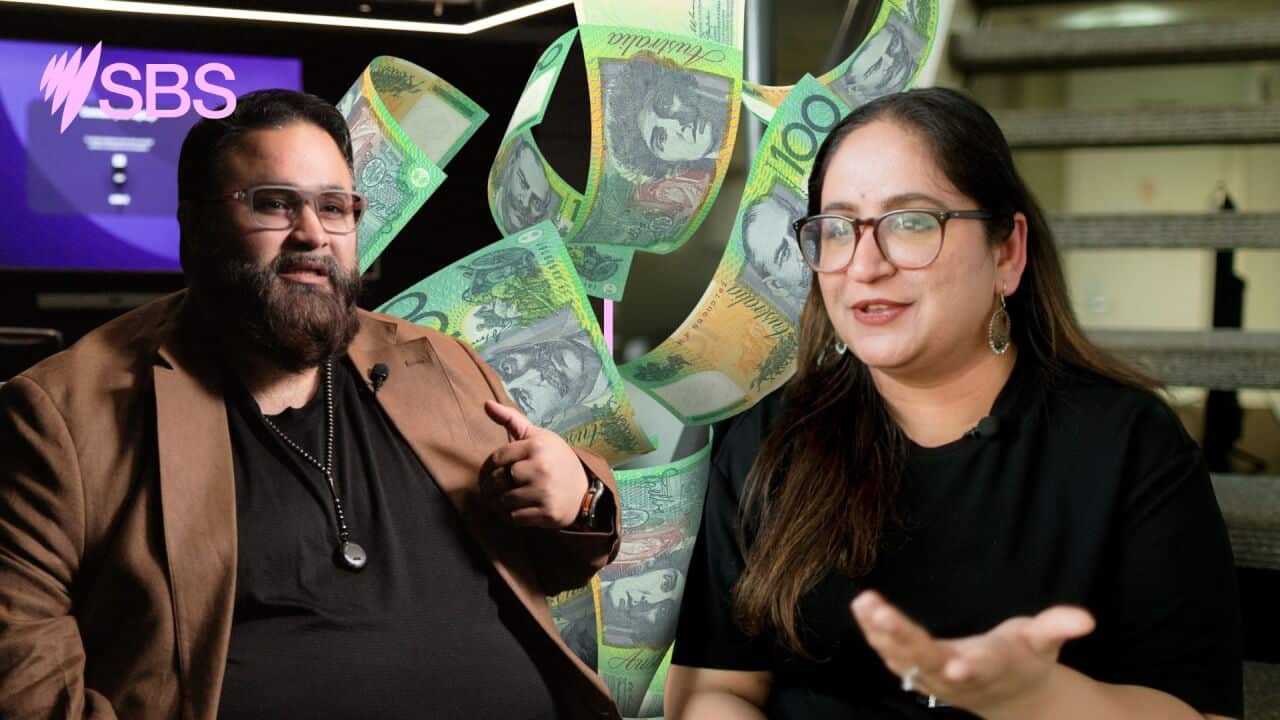
These Greek and Italian migrants share their experiences of Australia and their place within it. Credit: SBS Examines

The term was used as an insult towards Greek and Italian migrants who arrived after the Second World War. But the generations that follow have reclaimed 'wog', redefining their cultural identity.


WARNING: Distressing language

Concetta Caristo is a proud wog.

But for her father, the word was spat at him in vitriol.

“I use it as a term of pride. I really do. And I obviously think it's based on tone. If I hear someone saying it to me in this vitriolic tone, I'm sure that would make me upset, I would be so taken aback by that, which to me really shows how far the word has come," the comedian and Triple J host told SBS Examines.

"My dad who was born here was like, ‘yeah, it was used with vitriol for being different.’ So that is pretty a remarkable change."
The term originated from the slur 'dago'.

"Dago sort of slips out of usage and . . . is replaced by the slur wog," explained global diasporas expert and Greek Australian Dr Andonis Piperoglou.

He said the term originally meant infestation or disease.

Former Socceroo Peter Katholos, who came to Australia from Greece at nine-years-old, remembers wog being used against him.

"There were moments where I was called a wog, many, many times," he said.

"You were looked at as a stranger, like ‘what are you doing on our land?’ Little did they think that these people that came from overseas were here to work hard to basically help in building this country, which the migrants did."

While the word wog has a complex meaning for many Australians, Dr Piperoglou said it's helped curate a new cultural migrant identity.

"The diaspora of these groups from the Mediterranean can start to self-identify and claim a certain type of alternative Australian-ness, which rides up against and challenges some of those monocultural renderings of what constitutes a good Australian."

This episode of SBS Examines celebrates 50 years of SBS, recognising some of the broadcaster's first migrant audiences and their contributions to modern Australia.
spk_0

SBS acknowledges the Traditional Custodians of Country and their connections and continuous care for the skies, lands and waterways across Australia.

Olivia

From SBS Examines, I'm Olivia Di Iorio. This year, SBS is turning 50, and in celebration we’re sharing stories of cross-cultural success and proud multicultural communities. Content warning, this episode uses language and contains content some may find offensive. When SBS launched in 1975, as two community radio stations – 2EA in Sydney and 3EA in Melbourne – Greek and Italian were among the first languages spoken on air, representing some of the longest established migrant communities in Australia. But these communities faced discrimination, including being labelled ‘Wogs’ - a racial slur which, in Australia, is usually used in reference to people from the Mediterranean region. Now, some still consider the term racist, but here, many have come to reclaim the term and self-identify, or use it as a term of endearment. Today, we’re investigating how the term’s meaning has morphed, and the experiences of generations of Italian and Greek migrants, who have shaped what it is to be Australian. Adrianos Kazas migrated to Australia in 1959, fleeing from war. He was 24. He says there were some negative pre-conceptions about migrants, but he didn't feel discriminated against.

Adrianos Kazas

They will say, oh, they will grab our girls and our women, they will lose their job and that they take the jobs, et cetera. And they're justified as long as they're not offensive. Yes. So that's how I have looked Australian. I'm very happy.

Olivia

Peter Katholos was the first Greek-born person to represent Australia nationally as a Socceroo. His family journeyed to Australia by boat in 1970, sailing for 30 days on the Indian Ocean. He was nine-years-old and spoke no English.

Peter Katholos

You were looked at as a stranger, like ‘what are you doing on our land?’ Little did they think that these people that came from overseas were here to work hard to basically help in building this country, which the migrants did. But there were moments where I was called a wog many, many times.

Olivia

So, where did the term ‘wog’ come from and why is it considered offensive? Andonis Piperoglou is the Hellenic senior lecturer in global diasporas at the University of Melbourne, he is also a Greek Australian.

Andonis Piperoglou

The word or slur, 'dago', which has an epistemological link to the Spanish or Portuguese name Diego. But dago sort of slips out of usage and...is replaced by the slur wog... Its origin from its meaning as a bug, an infestation a disease.

Olivia

While still considered a slur, many people have reclaimed the word, proudly self-identifying as wog.

Andonis Piperoglou

The diaspora of these groups from the Mediterranean can start to self-identify and claim a certain type of alternative Australian-ness which rides up against and challenges some of those monocultural renderings on what constitutes a good Australian.

Olivia

Comedian Anthony Locascio's mother is Greek, and father is Italian. He says there are generational differences in experiences of discrimination.

Anthony Locascio

When my grandfather was training in his football team, he would have drunken Anglo-Saxon men come and throw beer bottles and heckle them and tell them to take their wog ball somewhere else. ... I think my parents' generation probably experienced it a lot in business more than anything... I've experienced it in waves...the bullying wasn't overt, it was more things like kids who would make up rumours that my dad was in the mafia.

Olivia

Anthony works his ethnic background into his standup comedy.

Anthony Locascio

A lot of comedians in Australia that have wog backgrounds, they don't talk about it, that sucks because you are excavating a great part of your upbringing and your identity.

Olivia

Triple J Breakfast Radio Host Concetta Caristo has three grandparents born in Italy. She says she’s proud to call herself a wog.

Concetta Caristo

I use it as a term of pride. I really do. And I obviously think it's based on tone. If I hear someone saying it to me in this vitriolic tone, I'm sure that would make me upset, I would be so taken aback by that, which to me really shows how far the word has come. My dad who was born here was like, ‘yeah, it was used with vitriol for being different.’ So that is pretty a remarkable change.

Olivia

Concetta Perna is the president of the National Italian Australian Women’s Association and an academic studying women’s migration. She says each generation has a unique cultural identity but believes the children of those who first came to Australia struggled the most.

Concetta Perna

They were very much torn between the two identities, two cultures.

Olivia

She spent years teaching Italian to students at Macquarie University, meeting second generation migrants, many with Italian ancestry.

Concetta Perna

That has been a most rewarding part of my teaching to see the way they change their perception of their culture and the willingness to learn it....the children of the migrants they refuse to learn Italian, to speak Italian, or they would speak dialects within the walls of their home, but not outside their home, because they felt this discrimination on them, but when they started travelling, they realised what they had missed. And with their children, they don't want them to miss on that. So that generation is pushing and encouraging the new generations to study Italian, to learn Italian, and to travel to Italy.

Olivia

Anthony knows how shame can impact each generation in a family. His grandfather was a role model for him, but when he shared his dream of pursuing comedy, his grandfather discouraged him.

Anthony Locascio

I was a little taken aback by it at first because I wasn't expecting that kind of a response from him. But the more I thought about it, the more in line it was with exactly who he's always tried to be for me. He's always wanted to make sure his kids are safe and his grandkids are safe and pursuing a safe path...I realised that that little voice in his head, in my mum's head, in my head that says, 'don't do that. You’re not safe, you’re going to get in trouble. You’re going to fail'. As much as that's in me, my grandparents' defiance and bravery and courage at leaving everything that they knew and going halfway around the world basically on their own in search of a better life, the two come together and I feel like I have both in me. My grandparents arrived here with the same hopes and the same dreams, and they may not have accomplished all of them, but the generation below them and the generation below that certainly did.

Olivia

This story was produced by Fernando Vives and Rachael Knowles. For more information, visit sbs.com.au/sbsexamines.

END OF TRANSCRIPT

Share