
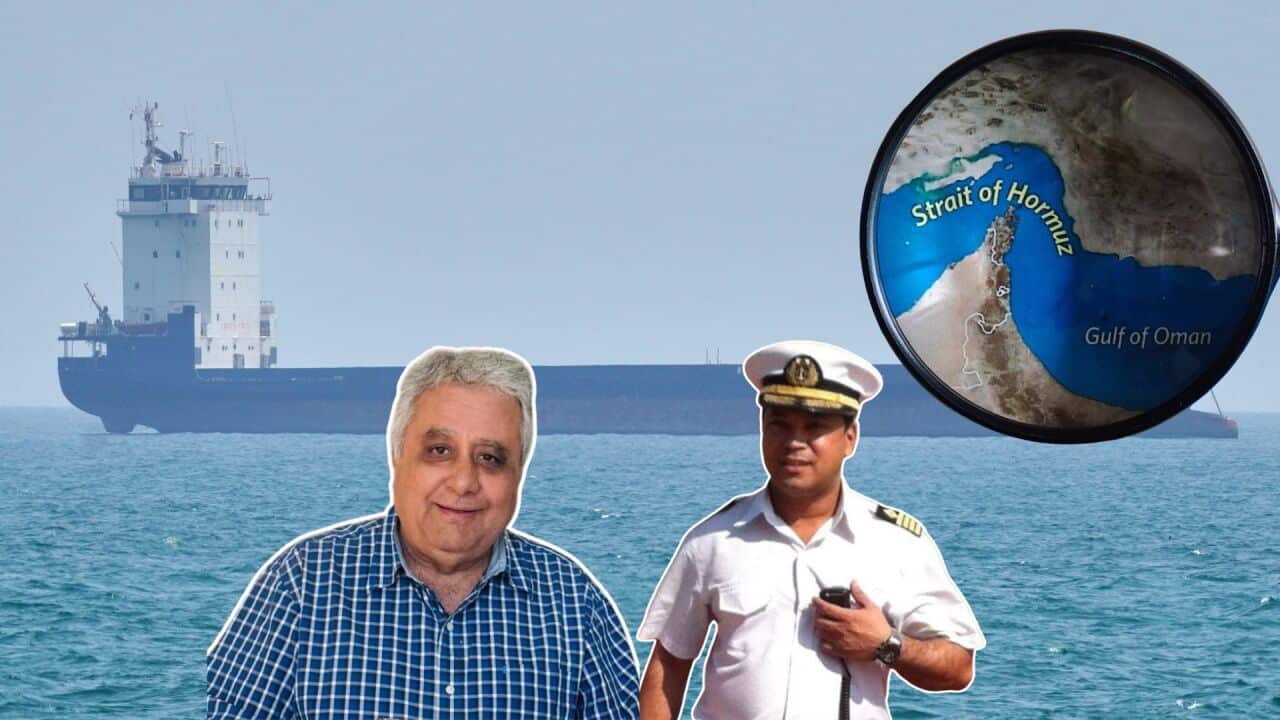

Thousands of seafarers remain stranded in the Strait of Hormuz, which has been under restrictions since the US-Iran conflict escalated earlier this year. SBS Hindi spoke with two Indian-origin maritime workers based in Australia who shared their experiences navigating vessels in the region and concerns about the safety and wellbeing of those at risk of potential attack.
Hobart-based Ritesh Bhamaria, who is currently aboard a vessel at an undisclosed location, says he has been closely following developments in the region and often thinks about those stranded in the region.
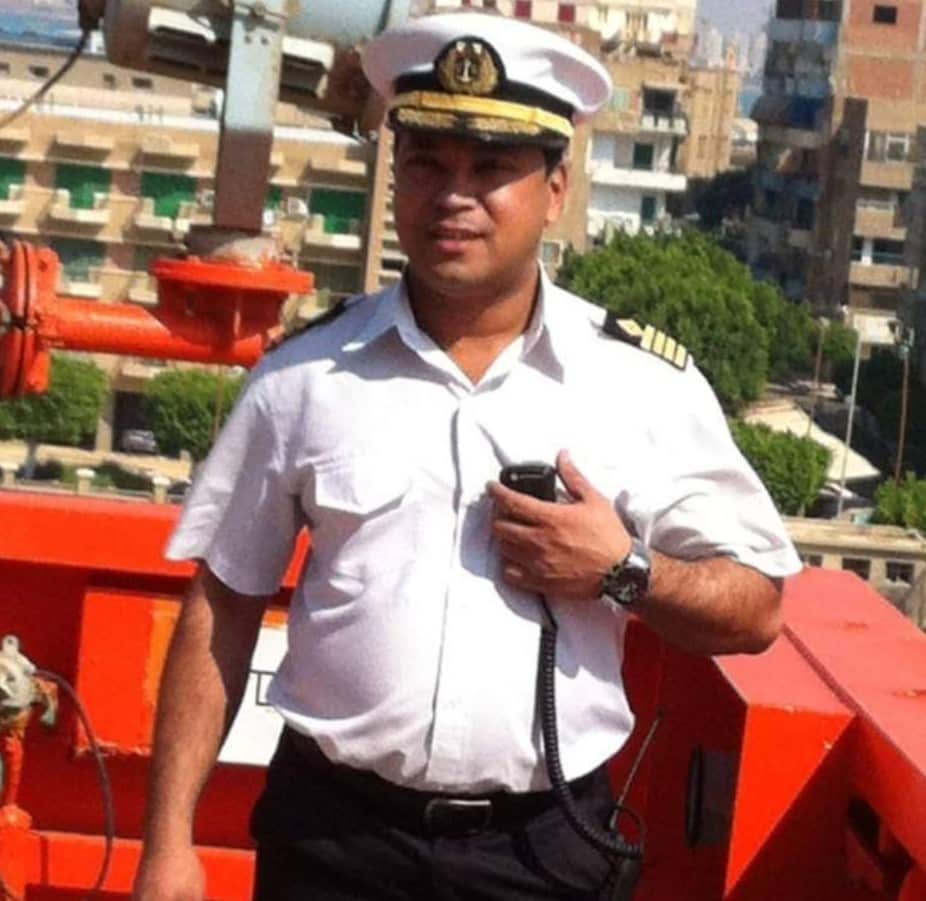
Bhamaria has previously navigated the region aboard oil tankers.
“My heart goes out to those stranded there. It’s a difficult situation to be in when you’re simply doing your job, transporting goods for your country,” he said.
Anil Bhatia, a former sailor based in Melbourne, echoes similar sentiments.
He describes seafarers as generally mentally resilient but says conflict situations like the current one can be deeply isolating, adding that he hopes the conflict ends soon.

"I crossed it during the Iraq war, but from what I understand, the current situation is no better. Those stranded are facing a lot of hardships. It must feel like imprisonment for them,” he says.
What is the Strait of Hormuz?
The Strait of Hormuz is a narrow maritime choke point bordered by Iran to the north and Oman and the United Arab Emirates to the south.
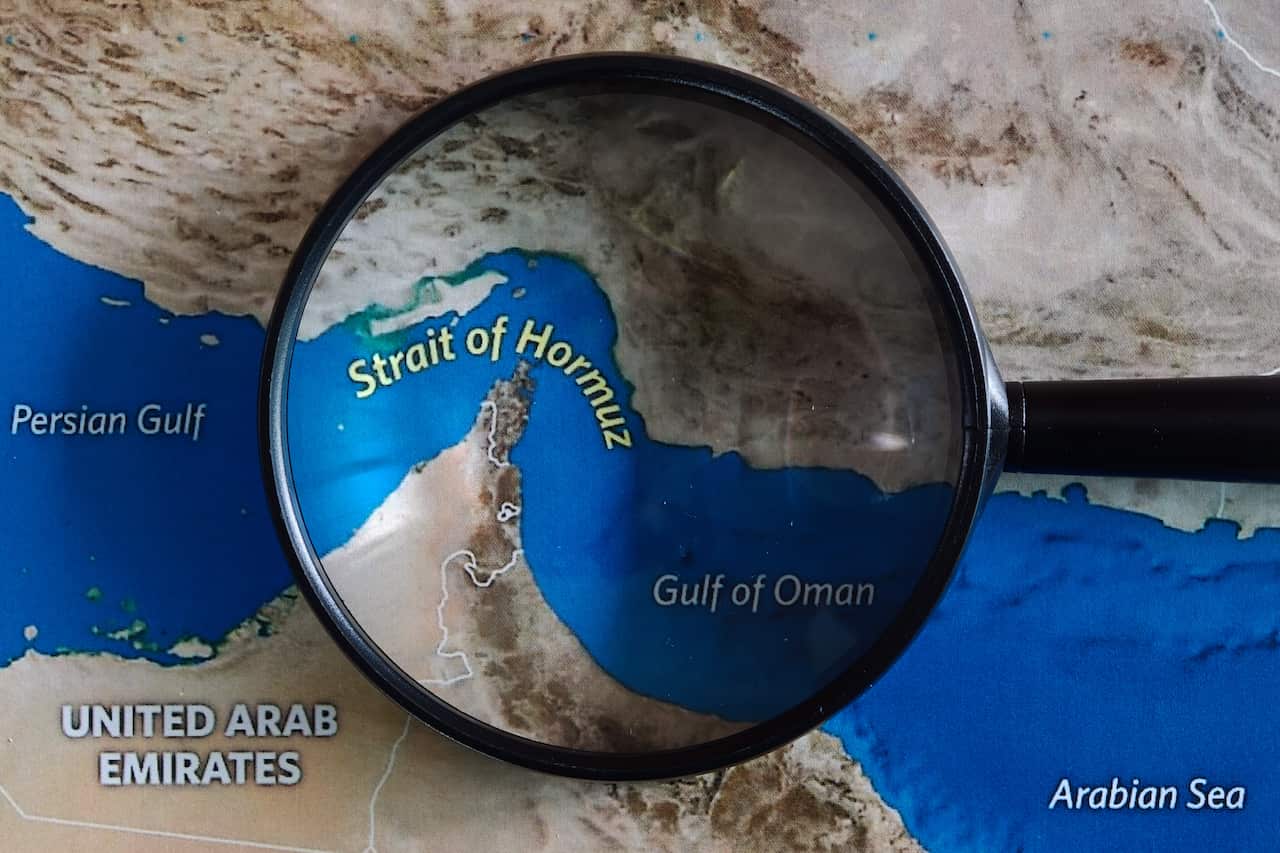
The Strait is just 29 nautical miles (54 km) wide and organised into shipping lanes which are located within the territorial waters of Iran and Oman.
The ongoing conflict
Since the US–Israel strikes on Iran began on 28 February, the Strait of Hormuz has been under restrictions. The latest conflict has affected shipping routes to global trade.
Heightened security risks and reported attacks by Iran’s Revolutionary Guards on commercial ships have deterred many from transiting the area.
The strait has become a central issue in US–Iran ceasefire negotiations.
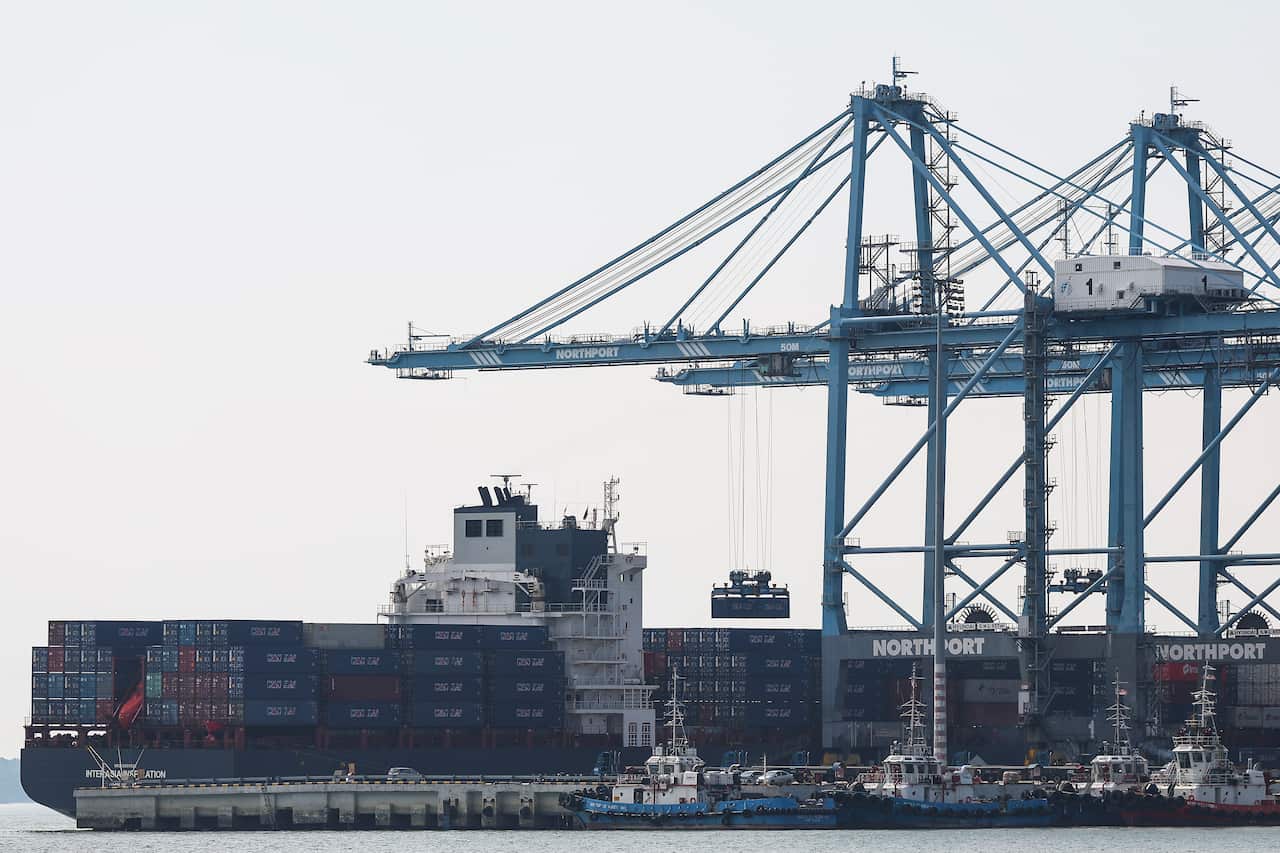
According to the International Maritime Organisation (IMO), more than 20,000 seafarers remain stranded on vessels, unable to exit the region.
Why it matters so much
The International Energy Agency (IEA) estimates that more than 20 per cent of the world’s seaborne oil passes through this narrow waterway, underscoring its critical role in global energy supply.
Any disruption could significantly impact oil prices and availability worldwide, with limited alternative routes available to offset the loss.
The recent drop in shipping through the Strait of Hormuz is already being felt across global markets.
Find our podcasts here at SBS Hindi Podcast Collection. You can also tune in to SBS Hindi at 5 pm on SBS South Asian on digital radio, on channel 305 on your television, via the SBS Audio app or stream from our website.