
Nutritionist Leona Victoria explains why gut health is this year's leading trend and how Indonesian local foods can support it.
Note: The information shared in this interview is of general nature and may not suit your personal situation. Please consult your healthcare provider for advice specific to your circumstances.
Gut health has taken centre stage as the leading nutrition trend of 2026, and it's about far more than just digestion. Experts now recognise that a healthy gut plays a crucial role in our overall wellbeing.
Nutritionist and feeding therapist Leona Victoria, who graduated with a master's degree in Dietetics and Clinical Nutrition Services from the University of Sydney and is also accredited with the Dietitians Association of Australia, said awareness is growing around the gut's role as a "second brain". Our digestive system communicates directly with the brain, affecting everything from mood and immunity to quality of life, she said.
Victoria said people are moving away from focusing on single nutrients like omega-3 or protein, and instead looking at digestive health as a whole. Taking supplements isn't enough if you're not looking after the organs that process them, she said.

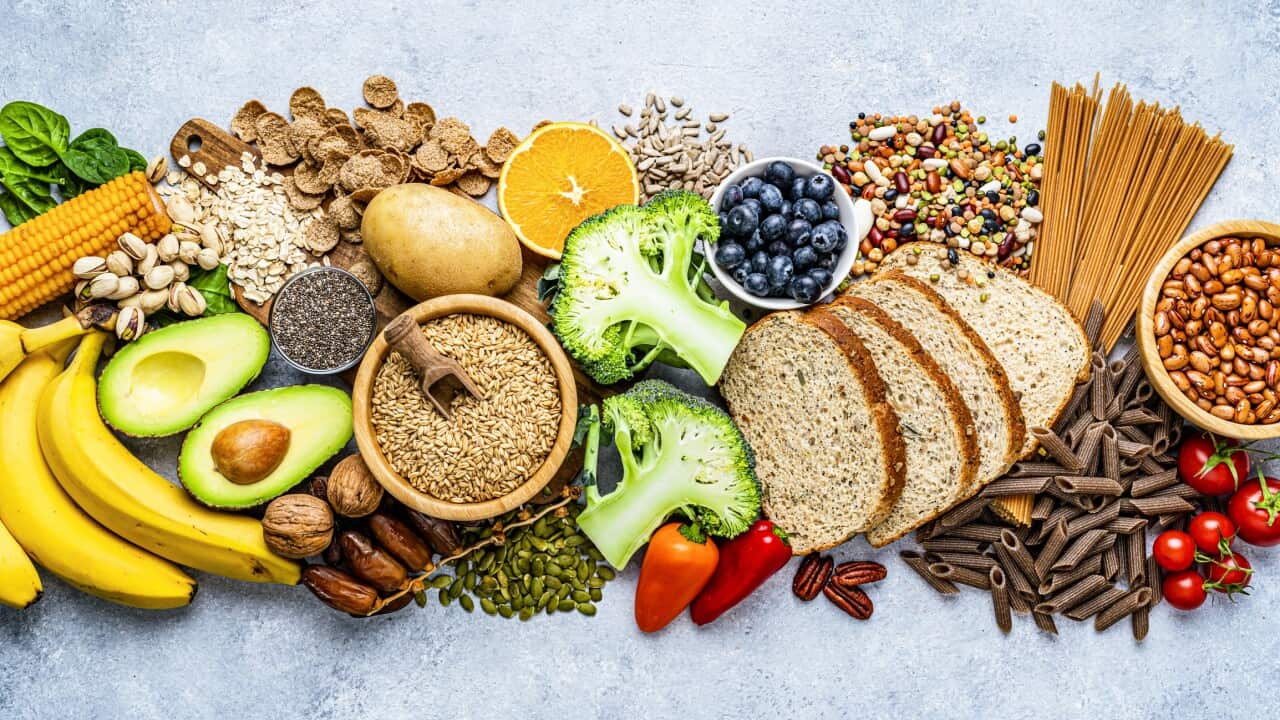
For better gut health, Victoria said fermented foods are a source of probiotics, alongside fruits, vegetables, and legumes for prebiotics and fibre. She said legumes are "the next superfood", pointing to their wide variety of antioxidants and anti-inflammatory compounds, which vary depending on their colour.
Indonesia has an abundance of legumes, including red beans and mung beans. However, Victoria said, most Indonesians stick to tempeh, tofu, and red beans, while other varieties rarely make it into everyday meals.
Victoria also drew attention to Indonesia's "double burden of malnutrition": on one hand, children are experiencing stunting and undernutrition; on the other, rates of obesity and diabetes are rising among adolescents and young adults.
Leona Victoria further explained about cooking methods that preserve nutrients, the risks of ultra-processed foods, and the "Isi Piringku" (Fill My Plate) guide for Indonesian families, which is similar to Australia's Healthy Plate.
Listen to the full podcast.