


As church bells tolled around the world welcoming the birth of the Mermaid, the solemn atmosphere in the mountainous Papua province felt different. For people in the heart of this Cenderawasih earth, Christmas is not just an extravaganza, but a reflection amid limitations and an uncertain security situation.
Onoy Lokobal, a Jayawijaya resident and a local journalist from Nokenwene media, said that not much change was felt at Christmas this year. Behind the grateful smiles of the congregants, tucked away the sense of ferocity that has been a longtime friend to the locals.
Stone-Burning Tradition: The Heart of a Community Celebration
Despite the limited space for movement, the community still strives to maintain the ancestral tradition that is the spirit of every major celebration: Barapen or Bakar Batu. For the residents of Mountainous Papua, Christmas is not synonymous with sweet pastries on the table, but rather smoke billowing from hot stone pits.
“We prepared firewood and stones, then counted the number of pigs to be slaughtered. After that, the residents made a big hole to cook it,” Onoy explained.
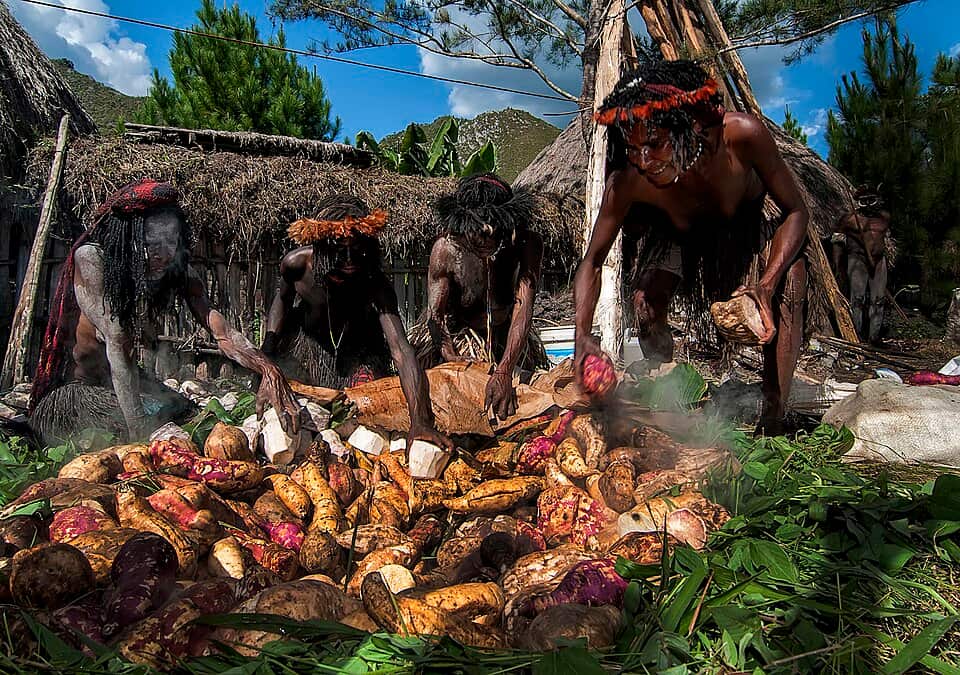
This procession is a form of togetherness. Pork, or as it is familiarly called Wam, is laid on a stone that has smoldered, then covered with sweet potatoes, caladiums, and fresh vegetables. The tradition is believed to produce the most delicious flavours and to be a timeless adhesive symbol of brotherhood.
Economic Irony: Pork Prices Surpass Cows in Java
However, preserving this tradition entails not a small cost. The high demand during the Christmas season made livestock prices jump dramatically. Onoy reveals surprising facts regarding the local economy there.
“The price of one pig ranges from Rp 20 million to Rp 40 million. In general, a pig in Papua is much more expensive than a cow on Java Island. In fact, a large pig can be equivalent to the price of two cows.”
Living in Security Uncertainty
Behind Barapen's jubilation, the shadow of the conflict with the Free Papua Organization (OPM) still haunts. The massive presence of military personnel in urban areas and the frequent sound of gunfire on the outskirts of the forest created a less conducive atmosphere.
Onoy described the psychological state of the residents bitterly. “Generally in Papua these mountains, there is no sense of comfort. We feel pinched by the situation,” he said.
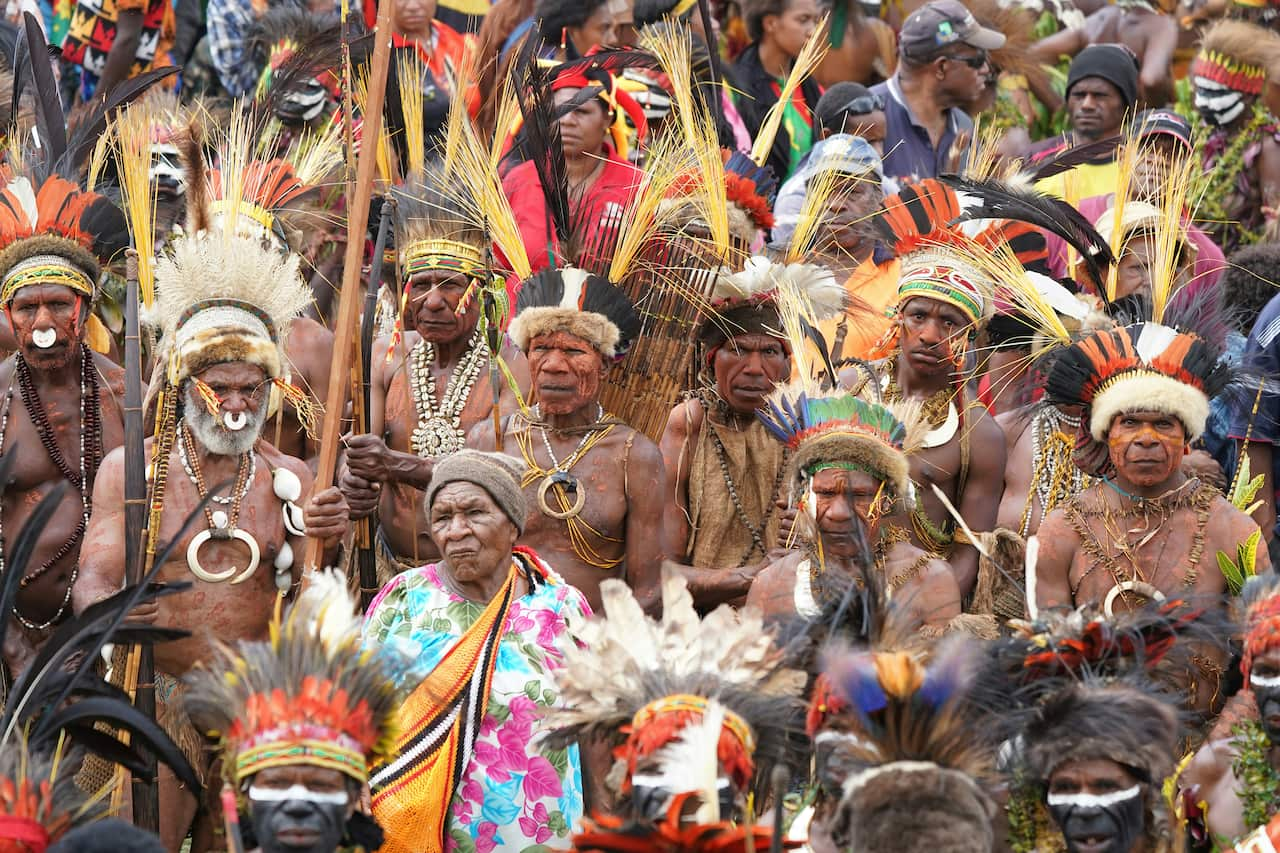
Old traditions such as traveling from house to house or visiting between villages are now beginning to be abandoned for safety. The Christmas that was supposed to carry a message of peace, for some citizens, was instead celebrated in silence due to limited room for movement.
Christmas in the Refugee Camp
The most worrying conditions occur in regions such as Nduga Regency, Bintang Mountains, and Yahukimo. Until this year, thousands of people remained in refugee camps as a result of the prolonged conflict.

For them, Christmas is celebrated inside makeshift tents with potting facilities. There were no glitters of ornamental lamps, there were only sincere prayers extended that the land of their birth soon recovered.
“The prayer of Christmas celebrations in refugees is the hope that Mountainous Papua, and Papua in general, will be safe again soon,” Onoy concluded.
————
Nurhadi Sucahyo