
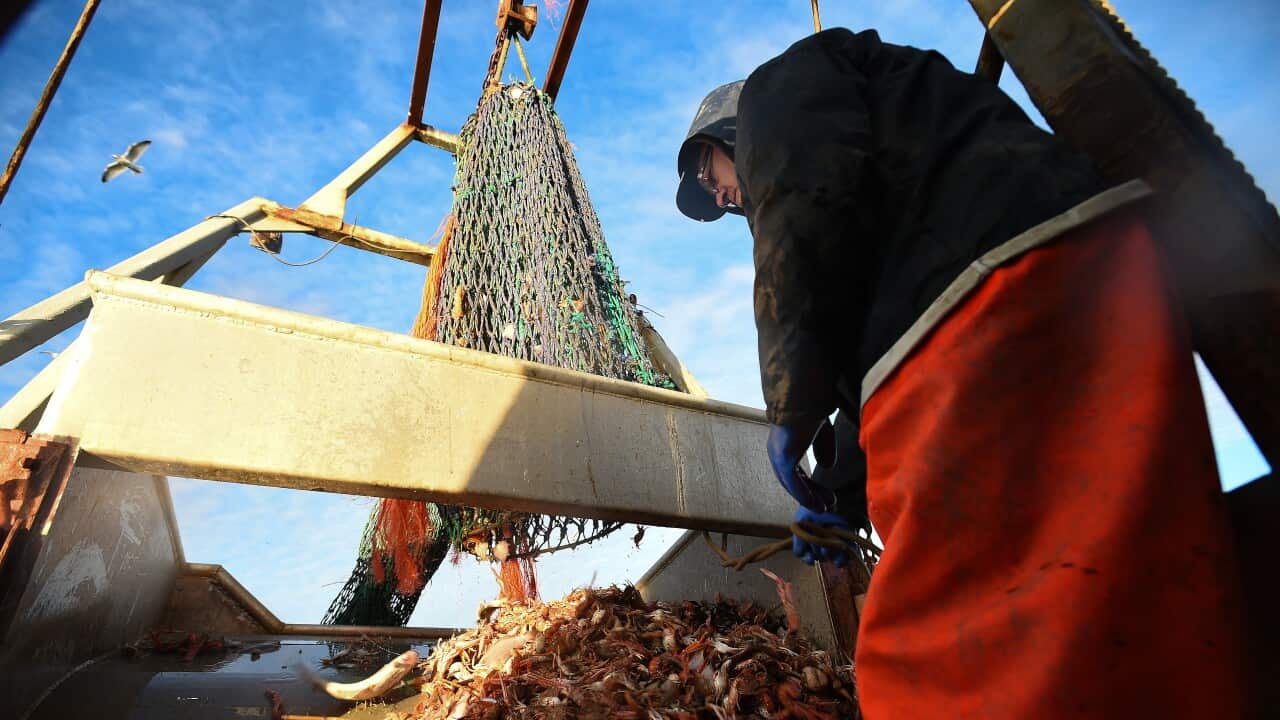

Indonesian Migrant Workers (PMIs) in the maritime sector, particularly those working as Ship Children (ABK), face extreme levels of vulnerability with a much higher risk of violence and death than other sectors
Data from the Indonesian Migrant Workers Union (SBMI) recorded 943 cases of forced labor and trafficking in persons during 2010 to 2024.
The Greenpeace joint investigation also uncovered a growing pattern of systemic abuses on foreign-flagged ships, particularly Taiwan and China, where workers were subjected to fraud, document holdups, to debt entanglements that meet the ILO standard indicators of modern slavery.
Weak state protections are a major highlight in this issue, which has its roots in a history of impartial regulation.
In the past, Law 39/2004 did not categorize fishermen on foreign boats as migrant workers, so the legal protection was minimal. Despite the subsequent publication of Law 18/2017 that officially recognized their status as PMI, implementation on the ground was constrained by bureaucratic chaos.
Rizky Oktaviana of SBMI revealed the phenomenon of mutual responsibility between ministries — such as the Ministry of Transport, Ministry of Finance, and the CCP — which led to complaints of stalled cases and companies violating workers' rights often escaping sanctions.
This overlap of authority has been exacerbated by the Ministry of Transport's policy, which is judged to have slowed progress in regulating migrant protection.
However, the Constitutional Court ruling finally confirmed that placement governance is now the authority of Indonesia's Ministry of Migrant Workers Protection.
This rectification is urgent given the extremely inhumane working conditions in the field, where ABKs worked in total isolation without access to communications for months, even experiencing tragic incidents such as the dumping of the remains of colleagues into the sea without proper procedures.
====================
Nurhadi Sucahyo