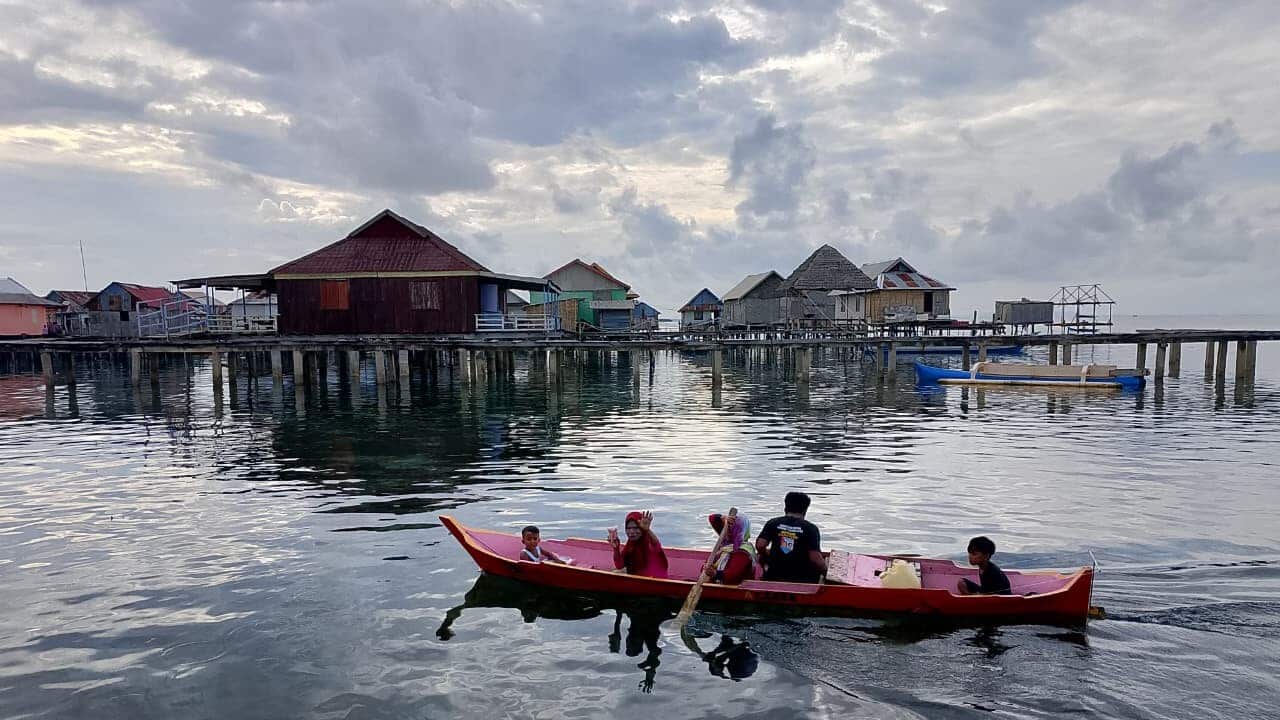

Ramadan life in the Bajau Sampela tribal community of Wakatobi offers a unique portrait of how these sea wanderers harmonized worship with their ocean-side rhythms of life.
As a society known to the world for its extraordinary physical abilities in diving, Bajau residents welcome this holy month with various adjustments.
In the village of Sampela, only about 70 percent of residents perform fasting services due to the heavy physical challenges of having to earn a living in the depths of the sea during the day.
Ramadan in the middle of the Bajau Sampela tribe, Wakatobi, is a moment of adjustment that is now overshadowed by longing for past traditions.
As tough sea nomads, Bajau people face great physical challenges as only about 70 percent of the population can afford to fast while the rest have to keep diving in search of fish for survival.
Those who fast are forced to change their rhythm of life drastically, such as resorting to searching for fish at night using nets to conserve energy in the scorching sun.
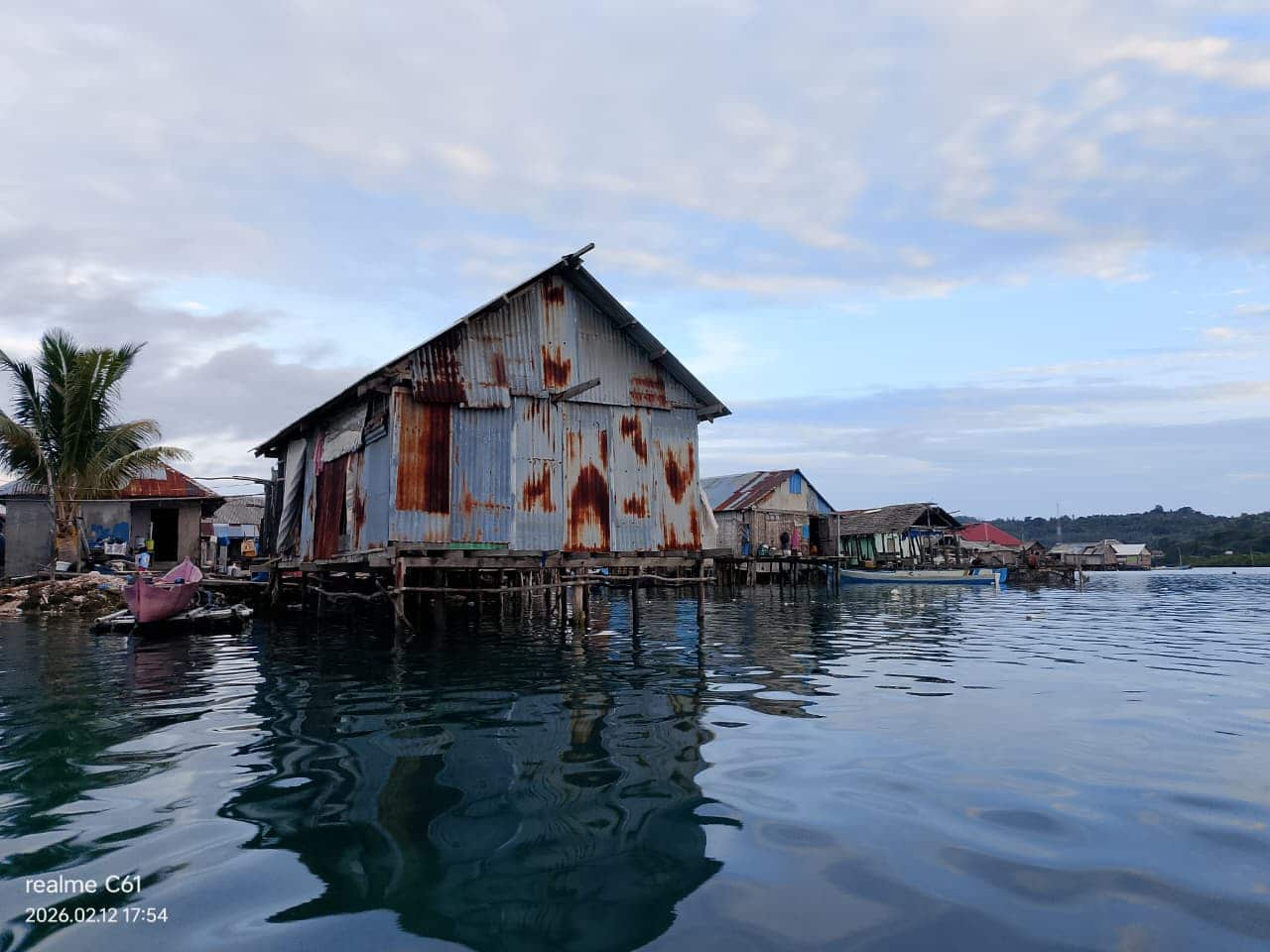
The modernity that brings electricity, gas, and communications technology has shifted the communal warmth that used to be the hallmark of breaking the fast. Where once residents gathered around stoves and petromax lamps to share grilled fish familiarly, now that interaction has begun to fade as it becomes easier to buy food from outside.
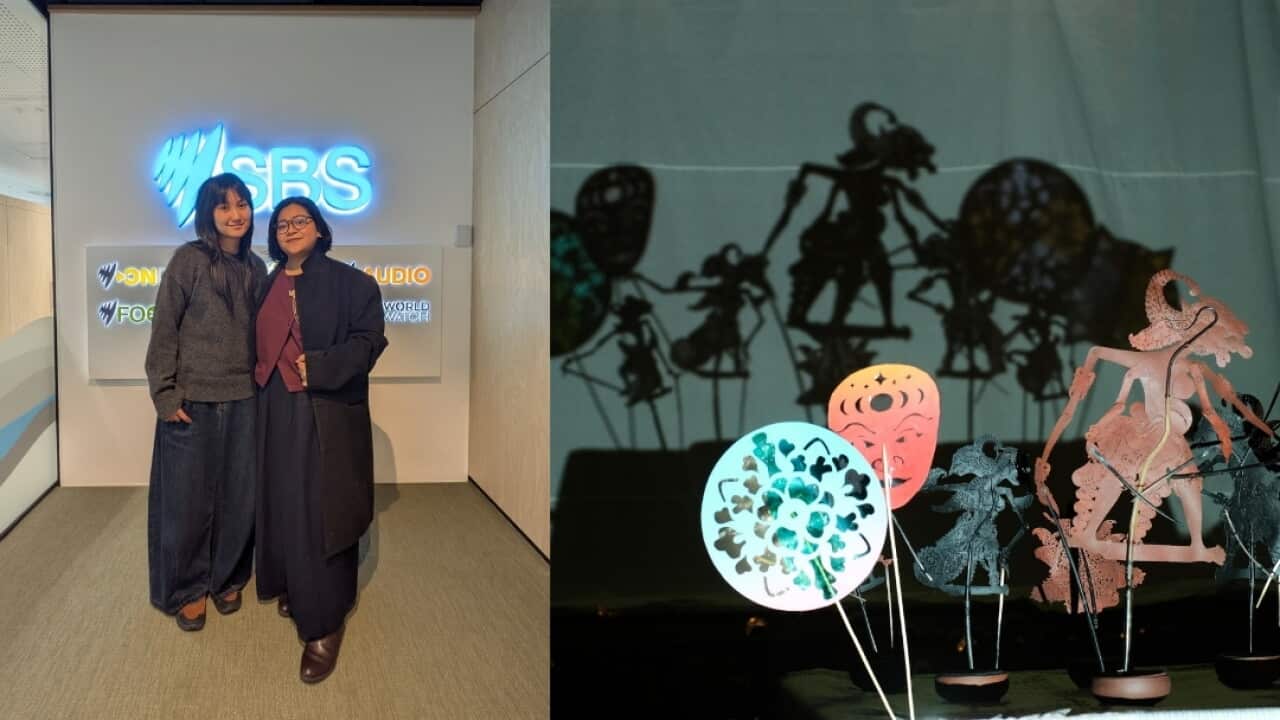
Nurhadi Sucahyo, SBS Indoneisan, talks with Risno, a local young man, reminiscing about the solemnity of worship in wooden mosques and the tradition of children after dawn prayers turning round and round to fix the village's wooden stilts as fields of reward—a social concern that is now beginning to be eroded by individualistic attitudes and reliance on village development.
This change in mood even makes the nomads start to be reluctant to go home during Idulfitri because they no longer find the hometown soul they long for.
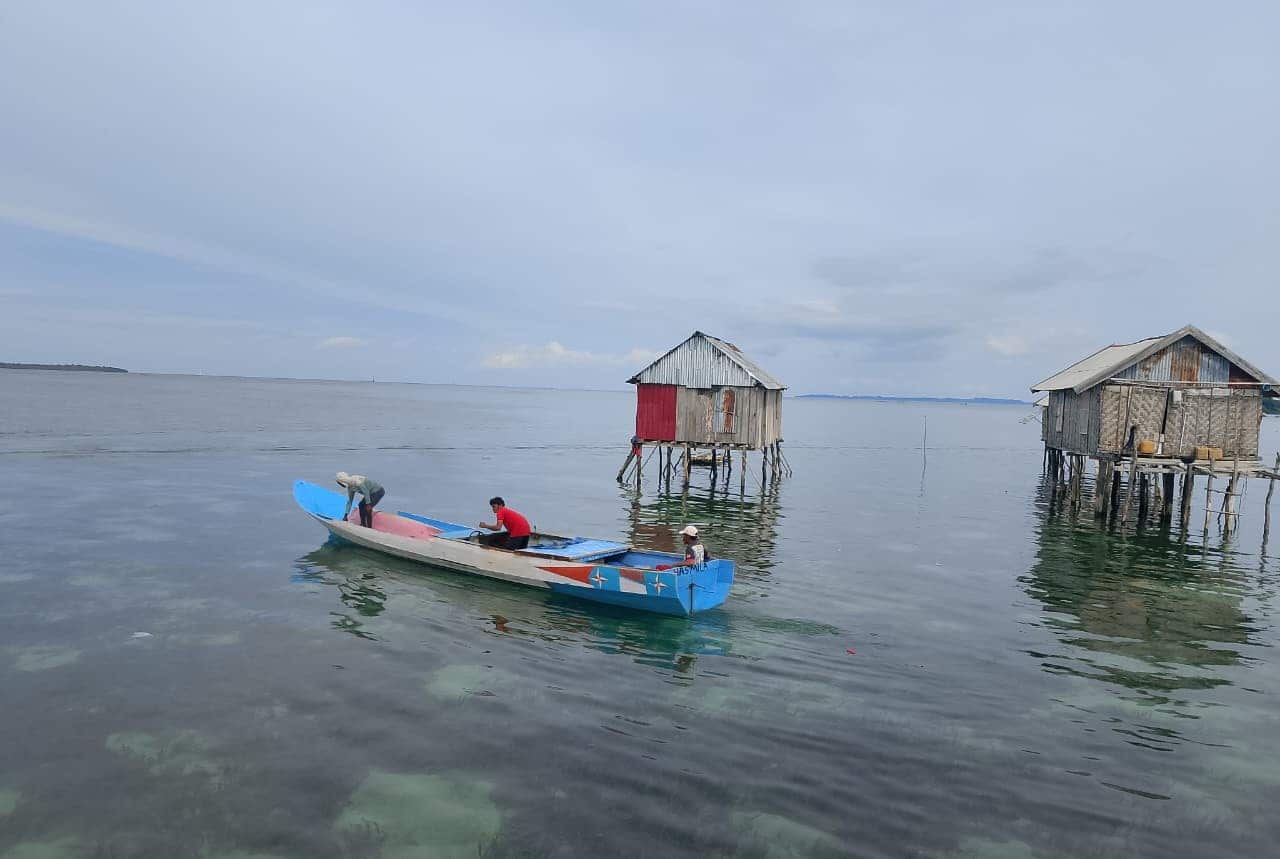
Although the road infrastructure has been turned to concrete, for residents like Risno, the true essence of Ramadan remains in the memory of wooden streets, the light of the martyrdom of oil lamps, and the sincerity of sharing on the sea that is now slowly being eroded by the times.