
Questo articolo è disponibile solo in inglese.
“The Australian Open doesn’t wish to be just a tennis tournament… the other tournaments are super, but there are 400,000 people going to Roland Garros, 500,000 for Wimbledon. We have a million people, 1 in 25 of the Australian population.”
Tennis Australia chief revenue officer Richard Heaselgrave recites the numbers behind the Australian Open with pride, knowing that the first Grand Slam tournament of the year in recent times has leaped in popularity.
But Tennis Australia, both as a sporting federation and organizer of the tournament, is well aware of the risk of putting all its tennis balls in one basket.
Heaselgrave stresses that the Australian Open is Australia’s most successful event of just about any kind, with 800 million people watching it on television and one million people visiting Victoria during the tournament.
“It is a huge beast of an operation for the economy,” Heaselgrave tells SBS Italian's Dario Castaldo. “So many hundreds of millions of dollars of value. We employ 9000 people to run the events, we are on TV in every country in the world and we are doubling Chinese visitation every year.”
Tennis is not enough to keep it growing, though, and the Australian Open management is well aware of that. The business model is changing, adding more experiences to lure in more casual viewers of the sport.
“It’s quite a festival," says Heaselgrave. "The important part is for us to create things that are not only about tennis.”
Tennis Australia is aiming young too, hoping to “create an experience that kids and families want,” as Heaselgrave explains. 'We don’t care if they don’t watch tennis,' could be the unofficial Australian Open motto, after providing an array of other-than- tennis activities, such as a 15-day music festival, food stalls and kids activities.
“It’s a business in its own right: what do Australian families do in summer? They come to the AO”
The numbers backing the plan so far are promising, since the Australian Open's attendance has been averaging 7.500 children a day and added 33 per cent more space for kids more than last year.
Tennis Australia aims to present the Open as a viable alternative for parents who don’t know what to do with their children in the middle of summer, just before school starts.
“It’s a business in its own right: what do Australian families do in summer? They come to the AO”, says Heaselgrave.
There's more to come too, says Heaselgrave, with projects in the pipeline including a plan to incorporate the tram network within the framework of the event, allowing people to jump on and off to reach the venues.
“Every year this has to be big and better," he says. "Children, music, food, and right in the middle: the tennis,”
But, this business model could soon hit a major hurdle - even catastrophe - if you ask any tennis fan.
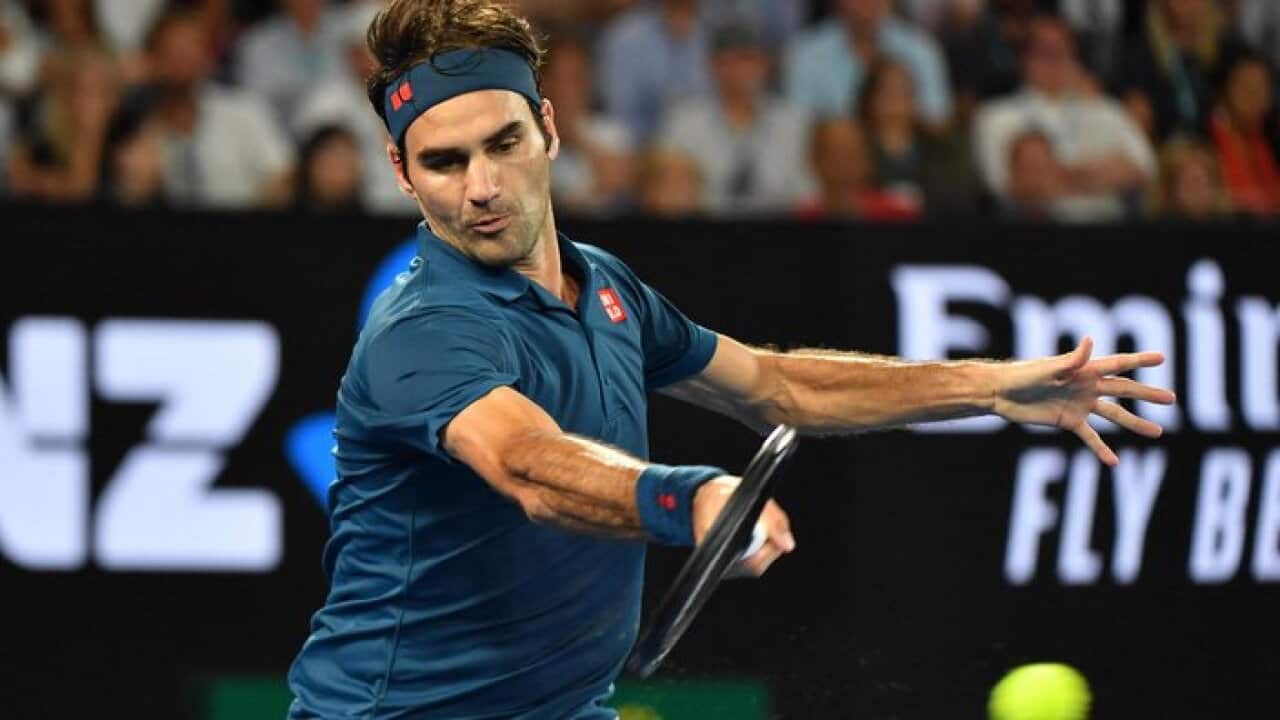
Just ahead of this year's competition, Scottish superstar Andy Murray confessed that this was to be his last Australian Open, after years spent battling a debilitating hip injury. On top of that, the competitive lives of giants such as Roger Federer, Rafael Nadal and Novak Djokovic will all come to an end at some point.
So, how will the Australian Open, and tennis in general, survive their inevitable demise?
“It’s something we have been thinking for probably ten years,” says Heaselgrave. “Back in 2017, when both Rafa and Roger came back from injuries, we were all gobsmacked. It was a gift. We all thought, ‘we are not going to see this again,’ and then two years later, they are still there.”
Tennis Australia is adamant that they are prepared for a world without its current heroes. The course of action seems to be clear: diversifying from the actual tennis.
“If we zero in just on the traditional tennis tournament, that could spell trouble”, says Heaselgrave. “For us, if we see this as an event for all Australia, if we had a two year gap where the players weren’t as interesting as Roger and Rafa, we’ll have a wide variety of people visiting the site and the events regardless.”