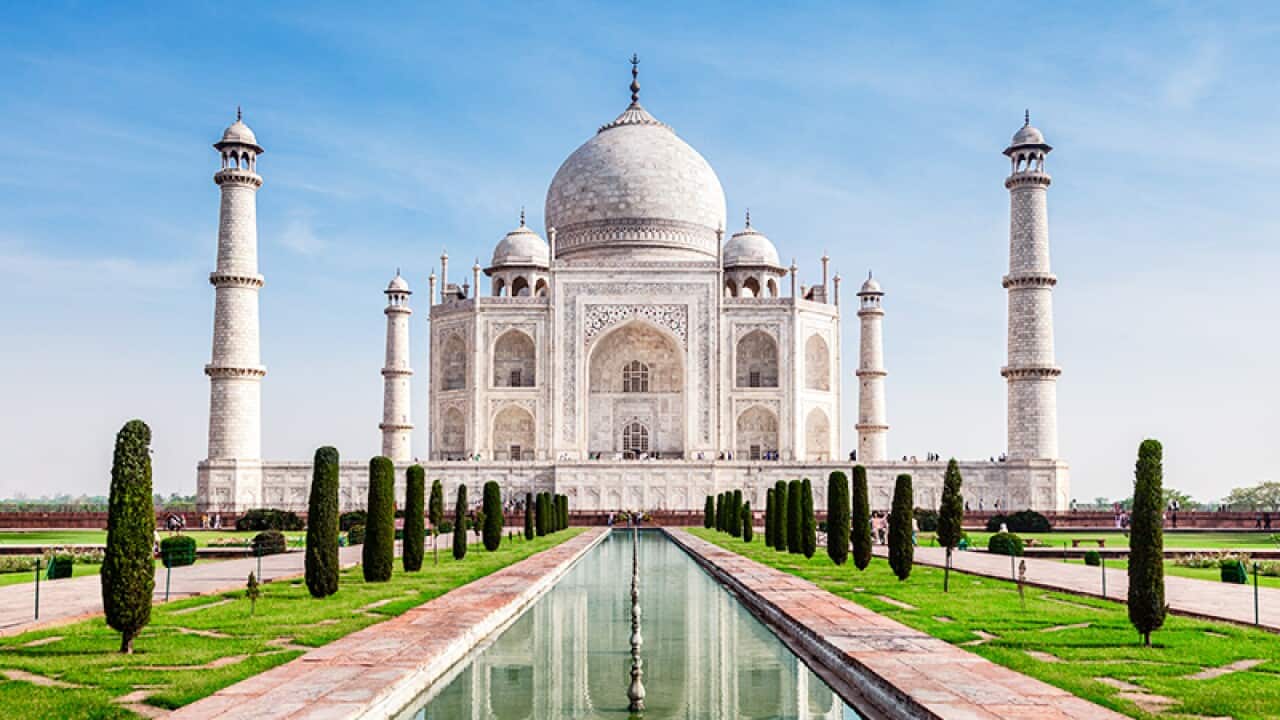
The Supreme Court has given the Wakf Board a week to submit the title documents of the world famous monument that was built by the 17th century ruler in memory of his beloved wife Mumtaz Mahal.
The Sunni Wakf Board is a Muslim organisation that manages Muslim graveyards and mosques in India. In 2005, the Board declared that since the Taj Mahal houses several Muslim graves, the monument must be registered as a Wakf property.
Their claim, however, was challenged by the Archaeological Survey of India (ASI) in 2010, a government body that has maintained the Taj since 1920.
Criticising the Wakf Board over its claim, the Supreme Court bench stated “Who in India will believe it belongs to the Wakf board? These kinds of issues must not waste the time of the Supreme Court”.
The bench led by Chief Justice of India, Dipak Misra, reminded the Wakf Board that the Taj Mahal and other heritage properties built by the Mughals were handed over to the British government after the decline of the Mughal rulers, and were later passed on to the Indian government and are currently managed by the ASI.
But when the Wakf Board argued that emperor Shah Jahan himself had handed over the monument to them, the bench demanded to see the original deed.
“Then you show us the original deed executed by Shah Jahan. Show us the signature.”- Supreme Court bench
This is not the first time that the archaeological wonder has become the centre of controversy.
Recently, a politician from India’s ruling Bharatiya Janata Party (BJP) in Uttar Pradesh - home to the Taj Mahal - had described the white marble mausoleum as a "blot" on Indian culture, and said the emperor who built it had imprisoned his own father.
The remark has stirred an outrage on social media.
Famously known as one of the wonders of the world, it took 22 years and 20,000 workers to build the epitome of love that receives millions of tourists every year.



