
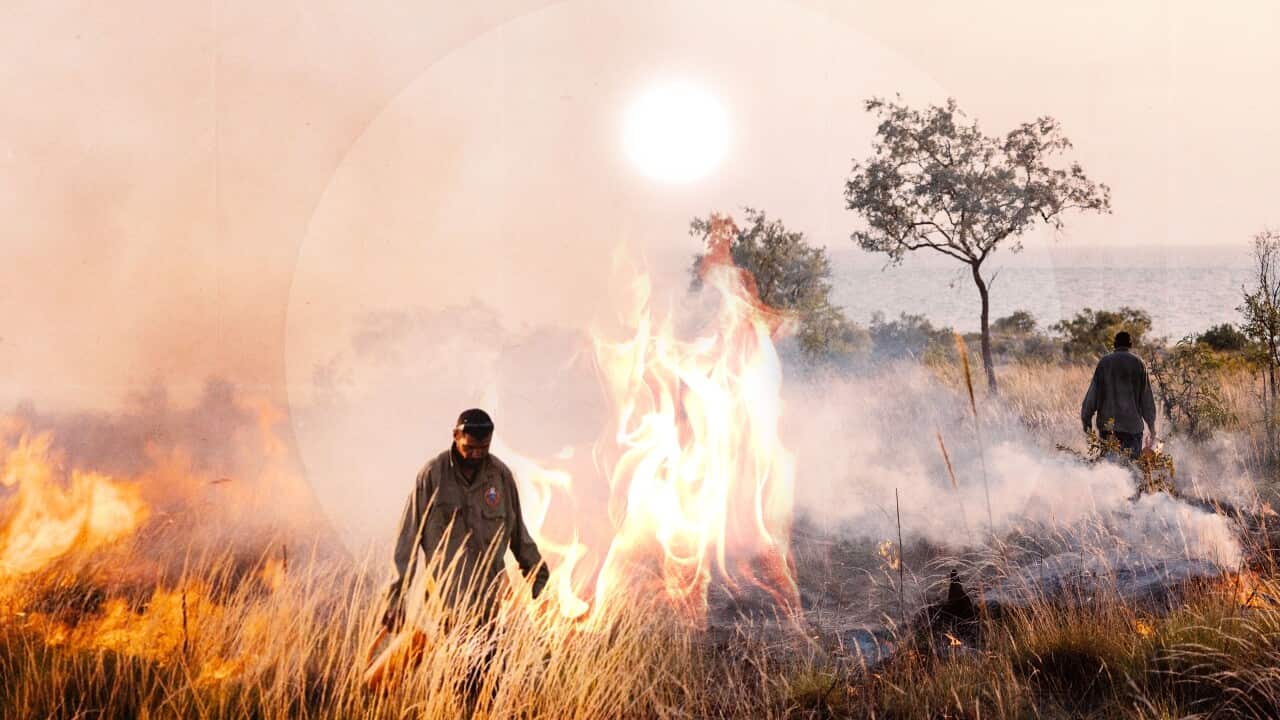

E te silafia ua faitau selau afe tausaga o susunuina e tagata muamua fanua ma 'ele'ele e toe fotua'i mai ai? Ua maua molimau i le aoga o le susunuina fuafua o vaomatua i le faaitiitia o le malosi o Mu e tula'i mai atoa ai ma le fesoasoani i le toe opogi ma fotua'i o le si'osi'omaga.
Key Points
- Ua iloa nei o le susunuina fuafua i auala faaleaganu'u o fanua ma vaomatua, ua 'iloa' le aoga mo le tausiga manuia o 'ele'ele mai Mu.
- O aia tatau faaleaganu'u i fanua (Native Title) ua tu'uina ai le aia ma le faatagana i tagata muamua e faatinoina le susunuina fuafua o fanua ma 'ele'ele.
- O aoga ma penefiti o le fa'aaogaina o tu ma aganu'u a tagata muamua i le puipuiga o Mu e sili ona puipuia ai le saogalemu o tagata uma i le atunu'u mai Mu.
O le to'atele o tatou o loo nonofo ma aumau i Ausetalia, e va'ai i Mu o se tulaga lamatia ai, ae maise i le silasila ma manatuaina o MU tetele i le 2019–20 Black Summer ma Mu tetele i nisi o vaega o le atunu'u i le tausaga talu ai, 2024.
Ae mo tagata muamua, o le afi o se a'upega ua faitalu afe tausaga o latou fa'aaogaina. E pulea ma tausia ai le 'ele'ele, puipuia ai le si'osi'omaga, ma taofia ai le tetele o Mu.
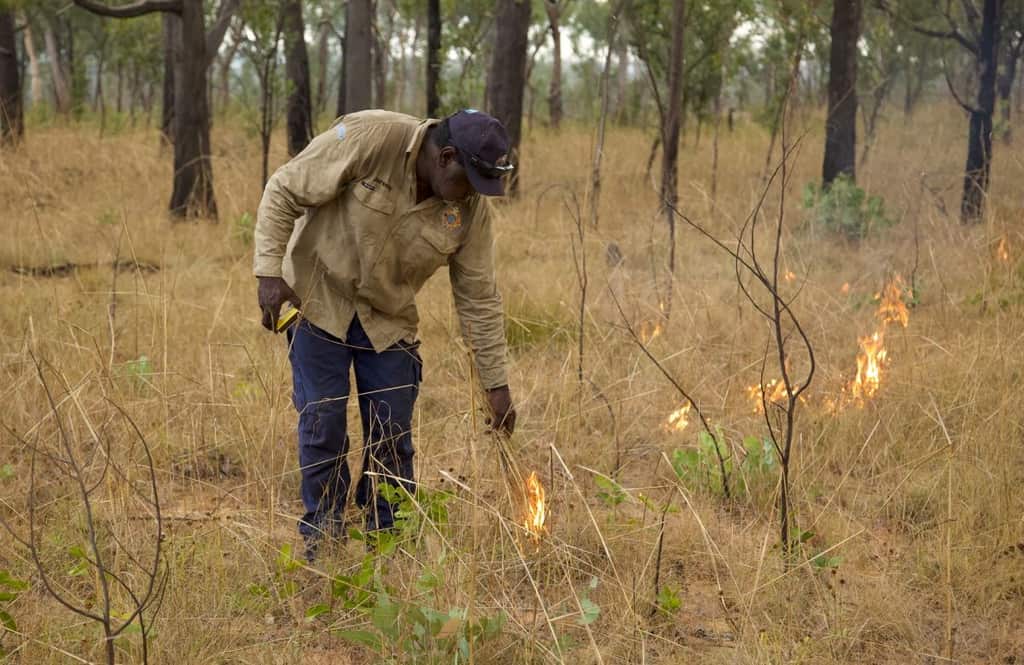
E fa'aaogaina le afi e susunuina ai le vao ma isi la'au e mu i fanua ma 'ele'ele. d other fuels that have built up in the land.
“My father, he told us every year around we got to burn for harvesting food.
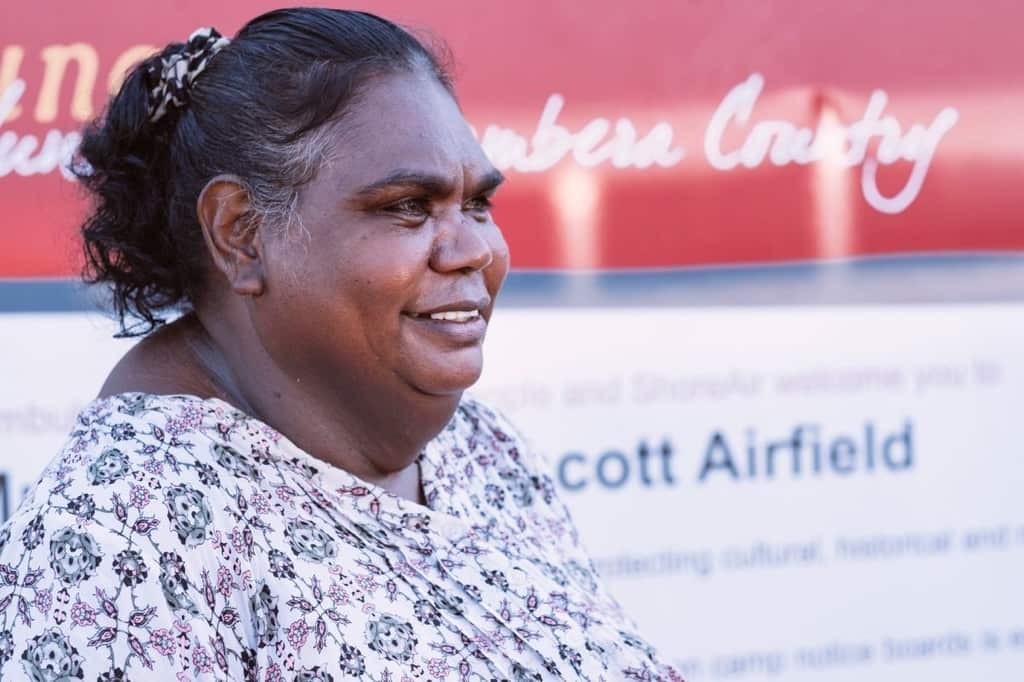
“Cultural burning is the way of our ancestors, a way of life. They used fire to bring the Country alive again, to bring growth and stop the wildfires coming through,” na saunoa ai Catherine Goonack, le ta'ita'ifono o le Wunambal Gaambera Aboriginal Corporation.
O lenei tu ma aga - e faaigoaina fo'i o le cultural burning, firestick farming, poo le cool burning— e le'i ta'atele ona fa'aaogaina i le atunu'u mai le taimi o pulega kolone.
Ma ua iloa i su'esu'ega, o seisi lenei o mafua'aga o le a'afia o le atunu'u i le malosi o Mu i le vaomatua ma fanua.
“The old people know that it is important to burn the Country to keep it healthy,” saunoa ai Ms Goonack.
I le 2024, na ia tusia ai se ripoti i auala na puipuia ai ma faaleleia pulega o Mu i le North Kimberley, o nu'u maotua o le setete o Western Australia, talu ona amataina ona susunu le vao ma vaomatua i auala fa'aaganu'u.
“We’ve been monitoring for the last 10 years to stop the wildfires. We’ve had our ups and downs, but we are now back on track.”
A faapea ua iloa le aoga o le susunuina i auala fa'aaganu'u, aisea ua le faia ai i isi vaega o le atunu'u?
Na o le North Kimberley le vaega o le atunu'u o loo va'ava'alua ai le susunuina o fanua i auala fa'aaganu'u ma isi auala faatagaina talu ona toe faafo'i le pule o fanua i tagata muamua i lalo o le native title.
Na saunoa Tom Vigilante, o le toe mauaina e tagata muamua o le pule i fanua i lalo o le native titles “was a big turning point”.
“Because it then meant that people had those rights to manage the land the way they want to do it.
“The alternative is to have national parks or other types of land where government agencies are responsible for the burning. In those situations, Aboriginal people have to try and influence the way burning happens in those areas, but they don't have the right to do it themselves.”
O le pule faatonu o le Prescribed Burning at the Australasian Fire and Emergency Service Authorities Council (AFAC), o le alii o Trevor Howard.
Na ia ta'ua o le faata'ita'iga ua molimauina i le pulea o Mu i le Kimberley e auala i le susunuina fuafua o vao ma vaomatu, o se “a good example of what can be achieved in other parts of Australia”.
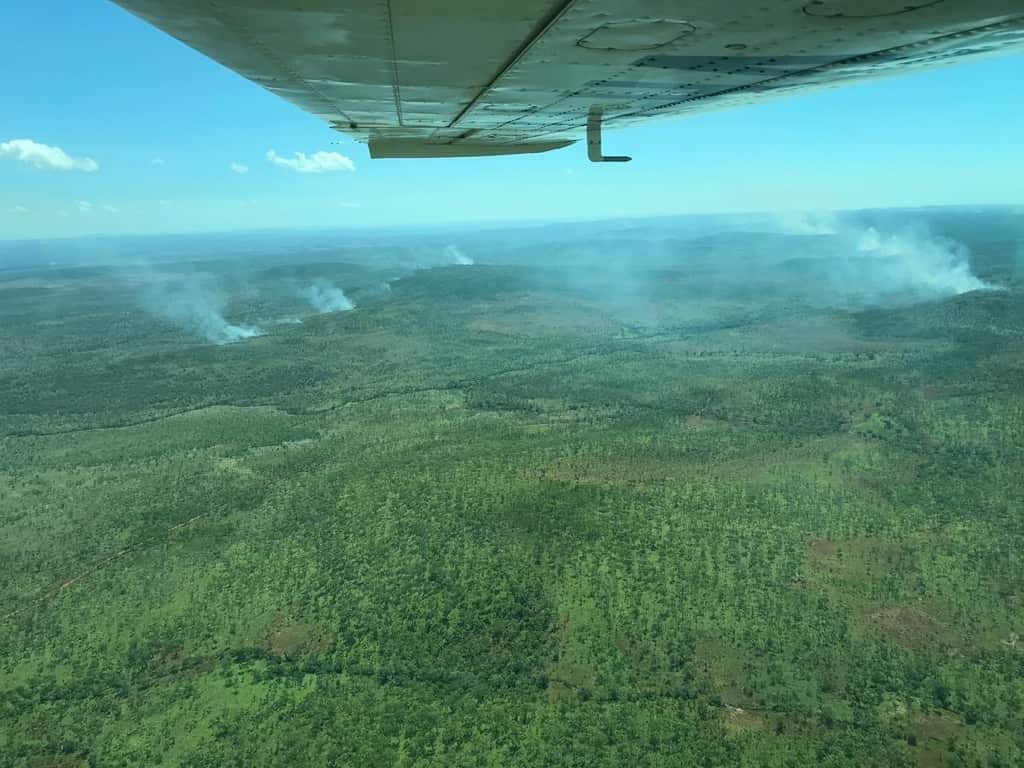
“That landscape up there has been absolutely transformed over the last 20 years.
“It had a lot of very intense, very extensive bushfires, and now it’s much more managed and under control with low intensity, patchy fires at the right time of the year, led by Indigenous people, running programs supported by science.”
Ae na lapata'i Mr Howard o le metotia a tagata muamua i le pulea ma puipuia o Mu o se mata'upu o loo su'esu'eina pea, ma e tatau i setete ma teritori ona galulue faatasi ma tagata muamua i le fa'aaogaina o le metotia.
“Because across Australia we have lots of Indigenous groups, and each one of those groups has its own attachment to their local country.
“So, it really requires each state and territory agency to work with those groups to understand their aspirations and needs, and to support them in developing their cultural burning practises in their own way, in their own Country.”
Subscribe or follow the Australia Explained podcast for more valuable information and tips about settling into your new life in Australia.
Do you have any questions or topic ideas? Send us an email to australiaexplained@sbs.com.au