

E iai aiaiga ua pasia e suia ai le auala e faatauina ma mafai ai e tagata lautele ona maua le sikaleti asu (vapes) i le 2024. O se "faafitauli tele i le soifua maloloina" ma o loo iai le manatu i le si'itia o le aofa'i o tupulaga e ono sa'ili fesoasoani i le taumafaiga e tu'u motu le masani (addiction) i le nikotini. O se vaega nei o fesoasoani ma fautuaga e mafai ai e le fanau ona tu'ua le faalagolago i le nikotini ma le sikaleti asu.
Key Points
- Ua iloa i su'esu'ega le ta'atele o le fa'aaogaina o sikaleti asu (vapes) e tupulaga i lalo o le 18 tausaga le matutua i Ausetalia.
- O le tapeina o le paipa i le faatauina o vapes i fale'oloa, e le fo'ia ai le faafitauli pe a fa'aauau ona faatau i le maketi uliuli le black market.
- O le faalagolago o le tino i le nikotini se tasi o mafua'aga o le faigata i tupulaga ona taofia le vaping.
Ua atili faigata ona maua le sikaleti asu i Ausetalia.
O loo faaigoaina e le minisita o le soifua maloloina Mark Butler, le vaping o se “major public health issue” se faafitauli ogaoga o le soifua maloloina, ma o le a tula'i mai ai auga tupulaga e ola faalagolago i le nikotini "whole new generation of nicotine dependency".
E tusa ai ma faamaumauga a le matagaluega o le soifua maloloina, le Department of Health data, o le 30 pasene o tamaiti i a'oga maualuluga i Ausetalia na ulaula sikaleti asu i le 2022/2023.
O Becky Freeman o se Associate Professor i le University of Sydney’s School of Public Health.
Na ia ta'ita'ia le su'esu'ega le Generation Vape Project, o se su'esu'ega o amioga ma talitonuga o tupulaga talavou i le fa'aaogaina o sikaleti asu, ma na ia ta'ua ua ta'atele.
“We also know that this number has skyrocketed in recent years, particularly when you look at the pre and post COVID time when schools were shut down and all public health attention was really focused on COVID.”
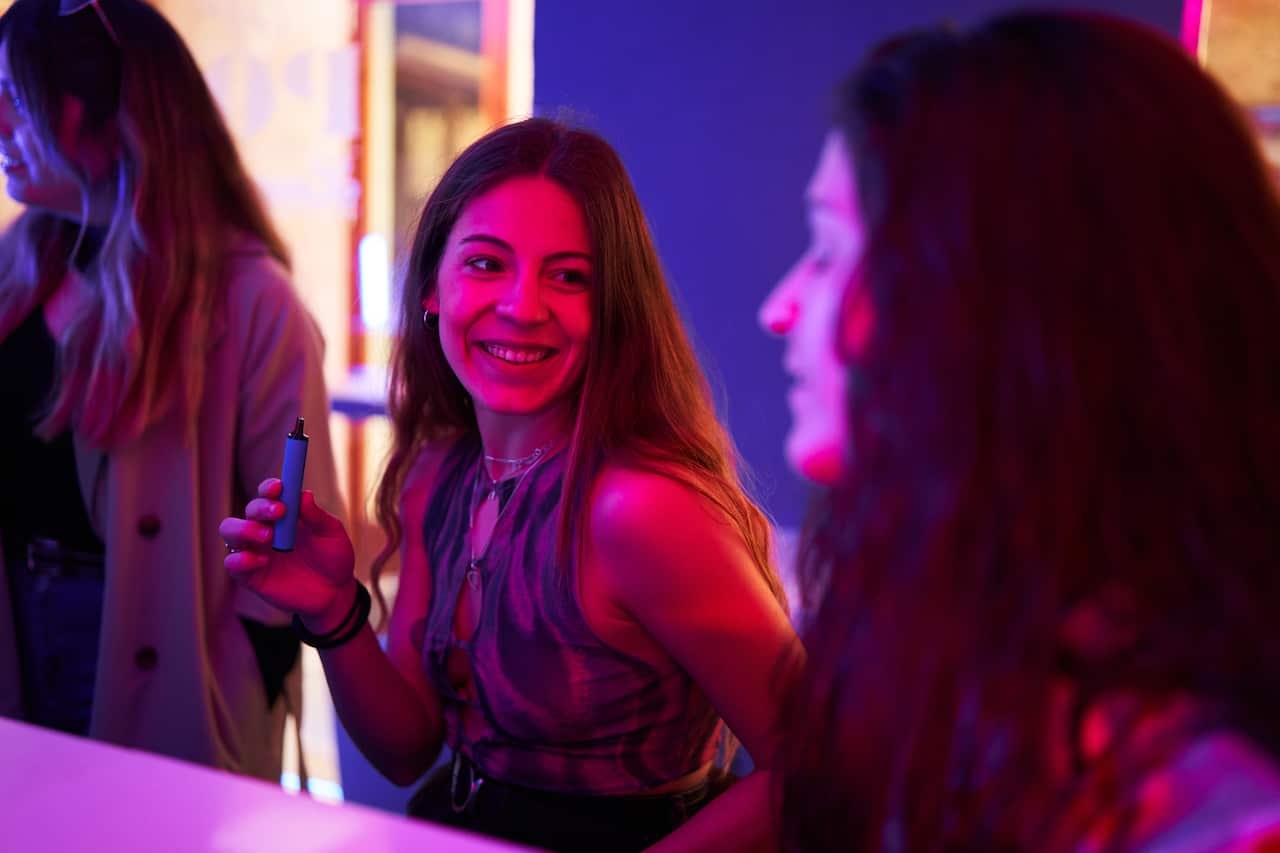
E ui i tulafono ma aiaiga e faasaina ai ona toe faatau sikaleti asu i fale'oloa ae na o faletalavai, na faaalia e Prof Freeman o loo mafai lava ona maua e tupulaga talavou vapes mai le maketi uliuli le black market.
"If your average 14-year-old finds it incredibly easy to get a vape, it's not really much of a black market. It's more of an open market. And that's why we're really focusing on addressing access.”
Na saunoa Prof Freeman, masalo o se tasi o mafua'aga o le alumia ma se'etia o tupulaga talavou i le vaping, ona o loo maketi i talitonuga sese e 'ese mai i le ulaina o sikaleti tapa'a.
“Particularly young people, they're really anti-smoking. They've absorbed those messages [that] cigarettes are really expensive, they have the graphic health warnings on them, you can't really smoke anywhere...
“But when you look at vaping, youth don't see it that way. They see it as safe, as socially acceptable or something fun, and the vaping industry has been hugely successful in their misinformation campaigns about just how harmful and how addictive these products are.”
Lamatia o le ola mai le vaping
O Professor Nick Zwar le ta'ita'ifono o le Royal Australian College of General Practitioners Expert Advisory Group o loo faamaopoopoina ta'iala mo foma'i i fesoasoani i tagata e taofia le ulaula tapa'a.
Na ia ta'ua o sikaleti asu o loo iai le kemikale nikotini tusa lava pe le o faaalia i le pepa.
“When the Therapeutic Goods Administration and other groups have tested vaping devices labelled as not having nicotine, between 80 and 90 per cent have had nicotine in them.”
Na ta'ua fo'i e Prof Zwar o loo iai lava tulaga lamatia i le soifua maloloina i vapes e le o iai le kemikale nikotini.
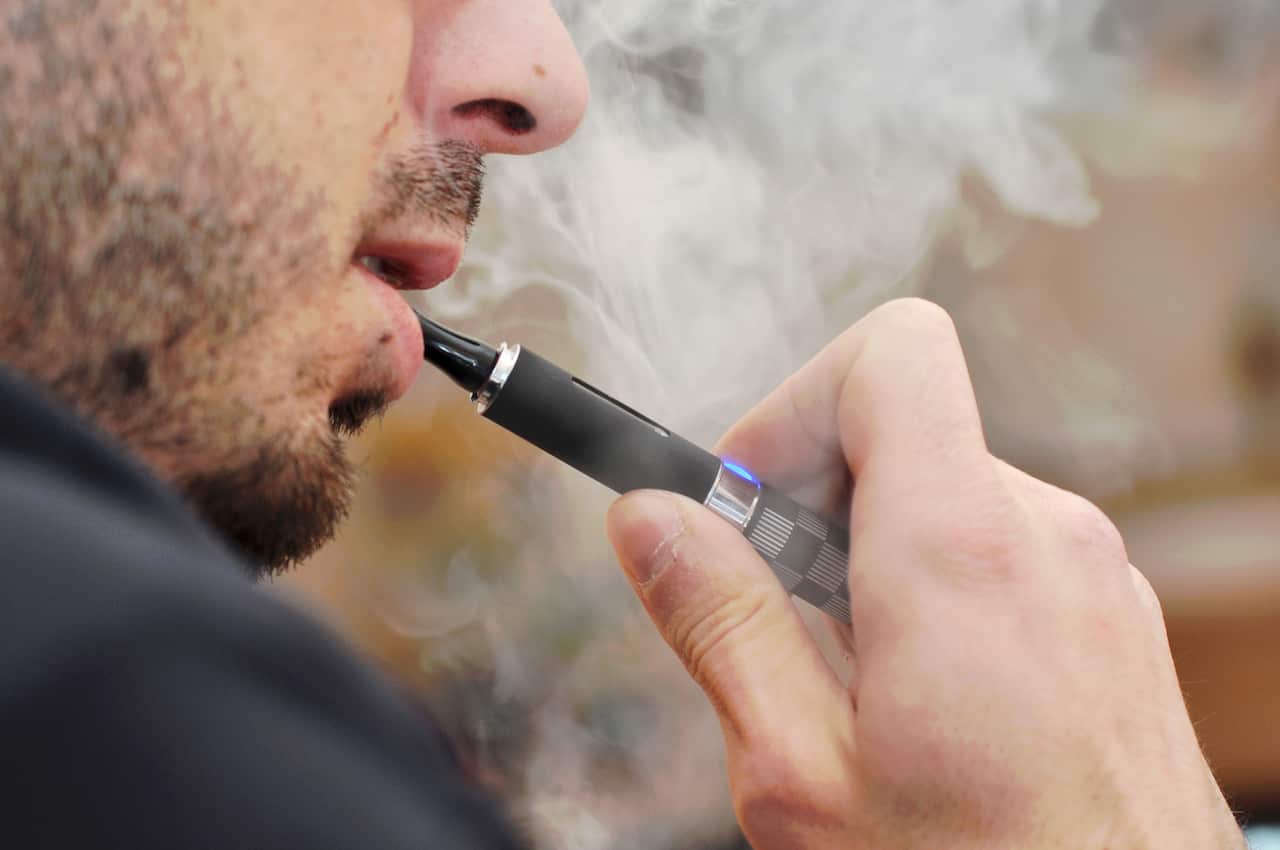
“In the longer-term vaping can also have adverse effect on the lung and on the cardiovascular system.
“The extent of those harms is still not clear.”
O le vaega aupito lamatia ai tupulaga talavou o le kemikale nikotini.
“One of the big concerns is its effect on the developing nervous system and particularly the developing brain,” Prof Zwar.

Fesoasoani lagolago e mafai ona maua
I Ausetalia, o le Quitline o se laine telefoni e maua atu ai fesoasoani ma 'au'aunaga fautua e tu'u motu ai le ulaula tapa'a ma le ulaina o le sikaleti asu (vaping). E mafai ona maua i setete ma teritori uma i le 13 QUIT (13 7848).
Na faaalia e Rachael Andersen, le faatonu o le Quit Victoria, e le tasi se auala e tu'ua ai le vaping.
“The simple answer to that is it's unique for everybody. But people do experience similar symptoms and the process of nicotine withdrawal is very similar both across vaping and smoking.”
Na ta'ua e Prof Zwar, mo nisi tagata e ono mana'omia se fesoasoani faapitoa faafoma'i.
“Some young people will simply decide that they can stop with support of family and friends or with you know delay, distract, drink water, do something else, that sort of approach, or contacting the Quitline.”
Na faaalia e Ms Andersen, o le le malamalama o tupulaga talavou i auga ogaoga mai le vaping, o loo faigata ai ona latou tu'ua le masani.
“Young people in particular, have probably not been exposed to highly addictive habits and behaviours before, so they're probably not realising the consequences of what they're actually doing when they start to take up vaping.”
E faapefeaa la ona taofia tupulaga mai le vaping?
Na saunoa Prof Freeman o le University of Sydney, e taua le talanoa i fanau i a'afiaga mai le vaping.
“I think it’s really helpful to see young people as victims of the vaping industry rather than just being naughty or rebellious teens.
“I also really encourage parents to make a trip to your family GP who can offer support or see if there’s a school nurse or wellbeing liaison that you can talk to. There's also resources like the Quitline and the iCanQuit website.”
“They can really help to set out like a tailored plan. They can offer general information on supports that might be available. They can also provide advice about how to start a conversation and then how to direct them to the supports that they need.”