Australia Yafafanuliwa: Jinsi yakupona kutokana na moto wa vichaka

Australia Explained: Bushfire Recovery

A resident walks away from her flood-damaged house in the bushfire-affected town of Cooma on January 5, 2020. Source: AFP / SAEED KHAN/AFP

Hali ya mazingira ya joto, ukavu pamoja na mandhari yakipekee, hufanya Australia iwe mojawapo ya nchi zinazo kabiliwa na moto wa vichaka zaidi dunini. Mabadiliko ya tabianchi yanapo sababisha ongezeko ya hali ya joto na mazingira ya ukame, tunaweza tarajia moto ya vichaka mikali zaidi mara kwa mara katika siku za usoni. Ila moto unapo zimwa, unaweza rudi nyumbani salama, pata msaada na kujihudumia?


Key Points
  • Return home only when authorities say it’s safe and take precautions like checking for lingering embers.
  • Recovery centres, financial assistance and mental health services are available to help you navigate the practical and emotional impacts of bushfires.
  • Bushfire recovery takes time, and leaning on community support and caring for your wellbeing is essential.

Unaweza hisi unalemewa wakati wa kupona kutokana na moto wa vichaka, hata hivyo msaada unaweza patikana. Kuanzia kurudi salama nyumbani, hadi kusaidia kwa afya na ustawi wako, hizi ndizo hatua muhimu za kuchukua baada ya tukio la moto wa vichaka.

Ni lini ni salama kurudi nyumbani baada ya tukio la moto wa vichaka?

Waaustralia hukumbushwa mara kwa mara kuhusu umuhimu wa kuwa na mpango wa moto wa vichaka. Ila, nini kitatokea baada ya moto huo kuisha?

Ikiwa umehama, rudi nyumbani tu Huduma yako ya Dharura ya Jimbo (SES) inapokuambia ni salama kufanya hivyo. Kurudi mapema sana kunaweza kuweka katika hatari ya miundo isiyo imara, nyaya za umeme zilizoanguka au sehemu zenye joto kali.
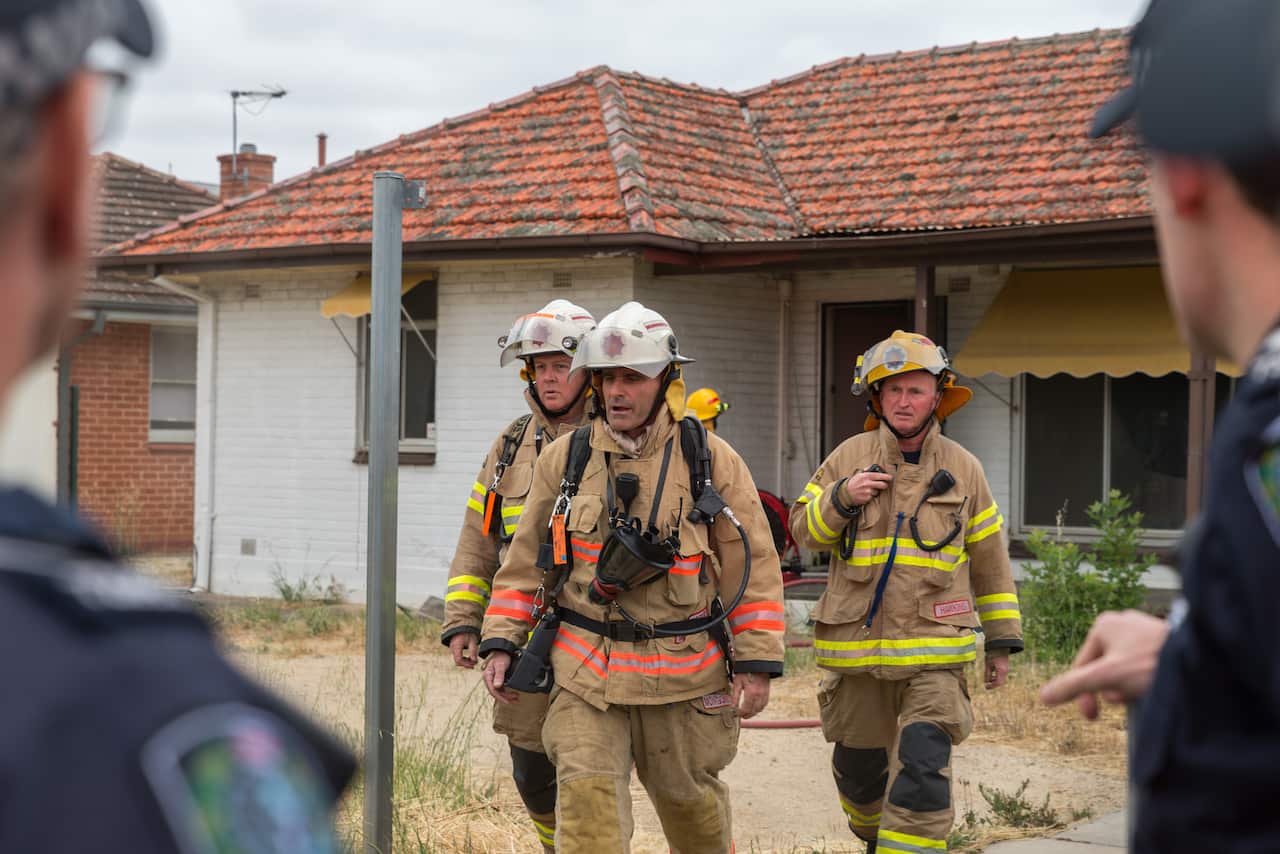
Metropolitan Fire Service Firefighters in the front of the fire site house.
Metropolitan Fire Service Firefighters in the front of the fire site house. Credit: mastersky/Getty Images

Unastahili fanya nini unaporudi katika nyumba iliyo athiriwa kwa moto?

Unapo ruhusiwa kurudi nyumbani, leta vitu muhimu kama vile chakula kisichoharibika, maji ya chupa, pesa taslimu, tochi na betri za ziada.

Kama nyumba yako bado imesimama, anza kwa kuangalia uharibifu unao onekana wa kimuundo kabla ya kuingia ndani. Unapoingia katika nyumba iliyoathiriwa na moto, vaa kifaa cha kupumua, glavu, vazi la mikono mirefu na viatu vyenye kinga nzuri. Ikiwezekana, hifadhi watoto na wanyama wa nyumbani sehemu salama kwanza.

Tafuta kwa makini makaa yanayowaka, kwa sababu yanaweza waka tena siku chache baada ya moto mkuu kupita.

Sharif Baytieh, ni naibu nahodha wa kikosi cha Huduma ya Zimamoto Vijijini katika kijiji cha Nana Glen jimboni New South Wales, ameona hili hiyo ikitokea mara nyingi. Kote nchini Australia, zaidi ya wazima moto 100,000 wa kujitolea kama Sharif huelimisha jamii, hupambana na moto na kusaidia katika shughuli za uokoaji. Alikabiliana na moto wake mkubwa wa kwanza wa vichakani katika mwaka wa 2019.

“Tulipokea wito kila mara baada ya moto kwa takriban wiki mbili, na ilikuwa mmiliki wa mali ambaye angekuwa na gogo ambalo hakugundua bado lilikuwa linawaka, na likitoa moshi,” anakumbuka. “Tulikuwa na upepo fulani siku saba hadi nane baadaye ambao uliwasha vitu hivi na jambo linalofuata unajua, wanaangalia dirisha lao la nyuma na kuna gogo linawaka moto. Makaa hayo na sehemu hizo za moto, zinaweza kuwasha moto, haswa ikiwa ziko karibu na nyumba yako..”

Ni vituo gani vya uponaji na misaada yakifedha hutolewa baada ya moto wa vichaka?

Makao ya dharura na vituo vya usaidizi vimeanzishwa kwa ajili yakutoa usalama na usaidizi wa haraka. Kwa kawaida huwa wanatoa malazi, chakula, maji na vituo vya kuchaji, na pia wanaweza kuwa na washauri na huduma za rufaa zinazohusu majeraha.

Huduma za serikali kama vile Emergency Recovery Victoria, Service NSW au Queensland Recovery Hotline zinaweza wasaidia watu kukabiliana na kile kinachofuata.

Msaada wa kifedha wa serikali wakati wa maafa unaweza patikana pia, kulingana na hali yako.

Kama una bima, andika kila kitu kabla ya kuhama au kusafisha chochote. Piga picha na video na uweke rekodi iliyoandikwa ya hasara. Baadhi ya makampuni ya bima hutoa malipo ya haraka kwa vitu muhimu kama vile malazi ya muda.
Australia Explained: Bushfire Recovery
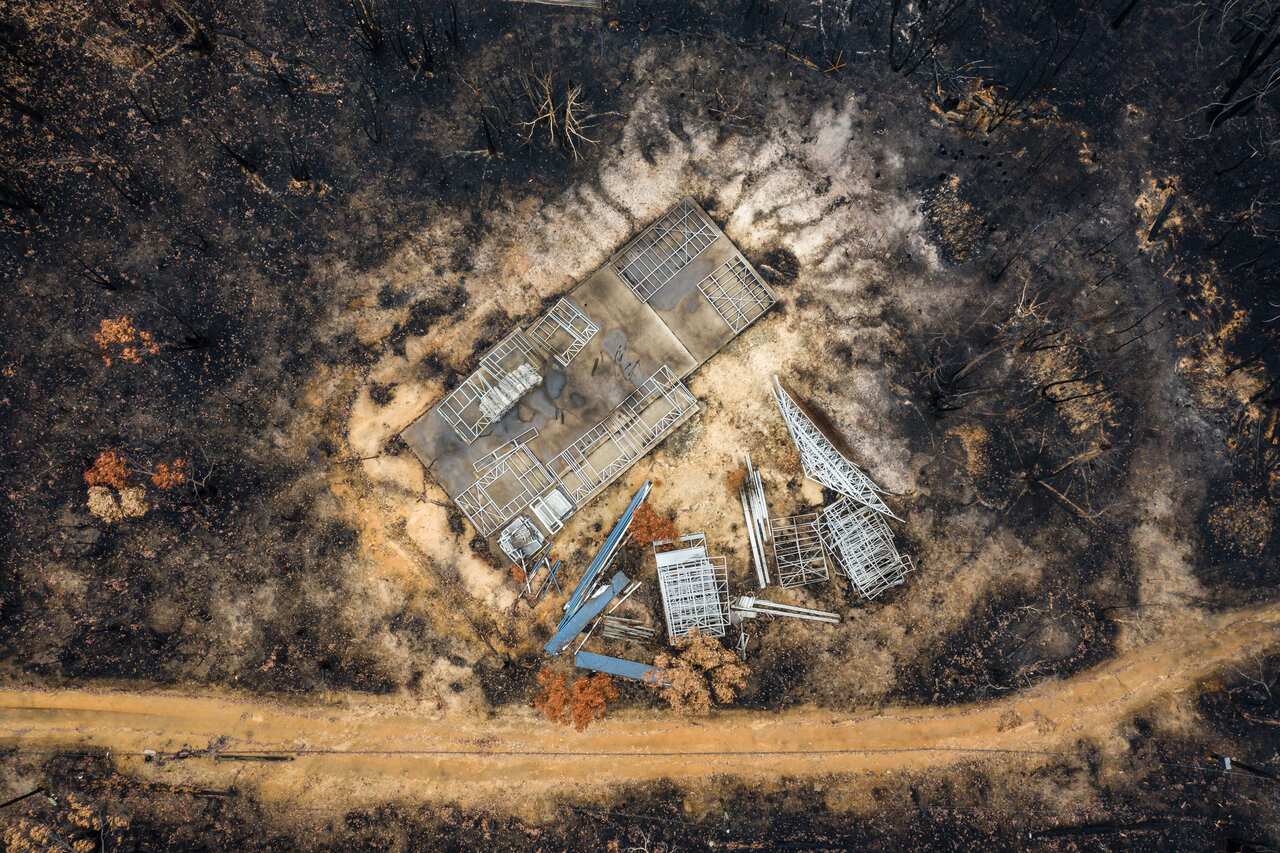
Aerial view of the Australian bush fire destruction with a burnt home & property. Bell NSW 2020 bush fires - Blue Mountains Credit: mikulas1/Getty Images

Moshi wa moto wa vichaka unaweza athiri aje afya yako?

Moshi wa moto wa vichaka huathiri watu walio karibu na mbali na moto, na huathiri ubora wa hewa, afya na maisha ya kila siku. Watu wanaoishi na matatizo ya moyo au kupumua wako katika hatari kubwa zaidi.

Daktari wa dharura na mtaalamu wa afya ya umma na majanga Dkt. Lai Heng Foong, amesema athari hizo zinaweza kudumu kwa muda mrefu baada ya moshi kuisha.

"Kama tulivyoona katika moto wa vichaka wa Black Summer, kukaa muda mrefu kwenye jua kunaweza kuathiri ukuaji wa watoto ambao hawajazaliwa. Inachangia magonjwa ya moyo, shida ya akili, saratani, kiharusi, kisukari na tusisahau, afya mbaya ya akili," anasema.

Unaweza pata wapi msaada wa afya ya akili baada ya moto wa vichaka?

Athari za afya ya akili za majanga yanayojirudia zinaweza kuwa kubwa, hasa kadri mabadiliko ya hali ya hewa yanavyoongeza marudio na ukali wa moto wa vichaka.

“Na inapokuja mara kwa mara, ambayo tutaona katika siku zijazo kwa sababu mabadiliko ya hali ya hewa husababisha athari kubwa zaidi kwenye matukio ya maafa, na kuifanya iwe ya mara kwa mara na pia kuwa makali zaidi, na kila wakati inapotokea, watu huchochewa na uzoefu huo, wana hatari kubwa ya wasiwasi na mfadhaiko na athari zote za msongo wa mawazo baada ya kiwewe,” Dkt. Lai anasema.

Usaidizi unapatikana kupitia vituo vya kupona, daktari wako wa familia, na simu za usaidizi za saa 24/7 kama vile Lifeline au Beyond Blue.
Australia Explained: Bushfire Recovery
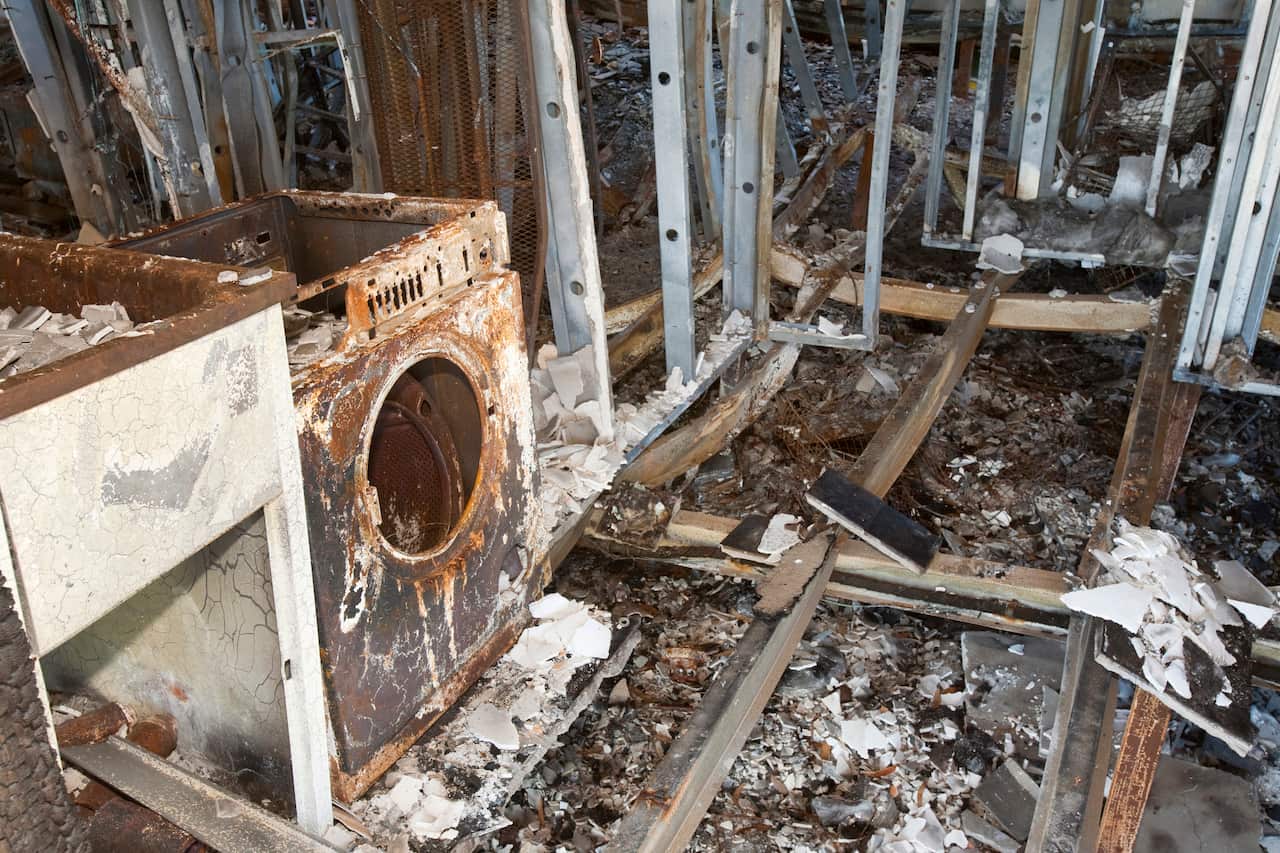
A house belonging to Allan Lehepuu in the mountains near Michelago that was destroyed by bush fires, New South Wales, Australia. Allan is a volunteer fire fighted and went to help fight the fire at the bottom of the mountain. The fire spread rapidly and destroyed Allans and other houses in the area. Credit: Ashley Cooper/Getty Images

Wazazi wanawezaje wasaidia watoto na vijana baada ya janga?

Kuwasaidia watoto na vijana baada ya janga ni muhimu. Ustawi wa mzazi una jukumu kubwa kwa jinsi watoto wanavyokabiliana na hali zao.

Erin Pelly, ni meneja wa kitaifa wa huduma za kupona na dharura wa Msalaba Mwekundu nchini Australia, amwsema malezi baada ya janga yanaweza kuwa mgumu sana.

“Kulea watoto baada ya janga ni jambo gumu sana. Kuna mambo mengi tofauti ya kukabili. Watoto wako wanaweza kuwa wanapitia hisia na mawazo au athari zinazofanana au zenye changamoto kwa janga hilo. Hilo ni jambo la kawaida sana. Nyote mmepitia mengi, kwa hivyo kuwatuliza na kuwapa utunzaji na faraja labda ndilo jambo muhimu zaidi unaloweza kufanya. Hakuna anayemjua mtoto wako kama wewe unavyomjua.”

Ukigundua tabia inayo leta wasiwasi kwa mtoto wako, tafuta msaada mapema kupitia daktari wako wa familia au simu ya usaidizi. Simu ya Usaidizi kwa Watoto hutoa ushauri wa siri kwa simu na mtandaoni kwa vijana wenye umri wa miaka mitano hadi 25.

Ni kwa nini msaada wa jamii ni muhimu sana kwa uponaji wa moto wa vichaka?

Uponaji huonekana tofauti kwa kila mtu na mara nyingi huchukua muda mrefu kuliko watu wanavyotarajia.

Erin Pelly amewahimiza watu kutenga muda kwa ajili ya muda mfupi wa furaha wakati wa kupona, iwe ni kutengeneza kikombe cha chai, kwenda kutembea na familia au kuandaa kuchangia chakula na majirani.

Ukiwa na uwezo wa kuwasaidia wengine, si lazima iwe jambo kubwa. Kuwepo tu kunaweza leta tofauti kubwa.

"Kujua kwamba kuna mtu anayejali, kujua kwamba kuna mtu anayesikiliza unachopitia na kukusaidia kukubali kilichotokea, ni muhimu sana kwa watu. Kwa hivyo, si lazima iwe kuchangia vitu au kutoa pesa au kutoa muda bali kuchangia moyo wako na mtu unayemsikiliza," amesema.

Kupona kutokana na moto wa vichaka ni safari ndefu, lakini msaada unapatikana kwa usalama wako, nyumba yako na ustawi wako.

Jiandikishe au fuata makala yaliyo rekodiwa ya Australia Fafanuliwa kwa taarifa na vidokezo muhimu zaidi kuhusu kuanza maisha yako mapya nchini Australia.

Je, una maswali yoyote au mawazo ya mada? Barua pepe: australiaexplained@sbs.com.au

spk_0

SBS acknowledges the Traditional Custodians of Country and their connections and continuous care for the skies, lands and waterways across Australia.

spk_1

You're listening to Australia Explained, an SBS audio podcast helping you navigate life in Australia.

spk_2

Australia's hot, dry climate and unique landscapes make it one of the most bushfire-prone countries in the world. As climate change drives higher temperatures and drier conditions, we can expect more frequent and more intense bushfires in the future. Australians are regularly reminded about the

spk_2

importance of having a bushfire plan. But what happens after the flames are gone? Once the fire is out, how do you return home safely, find support and look after yourself?

spk_3

What we know from experience is that it takes a lot longer than anyone anticipates. People have so many different priorities.

spk_3

At them, whether it's the school being closed, whether it's dealing with your insurance company, whether it's applying for the different grants that are available.

spk_2

This is Australia Explained, and I'm your host, Maram Ismail. In this episode, experts discuss steps from emergency response to long-term recovery after a bushfire.

spk_2

Experiencing a bushfire is confronting. Sharif Baytieh is the deputy captain of the Rural Fire Service Brigade in Nana Glen, a small village in New South Wales. Across Australia, more than 100,000 volunteer.

spk_2

Firefighters do what Sharif does, educating communities, fighting fires, and supporting recovery. He experienced his first major bushfire in 2019. Years on, the memories are still vivid.

spk_4

When you're driving down the road and you're seeing the bushland and it's all burnt to a crisp, you see a, a possum running across the road that's been burnt out of his log. It's surreal, but it, it's not until the hours later when you're back at the station and you're having a debrief, that the reality of what you went through and the stories of the people around you and their experience and their feelings, you gotta remember we're all volunteers, um, this was our first bushfire as a

spk_2

crew.

spk_2

Returning home after evacuating can be overwhelming. Before anything else, wait for official advice. You can only go back once your state emergency service, the SES says it's safe. Bring basics like non-perishable food, bottled water, cash, a torch, and spare batteries. If your home is still standing. Check for obvious structural damage before going inside. If you're entering a fire-affected property.

spk_2

Wear a respirator, gloves, long sleeves, and sturdy shoes, and if possible, keep children and pets away at first. Once you're on the property, look carefully for burning embers. They can stay hidden and dangerous, reigniting days after the main fire front has passed.

spk_4

We consistently had call out after the fires for about 2 weeks, and it'd be some property owner who would have had a log that he didn't realise was still hot and smouldering.

spk_4

That we had some winds about 78 days later that ignited these things, and next thing you know, they're looking out their back window, and there's a log on fire, and of course, the first thing they do is they call RFS. Those embers

spk_4

And those hotspots, they can reignite fires as well, especially if they're close to your home.

spk_2

If you have insurance, document everything before you move or clean anything. Take photos and videos and keep a written record of losses. Some insurers offer fast payouts for essentials like temporary accommodation. Emergency shelters, and relief centres are set up to provide immediate safety and support

spk_2

usually offer shelter, food, water, and charging stations. State-based services like Emergency Recovery Victoria, Service New South Wales, or the Queensland Recovery Hotline can also help people navigate the next steps. Depending on your situation. Government disaster financial assistance may also be available. Sherif Bety says the road to recovery looks different for

spk_2

everyone.

spk_4

To restore normality to someone who's lost their house and all their belongings, it's impossible. But to get the roads cleared, the debris cleared off the road, you know, they had a backhoe, there were trees had fallen down on the roads, um, there were trees on the sides of the road that had already been pushed out of the way. To cut down those trees that could be a nuisance in the future and chip them up, that is a long recovery. So yeah, it, it all, it all comes down to and dependent on how much you lost and how much was damaged in the process.

spk_2

Bushfire smoke affects people near and far from the fire, impacting air quality, health, and daily life. People with heart or respiratory conditions are especially vulnerable. Emergency physician and public health and disaster expert Dr Lai Heng Foong

spk_2

says the effects can last long after the smoke clears.

spk_5

As we saw in the black summer bushfires, um, prolonged exposure actually can affect growth of unborn babies. Um, it contributes to heart disease, dementia.

spk_5

cancers, strokes, diabetes, and let's not forget poor mental health.

spk_2

She says the mental health impacts of repeated disasters can be significant.

spk_5

And when it comes over and over again, which we will see in the future because climate change causes

spk_5

compounding effects um on disaster occurrence, making it more frequent and also more severe, and each time that occurs, um, people get triggered by the experience, they have increased risk of anxiety and

spk_5

Depression and all the effects of post-traumatic stress.

spk_2

After major bushfires, recovery centres open with trauma-informed counsellors and referral services. Your GP can also help you find support, and helplines like Lifeline or Beyond Blue are available 24/7.

spk_2

Erin Pelly, Red Cross Australia's national manager for recovery and emergency services, says supporting children and young people after a disaster is crucial. A parent's wellbeing plays a big role in how children cope.

spk_3

Parenting after a disaster is really, really hard. There's so many different things to navigate.

spk_3

Um, your kids might be experiencing similar or, or challenging, um, feelings and thoughts or reactions to the disaster, that's really normal. You've all been through a lot. So reassuring them and providing that care and comfort is probably the most important thing you can do.

spk_3

No one knows your child as well as you do.

spk_2

If you notice worrying behaviour in your child, she recommends seeking help early through your GP or a helpline. Kids Helpline provides a confidential phone and online counselling service for young people aged from 5 to 25, and she reminds us that disaster recovery takes time.

spk_3

What we know from experience is that it takes a lot longer than,

spk_3

anyone anticipates. People have so many different priorities coming at them, whether it's the school being closed, whether it's dealing with your insurance company, whether it's applying for the different grants that are available. The fact that whole communities often get impacted all at once. So your normal ways of coping and the people who you normally reach out to sometimes is challenging because they've got their own.

spk_3

Paperwork to deal with and they're dealing with their own disaster.

spk_3

At the same time.

spk_2

On a more positive note, Erin Pelli says most people recover well with the support of family, friends, and their community. She encourages people to make time for small moments of joy, even during recovery.

spk_3

Whether that's going for a walk, walking the dog, walking around the block with your kids, organising a picnic with your neighbours so the kids can run wild while you can chat to someone.

spk_3

Someone who's been through a similar experience with you is so important for making sure that you can keep getting through the demands of disaster recovery.

spk_2

And if you have the capacity to help others, you don't need to do anything big. Simply being present can make an enormous difference.

spk_3

What we know over and over again is knowing that someone cares, knowing that someone listens to what you're

spk_3

Going through and help, help you kind of come to terms with what's happened is so important for people. So it doesn't have to be donating stuff or donating money or donating time, but really sharing your heart with someone and your ear.

spk_2

Recovering from a bushfire is a long journey, but you don't have to face it alone. Support is available for your safety, your home, and your wellbeing.

spk_2

Thank you for listening to this episode of Australia Explained. Written and produced by Audrey Bourget, hosted and mixed by me, Maram Ismail. Australia Explained managing editor is Roza Germian.

spk_1

This was an SBS audio podcast. For more Australia Explained stories, visit SBS.com.au/australiaexplained.

spk_2

Subscribe or follow the Australia Explained podcast for more valuable information and tips about settling into your new life in Australia. Do you have any questions or topic ideas? Send us an email to australiaexplained@sbs.com.au.

END OF TRANSCRIPT

Share

Follow SBS Swahili

Download our apps

Listen to our podcasts

Get the latest with our exclusive in-language podcasts on your favourite podcast apps.

Watch on SBS

SBS World News

Take a global view with Australia's most comprehensive world news service

Watch now