In Brief
- The halving of the fuel excise starts on Wednesday.
- Economists warn the measure could add to inflation.
The government will slash the fuel excise and offer immediate relief to Australians, despite concerns the move could drive up inflation.
The fuel excise is a flat tax on petrol and diesel by the federal government, collected from fuel producers or importers.
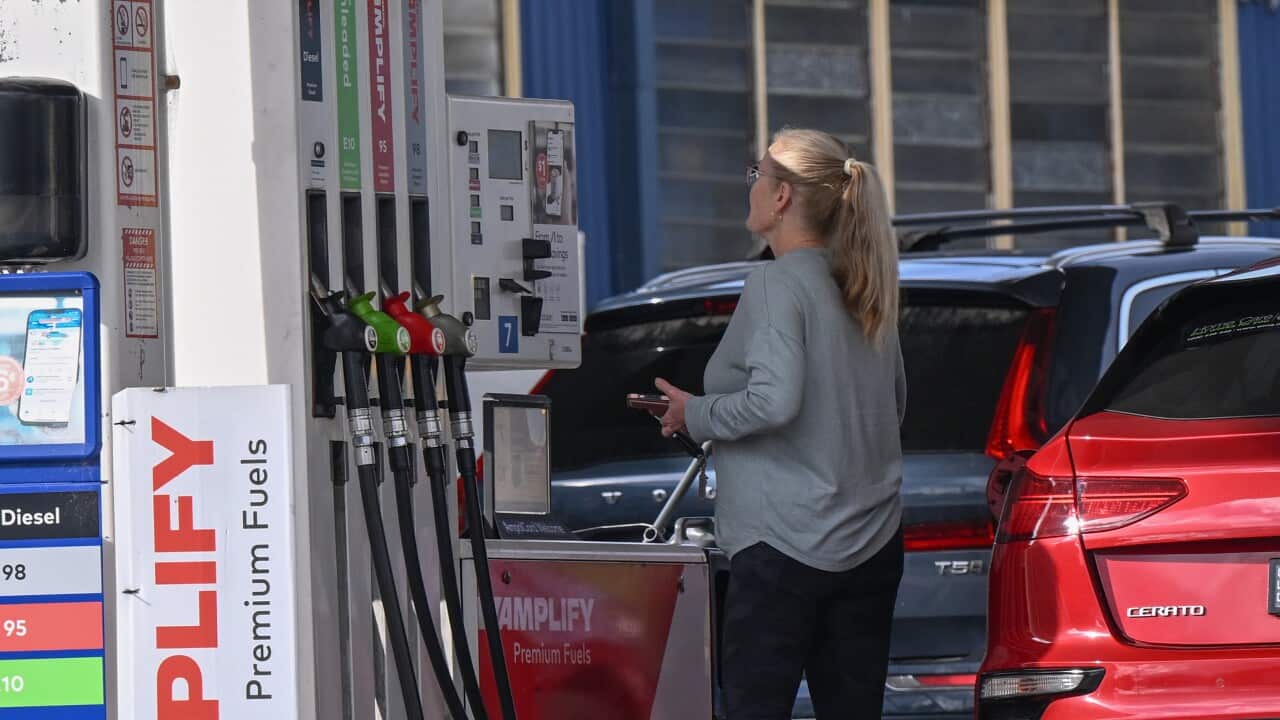
The 52.6 cents per litre excise is passed onto motorists at the bowser and is typically used by the government to help fund a range of services, including some road projects.
Following a 2.5-hour National Cabinet meeting with state and territory leaders, Prime Minister Anthony Albanese announced the tax will be halved for three months, starting Wednesday.
It's part of a broader four-stage new National Security Plan, responding to fears of future shortages and price spikes caused by the ongoing blockage of the Strait of Hormuz, including panic buying that has caused localised shortfalls.
News that makes sense
Your trusted source for staying up-to-date with the world around you. Get free daily news updates and analysis, straight to your inbox.
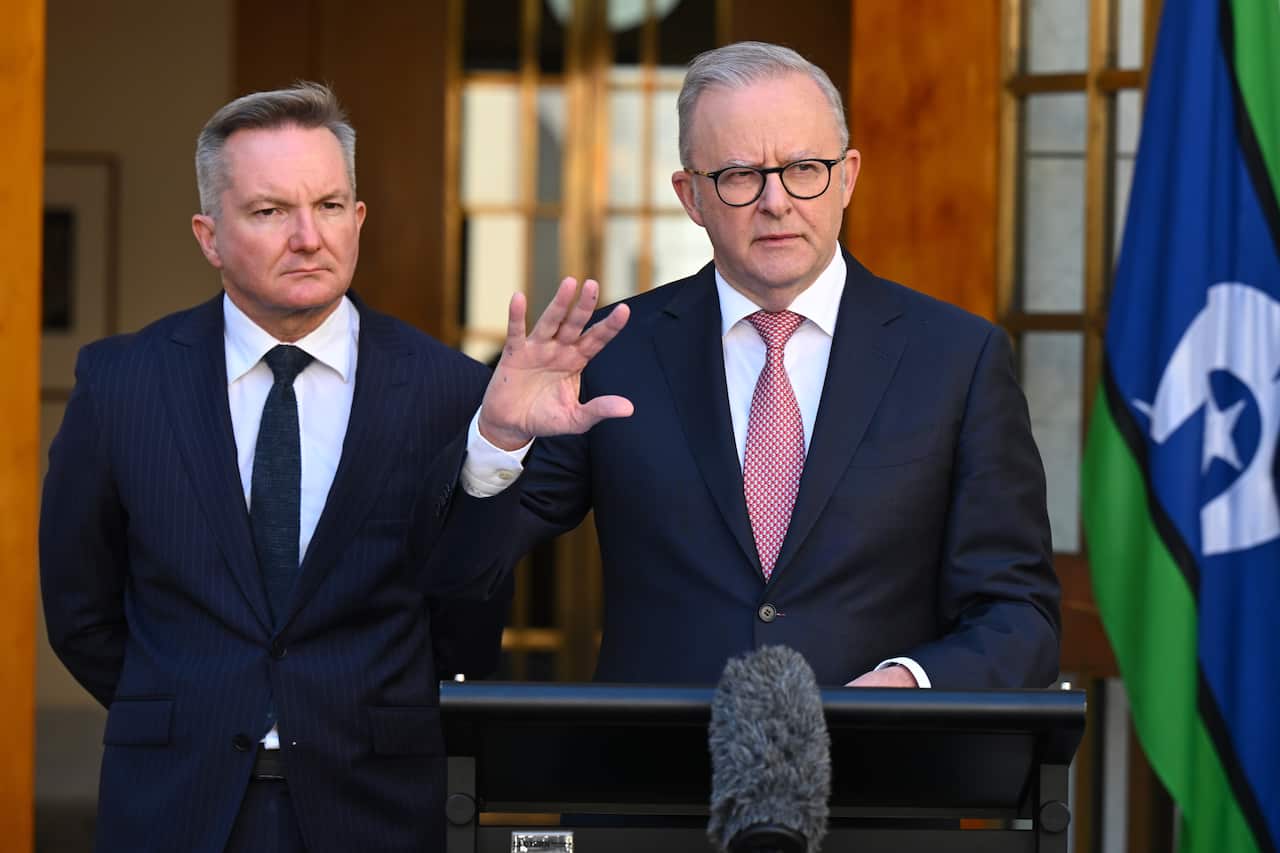
"The government understands that people are really worried, but we have a plan to get through this," Albanese said in Question Time.
He described the plan as "voluntary action, coupled with new supply measures, that will make a difference and make sure that fuel continues to get to those who need it most".
The Opposition, who have been proposing a halving of the fuel excise since last week, welcomed the plan but said it was "overdue".
Liberal leader Angus Taylor reiterated the calls before the crisis talks.
The suggestion was widely rejected by economists who said it could drive up inflation, with some now warning that it makes another rate hike more certain.
How much will you save?
Treasury estimates the move will reduce the cost of a 65-litre tank by roughly $19 — at a $2.55 billion hit to the budget.
However, NRMA spokesperson Peter Khoury said this benefit will be "eaten up" by price rises over the last seven days alone.
The Australian Competition and Consumer Commission (ACCC) weekly report found that the price of diesel rose an average 27.8 cents per litre, pushing it above $3 in the week leading up to 25 March.
Meanwhile, regular unleaded petrol across Australia's five largest cities increased to an average of $2.52, a hike of 18.1 cents per litre for the same period.
"We never thought the fuel excise should be a lever that you pull to provide relief at the bowser every time oil prices go up," Khoury said.
AMP's chief economist Shane Oliver estimates the excise cut will save the average household $9 a week.
He highlights that Australians have been paying an extra $22 a week for petrol since February due to price hikes, and that this figure "could still rise a lot further".
Since the war began on 28 February, regular unleaded petrol has on average increased by 40 per cent, with diesel up 72 per cent.
Will this reduce or drive up inflation?
Treasurer Jim Chalmers said the government expected the measures to reduce headline inflation by about half a percentage point.
The annual Consumer Price Index (CPI), largely used to measure household inflation, eased slightly to 3.7 per cent in February, according to the Australian Bureau of Statistics.
Chalmers acknowledged that previous Treasury assumptions now looked "conservative", with modelling based on crude oil being $US100 ($146) and $US120 ($175) a barrel.
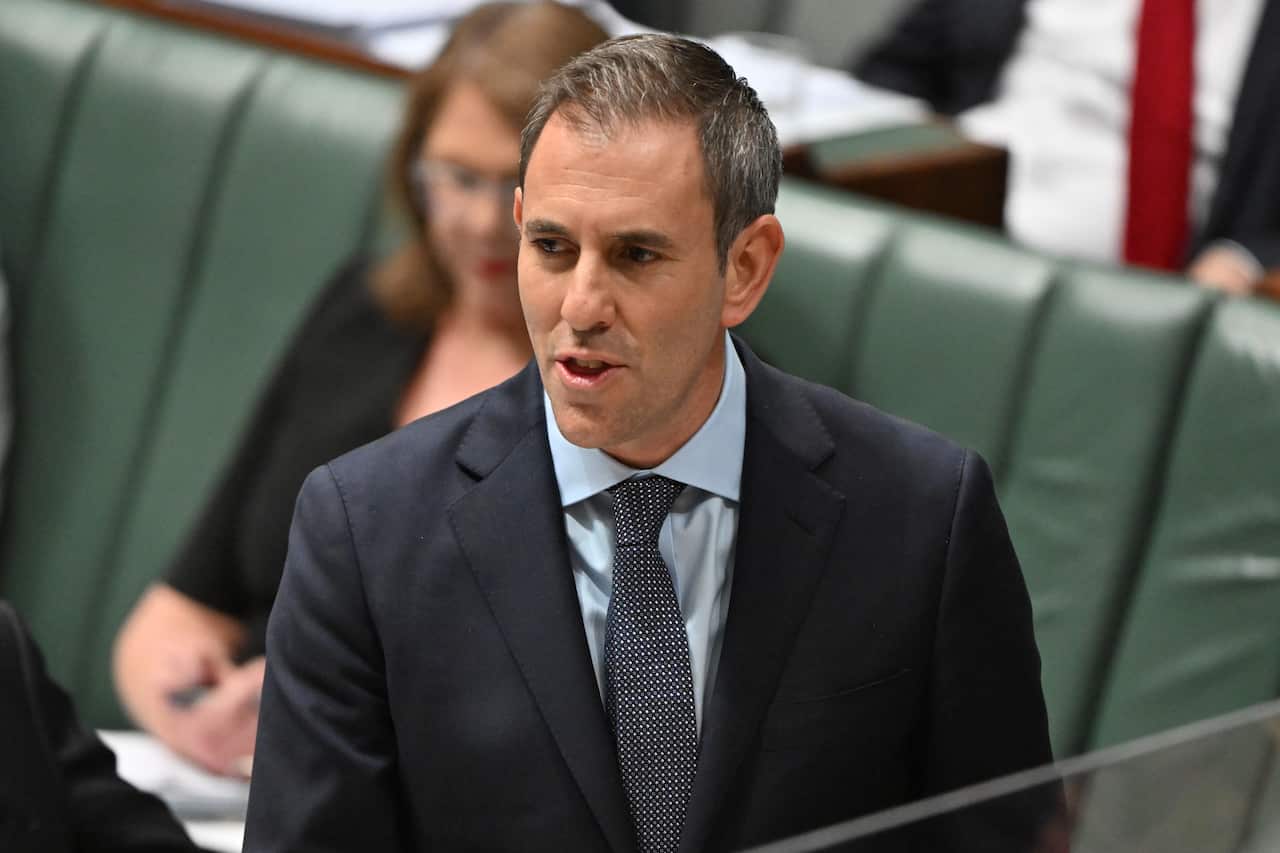
He said this would have seen inflation reach the high fours or low fives. However, crude oil is already trading at $US116 ($169) a barrel.
Oliver agrees that the rise in inflation will 0.5 per cent less in the short term, but says this still leaves a 1.2 per cent boost due to petrol prices since February levels.
He predicts inflation will rise above 5 per cent year-on-year and says "if oil and petrol prices keep rising, then it will be a minor respite".
'A mistake': A fuel cut or mortgage rate hike?
Richard Holden, scientia professor of economics at UNSW Business School, labelled the fuel excise cut "a mistake".
"I understand people are under a lot of household financial pressure, [but] we need to be taking demand out of the system, rather than putting it into the system," he told SBS News.
He labelled Chalmers' reassurances that this would drive down inflation as "disingenuous", likening it to the effect of electricity bill subsidies.
"It's government spending going into the economy. And when there's more spending in the economy, when there are scarce resources, prices go up," he told SBS News.
He said while it may offer household relief, this "leads spending to shift into other categories, rather than being constrained".
Holden warned that the Reserve Bank of Australia (RBA), already tipped to be considering a third consecutive rate hike, would be "pushed further in that direction".
Also pointing to the electricity subsidies as an example, Luke Hartigan, a senior lecturer in economics at the University of Sydney, said the RBA would see through temporary relief measures.
"They'll be looking more at the core measure and inflation, which will strip out any changes, if there's a large increase or decrease," he said.
"I think the bank is still on a bit of a tightening bias, because they're really concerned about expectations of inflation... but uncertainty around the globe could mean that they potentially wait."
Hartigan agreed with Holden that while the fuel excise gives Australians a bit more money, he argued that public sentiments are currently "more pessimistic" and could lead to a slowdown in activity.
"It really depends on how people spend that extra income they get or they choose to save it. Usually, when people are uncertain, they tend to save more."







