In brief
- Questions remain over One Nation's refugee policy after MP Barnaby Joyce discussed it in an interview.
- Joyce did not confirm if the party would reduce Australia's existing humanitarian intake numbers.
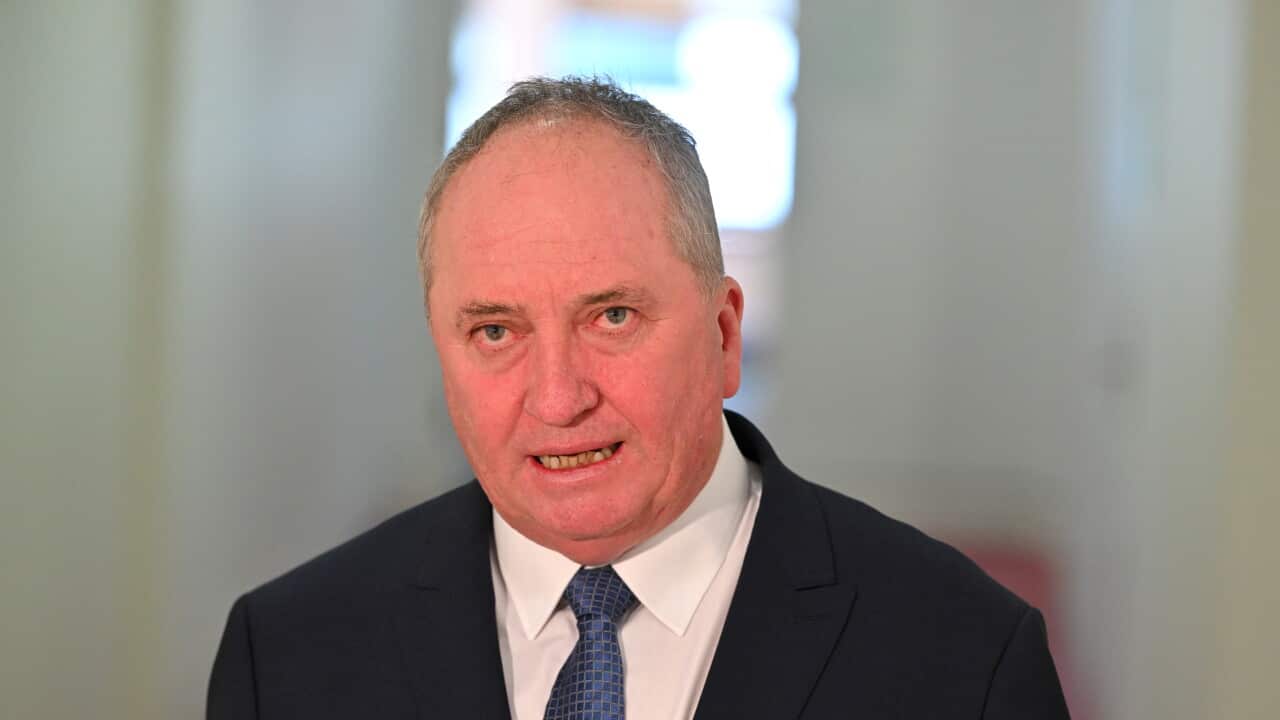
One Nation MP Barnaby Joyce has suggested that Australia should not accept refugees from countries that the government deems unsafe for Australians to visit, invoking flood-hit Nepal as an example.
Appearing on News24 (formerly Sky News) on Sunday morning, Joyce was asked whether Australia's current humanitarian intake should be cut.
Joyce brought up Nepal, which is reeling from catastrophic mudslides and flash flooding that have killed nearly 700 people. More than 3,000 more are missing, including 42 Australians.
"The refugee program has got to work within a policy structure we've got," Joyce said.
"Remember, we've clearly stated that if an area, the Department of Foreign Affairs (DFAT) says it's too unsafe to go there, then it's unsafe to bring people from there and away from there, such as places in Nepal.
News that makes sense
Your trusted source for staying up-to-date with the world around you. Get free daily news updates and analysis, straight to your inbox.
"I presume that the Department of Foreign Affairs says it's not unsafe to go to Nepal, but I wouldn't be going there at the moment."
Asked whether One Nation would stop accepting people from Nepal if DFAT were to advise against travel there, Joyce said he wasn't clear on DFAT's current position on the country, but "I know the Nepalese community have a huge say in sections of our country in the workforce, but they do it within the visa category."
"If they do come in, they'll be within the NOM," he added, referring to net overseas migration.
People who arrive on humanitarian visas currently contribute to net overseas migration figures.
While natural disasters can make a country unsafe to visit, people displaced by disasters do not generally qualify as refugees on that basis alone.
DFAT's latest travel advice for Nepal encourages a "high degree of caution due to the risk of natural disasters and road accidents". For certain areas closer to the disaster-hit region, it advises Australians to reconsider their need to travel.
Pressed on whether One Nation was happy with the current annual humanitarian intake level of 20,000, Joyce repeated that "it fits within the NOM".
"That is our policy, and the refugee policy — it's not that it's dispensed — but you can't come from countries which are dangerous. Like if you can't go there, you shouldn't be coming here."
Reporting suggested this week that the government intended to slash Australia's humanitarian intake by a third, however, Prime Minister Anthony Albanese said on Thursday that humanitarian placements would remain at 20,000.
On Sunday, Social Services Minister Tanya Plibersek said that was a "permanent commitment".
What is One Nation's policy on refugees?
There has been ongoing confusion over the specifics of One Nation's broader immigration policy.
Last weekend, One Nation MP David Farley said his party's immigration target was "not too different" from Labor's, prompting party leader Pauline Hanson to reiterate that the policy was to reduce net overseas migration to 130,000.
That target would be achieved by reducing international students, temporary graduate visas, and a "much more targeted" skilled migration program, Hanson said. She did not mention the refugee intake.
Labor is yet to reveal its plan to reduce migration, but it previously set an official cap of 185,000 places on the permanent migration program.
On its website, One Nation says its immigration policy would refuse entry to migrants from nations known to foster extremist ideologies.
It also says it would withdraw Australia from the United Nations Refugee Convention "because Australia will not be dictated to by foreign organisations when deciding who we accept into our nation on humanitarian grounds."
SBS News has approached One Nation for clarity on its refugee policy.
What is the UN Refugee Convention?
No country has ever withdrawn from the Refugee Convention, which was adopted 75 years ago in the wake of World War Two.
The international treaty sets out who qualifies as a refugee and the protections that countries owe them.
It defines a refugee as someone who is outside their home country who has a well-founded fear of being persecuted based on factors including race, religion or political opinion.
Under the convention, countries must not return refugees to a place where they face serious threats to their life or freedom.
Australia is among 149 states that are parties to the convention and its 1967 Protocol, which effectively extended its protections beyond the immediate aftermath of the war.
The Refugee Convention does not set migration targets or require Australia to resettle a particular number of refugees each year.
The conversation in Australia comes amid broader international debate over refugee policy. In the United States, the Trump administration has expanded refugee protections for white South Africans while sharply cutting foreign aid that supports international refugee programs, including the UN's refugee agency, which relied heavily on US funding.
For the latest from SBS News, download our app and subscribe to our newsletter.







