This audio is voiced by AI and may occasionally mispronounce words.
Share your feedback and help us improve this feature. Read more about how we use AI at SBS here.
When Joseph Lumanog moved from the Philippines to the NSW border town of Albury more than 10 years ago, he felt safe and welcome.
But in recent years, there have been moments when the 41-year-old hasn't.
"Sometimes I kind of hesitate to go out to certain places just by myself, or my wife will say to me 'oh, just be extra careful'," he tells SBS News.
While Lumanog says he hasn't experienced much open racism since moving to Australia, there have been some micro-aggressions over the years and, more recently, he has found the rhetoric around migrants very disturbing.
News that makes sense
Your trusted source for staying up-to-date with the world around you. Get free daily news updates and analysis, straight to your inbox.
In August last year, a March for Australia anti-immigration rally was held across the border in Wodonga, Victoria, just 10 minutes away from his home in Albury.
"There were about 250 people in that rally essentially blaming migrants for all sorts of problems in Australia, from housing to cost of living, and [even] crime," Lumanog says.

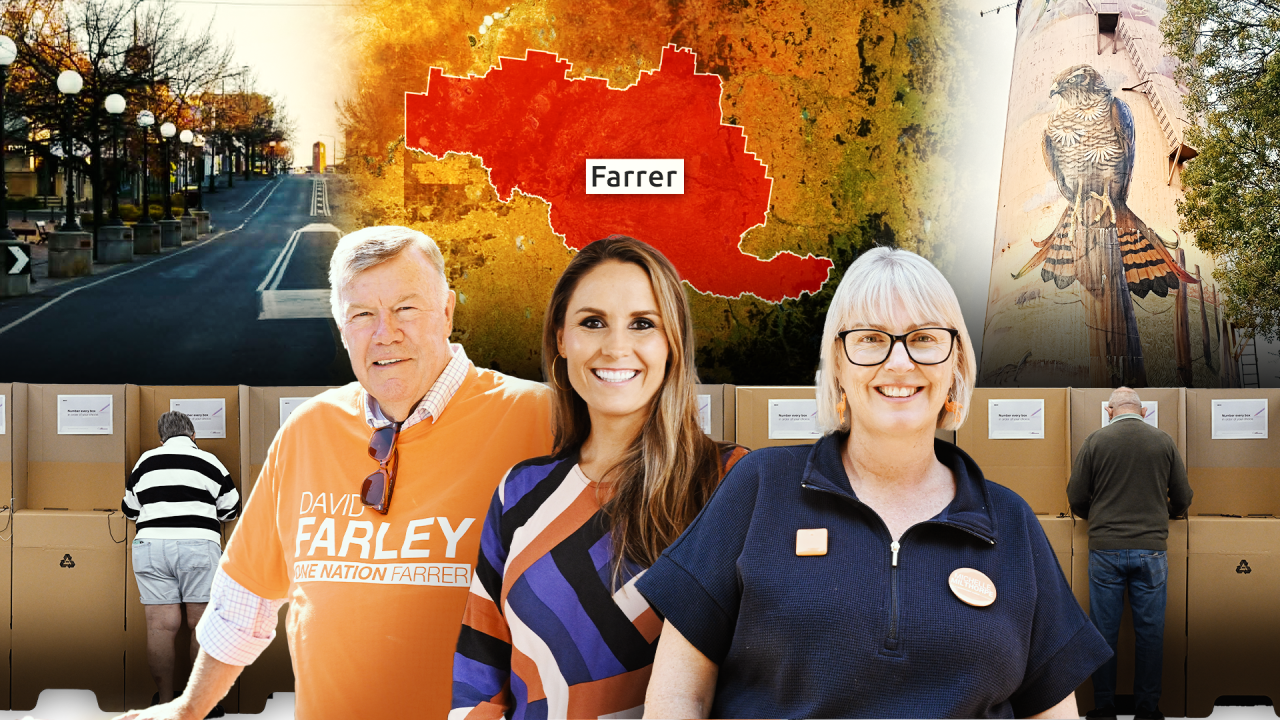
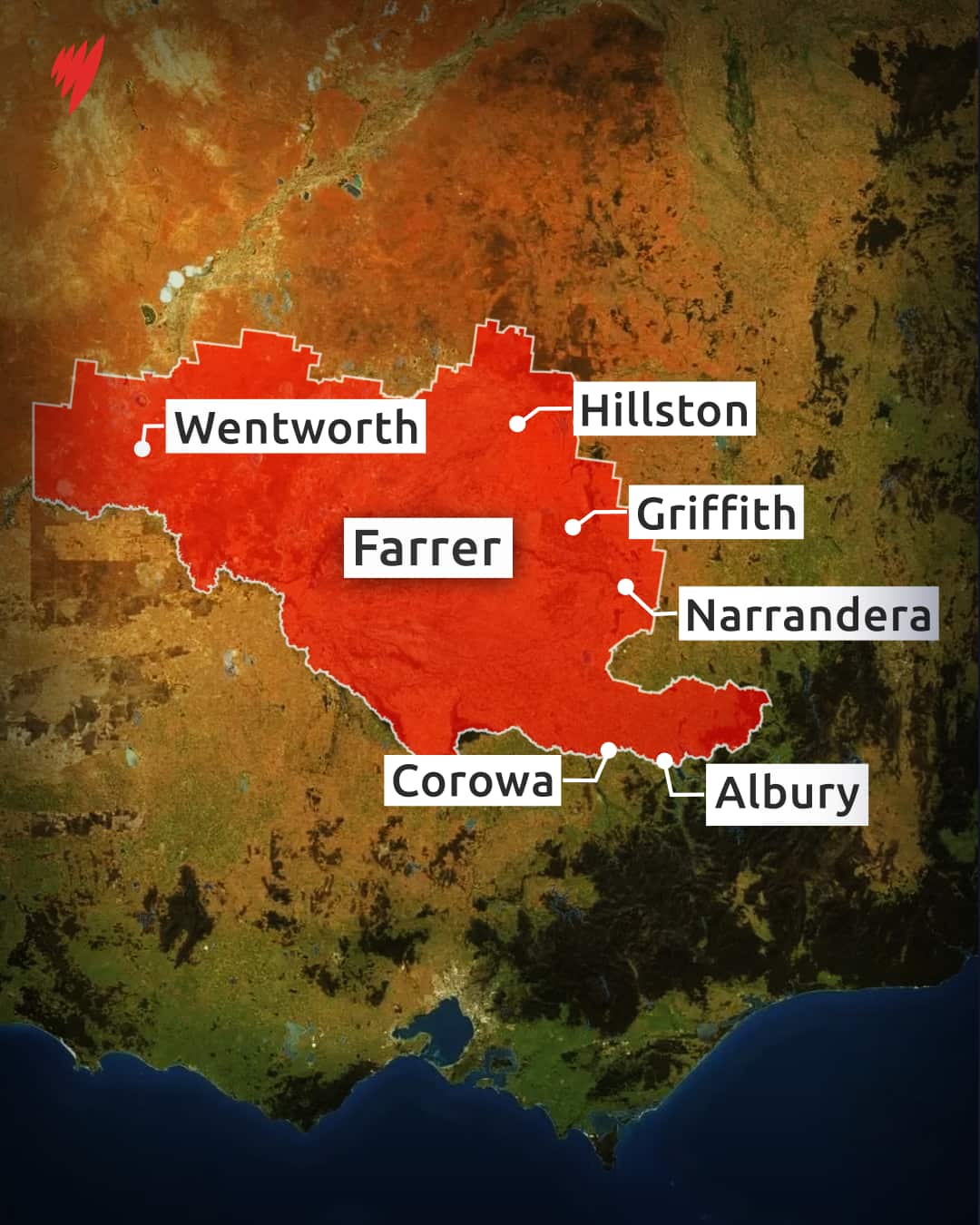
As a Filipino Australian, who ran as a Greens candidate for Albury Council in 2024, he now feels nervous about the prospect of a One Nation candidate being elected in the Farrer by-election on Saturday. The federal seat spans more than 126,000 square kilometres of south-west NSW and includes Albury, Griffith, Deniliquin and Wentworth.
"I'm worried that people [who are anti-immigration] will feel that how they speak about migrants now will be vindicated."
Polls appear to show rising support for One Nation nationally and if the right-wing populist party manages to secure the federal seat, it will be the first time in the party's history that one of its MPs is elected to the House of Representatives.
Growing anti-immigration sentiment
In recent years, there have been a couple of incidents involving anti-immigration sentiment within the electorate.
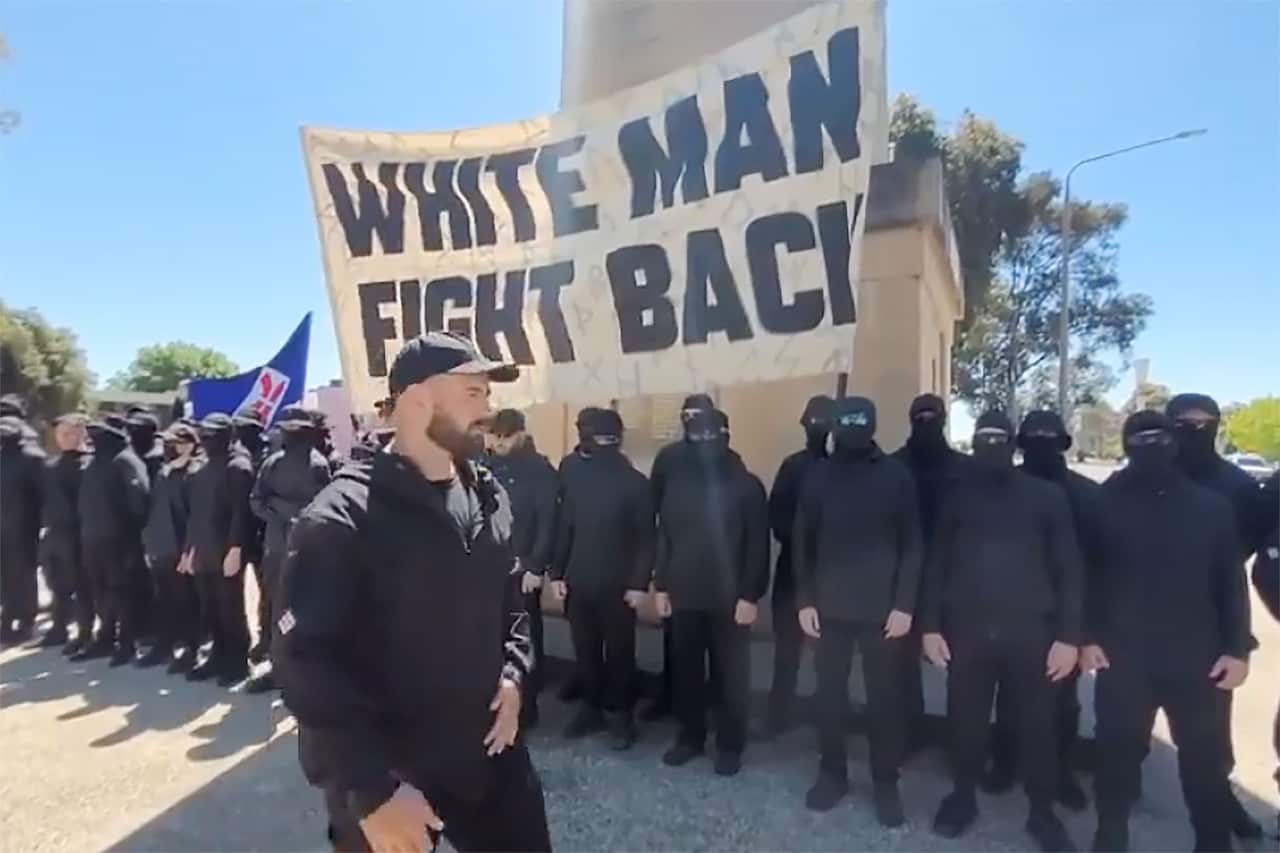
About a year and a half ago, around 50 white supremacists led by Thomas Sewell — the self-appointed leader of the National Socialist Network — marched along the border town of Corowa, which is home to around 5,500 residents.
The men stood in front of the town's war memorial and held up a sign that read: "White man fight back."
The group claimed the local pork-processing factory was employing migrant workers, and that locals were losing their jobs.
Pamphlets bearing the slogan "Australia for the White Man" were later dropped in letterboxes across the Murray River region. The action was broadly condemned by the then-member for Farrer, former Liberal leader Sussan Ley, and the state's premier, Chris Minns.
Many Corowa residents also distanced themselves from Sewell's rhetoric.
Just over 12 months later, the town and others in the electorate came under fire after the Murray region's Federation Council voted to remove the Aboriginal and Torres Strait Islander flags from council chambers, despite community pushback. Councillors noted that flags would still be flown during NAIDOC and Reconciliation weeks, if flagpoles are available.
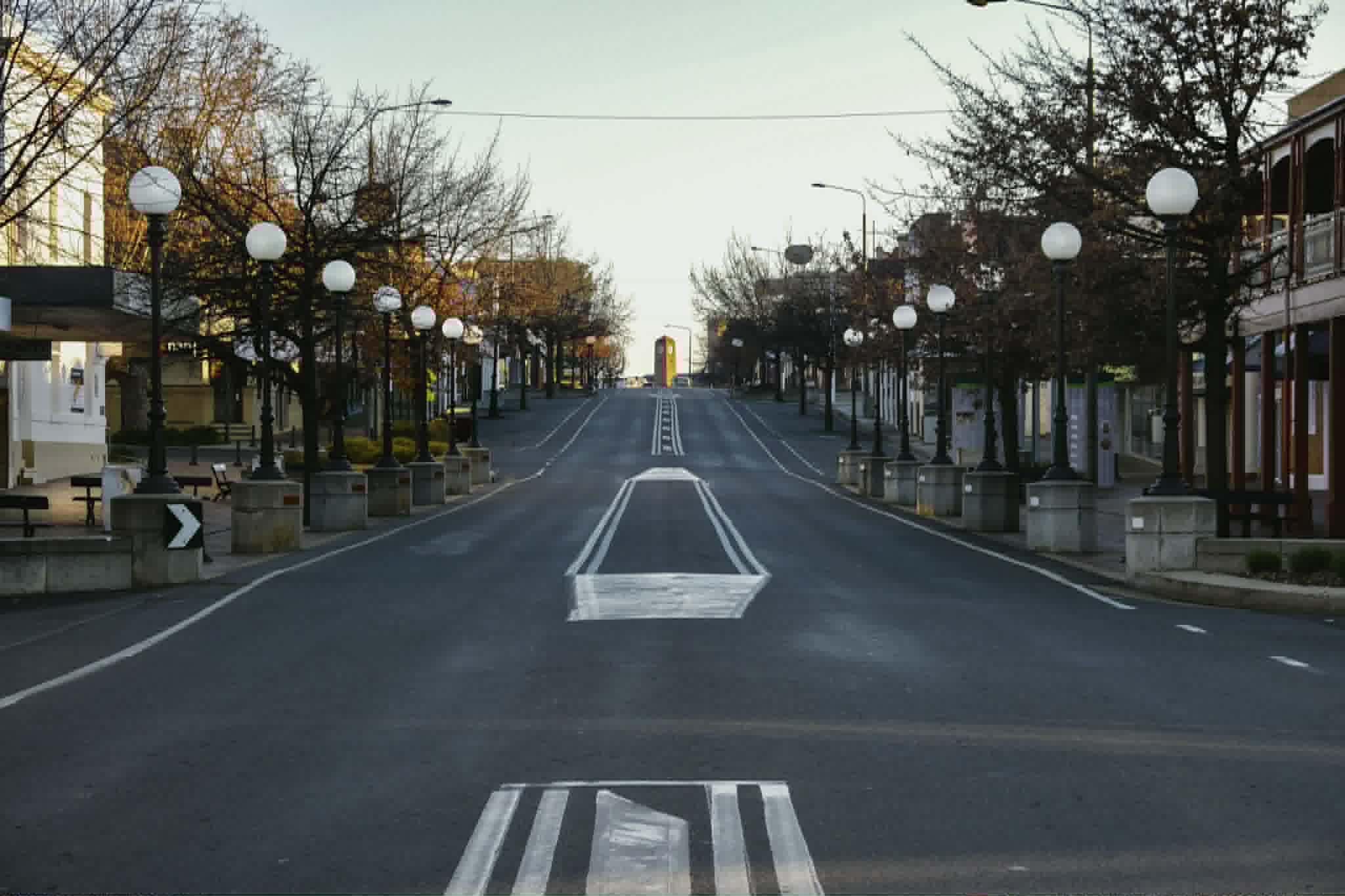
Reilly Anderson, 27, grew up in Corowa — a 40-minute drive from Albury — but moved to nearby Howlong about a year ago.
The bar manager says locals are generally conservative voters and it's not really surprising that many are leaning towards voting for One Nation, which has long positioned itself as hardline on immigration.
"There's not many immigrants [and] while it's growing, people here are used to a white Australia," Anderson says.
When asked why traditionally Liberal and National voters now appear to be turning to One Nation, he said he believes many are disenfranchised and haven't felt represented in federal politics for a long time.
"I think a lot of people are just sick and tired of politicians being politicians instead of just trying to do things for the common good of Australia."
Disillusioned with the system
Farrer was held by former Liberal MP and short-lived Coalition leader Sussan Ley for more than 20 years, and it has been held by Liberal and National party candidates since its establishment in 1949.
Anderson believes many residents who weren't previously engaged with politics have been energised to support One Nation candidate David Farley or independent Michelle Milthorpe (who ran second to Ley in the 2025 federal election) because they want to see change.
"[The] people on Dave Farley's side [just] want a bit more change, I suppose," he says.
"They're disillusioned with the system and want someone different."
The intense contest around the election spilled into the open on Wednesday when a scuffle broke out between Liberal senator James Paterson and a One Nation volunteer.
Anderson says his dad remembers it was possible to buy a house in the 1980s while earning the minimum wage, which is not the case anymore.
Now it's difficult to find a place to rent in parts of Farrer, including Corowa.
The world's got harder to live in [over the last] 20 years. The cost of living's got higher, there's a housing crisis. There's so many things.
Like many other voters SBS News spoke with, Anderson believes Farley is the frontrunner to win in Farrer, partly because the Liberals and Nationals are preferencing him ahead of Milthorpe.
But he believes it's One Nation's popularity that will get Farley across the line.
"I think [One Nation] could have run a cardboard box and they'd probably get voted in. I don't think it's him personally."
Mixed views across the electorate
Views of immigration in the electorate are complex and recent comments from Farley, a successful agribusiness professional who expanded a NSW cotton-growing business before being recruited to a position overseas, have highlighted the tensions.
During an election forum held at Charles Sturt University last week, the One Nation candidate was asked whether Australia's net immigration of 306,000 in 2024/25 was too high.
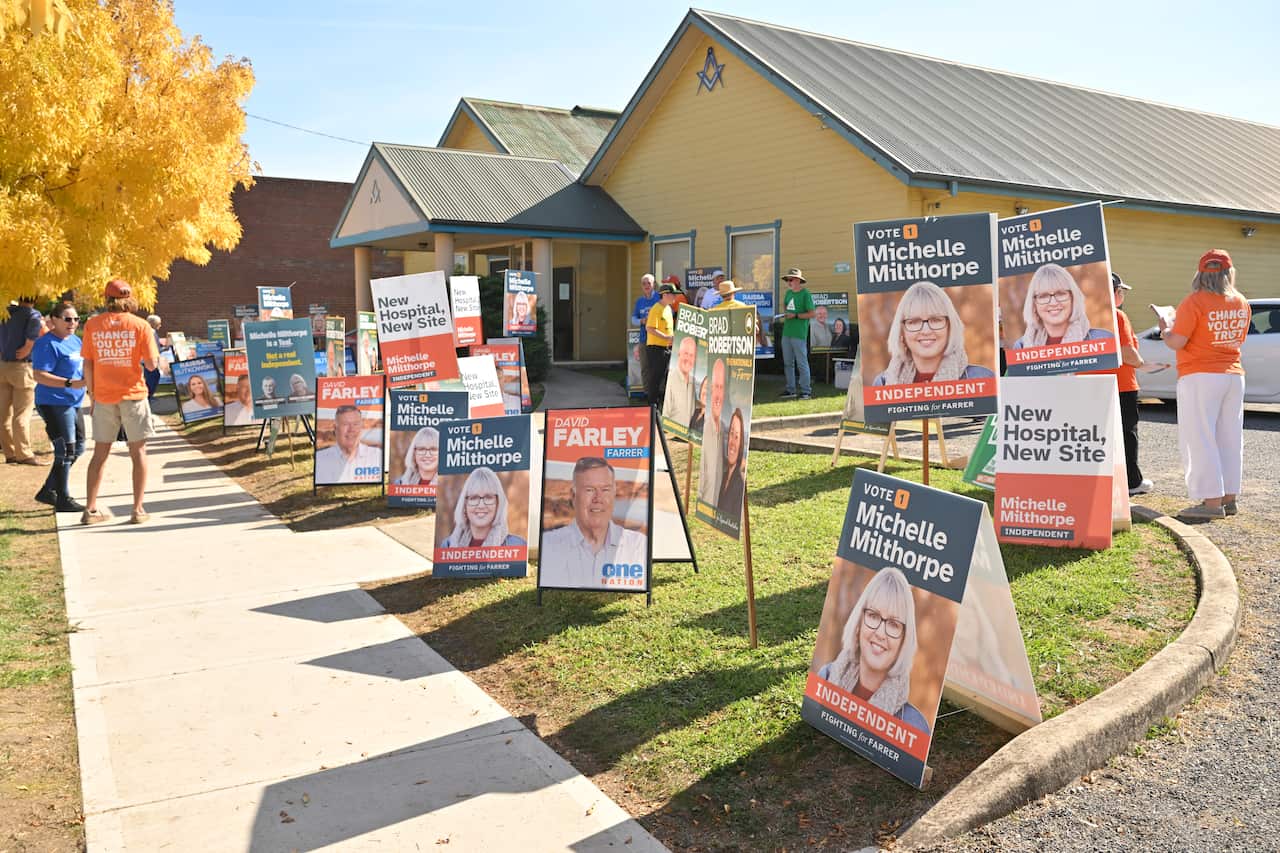
Farley responded: "No, it's probably not."
"If we're successful in One Nation's water policies, we're going to need more labour and we're going to need more labour quickly — skilled labour."
His comments were at odds with One Nation's policies, and Farley later corrected his comments in a Facebook post saying "306,000 migrants each year is too many."
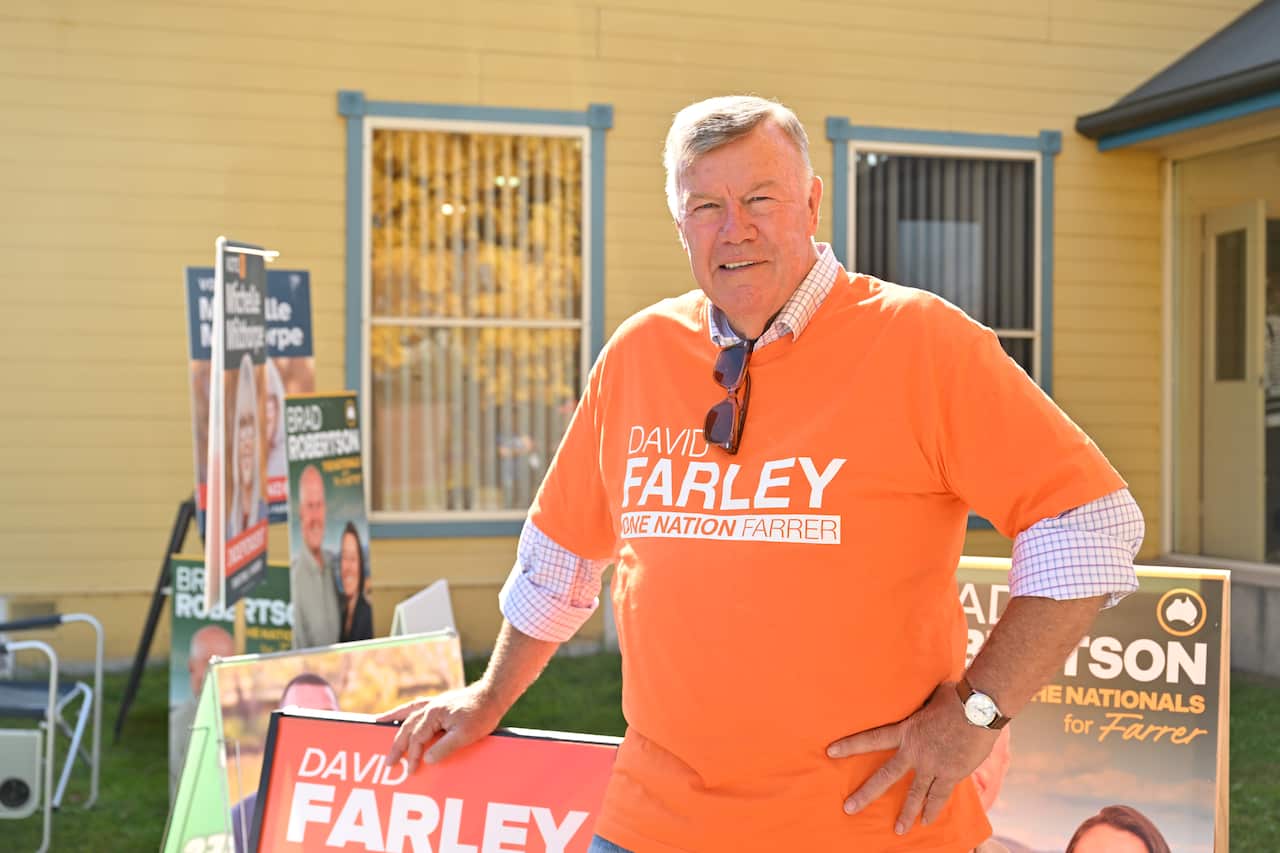
"One Nation will cap immigration at 130,000 per year. We need to catch up on housing, services, water and infrastructure for Australians already living here."
There are now reportedly concerns over whether Farley, who sought to run for Labor in 2021 and also praised Milthorpe as a "straight shooter" in the past, will stick with One Nation if elected.
James Goyen, 38, who is an aged care worker living in Narrandera, says he's seen a lot of open support for One Nation, but the reality is the electorate needs migrant workers.
"Half our home is staffed by immigrants," he says.

Anderson, who is considering a vote for Milthorpe, agrees and says people want houses to be more affordable and the cost of living to go down, issues being blamed on immigration.
It's easier to hate someone different to you than it is to actually get to the root cause of the problems.
Redbridge Group director Simon Welsh says the immigration issue absolutely matters to the One Nation base, but polling shows it's not among the top issues that animate votes in general.
"For all the noise that it generates, it's way behind cost of living, it's behind health, it's behind housing," Welsh says.
"It actually is not as significant as you might think, even on the One Nation pile."
Welsh says the issue might also backfire as focus groups found "small c" conservatives, who held more centrist social views, appeared concerned about One Nation's values and may associate it with racism. They were also concerned about comparisons to US President Donald Trump-style politics.
"They look at Trump and they see chaos, they see dysfunction and more recently they're seeing a direct impact on their quality of life and cost of living," Welsh says.
"And what we are seeing among moderate Liberal voters is a willingness to vote tactically to stop One Nation [by voting for an independent candidate or even Labor]."
Lack of water security
Farrer is a large electorate: It takes more than six hours to drive from Albury in the seat's east to Wentworth in the west. Voter issues vary across this vast distance.
The state of Albury Hospital is a major concern among the 56,000 people living within Albury's urban centre and its outskirts.
Milthorpe, who is being backed by Climate 200, is expected to poll more favourably in Albury and one of her major policies is support for a new greenfield hospital. The Liberals are also promising money for an upgrade to the current hospital.
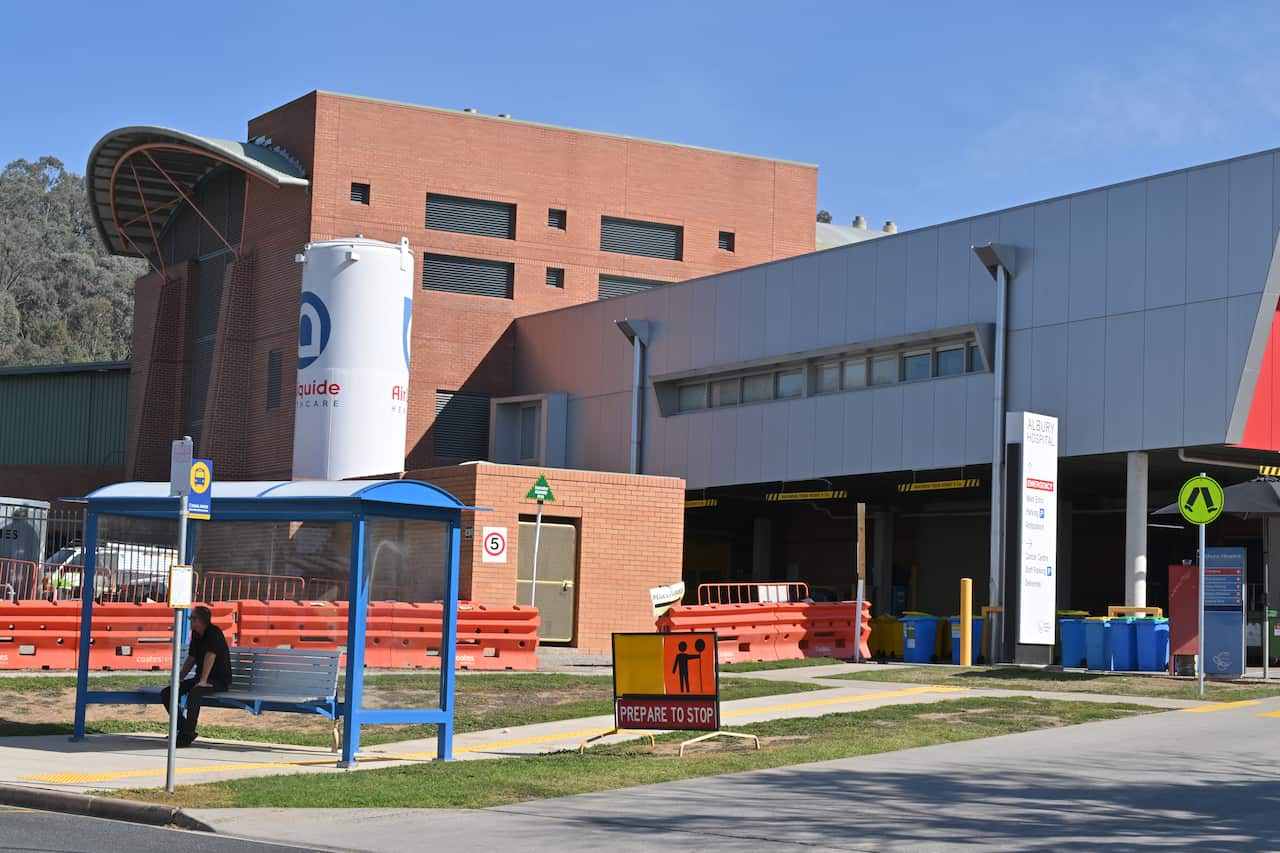
But in places such as Narrandera — which is two hours' north — residents travel to hospitals in Griffith or Wagga Wagga instead, although these are still an hour's drive away.
For voters in Narrandera, where Farley lives, healthcare is also a concern but water quality appears to be the more dominant theme.
Goyen has lived in Narrandera for almost four years and says ongoing water issues affect residents as well as businesses.
"Our water in Narrandera is horrendous," he says.
"Every time it rains, the water turns brown with runoff, there's sediments in it, it's awful."
But the bigger federal issue is water used for farming.
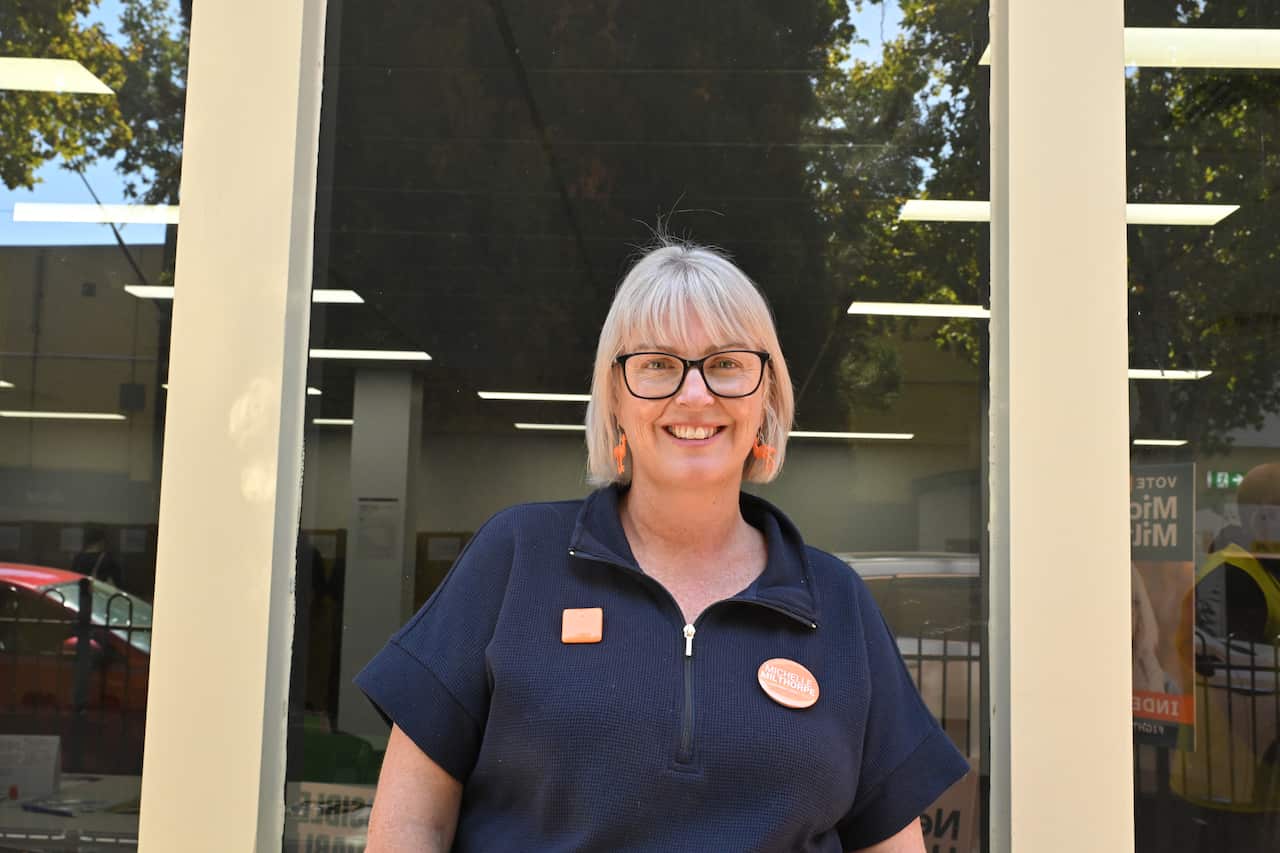
Milthorpe describes it as the most contentious issue outside of Albury.
"Multitudes of communities are doing it really tough right now because our farmers haven't had the capacity or ability to produce the food that they usually do at this time of the year because of the lack of water security," she tells SBS News.
"I'm calling for no more water buybacks and a royal commission into water."
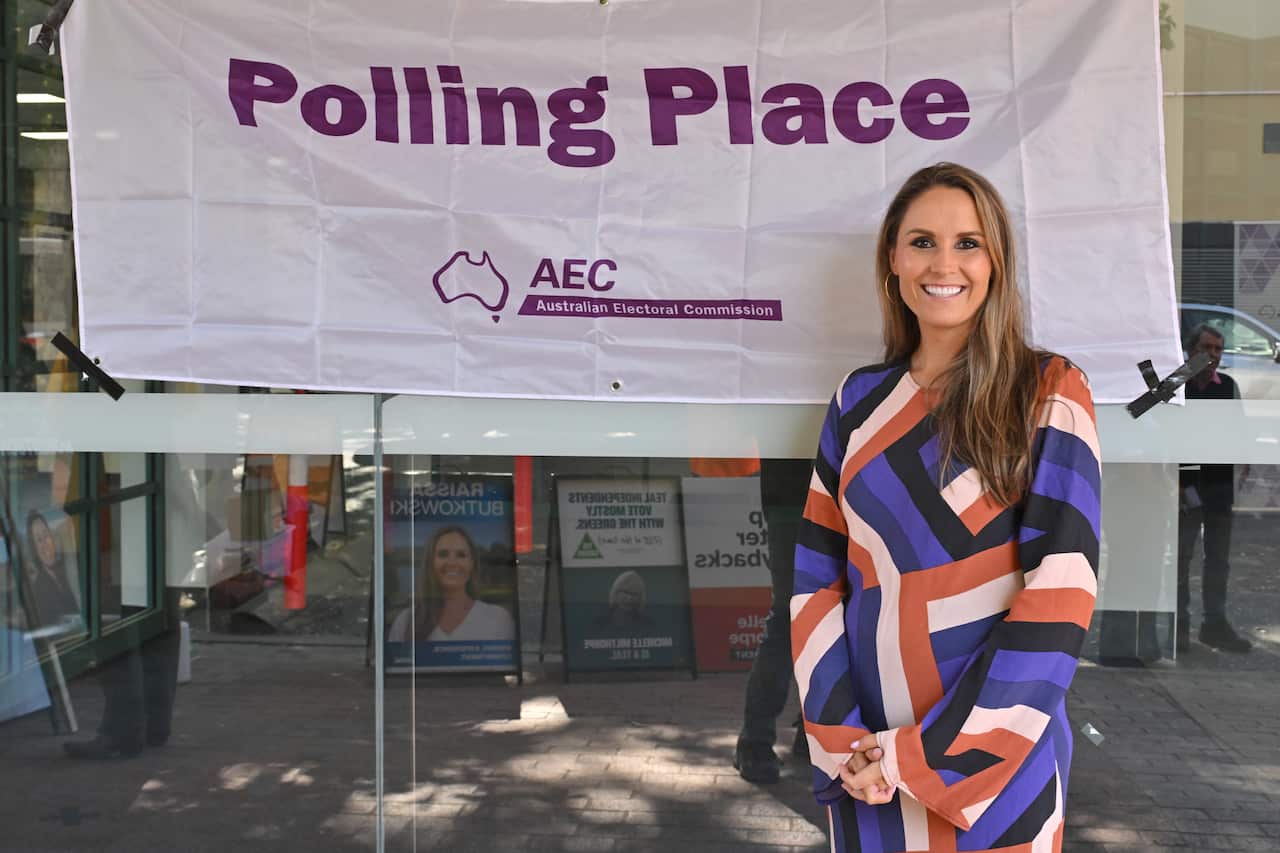
Liberal candidate Raissa Butkowski is spruiking her credentials as a board member of the Murray Darling Association, and her experience as an Albury councillor and community lawyer who can advocate for water security.
She tells SBS News that Farrer is essentially the "main food bowl" of the country and its farmers and irrigators are feeling left behind due to policies stripping water out of productive communities.
She notes the Coalition introduced a bill into parliament this year for a commission of inquiry into the Commonwealth Environmental Water Holder, which buys water for the environment to restore the Murray-Darling Basin.
SBS News also requested an interview with Farley, the One Nation candidate, but this was declined.
At the election forum, Farley told attendees that Australia should be asking itself how much water a growing nation needs.
He said water had been viewed and managed as an environmental asset rather than as a sovereign asset, adding that it should instead be regulated on a "demand basis" rather than a "restrictive basis".
Cameron Lander, 64, who grew up in Narrandera, is a local councillor and intends to support Farley, having previously voted mainly for Labor.
He says the One Nation candidate was raised in the town and understands agriculture, water, food security and immigration.
"If nothing else, at least he knows what this area needs. He understands the [Murray Darling] plan and how all these things work," Lander says.
Higher proportion of Australian-born residents
For culturally diverse voters in the seat, Saturday's by-election will also be a test of community sentiment.
Troy Pietsch, 53, a Wiradjuri man who grew up in Narrandera and lived in Leeton before moving to Wagga 14 years ago, says racism is present in the area but mainly manifests as ignorance or prejudice rather than violence towards the community.
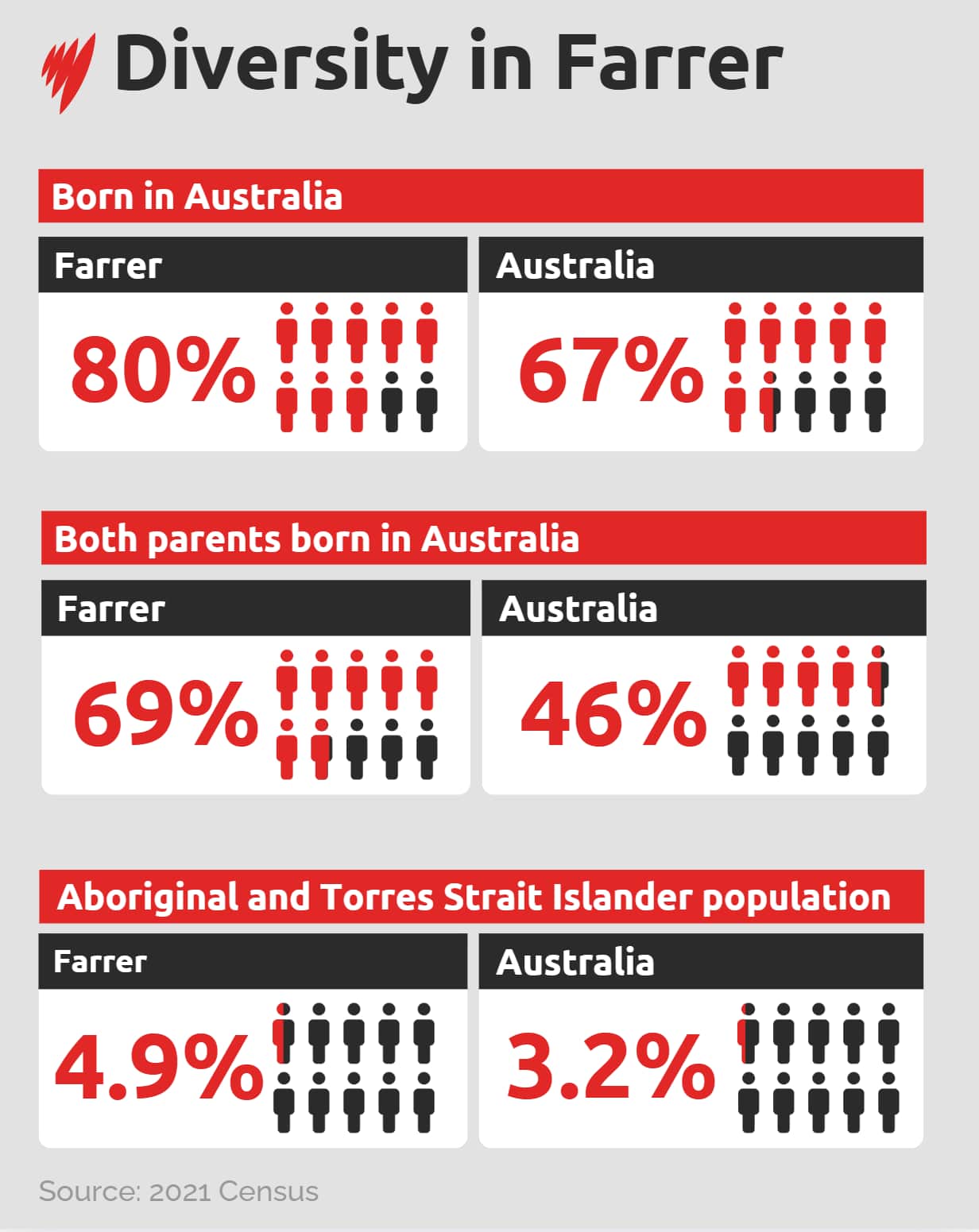
Farrer features a larger-than-average population of Aboriginal and Torres Strait Islander people, representing 4.9 per cent of the electorate, compared with 3.2 per cent in the broader Australian population.
Pietsch says he's also seen a greater diversity of residents moving into the area in the last 10 to 15 years to work in the farming industries and feedlots.
Despite this, Farrer still has a higher proportion of residents born in Australia than the rest of the country (80 per cent were Australian-born in Farrer compared to 67 per cent nationally), according to the 2021 Census.
One notable exception is Griffith, which has a large Sikh population. In this town, three hours north of Albury, the proportion of those born in Australia drops to 66 per cent.
Manjit Singh Lally, a former Griffith councillor and member of the Sikh community, says One Nation's messaging does not resonate with many locals because the town was set up on migration.
"This town is set up by the multicultural society. There's nearly 90 per cent from different communities," Lally says.
"Their [One Nation's] policies [are] a bit harsh. I'm not saying they [the Griffith community] are 100 per cent against it, but there [are] some people against [those] policies."
He says he's only experienced a couple of racist incidents in the 25 years he's lived in the area, and they happened a long time ago.
"We're still in a very safe position I think."
As with the broader community, he says water is the biggest issue among Sikhs because many of them are also farmers.
Lally did not want to reveal who he plans to vote for but says he is not worried about increased racism if Farley is elected.
"This is a very nice community," he says.
"We haven't ever had a problem."
Stoking division doesn't work in the country
Despite the immigration debate becoming a focus for right-wing and conservative parties federally, analysts say it may not have as much traction in the electorate as some may assume.
Welsh says he doesn't believe stoking division works in regional communities because there is less anonymity than in cities, and sticking together really matters to people in country towns.
"It's part of the identity of being country," he says.
[In] regional communities, life is tough and there is this kind of underlying belief that together we stand, divided we fall.
Rob Sherlock, 43, has been a resident of Hillston — two hours north of Narrandera — for four years and says he loves living in the town of 1,200 people.
"It's got everything," he says.
"There's sport on the weekend, it's got a golf course, there's tennis courts.
"The people, they all know your name. In good times they're patting you on the back, and in bad times, they rally around you."
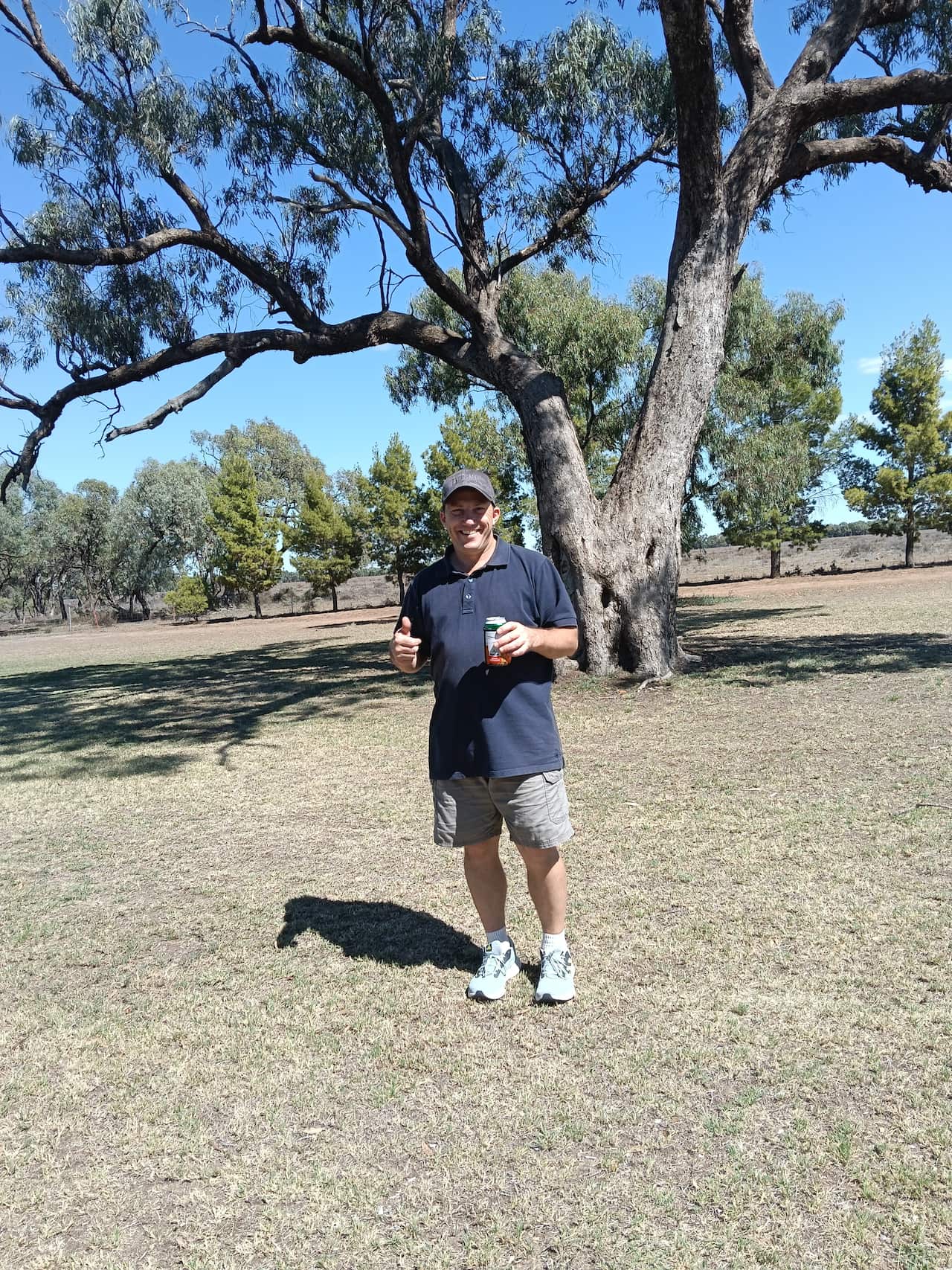
Sherlock moved to the area to take up a job amid the COVID-19 pandemic. He works in a potato packing shed and says about 80 per cent of his fellow workers are from other countries, including Malaysia, Indonesia, Solomon Islands, Fiji and France.
"We get a lot of backpackers ... so it is a melting pot of people from overseas.
"Hillston has no problem with people from overseas. We just want our town to grow larger and have a future for our children."
Sherlock previously supported Ley and says he will be handing out how-to-vote cards for her replacement, Butkowski.
But he says he doesn't have an issue with his vote going to One Nation on preferences, as this is where he would likely direct it anyway.
"I don't think it's a racist party," he says. "I think they've stepped back on their immigration harshness."
Other Liberal voters have also told SBS News they will preference One Nation's candidate ahead of Milthorpe as she is seen as the biggest threat to the Liberals being re-elected.
If a One Nation or independent candidate is elected on Saturday, Sherlock doesn't believe the result will change much in parliament.
Sherlock says the most important issue for him is to see more investment in Hillston.
He's seen the decline of the town even during his short time, with one of the two pubs closing.
"A lot of the shops have closed up and so you see a lot of empty stores."
For the latest from SBS News, download our app and subscribe to our newsletter







