
in brief
- The Strait of Hormuz carries roughly 20 per cent of the world's oil as well as fertilizer, helium, and other essential materials.
- Its closure since 28 February has sent global fuel prices soaring with economic turbulence
The strategically vital Strait of Hormuz could re-open imminently after weeks of military closure following a surprise United States ceasefire.
On Wednesday morning, US President Donald Trump announced a two-week pause in military action so that both sides could finalise peace plans he said were already close to being agreed upon.
The opening of the strait has been a key negotiation point which both Iran and the US have centred in their ceasefire discussions. It has been effectively closed to international shipping since US-Israeli strikes began on Iran on 28 February, sending economic shock waves across the globe.
The strait, in times of peace, carries roughly 20 per cent of the world's seaborne oil and is the origin of roughly 30 per cent of refined fuel that Australia imports from Asian refineries.
News that makes sense
Your trusted source for staying up-to-date with the world around you. Get free daily news updates and analysis, straight to your inbox.
In addition, with some 30,000 cargo ships passing through the waterway each year, the knock-on effects of supply chain disruptions are expected to be wide-ranging.
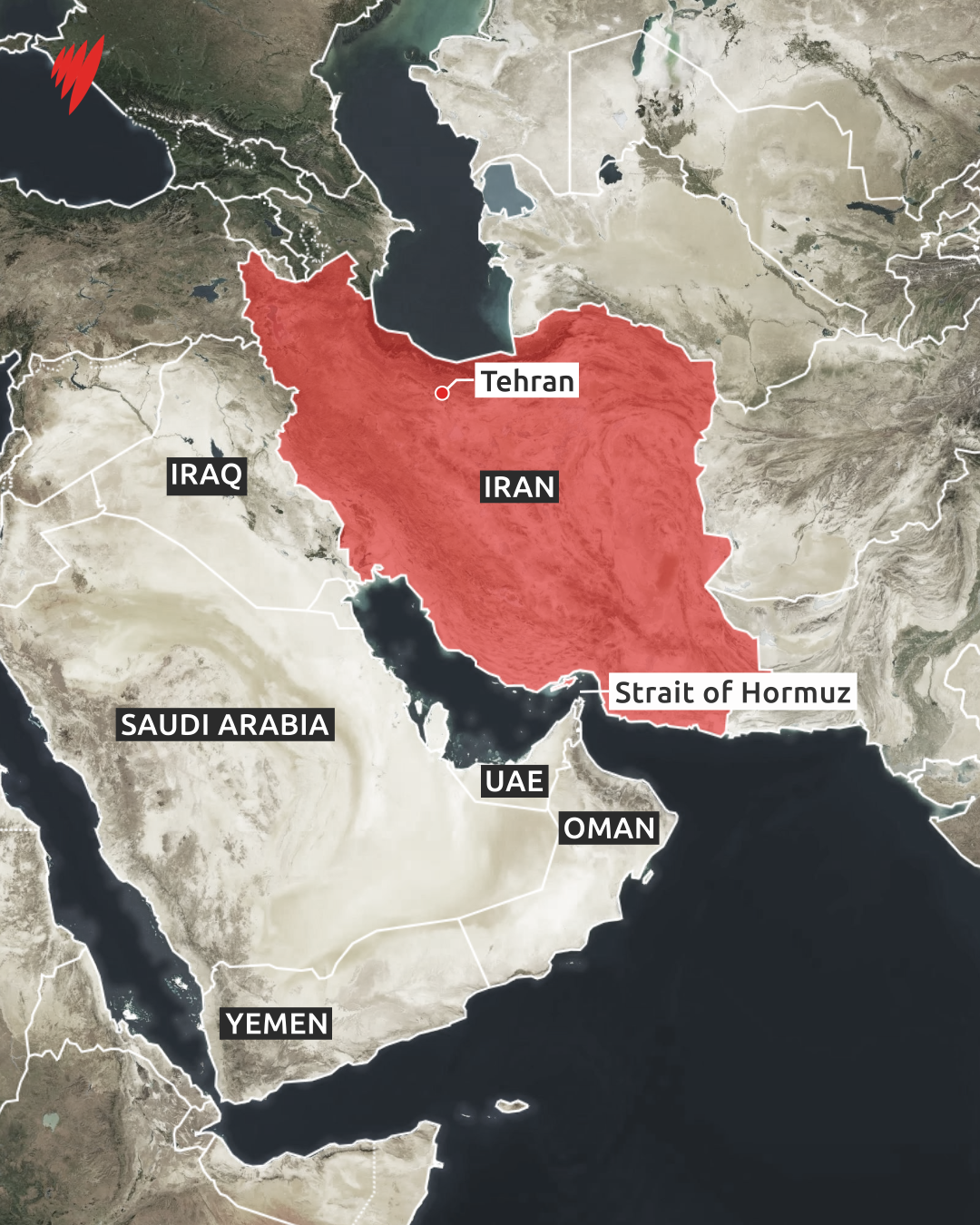
Around a third of the world's fertiliser and up to half of its urea passes through the channel controlled by Iran, for example, potentially posing a major threat to global agricultural yields.
In a joint statement on Wednesday morning, Prime Minister Anthony Albanese and Foreign Minister Penny Wong said the closure has had an "unprecedented" impact on global supply chains.
"We have been clear the longer the war goes on, the more significant the impact on the global economy will be, and the greater the human cost."
If the conditional ceasefire announced this morning holds, it could see the restoration of normal international shipping. However, the ripple effects of the shutdown are expected to be felt for a long time.
Reopening the Strait
Since the ceasefire announcement, oil prices have reduced while stocks have surged.
Global markets now predict shipping will once again start to flow through the strait.
While global oil prices have dropped, Energy Minister Chris Bowen cautioned this morning that the shift will not have an immediate flow-on effect to Australians at the petrol bowser and that the situation is still highly volatile.
"People shouldn’t take today’s progress and expect prices to fall", Bowen told reporters. "We welcome progress, but I don’t think we can say the [Strait of Hormuz is] now open".
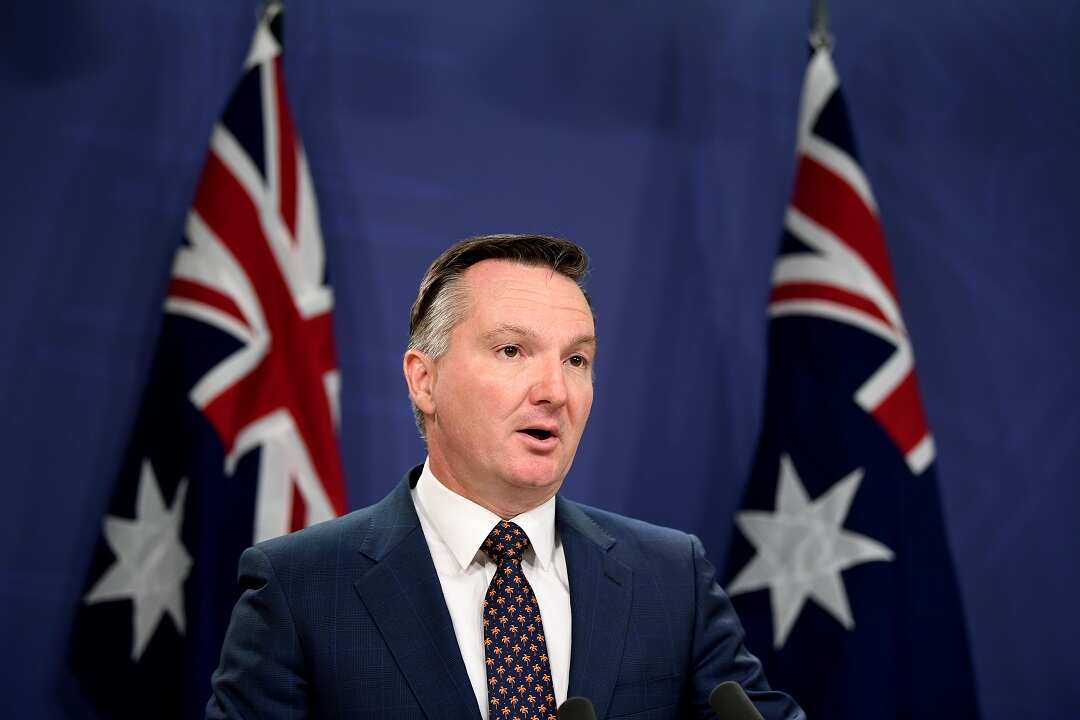
"Obviously, we hope a ceasefire takes hold and becomes the permanent arrangement and the sooner that happens, the better it will be for fuel prices around the world."
Higher oil prices feed into consumer price index (CPI) inflation figures through rising transport costs and the increase in other areas like the use of fertiliser.
At the start of the conflict, Westpac predicted that if the war continued for a month, it would raise CPI by a single percentage point and lower gross domestic product growth by 0.2 per cent.
While the ceasefire announcement does open the pathway toward the resettling of global trade, experts have cautioned that even if an agreement can be reached, the impact of the disruption will still be felt for months.
"There's going to be a flow-on effect I would say for the next six to nine months whilst things stabilise again and recover," Richard Nutt, global trade tax expert at accounting firm Grant Thornton, told SBS News.
"Obviously, the cost of goods are going to go up from an indirect perspective and a direct perspective, purely on fuel", Nutt said. "And it will have duty and GST implications as well".
NRMA spokesperson Peter Khoury said he expects the drop in global oil costs to start to be reflected in Australian wholesale prices by the end of this week or early next week.
"Australian families going home tonight are going to continue to see high prices at the bowser that will continue for the next few days," Khoury told reporters in Sydney.
"However, the good news we were waiting for appears to have come through today, and if it holds ... relief, we hope, is at hand."
Beyond oil, Nutt argued that the US-Israel war in the Middle East has highlighted the interconnected nature of global trade and the longer-term need to secure both global supply chains and domestic self-reliance capabilities.
"It's going to reinforce what happened during COVID, that we've actually got to support local manufacturing and land trade policies that are going to encourage investment in Australia", Nutt said.
Bowen added that the government's temporary 32-cent per litre cut to the fuel tax would remain in place for the next three months as promised, even if fuel prices fall before then.
Prime Minister Anthony Albanese is abroad meeting leaders in Singapore and elsewhere to shore up international refined oil deliveries into the country.
While there has been no official date yet set for the re-opening of the Strait of Hormuz, Iranian officials have said that they will meet face-to-face with US negotiators in the Pakistani capital of Islamabad on Friday to "finalize" their ceasefire agreement.
For the latest from SBS News, download our app and subscribe to our newsletter.







