
A warning of a potential 20 per cent food price increase is being echoed by farmers as they also raise the possibility of having to reduce production due to fuel constraints.
Farmer unions have said that the impact of supply chain uncertainty, due to the war in the Middle East, is increasing pressure on manufacturing and transport costs and disrupting daily operations already.
Diesel is crucial for Australian agriculture, powering machinery, irrigation systems and freight, and the price has recently spiked to a national average of around $3.20 a litre, according to the Australian Institute of Petroleum.
Farmers on the frontline
The meat and dairy industry is generally sees significant impacts on products sooner, as the shelf-life is much shorter and requires a quicker turnaround from farm to supermarket. However, farmers say that fresh produce such as fruit and vegetables will follow.
News that makes sense
Your trusted source for staying up-to-date with the world around you. Get free daily news updates and analysis, straight to your inbox.
National Farmers Federation President Hamish McIntyre has said that right now, farmers are heading into planting and harvest windows where diesel use spikes. In sectors such as dairy and seafood, fuel is required to move product every single day.
"Farmers are price takers, which means rising fuel cost are largely absorbed on farm and cut into already tight margins. However, other parts of the supply chain will inevitably pass increased costs onto consumers," he said.
"We don’t want to speculate what this will mean for families at the supermarket, but if things don’t turn around quickly and farmers are forced to cut production or scale back plantings, it is reasonable to expect that it could lead to pressure on food prices."
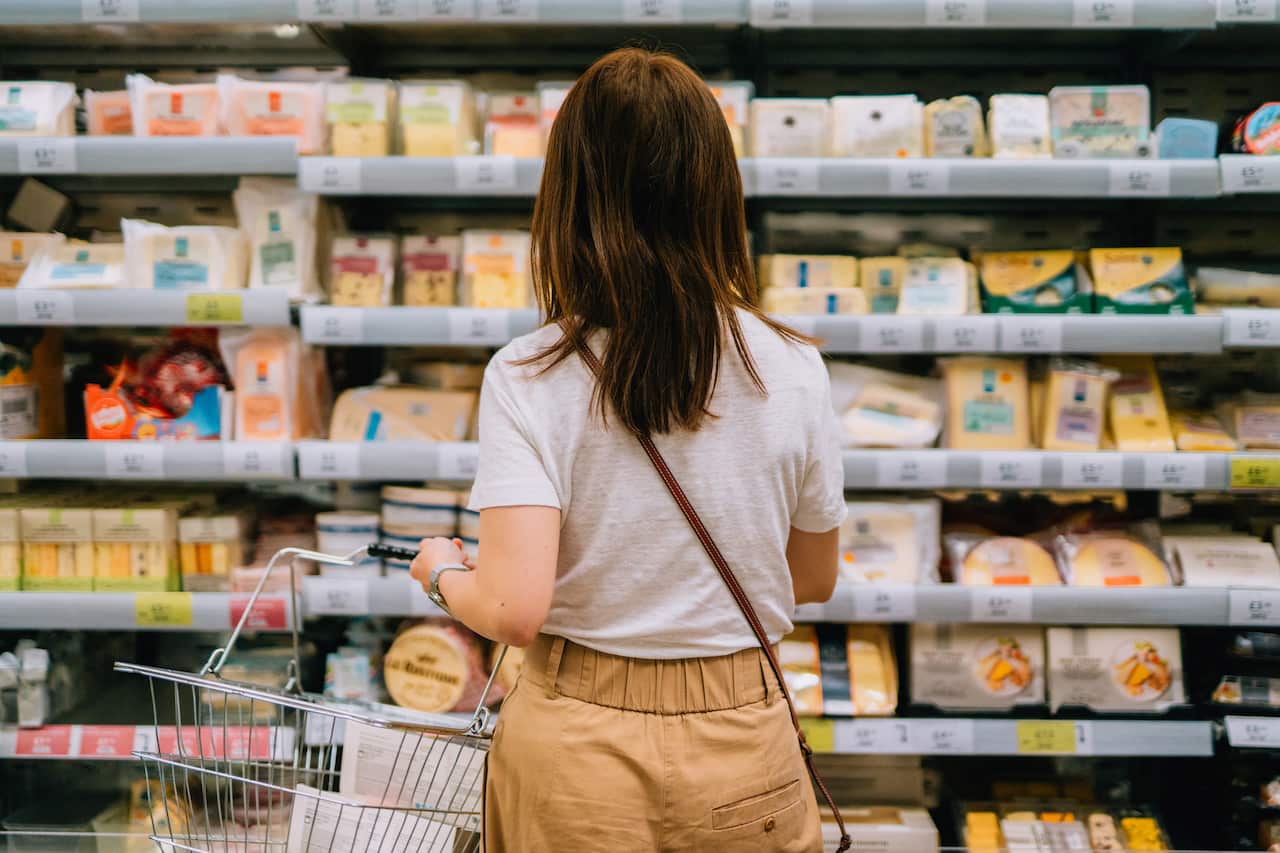
As Australia relies on imported fertilisers, disruptions to global supply routes have pushed prices higher while limiting availability.
Ben Bennett, the President of Australian Dairy Farmers, told SBS News that while industry production has been steadily retracting over the last twenty years, for a multitude of reasons, one of the main issues is that there simply isn't enough money.
"It's ideal if we can grow as much pasture as we can, it's the cheapest form to feed our cows ... so these doubling in costs are significant because we've really got no way to mitigate that, we're the price takers."
The potential 20 per cent increase cited by Bennett factors in both the financial margins of farmers and supermarkets.
He explained that farmers are unable to alleviate the high costs of diesel and fertiliser on their own, and while they won't shut down completely, they won't be able to continue at the rate they are.
Urea, a highly concentrated nitrogen fertiliser that is commonly used by farmers for their crops, has soared in price and could climb higher, as much of its global supply comes from the Middle East.
"In Western Australia, there are less than 100 dairy farmers and if they don't get nitrogen to put on their paddocks to grow the grass for cows to feed, they're going to lose stock," Ben said.
He added that with the shortage of diesel, it may not even be possible to transport product interstate.
Action is wanted now, not later
The flow-on effect of these shortages may also mean that farmers have to consider reducing the national heard.
If this were to happen, Bennett said, not only will there be less dairy products but the price of them will increase.
"We're better off to put a bit of money back toward the farmer now to ensure we don't have an alternative situation, which will be, I think, a far bigger impact on the consumer."
He said food price increases will help offset the current financial strains that farmers are facing.
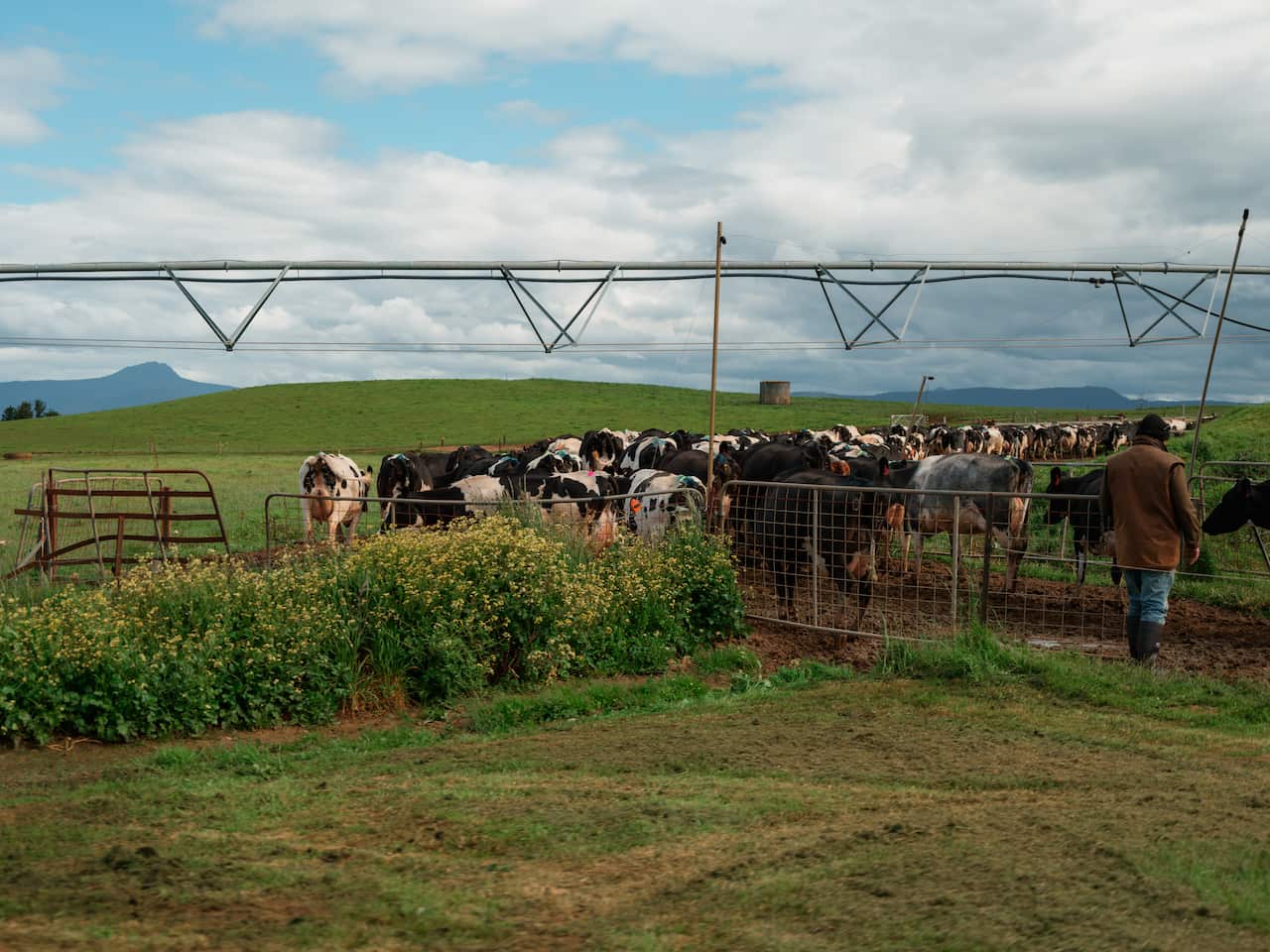
Agriculture Minister Julie Collins said the federal government is working with farmers, fishers and producers to help manage the impact of the war in the Middle East.
"We've taken immediate action to help safeguard Australia's food production system, and to support our farmers, fishers and producers — including to help get fuel and fertiliser into our regions," she said in a statement.
Speaking on Sky News on Sunday, she rejected the suggestion food prices would rise by 20 per cent.
For the latest from SBS News, download our app and subscribe to our newsletter.







