
This audio is voiced by AI and may occasionally mispronounce words.
Share your feedback and help us improve this feature. Read more about how we use AI at SBS here.
A small regional city is outpacing Australia's most expensive property market, Sydney, by a factor of 40, as more people leave cities in search of affordable homes — but rapid growth is also bringing new pressures.
Wagga Wagga in NSW has emerged as one of the country's hottest property markets, new data shows, reflecting a broader shift in where Australians are willing and able to buy.
Locals say the influx of new residents has brought economic opportunity and greater cultural diversity.
But as the urban exodus continues, strains on housing, services and infrastructure are starting to surface.
Growth brings opportunity, and pressure
News that makes sense
Your trusted source for staying up-to-date with the world around you. Get free daily news updates and analysis, straight to your inbox.
Saba Nabi moved to Wagga Wagga in 2012 with her infant daughter, joining her husband, who was studying for a PhD at the local Charles Sturt University campus.
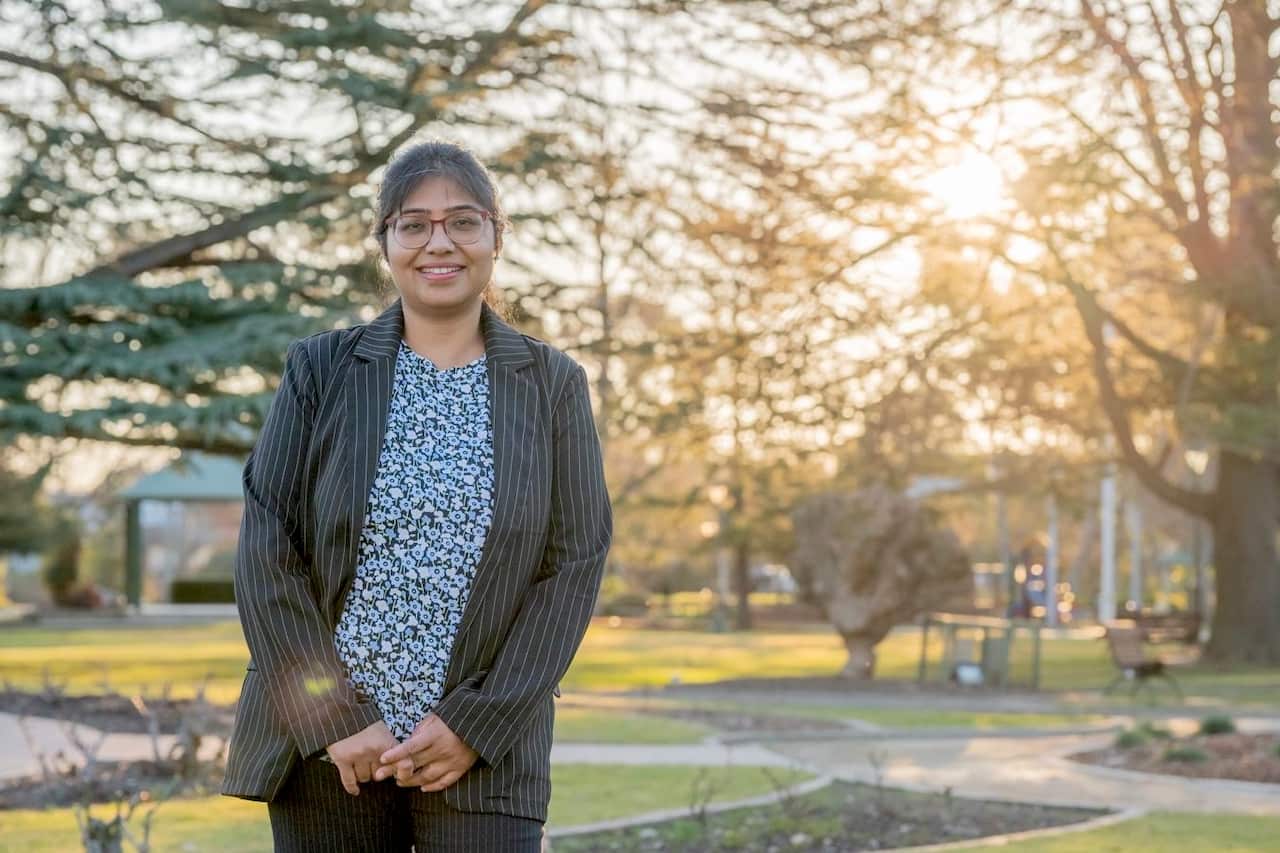
The couple values international education and wanted to move away from the fast-paced city life they had in New Delhi, India.
So, 14 years ago, they relocated to the regional hub, which then had a population of around 60,000 and had seen little growth in the preceding years.
"My first impression was that it's such a small place, and it had a really small airport," Nabi tells SBS News.
"Compared to places we'd lived, like Saudi Arabia and Delhi, it was a very small community."
But the "somewhat sleepy" city she describes has since undergone substantial population and infrastructure growth, as more people move to regional areas for affordability and lifestyle.
"Traffic has grown a lot," she says, and there are "many new suburbs being built" to accommodate the now 70,000 people living in the city.
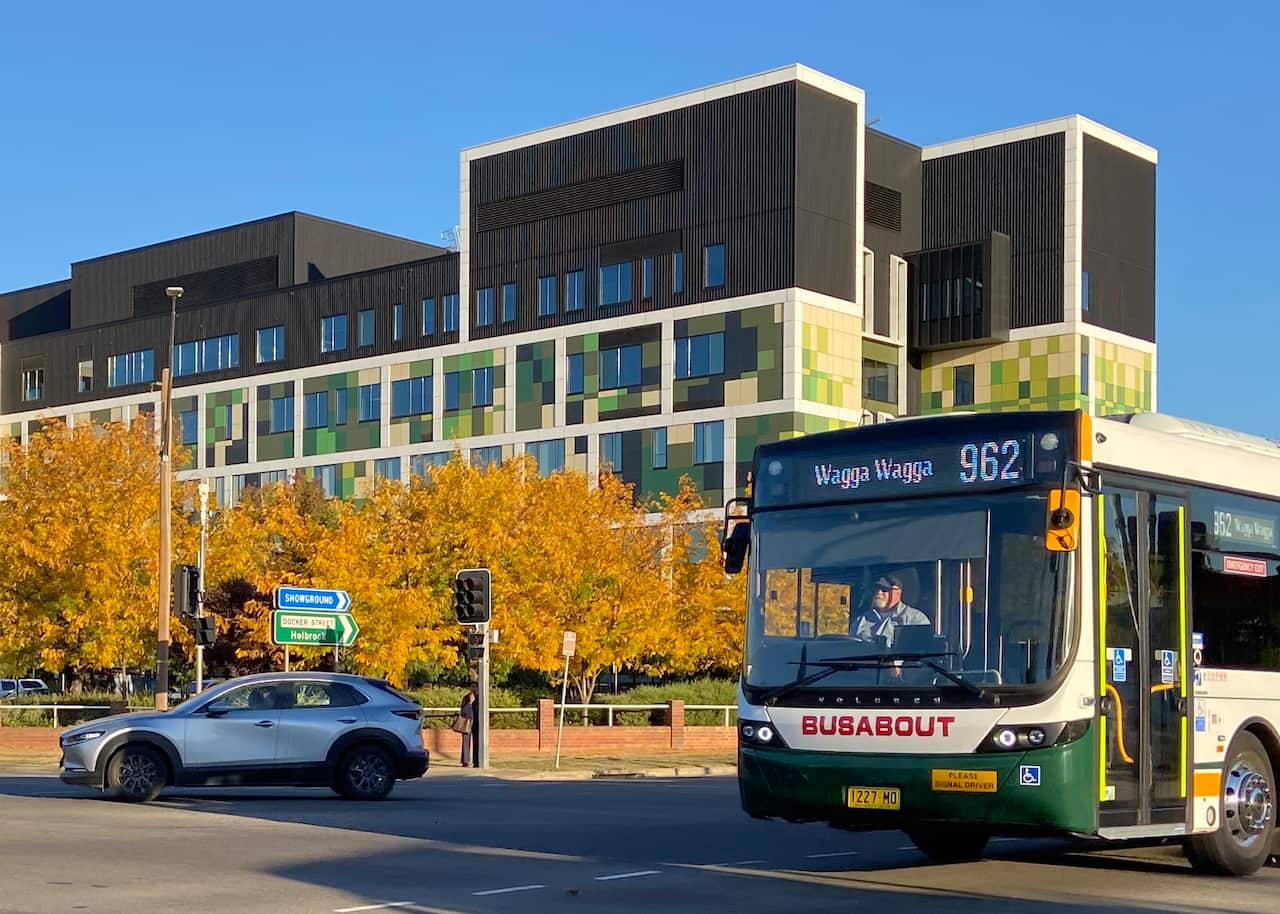
Nabi says the cost of everyday items, from groceries to takeaway coffees, has also risen sharply.
Everything has increased, especially after COVID-19.
"I know some of my friends who initially, only one of the family members was working, but with the cost of living and everything, the entire family's working now, like both husband and wife, they both work just to cover the increasing cost."
She says demand for essential services has also intensified, placing pressure on local systems.
"Waitlists for childcare are much longer than they used to be. Now, you have a huge waiting list," she says.
"I have also seen longer wait times for mental health appointments."
Housing availability has become another growing concern, with online forums increasingly filled with residents seeking rentals or homes to buy.
A property market on the rise
Wagga Wagga's property market is growing fast and, according to some datasets, is among the strongest in the country for price growth.
Analysis from property data firm Cotality found the median home price in the city rose by 8.1 per cent in the final quarter of 2025, which is around 40 times the growth recorded in Sydney — Australia's most expensive capital city — where house prices rose by just 0.2 per cent over the same period.
The average property price in Wagga Wagga, including units, reached $665,026, with houses typically valued at about $100,000 more.
Cotality's head of research, Gerard Burg, says the three months to December marked the strongest growth nationally.
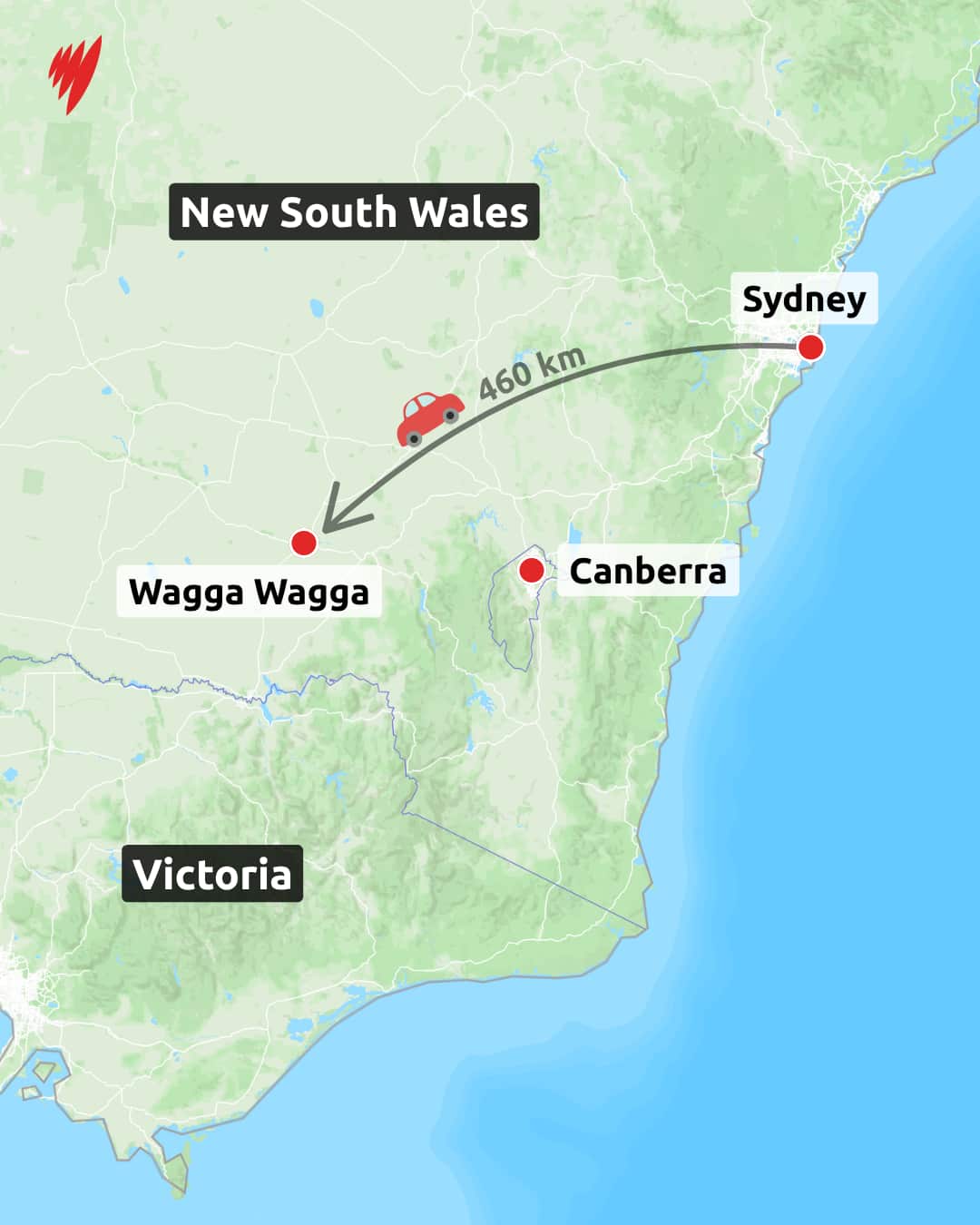
Burg says the growth is being driven primarily by affordability, with dwellings in Wagga Wagga costing roughly half as much as those in Sydney, around a five-hour drive away.
"This presents opportunities for potential home buyers, such as a lower deposit, lower mortgage repayments, and potentially freeing up income to save or spend on other areas of life," he tells SBS News.
Unlike during the COVID-19 pandemic, when coastal sea-change locations and commuter belts saw the biggest gains, inland regional centres like Wagga Wagga are now experiencing renewed demand.
However, not all data points to the same pace of growth.
Figures from Domain, which uses a different methodology, suggest a more moderate increase in the first three months of 2026.
Nicola Powell, chief of research and economics at Domain, says house prices in Wagga Wagga have now surpassed $700,000 for the first time.
The analysis found that growth towards the end of 2025 was around 3 percentage points lower than Cotality's estimate, with prices rising 3.7 per cent in the March quarter of this year — representing a 10 per cent gain over 12 months.
It's the strongest rate of growth we've seen for the LGA in three years.
"Regional markets are performing well, as some cities like Melbourne and Sydney are slowing down in terms of price."
Data from Domain shows that house prices in both Melbourne and Sydney have dropped so far in 2026, highlighting a divergence between capital cities and regional markets.
Powell says Wagga Wagga's appeal lies in its relatively "strong and diverse" economic base.
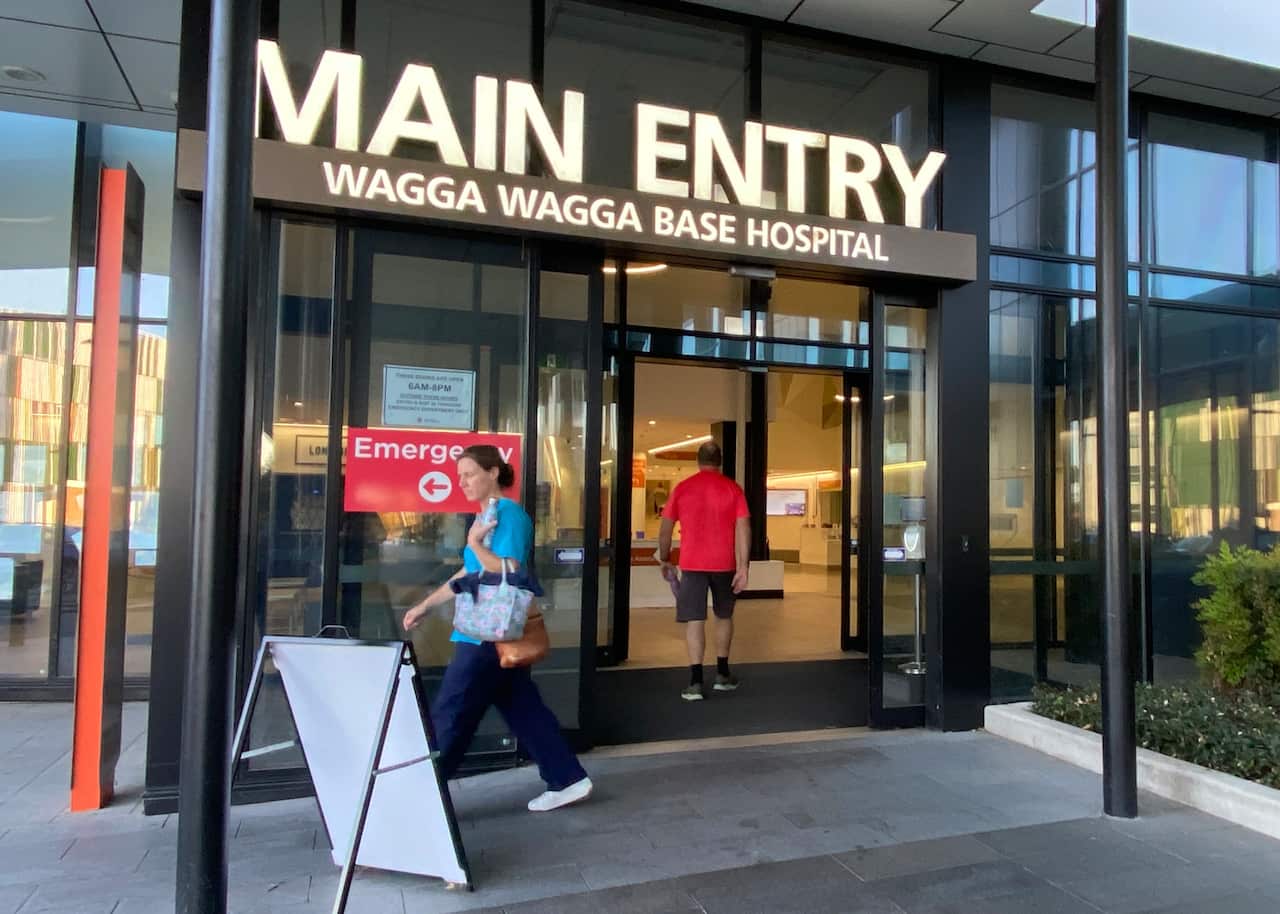
The city is home to a large hospital, defence assets, and a university, all of which support employment and population growth.
Who is moving to Wagga Wagga?
Nabi says the city has seen a steady influx of short- and long-term residents since she arrived in 2012.
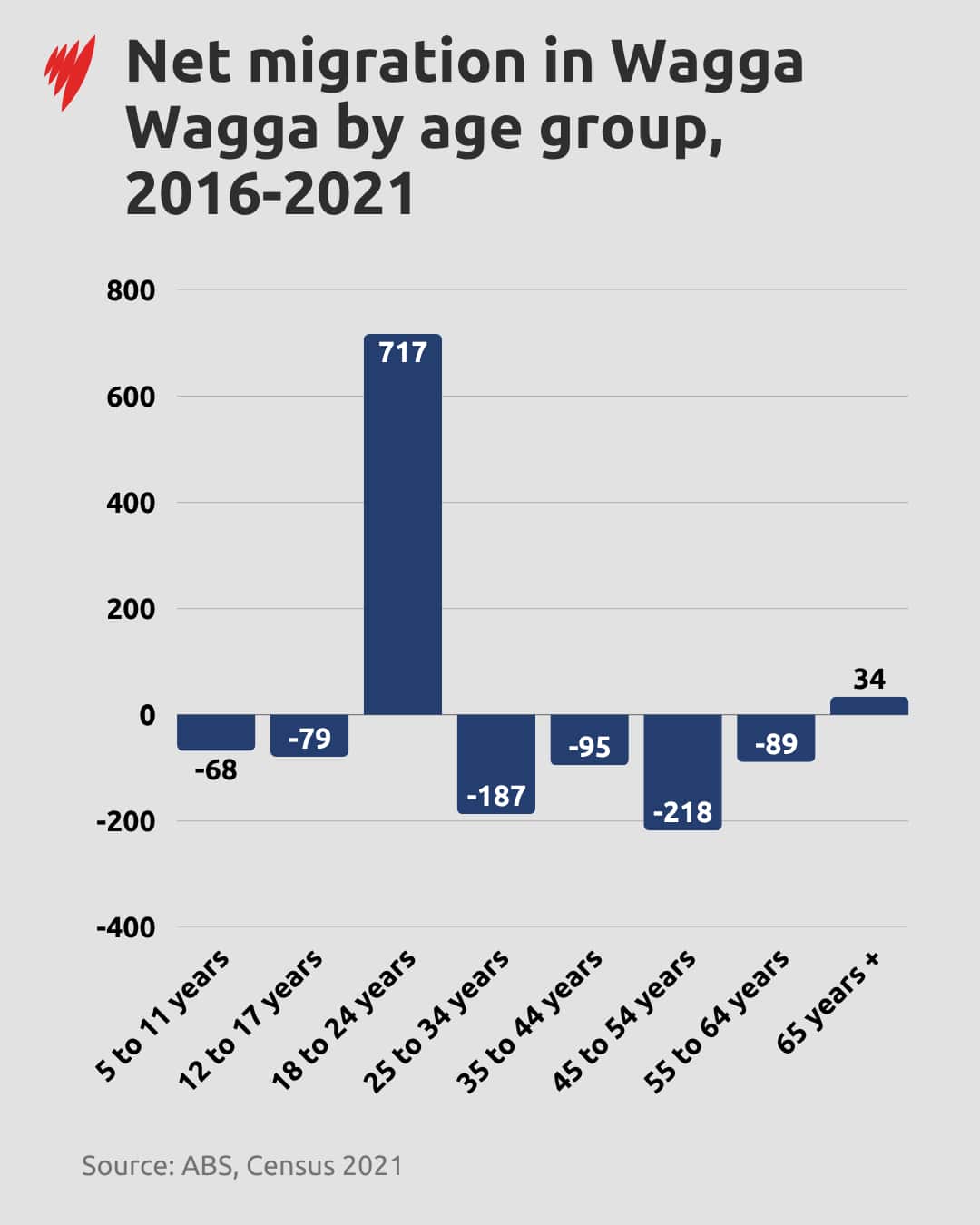
Younger adults and retirees make up the bulk of new arrivals, and many are from diverse cultural and international backgrounds.
"Just walking around town, there are so many more people of colour, or ethnically owned businesses. It's great to see a lot more diverse cultural events across different communities," she says.
Census data from 2021 shows a decline in the proportion of residents identifying solely with Australian heritage compared with 2016.
At the same time, the number of residents with ancestry from countries such as India, China and Iraq has increased.
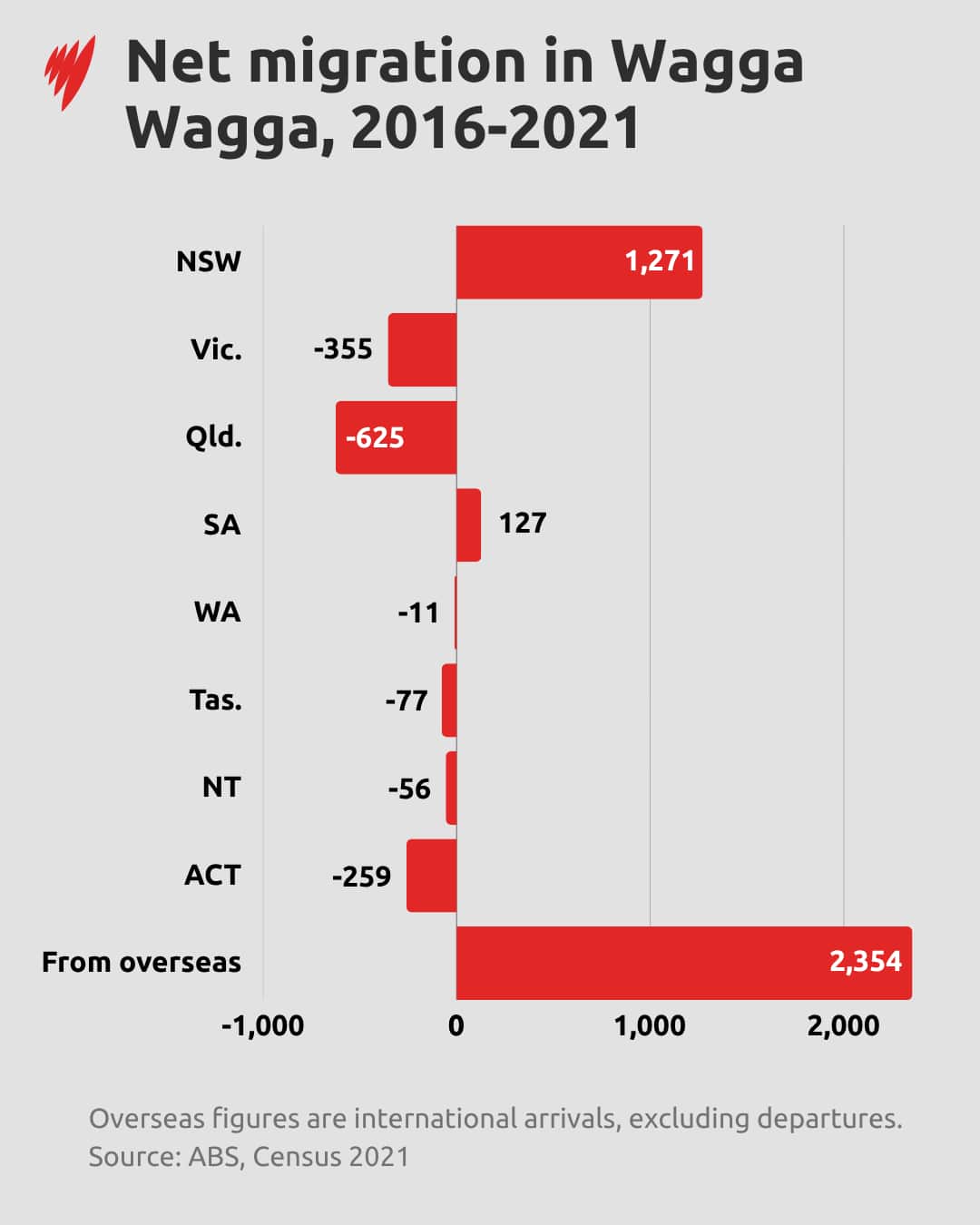
Over the same period, the Aboriginal and Torres Strait Islander population in Wagga Wagga has also grown almost 10-fold.
Nabi says there is a trend of migrants staying in the city to meet visa requirements before relocating to larger urban centres.
Despite the churn, overall population growth remains positive, with more people arriving than leaving.
Rachel Whiting, the CEO and director of regional development at Regional Development Australia's Riverina branch, says in the nine years she has held her position, Wagga Wagga has diversified significantly across age groups and cultural backgrounds.
"People from all over the Riverina region come to Wagga to retire," she tells SBS News.
"From an employment and a career perspective, if you move here, you will have more opportunities for advancement than you will have in a city. The types of people often sought or promoted regionally are those with a diverse range of skills."
Growth exposes housing and labour gaps
Whiting says population growth has brought "amazing things" to the community, but like many regional centres, Wagga Wagga is facing worker shortages affecting local businesses and essential services.
"We are quite a diverse economy in the Riverina, and we need people to work those jobs," she says.
From doctors and nurses to teachers, to police, to agricultural workers, to everything, mechanics … plumbers, we need them.
Whiting says housing availability, particularly rentals, has become another pressure point as demand rises.
Rental vacancy rates are sitting near or below 1 per cent in several regional centres across the country, underscoring the tight conditions.
"If you're in a position to buy, it's easier to buy a property and find something that suits your needs in the Riverina than it is to rent," she says.
Simon Croft, CEO of industry and policy at the peak residential building body, Housing Industry Association, says regional housing is often under-prioritised, despite "exponential" population growth.
He notes that nearly one-third of Australians, or 10 million people, are living outside capital cities, yet housing supply has struggled to keep pace.
"The builders there are ready, willing, and able to deliver more housing, but they lack the new land coming through, new land supply, and funding for the enabling infrastructure," he tells SBS News.
"So, the roads, the silver pipes, the electricity cables, the access roads and the like, often they can build the homes faster than they can get that enabling infrastructure delivered to those regions."
Regional areas are also facing greater skilled worker shortages, particularly in the trades, as Australia deals with a shortfall of over 83,000 workers needed to meet national housing targets.
"Regional housing can't be seen as a secondary consideration by the government, but a primary focus in the design and policy settings for the country," Croft says.
Balancing growth and liveability
Despite the challenges, Nabi says she has no plans to leave Wagga Wagga and loves the community she has found there.
But she says maintaining that quality of life will depend on how well the city addresses growing service gaps.
"There's more demand for disability services, and infrastructure is struggling. I don't know if the city will be able to cope with more traffic," she says.
While property prices have boomed, analysts say the pace of growth will likely slow down in the coming years.
Burg from Cotality says recent trends show stronger momentum in regional markets outside NSW, particularly in Western Australia, South Australia and Queensland.
"In particular, the south-west of Western Australia has recorded very strong growth, as have markets inland from Brisbane, such as Toowoomba and its surrounds," he says.
Whiting says the city's long-term success will hinge on its ability to deliver enough affordable and social housing, not just in Wagga Wagga but across the wider Riverina region.
"There's no doubt we need more housing," he says.
"The whole country will tell you that, but I think our region also prides itself on being good problem solvers. And if people have the skills that we need, we will do our best to ensure that they find what they need and to be welcoming communities."
— With additional reporting from NITV's Chris Roe
For the latest from SBS News, download our app and subscribe to our newsletter.







