
IN BRIEF
- Census data informs the funding, access, design and distribution of services for a changing Australia.
- When inaccurate or incomplete data is recorded, experts believe there can be serious and sometimes life-threatening consequences.
In 2019, 32-year-old Gia Lam gave birth to a baby boy. Three days later, she was found dead inside her home.
Lam's death was deemed "preventable", according to an inquest released in March by the Coroners Court of NSW. It determined she died from a sepsis infection caused by "multiple failures to diagnose a urinary tract infection".
She was raised in Vietnam and immigrated to Australia around 2010. During her time in hospital, Vietnamese interpreters were not available "during some circumstances", according to the coroner's report.
Priyanka Rai, the executive director of the Australian Multicultural Health Collaborative, said that she has heard of "thousands of stories similar to this".
"In that really, really heartbreaking situation, Gia ... tried to communicate with health services that she was in pain. But there was a gap in that communication, essentially," Rai told SBS News.
News that makes sense
Your trusted source for staying up-to-date with the world around you. Get free daily news updates and analysis, straight to your inbox.
"She had a visit by a midwife who did note that she could smell something was off, but she put that down to hygiene, rather than actually trying to look for a clinical cause."
Rai said decisions regarding the funding, availability and allocation of translating and interpreting services — including in healthcare — are informed by the Census of Population and Housing.
The upcoming Census will be held on Tuesday 11 August. The Australian Bureau of Statistics (ABS) will collect data on a person's ancestry, country of birth and whether a language other than English is used at home.
What is the Census?
According to 2021 Census data, an estimated 27.6 per cent of Australians were born overseas, and 48.2 per cent of Australians have a parent born overseas.
Emily Walter is a Census national spokesperson at the ABS and admits that "the Census asks lots of questions" about an individual or household.
But Walter told SBS Hindi that the survey is about "understanding who people are, their cultural background, information about their health and their education and their work status".
"It's all really important information for understanding the community's needs."
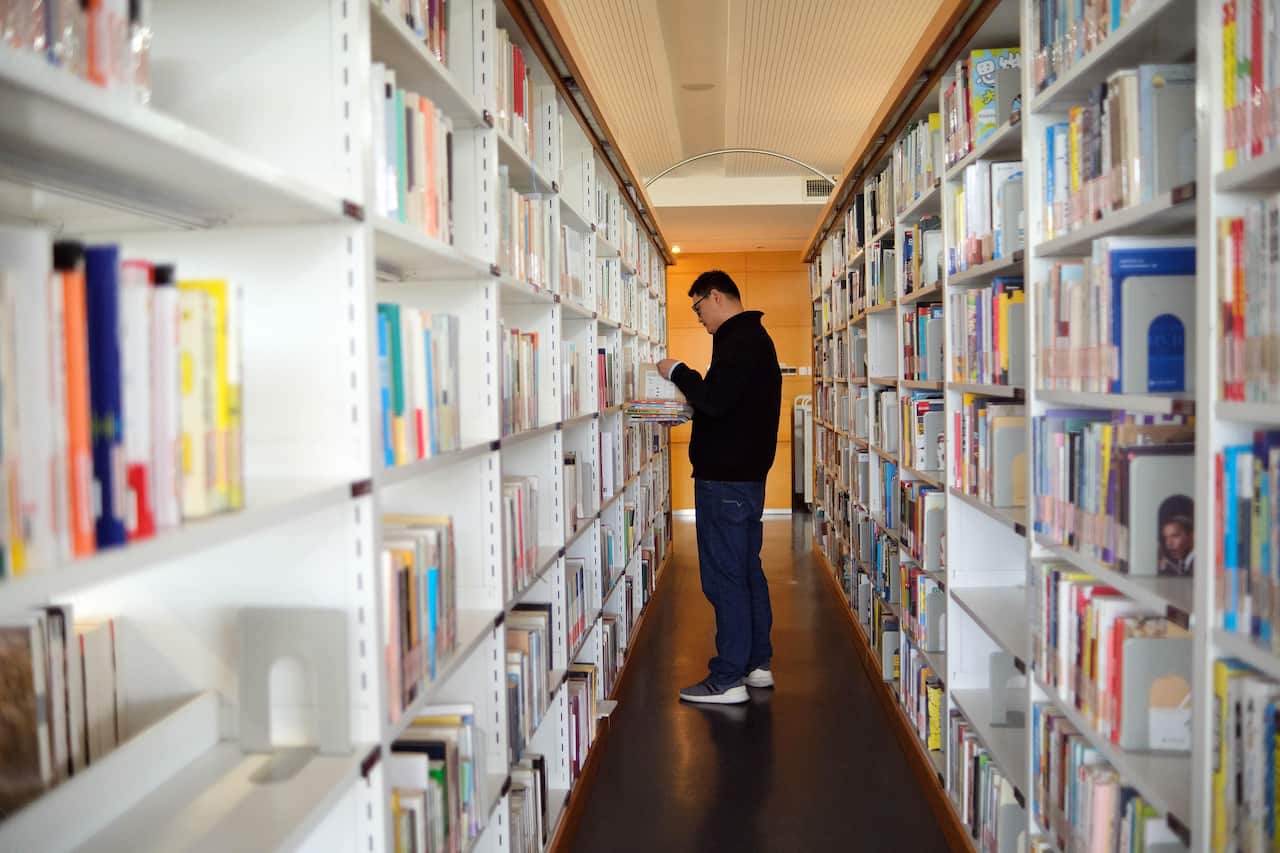
Abbas Raza Alvi is the president of the Indian Crescent Society of Australia. He told SBS Hindi that he believes the Census form is "quite complex".
It has up to 66 questions and "sometimes contains words in English that some people find hard to understand", Alvi said.
Online information about the Census is available in 26 languages. People who speak a language other than English can also contact the free Translating and Interpreting Service, which provides access to interpreters who speak more than 150 languages.
How does Census data inform multicultural services?
Census data is used to inform decisions about language services, settlement support, transport, school catchment areas, health care, infrastructure, and business. It also maps and tracks the locations of various populations and key demographics.
This year, the Census will include two new optional questions (for respondents aged 16 or older) about a person's gender identity and sexual orientation. That will be used to determine services for LGBTQI+ populations in Australia.
SBS broadcasts and publishes across more than 60 languages, using data from the Census to ensure its audio, digital, and television offerings reflect the country's evolving demographics.
Researchers rely on Census data too. It's used to study a range of topics including population demographics, economic trends and social issues.
Peter Doukas, chair of the Federation of Ethnic Communities' Council of Australia, told SBS News it's important to ensure "that we can collect accurate demographic data about what makes up Australia".
"That will include things like the kind of languages that are spoken at home and the contraction of some of the more legacy communities."
What community leaders want changed
Question 17 of the Census asks where a person was born.
Countries listed on the Census form include Australia, England, India, New Zealand, the Philippines, Vietnam and South Africa. If a person is born in another country, they can specify this in the 'Other' field.
An ABS spokesperson told SBS Chinese that "the countries listed are the most commonly reported countries of birth in the 2021 Census".
According to 2025 ABS data, an estimated 732,000 people in Australia were born in China. That's an increase of 32,000 compared to 2024 statistics.
However, the spokesperson said China will not be listed as a separate response category.
"This is to encourage people to write in China, Hong Kong, Macau or Taiwan in the 'Other (specify)' box."
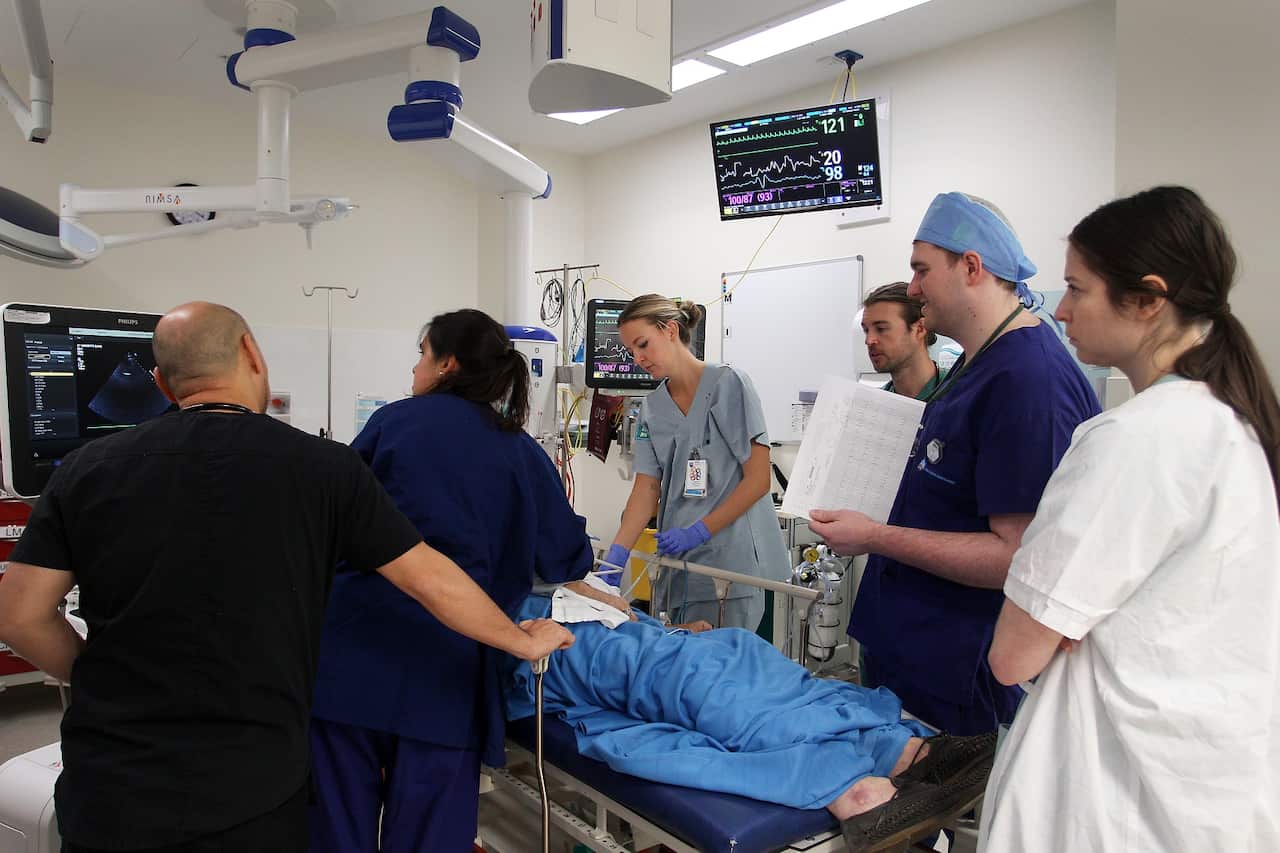
Rai said Census data collected about multicultural communities impacts funding for services, including hospital interpreters.
"It's those experiences of feeling like nobody understands what you're saying and your concerns are dismissed, [that] then feed into these ongoing issues where we already know multicultural communities don't engage with preventative health, often have worse outcomes because they appear later.
"We can see why, because accessing care is so difficult."
For the latest from SBS News, download our app and subscribe to our newsletter.







